
George Griffin
Directing
Biography
Independent animator George Griffin (b.1943) grew up in Knoxville, Tennessee, was drafted into the army, studied political science at Dartmouth, then moved to New York in 1967. He apprenticed in commercial studios while also experimenting with design influenced by Saul Steinberg and animation techniques in the spirit of Robert Breer. Griffin has made over 30 films, 10 seconds to 30 minutes long, cartoon narratives and self-referential documations, melding abstraction and figuration. He also makes viewer-activated, animated objects such as mutoscopes and flipbooks. He received Guggenheim, New York State Council, and National Endowment grants, and published FRAMES and FLIP-PACK. Griffin taught courses at Harvard, Parsons, Pratt, and through his studio, Metropolis Graphics, produced educational, commercial, and public service spots for TV. He has served on numerous international film festival panels and written essays for academic journals and books.
Known For
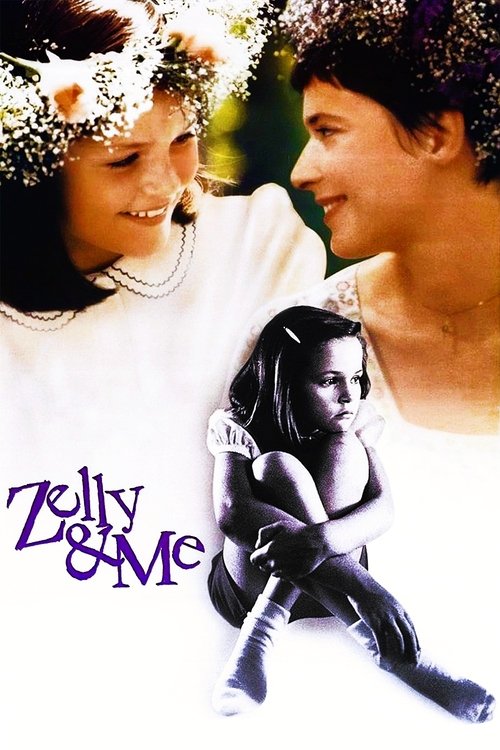
A young orphan who lives with her grandmother in a large Virginian home infatuates herself with the voices of Joan d'Arc. Her French nanny seeks out the help of a rich suitor to take her and the orphan away when she realizes that the grandmother cannot offer the orphan the love that she needs.
Zelly & Me
A documentary about the early days of animation.
Forging the Frame: The Roots of Animation, 1900-1920
Twenty animators from the U.S., Switzerland, Poland and China express their friendship with and love of animation in a series of animated variations on the standard countdown.
Academy Leader Variations
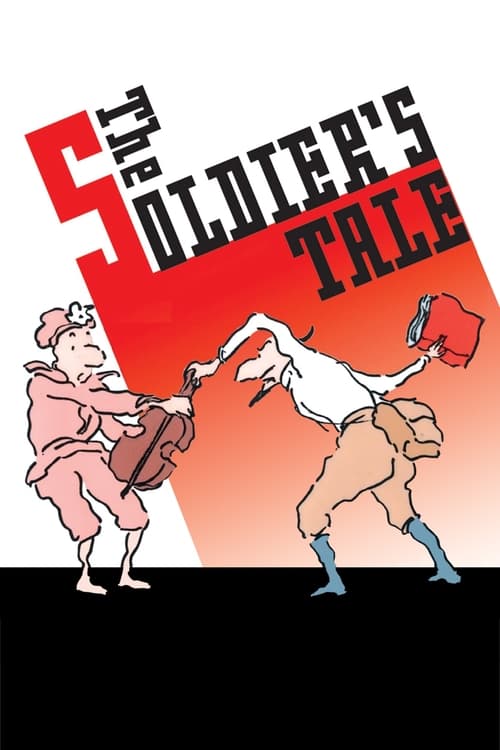
A soldier, returning home from war, chances upon a stranger who offers to buy his violin. The stranger is none other than the devil.
The Soldier's Tale
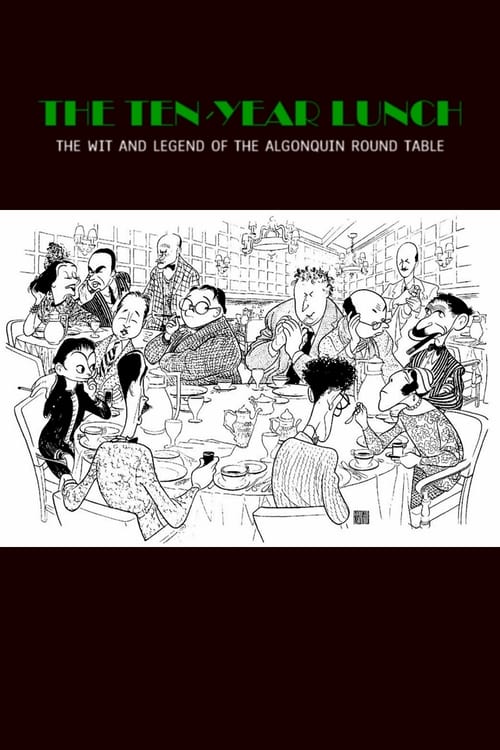
The story of the legendary wits who lunched daily at the Algonquin Hotel in New York City during the 1920s. The core of the so-called Round Table group included short story and poetry writer Dorothy Parker; comic actor and writer Robert Benchley; The New Yorker founder Harold Ross; columnist and social reformer Heywood Broun; critic Alexander Woollcott; and playwrights George S. Kaufman, Marc Connelly, Edna Ferber and Robert Sherwood.
The Ten-Year Lunch

A critique of marketing speak in the commercial cartoon industry.
New Fangled
A documentary about the early days of animation.
Forging the Frame: The Roots of Animation, 1921-1930

An ingenious, witty essay on making filmed, photographed, drawn, painted, and Xeroxed images move. Reverberating between multi-media versions of the same events, playing with disjunctions between figure and ground, HEAD is a 'trickfilm' meditation on portraiture; the animator, as actor, lives through his drawings, which in turn become actors who influence his own self-image. An insider's diary on the process of creation, HEAD is a brilliant encyclopedic exploration of the circular relationship between the animator and his creation, of the nature of animated illusion itself.
Head

"The film is a travelogue of sorts. In 1960 my family lived in Brazil when my father discovered his sister and brother in Moscow, who he hadn't seen for 40 years, were still alive. Since they couldn't leave the USSR we went to visit them regularly for about 15 years. At the time I had my 8mm then a super 8 camera with which I filmed the family, our outings, picnics, markets and their homes… I decided to use this material, which was not very interesting per se, by mixing it with Soviet found-footage of the same period (1960's, 1970's, 1980's). I used feature films, propaganda footage, newsreels, etc. The result is a kind of Khruschev-era mix with a collage of Soviet music and a voice-over of my memories of the Cold War period."
Nikita Kino
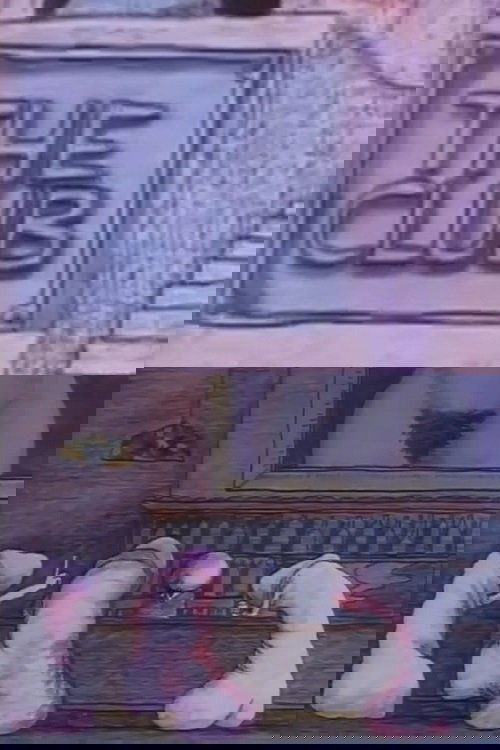
All the members of an old men's club are large phalluses.
The Club
For any harried parent who has ever been faced with having to put a recalcitrant child to bed, this very sweet and funny tale of nighttime shenanigans will resonate with rueful truth. From songs and stories, to toilet rituals, to creepy things under the bed, A LITTLE ROUTINE perfectly captures the many nuances of the parent-child war zone that is bedtime.
A Little Routine
"Super 8 reels of Paris catwalks I shot in 1979/1980 were supposed to become an experimental short meditation on couture culture. Its authority has unraveled some since and Deleuze’s definition of style: 'creating a foreign language in one’s own language,' encouraged me to loosen the threads of this pursuit. To ponder how fashion and style are interwoven but also influenced by individual flare and whimsy, I stitched together Coco Chanel, Courrèges, Cole Porter and Kaiser Karl with vintage film moments. Then, as now, to grasp the whole cloth of this interface involves finding, but also Losing the Thread…"
Losing the Thread
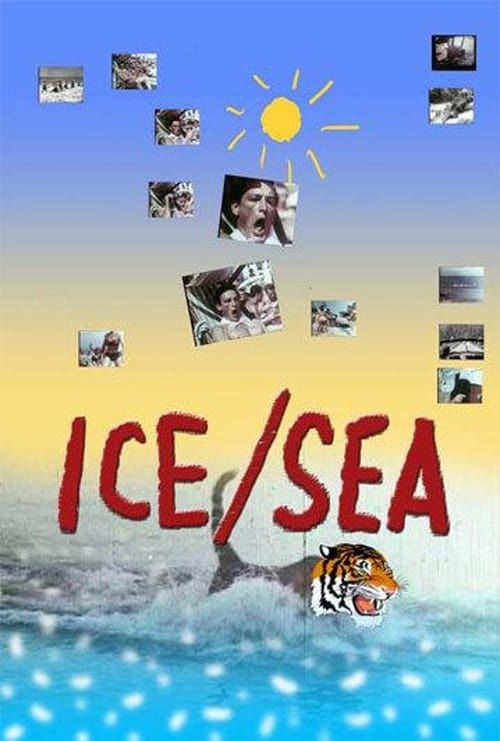
Funny collage of sea, sun and ice. A show from the beach with skiers, tigers, mermaids and much more.
Ice/Sea
Abstract exercise in pattern recognition.
Displacement
Like many of my films THUMBNAIL SKETCHES began as a flipbook. However this particular book didn't really flip. Each page instead of being one phase in a series (like a frame of film), contained a complete cycle of 8 drawings arranged in a rectangular ring. The reader had to construct the information conceptually not just optically as if it were a mosaic of abstract comic strip panels. The film begins with a 'live' prologue documenting the book's original form; then follows its destruction by scissors, a brief autopsy illustrating the mechanics of movement, and its eventual animated rebirth.
Thumbnail Sketches

Fantastical, larger-than-life puppetry and rambunctiously playful choreography is framed against an Edenic backdrop of Vermont farm country in George Griffin and DeeDee Halleck’s luminous, lyrical short film, which documents the 1974 edition of the Bread and Puppet Theater’s annual Domestic Resurrection Circus, taking place soon after the company’s relocation from downtown Manhattan to the rural New England enclave where it remains headquartered to this day.
The Meadows Green
A library patron with a really bad cough irritates another patron, who decides to retaliate.
The Reading Room
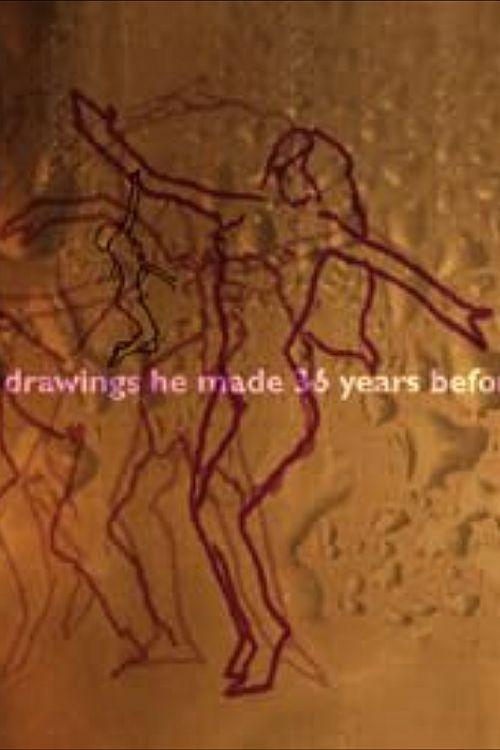
A woman behind a translucent, dripping shower curtain; a flipbook of memories of a romance from decades ago. Bach's music to round things out.
The Bather
Animator George Griffin recalls racial discord in his eastern Tennessee hometown. A collage of photographs, maps, interviews, cartoons, and jazz highlights the horrors of a hatred that reverberates to this day.
Coal Creek

Using a 1945 Charlie Parker song, American indie animator, George Griffin greets us with a dizzying dance of torn Pop Art images. Shreds of consumer culture flash before us, swayed and absorbed by the tempo and power of Parker's horn.