
Marilú Mallet
Directing
Biography
Marilú Mallet (born in Santiago 1944) is a Chilean film essayist. She went into exile in Canada in the 1970s, as did Angelina Vasquez in Finland and Valeria Sarmiento in France. She is one of the first female Chilean filmmakers, producing much of her work in exile.
Known For

Ten-year-old Sébastiana recounts the history and legends and explains the local customs of Andahuaylillas, Peru, a small village located high in the Andes. Their simpler way of life has persisted for over three centuries, undisturbed by modern society's technology and materialism.
Child of the Andes
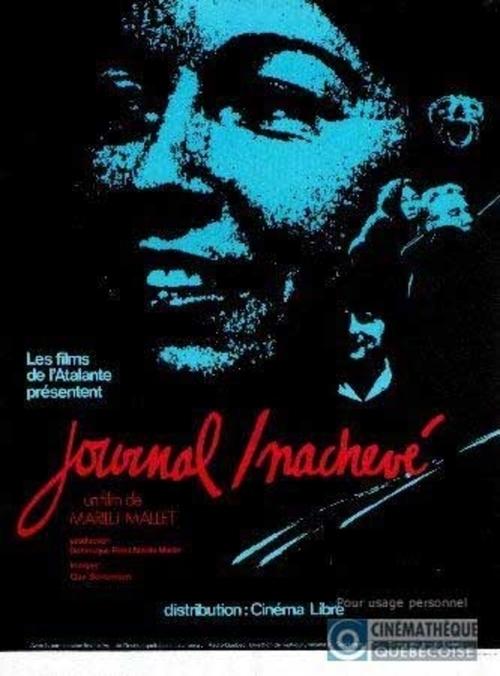
In this heartwarming docudrama, Chilean immigrant Marilú Mallet strives to make a film about her experience of deep isolation. Her English-speaking husband, a prominent film director, criticizes her subjective approach to filmmaking; her young son, raised in Quebec, speaks only French. Interviews with Isabel Allende and other Chilean exiles reveal a deep bond in this powerful and resonant film about language and genre, exile and immigration.
Unfinished Diary
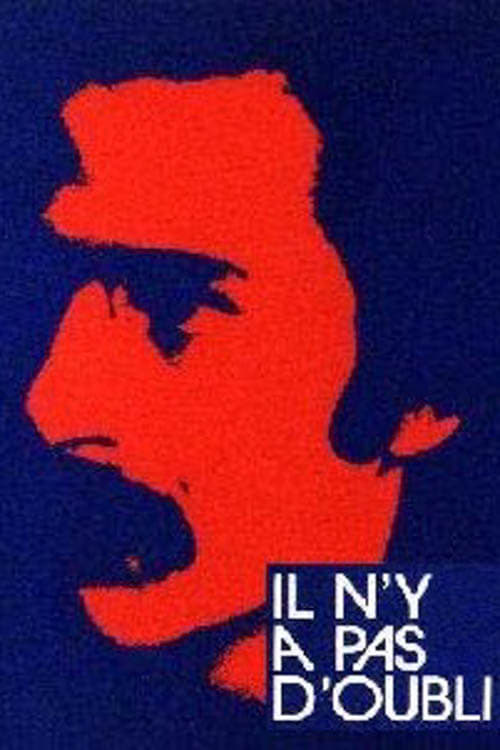
No hay olvido, composed of three parts, each directed by a young Chilean filmmaker forced to flee his country, is about the difficult condition of exiles in a specific political and social context, in this case, Quebec. The first part, entitled J'explique certaines choses, is in Spanish with French subtitles, and shows us more precisely the lifestyle of a group of Chileans. In Slowly, which forms the second part, we are asked, through Lucia, a young Chilean exile, the problem of integration into a new social environment. Finally, Jours de fer (Steel Blues), the third and only part available in English, is a cruel reminder of the harsh condition of the uprooted man who must find work at all costs to ensure his survival.
There is no forgetting
Two women from Montreal, from very different backgrounds, become great friends. Celeste, of Portuguese origin, sacrifices the love of her family to make her fortune in America. Catherine, single, dedicates herself completely to her double career as a journalist and harpsichordist, and dreams of starting her own family, without giving up her professional aspirations.
Dear America
No description available.
Geografía personal
Lucia has left her native Chile and is now living in Montréal, Canada. Here, she tries to start a new life as an art teacher while also dealing with the painful memories of the coup d'etat that overthew the democratically elected government of Salvador Allende and drove many Chilean into exile.
Lentement
No description available.
Au pays de la muraille enneigée
Documentary on the egalitarian religious community of Solentiname in Nicaragua, with an extensive intevew with its founder, the poet Ernesto Cardenal. The film describes the aim of the Solentiname community and explains, through a thoroug interview, the ideas about Christianity, militancy and Marxism of Cardenal.
The Gospel in Solentiname
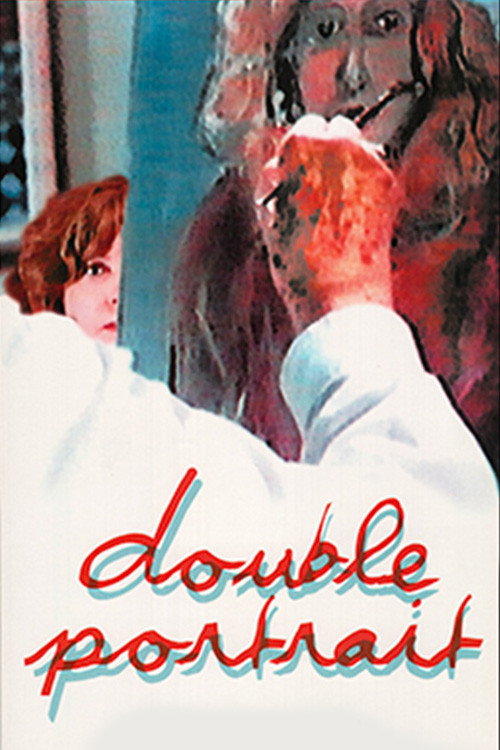
The painter María Luisa Señoret paints a portrait of her filmmaker daughter, while the latter films the process and walks among the canvases hanging on the walls of her mother’s studio. These movements become a pretext for a journey back in time that unveils the many twists and turns of Señoret’s eventful life.
Double portrait
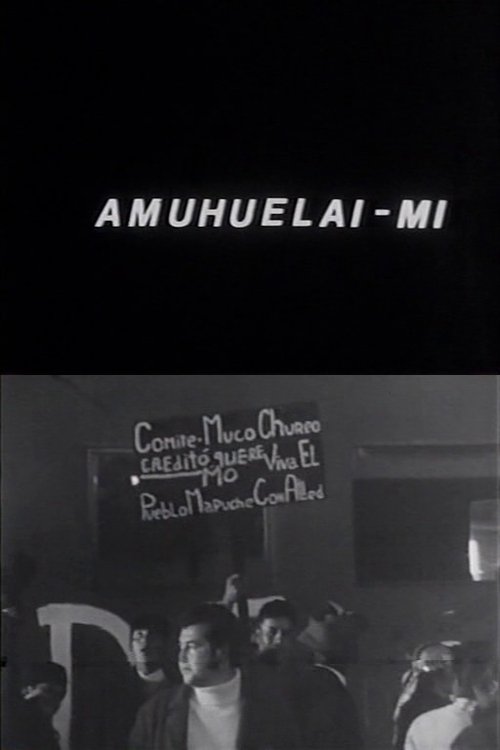
An early film by Marilú Mallet (as Maria Luisa Mallet) created for the Education Ministry's Department of Culture under Salvador Allende's Popular Unity government. The film combines images with intertitles that present the disparity in land distribution, economic opportunity, and civil rights between the indigenous Mapuche people and Chilean Whites/Mestizos. - KG
Amuhuelai-mi
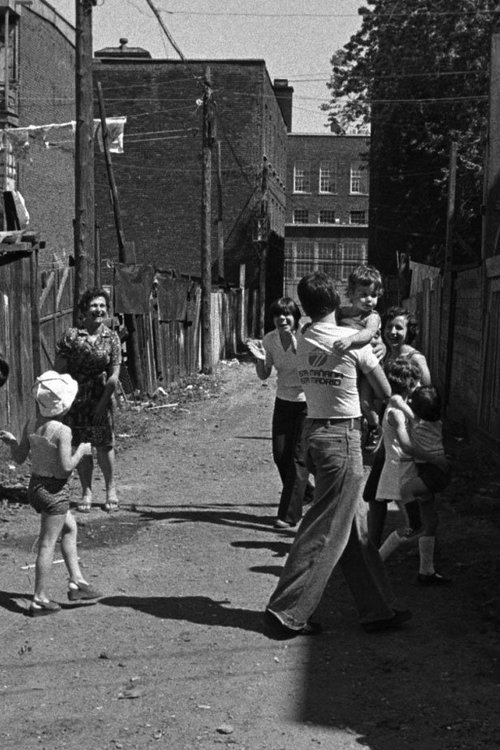
This film takes a look at the Portuguese community of some 30,000 people settled in Montreal, focusing in particular on the family of Manuel Borges, who arrived in Quebec in 1967. It thus portrays, with nuance and sensitivity, the issues arising from the immigrant condition and shows how one learns to live in a country one wishes to make one’s own.
Les Borges

Santiago, Chile. September 11, 1973. A military dictatorship seizes power and wields it for 17 years. Thousands of men disappear. "Donde estan? (Where are they?)," ask the women, their partners in la cueca, the traditional Chilean courtship dance. Surmounting their grief, the women speak out and struggle to restore democracy. Their lives suspended, they continue to dance la cueca sola, alone. This documentary by Marilu Mallet tells the stories of five women who suffered under dictatorship and emerged as heroes under democracy. The threads of the five stories are closely intertwined with the history of Chile, encouraging reflection on the burden of heritage, the relativity of happiness and the power of memory. Navigating through the past but firmly moored in the present, the film expresses an entire nation's faith in a future in which such a thing will never happen again.
La cueca sola
The filmmaker adapts "De mémoire incomplète", one of her own short stories, into a film that portrays the encounter of two people wounded by the past and by history, over the course of a day and a night on a street in Montreal. Past, present, imagination, and reality intertwine in the subjective vision of its protagonist, Ana María, as the Canadian city becomes a dreamlike landscape.