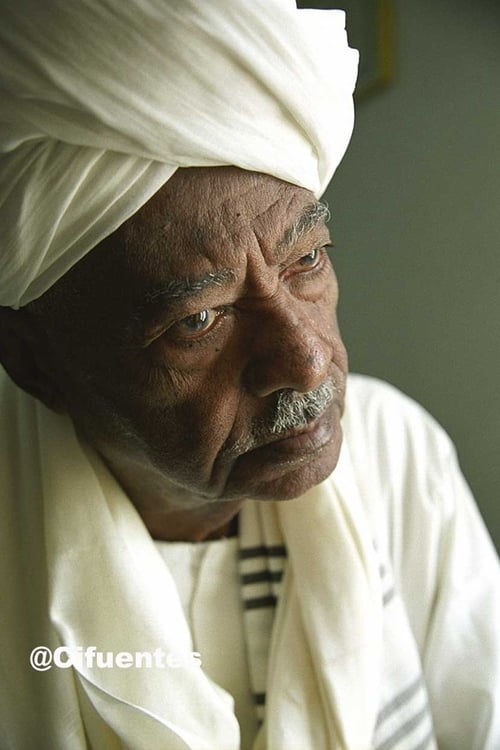
Gadalla Gubara
Directing
Biography
Gadalla Gubara (1921–2008) was a Sudanese cameraman, film producer, director and photographer. Over five decades, he produced more than 50 documentaries and three feature films. He was a pioneer of African cinema, having been co-founder of both the Pan-African Federation of Filmmakers FEPACI and the FESPACO Film festival (Ouagadougou, Burkina Faso). Gadalla Gubara's "oeuvre spans feature films, reports, educational documentaries, advertising films and home movies. He documented Sudan’s political and social developments for over 50 years, from independence in 1956 via the phase of socialist government and its policy of modernization all the way through to the proclamation of the Islamic laws in 1983, equally capturing the obvious deterioration in conditions for filmmaking that went hand in hand with this development."
Known For
The film builds up a portrait of a great Sudanese film-maker, Gadalla Gubara. At eighty-seven, he is one of the pioneers of cinema in Africa. He has recently lost his sight but still continues to film life in Sudan as no one before him. Through his oeuvre, Gadalla reveals to us a Sudan both mysterious and misunderstood. Despite censorship and lack of financial support over sixty years, he has produced cinema that is independent and unique in a country where freedom of expression is a rare luxury.
Cinema in Sudan: Conversations with Gadalla Gubara

The elder filmmaker makes a strong statement against the practices of circumcision as they performed around Africa and particularly Sudan. The film is typical of the later Gubara films which are determined to take a stand against the tyrannies that are still keeping people down. Gubara has stated that circumcision is "Nothing more than a bad habit".
Circumcized
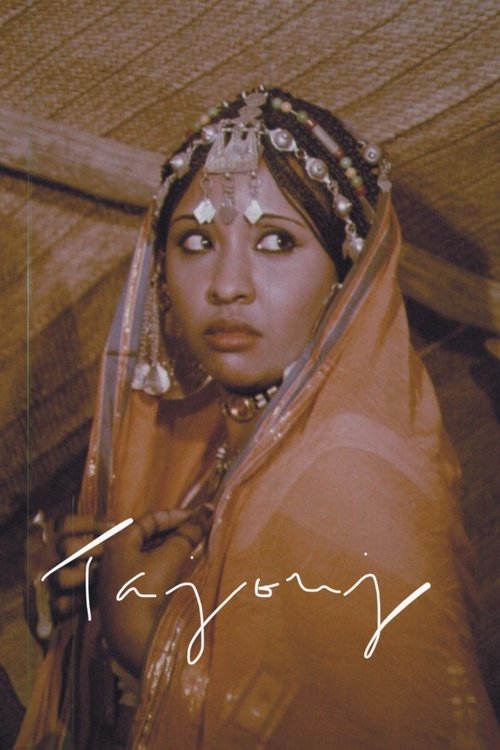
Beginning of the 20th century in the east of Sudan. Tajouj is the beautiful cousin of a young tribesman who falls in love with her and proclaims his love out loud in a song. However, the traditions of his tribe forbid such love, and his uncle refuses his request to marry Tajouj. But after the young man leaves the village and declares his remorse, the marriage is finally allowed after all. In the meantime, however, another man has expressed interest in Tajouj. A story full of jealousy ensues, which ends in tragedy.
Tajouj
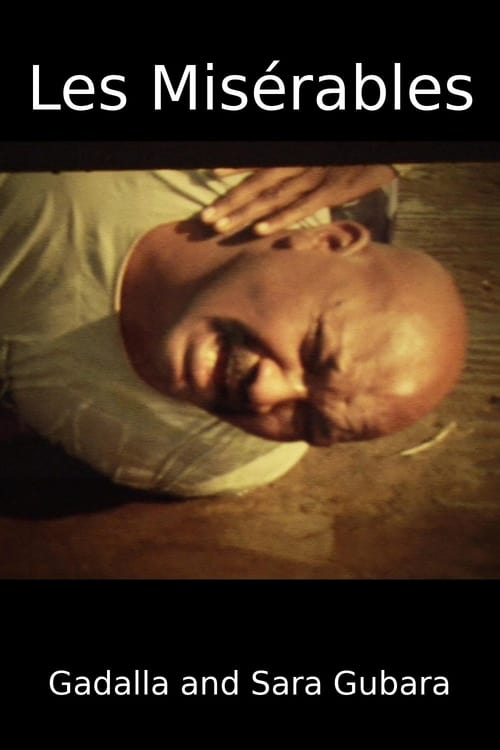
For his first feature film in many years, the legendary filmmaker from Sudan has chosen to adapt Victor Hugo's classic novel Les Miserables for an African audience in the Arab language. The esteemed actor Gamal Hassan assumes the character of Jean Valjean from who is a man driven to crime and nefarious activities after circumstances have driven him in this direction. However, with the help of others he manages an incredible transformation. Gubara clearly saw this narrative as a significant parable concerning the will to change perceived as crucial for the future of Sudan.
Les misérables
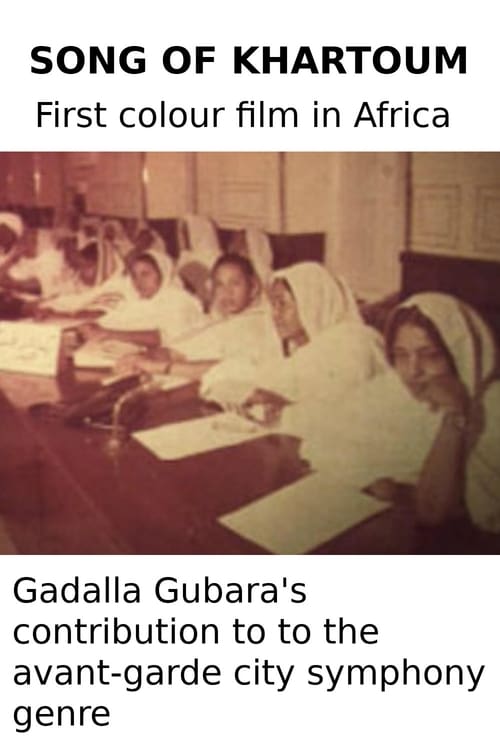
Gubara was proud of the first color film in African cinema, which attempts to give an African response to the city symphony genre by capturing disparate images of daily life in Khartoum and setting it to music, particularly romantic Arabic songs.
Song of Khartoum
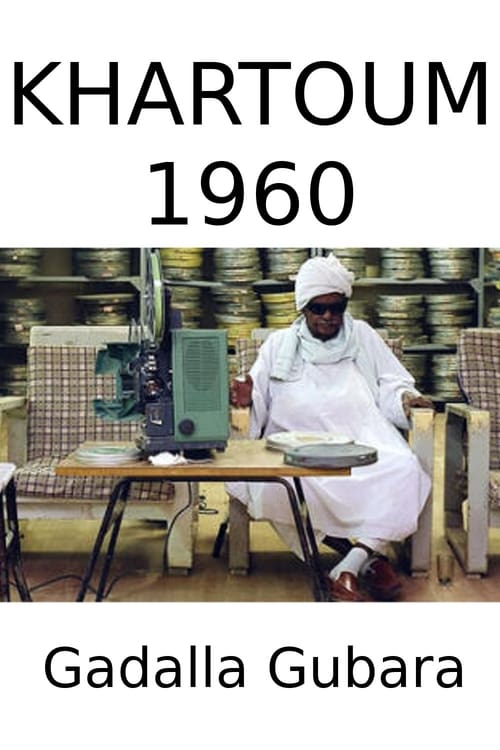
Although perhaps without foresight, Gubara seemingly set out to capture a historic picture of a city that today has completely vanished. He reveals to us the livelier place that Khartoum was before fateful circumstances turned it into a tough, surviving shell of its former self.
Khartoum 1960

In this documentary, we accompany Sara Gubara on a race between Capri to Naples as Sudan’s first international swimmer. At three years old, young Sara was stricken with polio, the family facing the bleak diagnosis that nothing could be done. Gadalla does not accept this fate, devoting himself to his daughter’s recovery. She was encouraged to swim and at twelve years old competes internationally. Moved by Sara’s incredible accomplishment, Gadalla made the documentary Viva Sara, which would later inspire the fiction film Sarahsarà (1994) by Renzo Martinelli. (Source: africanwomenincinema.blogspot)
Viva Sara!
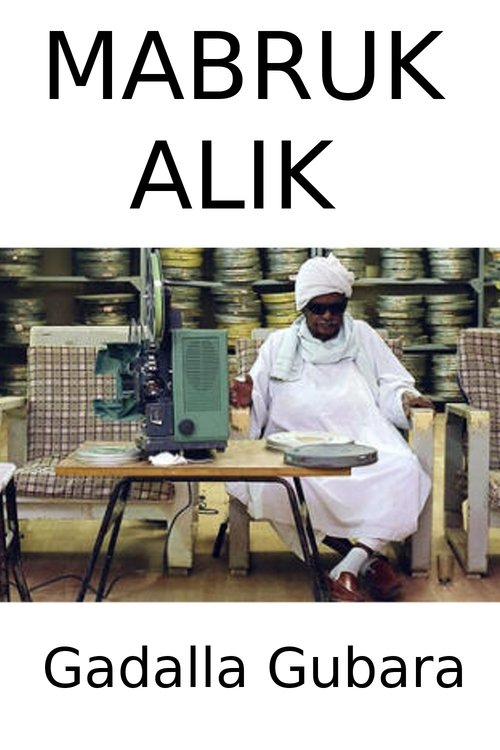
Film by Sudanese Filmmaker Gadalla Gubara. Mentioned in the Dictionary of African Filmmakers by Roy Armes, please if you have some information about this film consider adding it to TMDB or letting a comment in my list https://letterboxd.com/p_o_l/list/films-ive-added-to-tmbd/
Congratulations
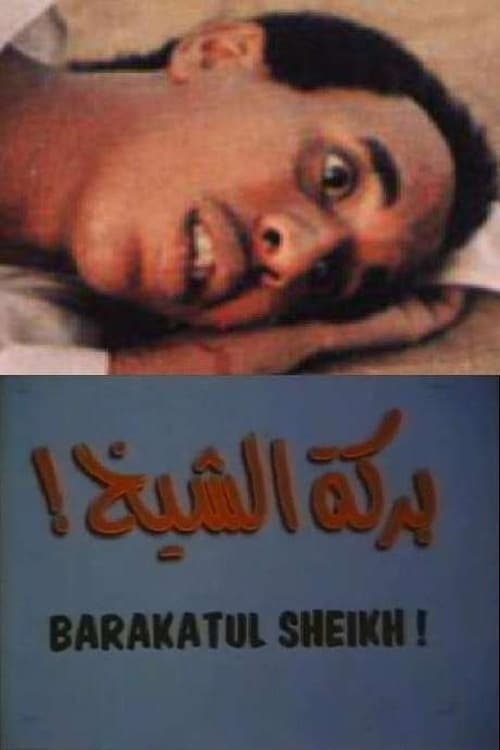
The film denounces the popular practice of witchcraft. Some impostors are able to deceive the villagers into believing that their Sheikh had murdered one of his disciples after discovering he had an affair with his wife. The Sheikh is driven from the village.