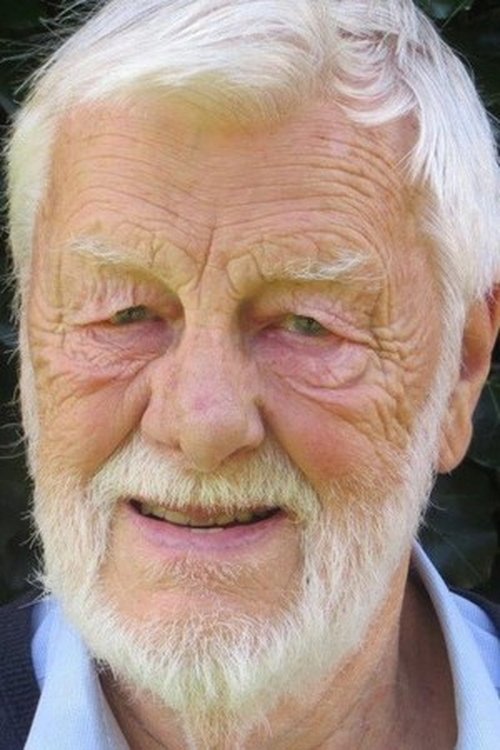
Rex Tasker
Production
Biography
Rex Tasker was born in 1933 in Herefordshire, England, UK. He was a producer and editor, known for Hunters and Bombers (1990), Steeltown (1966) and The Baymen (1965). He died on 24 July 2018 in Musquodoboit Harbour, Nova Scotia, Canada.
Known For
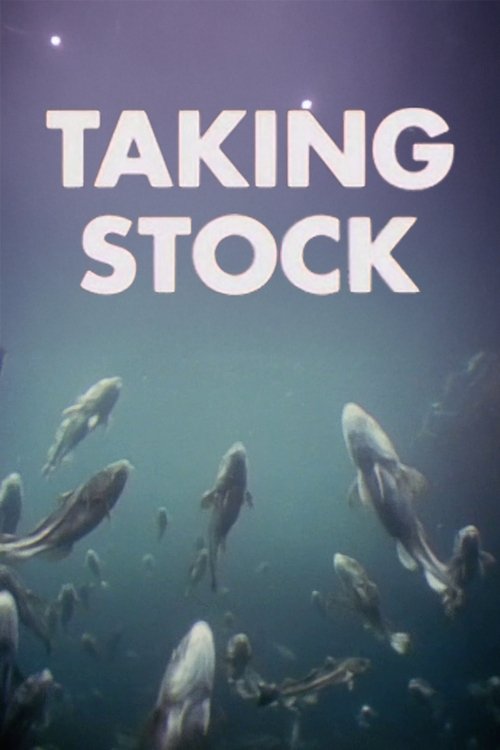
The cod fishery off the east coast of Newfoundland was a way of life, the backbone of society -- until it collapsed. A review of the history leading up to the crisis and the subsequent call for a moratorium of the northwest Atlantic cod fishery.
Taking Stock

A view from a helicopter of the ten Canadian provinces in 1966. The result is a big, beautiful and engrossing bird's-eye portrait of the country. Nothing here is quite the same as seen before, even Niagara Falls. Canadians will be thrilled by this panoramic view of familiar territory. Made for international distribution for the Canadian centennial.
Helicopter Canada
The film explores how the three British colonies of New Brunswick, Nova Scotia and Prince Edward Island became provinces of Canada and charts the subsequent decline of their economies after Confederation. Photographs, archival drawings, cartoons and interviews with Maritime historians are used to document the case.
Empty Harbours, Empty Dreams
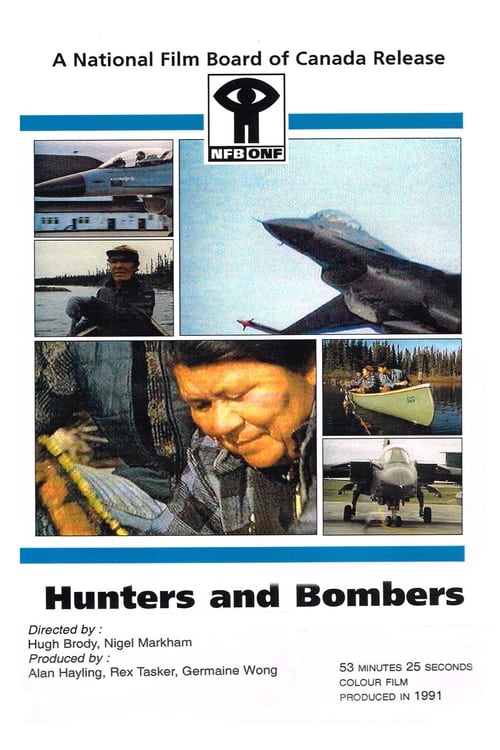
The hunters are the Innu people and the bombers are the air forces of several NATO countries, which conduct low-level flights over the Innu's hunting terrain. The impact of the jets is hotly debated by peace groups, Indigenous people, environmentalists and the military. But what is often overlooked are the many complex changes underway in Innu society, as social and technological changes confront a traditional hunting culture.
Hunters and Bombers
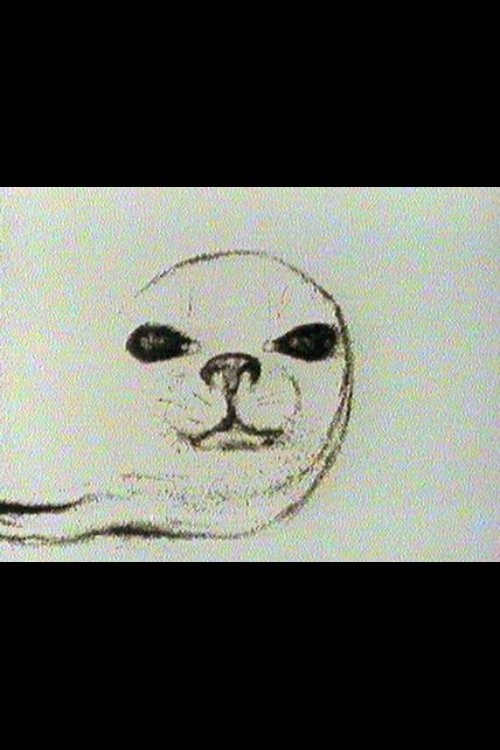
In this animated short the artist tells the story of an Inuit hunter who clubs a seal pup on the ice and then later dies himself. The film's ethereal images are created and transformed in sand.
Death in the Spring
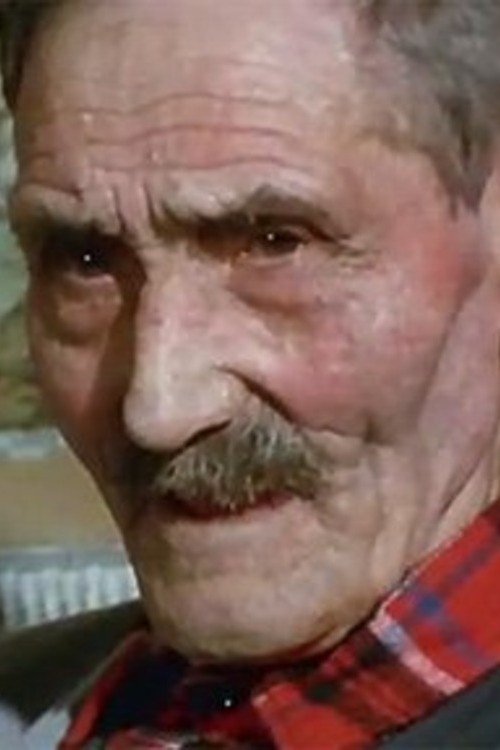
Baymen, no matter where they go, remain above all else Newfoundlanders. They were born to the sea, to a place in the life of their cliffside village, but many of the younger generation are now looking to the city for their future. The film, produced in 1965, follows a bayman's family to St. John's, showing what such a change means to father, daughter and grandfather.
The Baymen

Shows a campaign launched in Halifax in 1967 to probe the core of poverty in that city--low incomes, ill health and inadequate housing affect more than twelve thousand people in the central area. The project combines the efforts of local agencies with those of government agencies to alleviate these conditions.
Halifax Neighbourhood Center Project
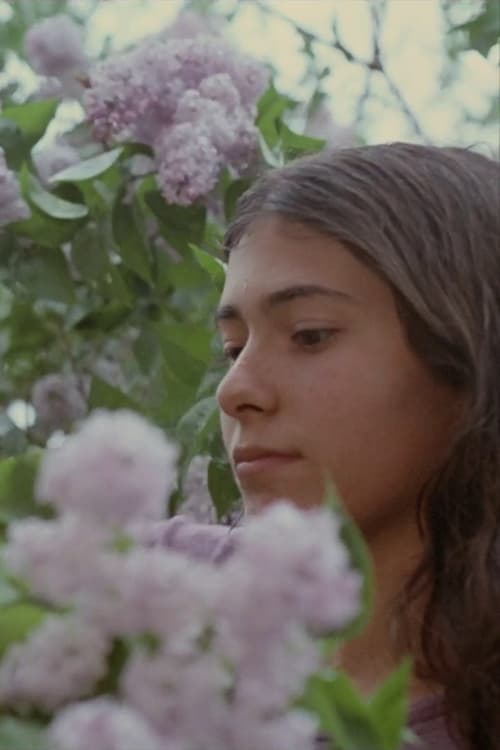
A film pastorale set in the early summer near Elora, Ontario, where music students practice out-of-doors. Lush green fields, towering elms and a rippling stream near an old farmhouse provide a rich setting for young musicians playing solo or in groups on flutes, strings, and piano. Music has charm indeed when the mood is of lilac and the sweet pipings of spring.
A Little Summermusik
Portrays Louis Robichaud, Canadian politician and former Premier of New Brunswick.
Robichaud
Follow two Canadians, Bob Lush and Mike Birch, aboard their yachts during the 1980 Observer Singlehanded Transatlantic Race. More than a record of this prestigious international sailing event, the resulting film is the starting point for an epic of challenge and determination.
Singlehanders
Newfoundland painter Gerald Squires has referred to his portraits as "confrontations," though not intending the hostility that word can convey. This film shows a meeting between the artist and Edythe Goodridge, art curator and critic. Through a combination of Squires's reflections on his life and work and the good-natured banter of these two friends, an intimate portrait evolves of the artist and his subject.
Portrait: Gerald Squires of Newfoundland

A cemetery in St. John, New Brunswick, Canada is seen through the eyes of its former superintendent.
Boo Hoo
After repeated attempts to obtain service from the public transportation authorities, these suburban Ottawa residents finally decided to do it themselves.
A Bus - For Us
This short documentary profiles 27-year-old Scoggie Watson, a Cape Breton stalwart who clings to the things he cherishes most: the waters of Lake Bras d'Or, his hand-built sailboat, his freedom, and the friends who stayed in Cape Breton instead of leaving for the big cities.
Scoggie

This 1964 documentary returns to the battlefields where over 100,000 Canadian soldiers lost their lives in the First and Second World Wars. The film also visits cemeteries where servicemen are buried. Filmed from Hong Kong to Sicily, this documentary is designed to show Canadians places they have reason to know but may not be able to visit. Produced for the Canadian Department of Veteran Affairs by the renowned documentary filmmaker Donald Brittain. (NFB)
Fields of Sacrifice

A portrait of Hamilton, the Pittsburgh or Birmingham of Canada. This is a rich and colourful subject that encourages imaginative treatment on the screen. The heart of the city is the immense complex of furnaces and rolling mills, but nearby are the lake, the mountain, and the rich fruit farms. How the work of the steel mills touches the city and its surroundings is shown in many views during both day and night.
Steeltown
Filmed for the most part from a low-flying aircraft, this documentary short presents a breathtaking view of Canada from coast to coast. Showing the varied terrain, from craggy coast to towering glacier, the film illustrates Canada’s pristine wilderness as well as today's industrial and urban realities. Canada the Land was specially commissioned for the Canada Pavilion at the Osaka World Fair in 1970.
Canada the Land
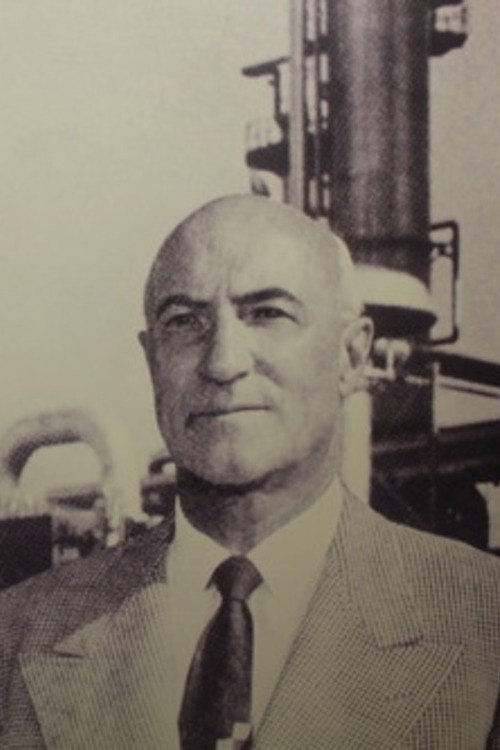
To anyone outside the Atlantic provinces, K. C. Irving is virtually unknown. Yet he is reputed to be the richest man in Canada, patriarch of a New Brunswick-based industrial empire involving oil, transportation, newspapers, lumber and much more. This one-hour documentary marks the first time a filmmaker has gained access to the legendary Irving, whose business career began in 1924 with the purchase of an oil truck. It is an absorbing look at a man who amassed great wealth as a by-product of his main objective: "to see wheels turn."
I Like to See the Wheels Turn
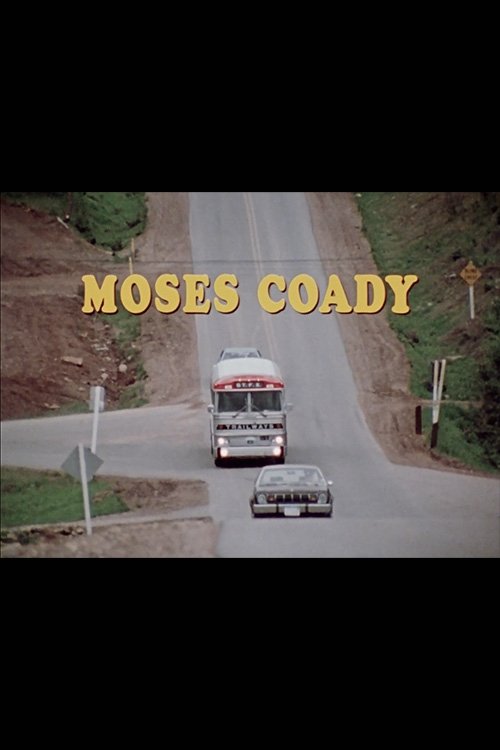
The film is about Moses Coady, who was called many things in his lifetime, but who proved to be the most effective social reformer Canada has known. He went into the villages, organized the people into study groups, helped them set up credit unions and co-operatives, and freed them from the semi-feudal conditions they lived in. Today, people from all over the world come to study his methods at the Coady International Institute in Antigonish, Nova Scotia. (NFB)
Moses Coady

Sailing ships on an open sea make an attractive sight, all the more to be valued because of their rarity. This film shows one of the Portuguese schooners that fished the Grand Banks off Newfoundland. From the moment the townsfolk turn out for the blessing of the ship and crew, to the time when the ship turns homeward with the season's catch--leaving one crewman in a Newfoundland grave--this film holds the viewer's attention on an ancient calling that will soon disappear.