FEEL IT.STREAM
?

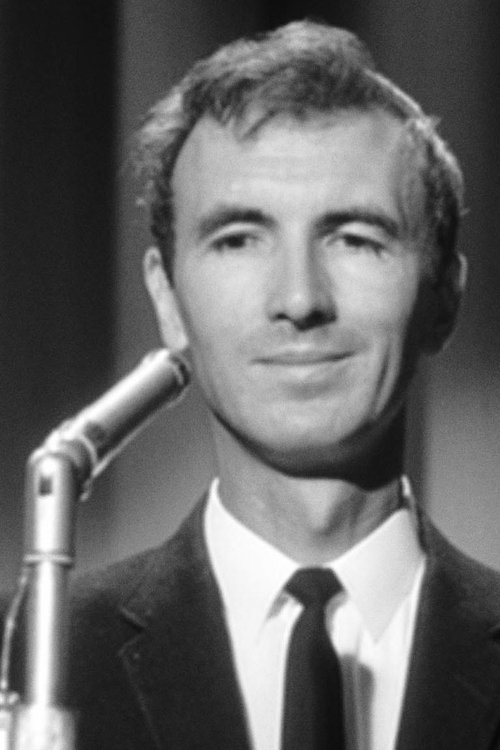
Eugene Boyko

Camera

Biography

Eugene Boyko (1923 – March 14, 2003) known to many as "Jeep", was a Canadian filmmaker who worked with the National Film Board of Canada. An early film of his, Helicopter Canada, was nominated for an Academy Award for Best Documentary Feature. Boyko started with the NFB in the early 1950s while it was still based in Ottawa. He moved with his wife Delia to Montreal when the head office was transferred. In 1986, he was diagnosed with Haemochromatosis shortly after reading a magazine article about the work of Marie Warder, founder of the Canadian Haemochromatosis Society. His cinematography credits include serving as director of photography of Donald Brittain's 1964 film Fields of Sacrifice. Fields was one of the films he was most proud of as it provided a sense of dignity of the fallen, without glorifying war. During the early 1970s he worked with a number of aboriginal film makers as part of the NFB efforts to help people tell their own stories, including the 1970 documentary film This Was the Time. He worked on films across Canada and around the world, including India, Afghanistan, Ghana and throughout Europe. His films won many awards, including a Canadian Film Award for his 1968 short film Juggernaut. He attended the Oscars when his film Helicopter Canada was nominated. The film was Canada's office centennial film. For two years he travelled across the country filming. The helicopter used was an Alouette II, chosen for its ability at high altitudes in order to be able to film in the western mountains. In the early 1970s he moved out to Vancouver, BC to be the technical producer for the NFB office. He eventually went back to his first love of being a hands-on film maker. He worked with many young film makers in British Columbia. During his time in Vancouver he worked on a number of films including directing Canaries to Clydesdales about two vets interior of the province as well as Pacific Highliner, about the fishing industry. Over his career he worked on close to 200 films in various capacities. Prior to getting into film he worked as a taxi driver, specialty welder and in aircraft factories mainly in BC and Ontario. He initially got into still photography by accident. A fare left a camera in the car one day and a little later in the day he came across a streetcar accident. He use the camera to take some photos and took them to the local paper. He was offered some work based on what they saw. He did stills work in Saskatoon for a while. One of his favourite things was to take photos of visiting bands. He was interested in music and played in a number of bands. Skilled like his father in woodwork and metal craft, he often developed special tools for film making, including a camera crane system. For a film about logging, he made a rig and pole system that allowed him to drop a film camera in a manner that simulated the falling of a tree. He died in Richmond, BC on March 14, 2003. He was survived by a daughter Debbie (DB) Boyko and son Lee Boyko, both of whom work in the cultural sector.
Known For

Grierson
7.3

A portrait of John Grierson, the first Canadian Government Film Commissioner and founder of the National Film Board in 1939. Interweaving archival footage, interviews with people who knew him and footage of Grierson himself, this film is a sensitive and informative portrait of a dynamic man of vision. Grierson believed that the filmmaker had a social responsibility, and that film could help a society realize democratic ideals. His absolute faith in the value of capturing the drama of everyday life was to influence generations of filmmakers all over the world. In fact, he coined the term 'documentary film'.

Grierson

1973
A Pinto for the Prince
9.0

In 1977, Prince Charles was inducted as honorary chief of the Blood Indians on their reserve in southwestern Alberta. The ceremony, conducted in the great Circle of the Sun Dance, commemorated the centennial anniversary of the original signing of Treaty 7 by Queen Victoria.

A Pinto for the Prince

1979
Norman Jewison, Film Maker
7.0

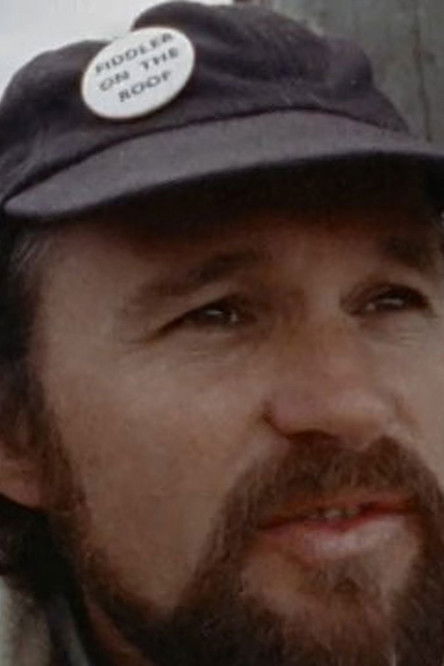
Toronto-born Norman Jewison first gained prominence producing for Canadian television, then went on to greater success making Hollywood theatrical features. In this film he is seen directing a large international cast and crew in the film version of the musical hit 'Fiddler on the Roof'. Between scenes, Jewison talks freely about many aspects of the film industry and some of his experiences in it. A candid study of a director in action.

Norman Jewison, Film Maker

1971
No image
8.0

A jetliner spans the miles, sheering through clouds to open sky and scenic vistas of the provinces below. Glimpses of town and country, of people of many ethnic origins, of a resourceful and industrious nation - impressions it would take days and weeks to gather at first hand - are brought to you in this vivid 1800-kilometer panorama.

Trans-Canada Journey

1963
Impressions of Expo 67
8.0

This short film served as an invitation to the World's Fair that was held in Montreal in 1967. It was largely considered to be the most successful World's Fair of the 20th century with over 50 million visitors. The film presents impressions of the event and of Montreal at its liveliest and most exciting moment in history.

Impressions of Expo 67

1967
No image
7.0

An aging union leader, after a lifetime of service for the cause, finds that he has outlived his usefulness and esteem among the workers of his factory, that times have changed and a new strategy is needed in bargaining with the company.

Do Not Fold, Staple, Spindle, or Mutilate

1967
This Was the Time
8.0

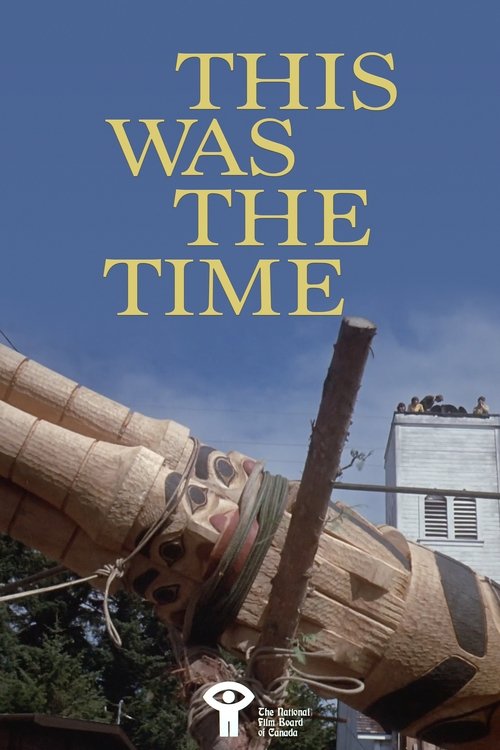
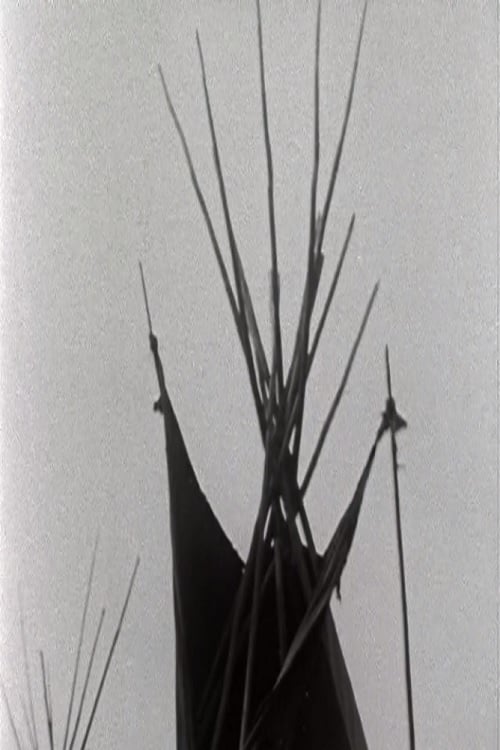
When Masset, a Haida village in Haida Gwaii (formerly known as the Queen Charlotte Islands), held a potlatch, it seemed as if the past grandeur of the people had returned. This is a colourful recreation of Indigenous life that faded more than two generations ago when the great totems were toppled by the missionaries and the costly potlatch was forbidden by law. The film shows how one village lived again the old glory, with singing, dancing, feasting, and the raising of a towering totem as a lasting reminder of what once was.

This Was the Time

1970
Fighter Wing
9.0

Fred Davis introduces us to Canadian Air Force operations in Zweibrucken, West Germany. Follow Green Section as they perform drills and explain what it takes to be a fighter pilot.

Fighter Wing

1956
Western Brigade
N/A

This short dramatic film illustrates a cooperative program of fire protection that was carried out across Alberta in the late 1950s. It presents the problems inherent in a voluntary fire brigade, as well as the everyday heroes who step up and get the job done. The film is an entertaining look at how a crew that was once considered to be the joke of the town can evolve into the best fire brigade in the West.

Western Brigade

1958
Sons of Haji Omar
10.0

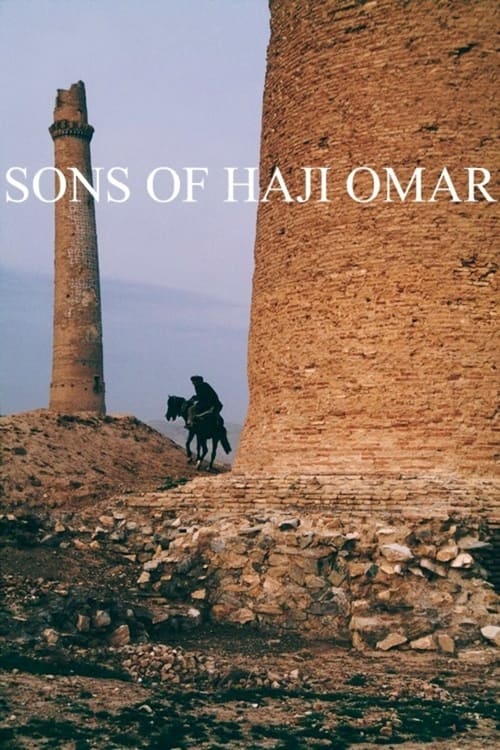
Haji Omar and his three sons belong to the Lakankhel, a Pashtoon tribal group in northeastern Afghanistan. The film focuses on his family: Haji Omar, the patriarch; Anwar, the eldest, his father's favorite, a pastoralist and expert horseman; Jannat Gul, cultivator and ambitious rebel; and Ismail, the youngest, attending school with a view to a job as a government official.

Sons of Haji Omar

1978
Opening Speech
7.0

Norman McLaren attempts to give the opening speech for the first Montreal International Film Festival, but his microphone won't cooperate.

Opening Speech

1969
No image
10.0

In 1968, a convoy set off to transport a Calandria, the 70-ton core of a Canadian nuclear reactor, to Rajasthan in India. Even the largest semi-trailers could not keep up with this transport, which drove over specially reinforced roads and through city walls that had been demolished to make room.

Juggernaut

1968
Helicopter Canada
7.0

A view from a helicopter of the ten Canadian provinces in 1966. The result is a big, beautiful and engrossing bird's-eye portrait of the country. Nothing here is quite the same as seen before, even Niagara Falls. Canadians will be thrilled by this panoramic view of familiar territory. Made for international distribution for the Canadian centennial.

Helicopter Canada

1966
Fields of Sacrifice
7.0

This 1964 documentary returns to the battlefields where over 100,000 Canadian soldiers lost their lives in the First and Second World Wars. The film also visits cemeteries where servicemen are buried. Filmed from Hong Kong to Sicily, this documentary is designed to show Canadians places they have reason to know but may not be able to visit. Produced for the Canadian Department of Veteran Affairs by the renowned documentary filmmaker Donald Brittain. (NFB)

Fields of Sacrifice

1963
The World of One in Five
7.0

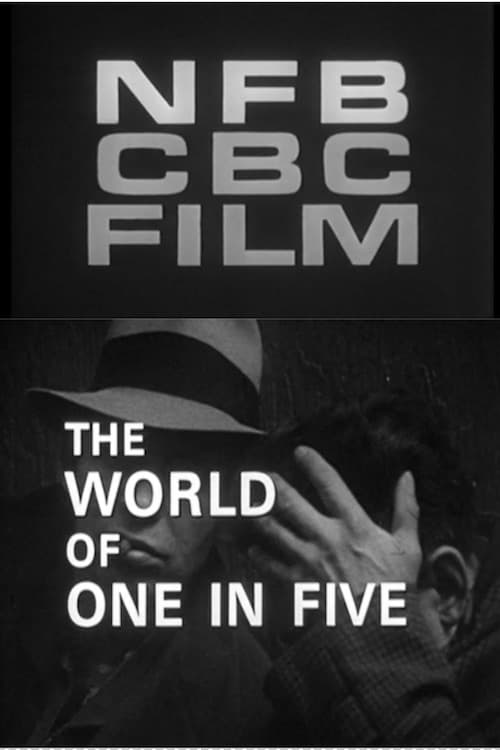
A fifth of Canadians live at the subsistence level. This is a look at that world, where the street is home, and where poor shelter, poor food, poor schools and poor health are the only certainties of life. Children, old people, the sick and the drifters are caught in it. It is a world filmed throughout Canada so that people who are not part of it can see it, think about it, and maybe help to change it. (NFB site)

The World of One in Five

1967
No image
8.0

This documentary film is an exploration of Québec’s feature film industry. The film takes a look at the people who have succeeded in this unique milieu (Geneviève Bujold is one) or failed; at its movies, which run the gamut from hard-core skinflicks to such highly acclaimed films as Mon Oncle Antoine, and at its audiences, which number in the millions.

OK ... Camera

1972
Les Habitations Jeanne-Mance
6.5

Documentary on the revitalization of a housing complex in a working class neighborhood of Montreal. Modern housing has now replaced the old, sagging and overcrowded houses. There is fresh air, light and hope. Habitations Jeanne-Mance, a bold way to renovate a city: a perfect example of the collaboration that can exist at the federal, provincial and municipal levels.

Les Habitations Jeanne-Mance

1963
The India Trip
9.0

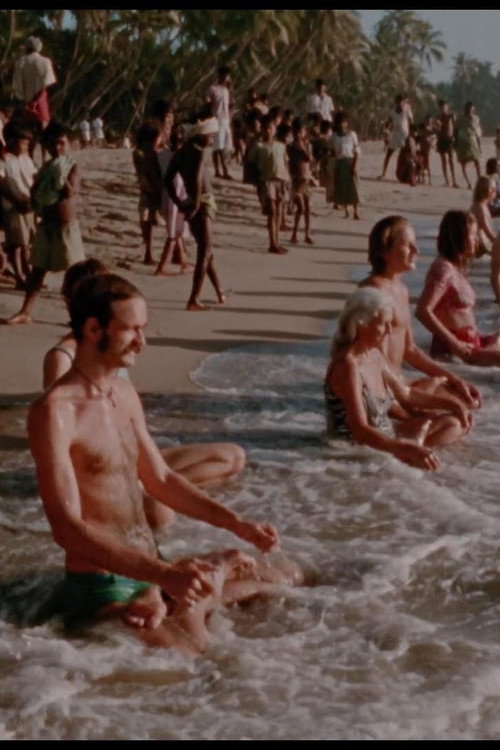
This documentary is a portrait of modern-day Pondicherry, an ancient city near the southern tip of India.

The India Trip

1971