Acting
No description available.
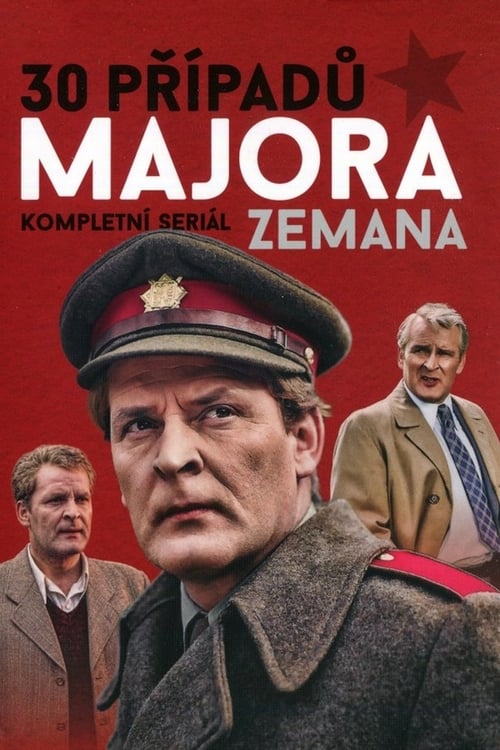
Thirty Cases of Major Zeman is a Czechoslovak action-drama television show intended as a political propaganda to support the official attitude of the communist party. The series were filmed in the 1970s. Each episode encompasses one year, and investigations are stylized to that year. Most are inspired by real cases. The series follows the life of police investigator Jan Zeman during his career from 1945 to 1975.
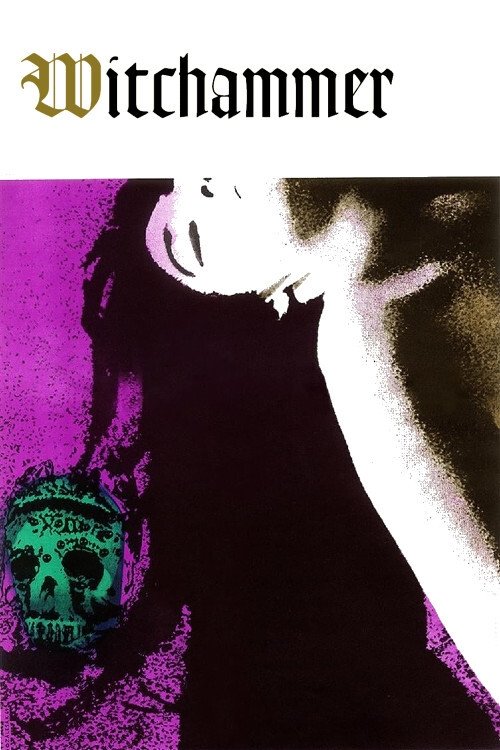
In the 1600s, an overzealous clergy hauls innocent women in front of tribunals, forces them to confess to imaginary witchery, and engages in brutal torture and persecution of their subjects.
Muž na radnici was a Czechoslovak television program which was broadcast in 1976. The program was directed by Evžen Sokolovský. In 2011, it was announced that the program, along with 17 others, would be released on DVD within three years.
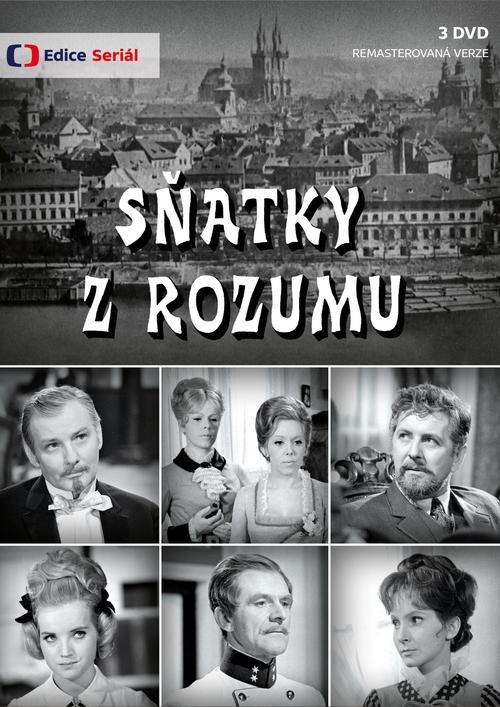
Sňatky z rozumu was a Czechoslovak television programme which was first broadcast in 1968. The programme was directed by František Filip.
Cast out by his father, young Ondrej joins the Order of the Teutonic Knights, where he is raised by strict monk Armin. After years of hardship, Ondrej escapes from the Order when he is wrongly punished, and sets out for his former home. Arriving to discover his father to be dead, Ondrej now not only assumes control of his father's properties, but seeks to marry his former stepmother.
A ballad story from the life of the inhabitants of the Moravian Beskydy Mountains. The heroine is a young woman, Františka Plesníková. Františka's lover was killed by a falling tree before he could marry her, and the girl faced the bitter fate of a "roll" of illegitimate mother. Františka fought with all her might for a better life for her son Metúdek. For his sake, she eventually married an old widower farmer, Podešva. However, she soon realized that her marriage had not benefited either herself or her child.
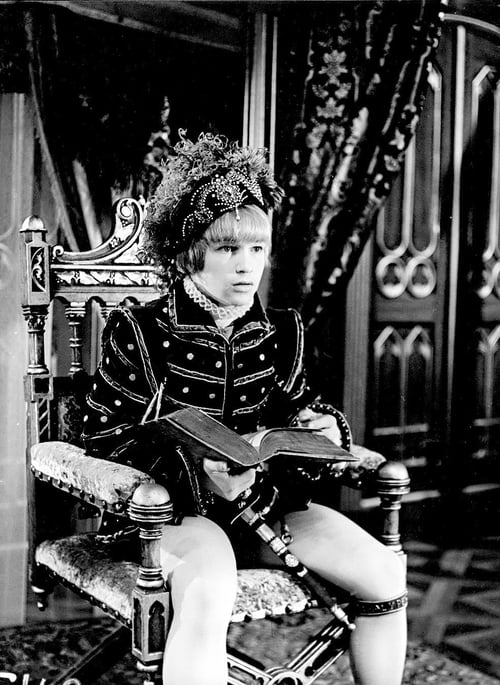
A prince meets a young man to whom he bears a striking resemblance. The two exchange places and learn to be better people in the process.
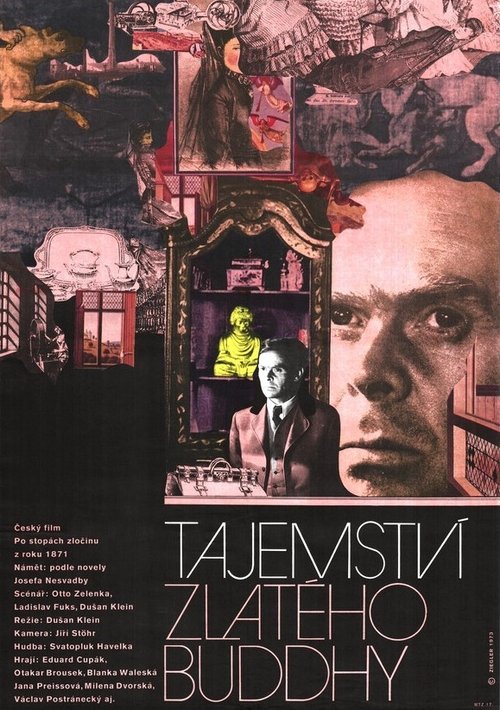
A crime story set in the second half of the 19th century. Krasl, a Prague schoolteacher, is searching for a statue of the Golden Buddha, which is supposed to contain compromising materials on the factory owner Riessig.
A painter, whose art and views diverge considerably from the conventional society of a small American town, is suspected of murdering his wife. When passions are unleashed against him during a local election, he saves his life by fleeing to a cave in the nearby forest and from there, with the help of children whose trust he has gained, he organizes a successful search for the real murderer in the form of a children's game.
The film was based on the novel "Milión" by Karel Štorkán. The book and the film depict the events surrounding the great construction disaster in Prague in 1928, in which 46 construction workers died. The disaster thrilled the entire republic at the time, yet was never fully explained. The filmmakers focus on the story of Ing. Vondrák, the designer of the construction.
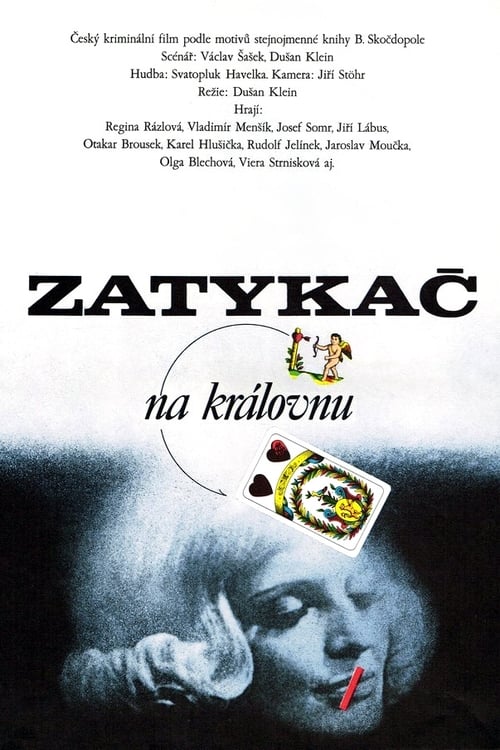
Captain Záruba investigates after an anonymous tip flags the seemingly extravagant lifestyle of Chemotex technician Dagmar Králová. Summoned to discuss the matter, Králová’s quarrel with engineer Vaněček, who secretly runs a suburban bootleg alcohol factory, triggers panic among the illicit network led by hotelier Černý. When Králová is found dead near the site of a murdered hitchhiker, autopsy reveals a different killer, launching parallel murder investigations. Forensic teams uncover the clandestine distillery, and gradually piece together motives and perpetrators behind both deaths.