Acting
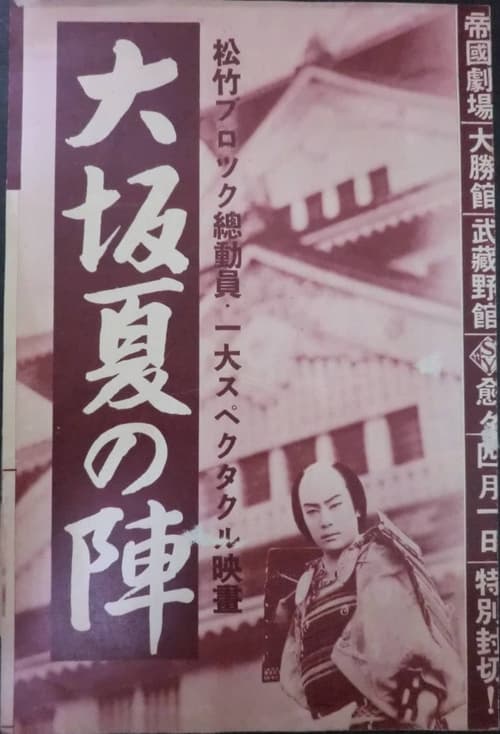
The Siege of Osaka
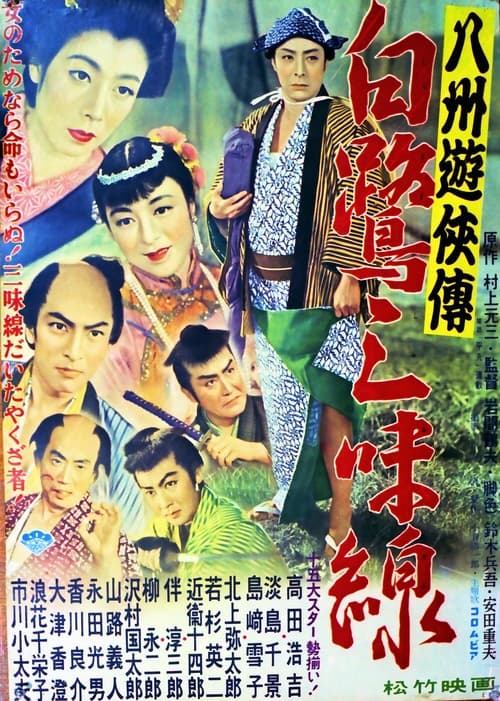
Shinzaemon has been Sukeroku’s enemy ever since Sukeroku fought and defeated gangs from Shinzaemon’s group at a Kabuki theatre over Agemaki from Miuraya. Sukeroku swears that he will never draw his sword until he finds his family’s treasured blade, Tomokirimaru, so he gets insulted often by Shinzaemon’s men. Bunzaemon redeems Agemaki for Sukeroku ahead of Shinzaemon, but Sukeroku, ever the gentleman, does not accept. When Shinzaemon snatches Agemaki, it is found that he has Tomokirimaru.
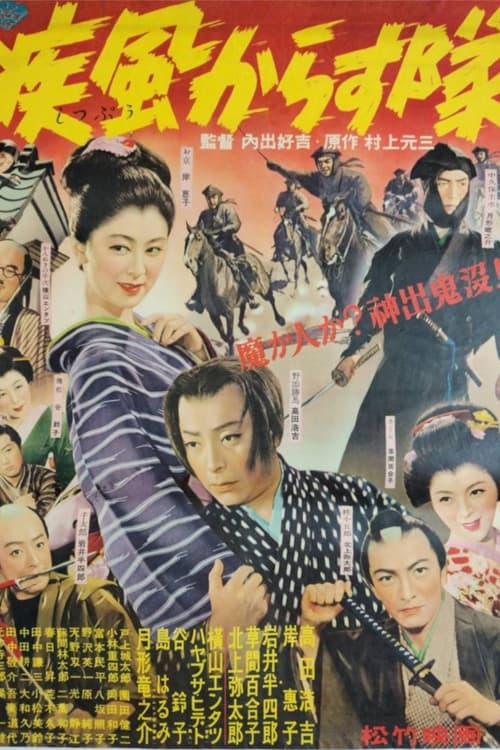
During the end of the shogunate, there was a group of black-clothed masked samurai known as the "Crow Squad" who resisted the shogunate's oppression, taking down key figures one by one. During a Go game with a visitor named Seki Hikonoshin, the government inspector, Nozoe Minbu, was attacked and killed by what appeared to be the Crow Squad. The witness, Yoshi Goro, was also injured by their blade. Minbu's son, Katsuma, returning from a trip, learned of this and, along with his sister Sakura, vowed revenge.
Produced by Shochiku’s all-star cast as a commemorative film to mark the completion of the “Shochiku Kaikan” in Tsukiji, Tokyo, this movie introduces both the Shochiku Ofuna and Kyoto studios. Part One focuses on the studio’s behind-the-scenes staff: set designers, prop masters, and lighting technicians. Part Two presents a digest-style overview of the process surrounding a young woman who auditions for the “New Faces” program, from the auditions to her debut as an actress.
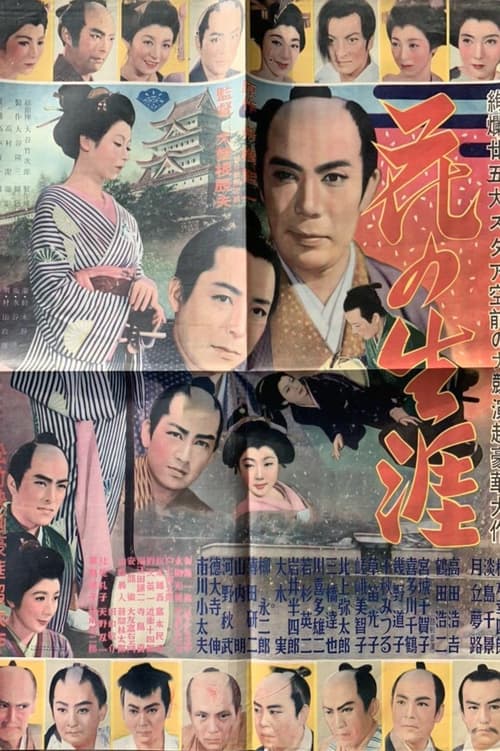
In 1842, in the Umemoku Mansion within Hikone Castle, Naosuke Ii, despite the tumultuous times, was engrossed in the world of tea ceremony. His friend, the Kokugaku scholar Nagano Shuzen, introduced him to a captivating shamisen master named Murayama Taka. Naosuke became deeply infatuated with her, disregarding the jealousy of his consort Shizu and the warnings of his senior retainer, Gaiji. However, upon discovering Taka's relationship with Shuzen, Naosuke promptly ended his ties with her.
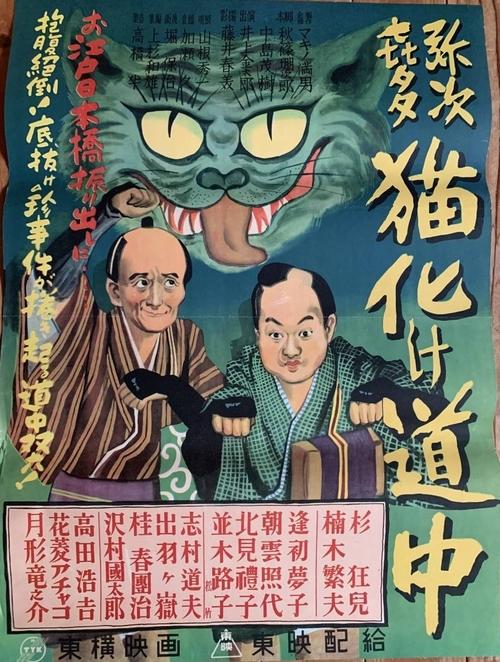
Film about Ghost-cat.
Two cowardly palanquin carriers know the culprit of a murder, but are too scared to report it to the police. In the meantime, an innocent man is arrested as the murderer and chaos ensues.
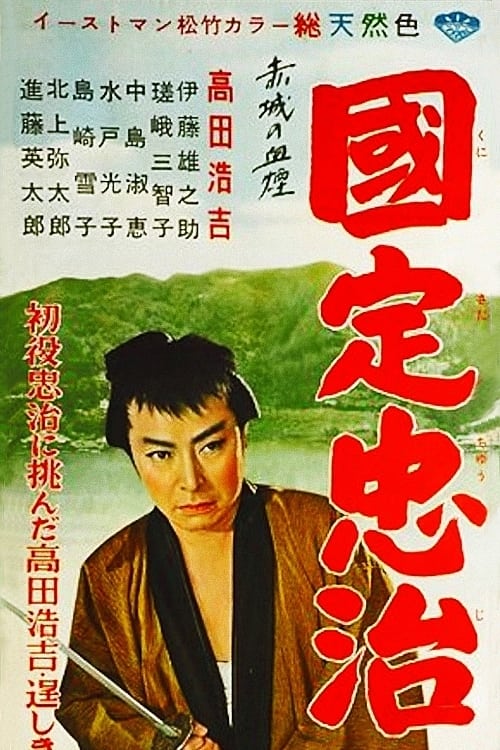
Chuji Kunisada runs into strange adventures which tests his skill as a samurai as he untangles intrigue and murder against the backdrop of the majestic Mount Akagi.
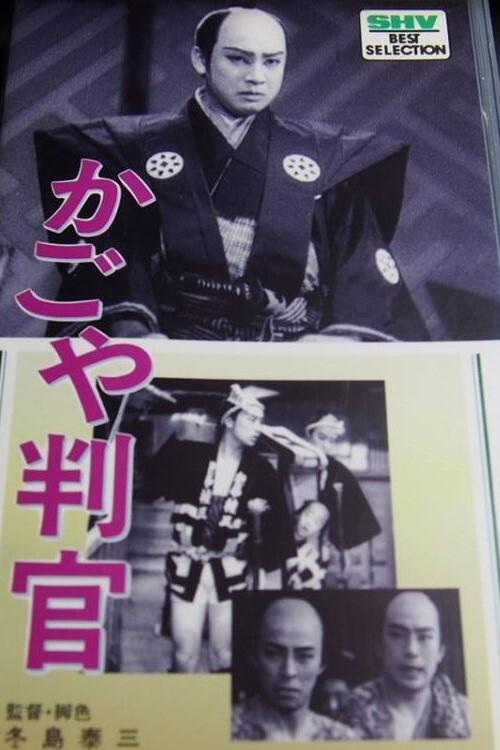
Hatamoto Ooka Gentaro was deeply committed to a future with a beautiful girl named Omachi, a relationship facilitated by his love of the shamisen. Omachi was stalked by a ronin named Akiyama Kanosuke, and at one point, Gentaro and Akiyama dueled at Matanuiyama, but the confrontation was left unresolved when Omachi, sensing urgency, called the authorities. Meanwhile, Gentaro's uncle, Kii-no-kami, concerned about Gentaro's whereabouts, ordered him to investigate a conspiracy by Tachibana Tadama, a tyrannical director of Hachijo who exercised his power oppressively in Shimousa Iioka. Gentaro attempted to leave on a journey with Omachi but was obstructed by his uncle's retainers.
A melodrama about a businessman's relations with the three women in his life.
No description available.
Shochiku's commemorative 3000th film production; a suspenseful period drama.
This 1932 adaptation is the earliest sound version of the ever-popular and much-filmed Chushingura story of the loyal 47 retainers who avenged their feudal lord after he was obliged to commit hara-kiri due to the machinations of a villainous courtier. As the first sound version of the classic narrative, the film was something of an event, and employed a stellar cast, who give a roster of memorable performances. Director Teinosuke Kinugasa was primarily a specialist in jidai-geki (period films), such as the internationally celebrated Gate of Hell (Jigokumon, 1953), and although he is now most famous as the maker of the avant-garde silent films A Page of Madness (Kurutta ichipeji, 1926) and Crossroads (Jujiro, 1928), Chushingura is in fact more typical of his output than those experimental works. The film ranked third in that year’s Kinema Junpo critics’ poll, and Joseph Anderson and Donald Richie noted that 'not only the sound but the quick cutting was admired by many critics.
In late 19th-century Tokyo, Kikunosuke Onoue, the adopted son of a legendary actor, himself an actor specializing in female roles, discovers that the praise he receives is only due to his status as his father's heir. Devastated, he turns to Otoku, a servant of his family, for comfort, and they fall in love. Kikunosuke becomes determined to leave home and develop as an actor on his own merits, and Otoku faithfully joins him.
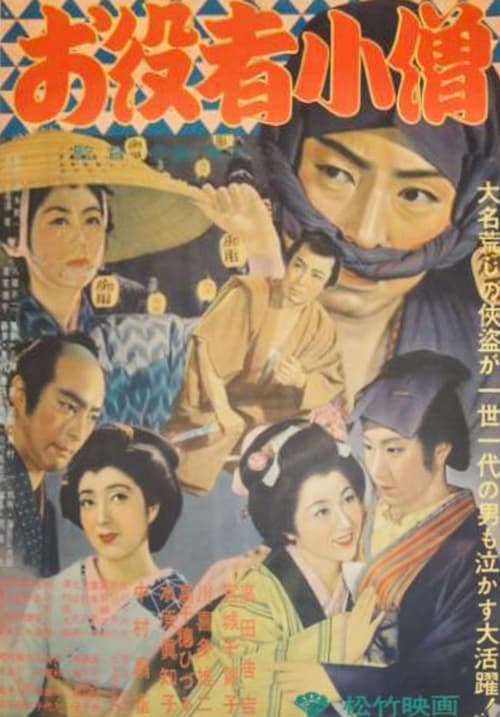
The phantom thief, known as the "Actor Kid", who was creating a stir in the Daimyo's mansion, especially in the inner chambers, was called Inaba Goutaro. He was the adopted son of a samurai, Inaba Buemon. An incident occurred where his foster father collided with the palanquin of the lord's concubine. In the subsequent altercation, Goutaro killed one of the attendants. Taking responsibility for the act, his foster father committed seppuku, and Goutaro was hunted down. Facing death, his foster father revealed to Goutaro that after the death of his biological father, Goutaro's real mother and his younger brother were forcibly made to serve a lord. This revelation ignited Goutaro's determination to infiltrate the Daimyo's mansion to meet his birth mother.
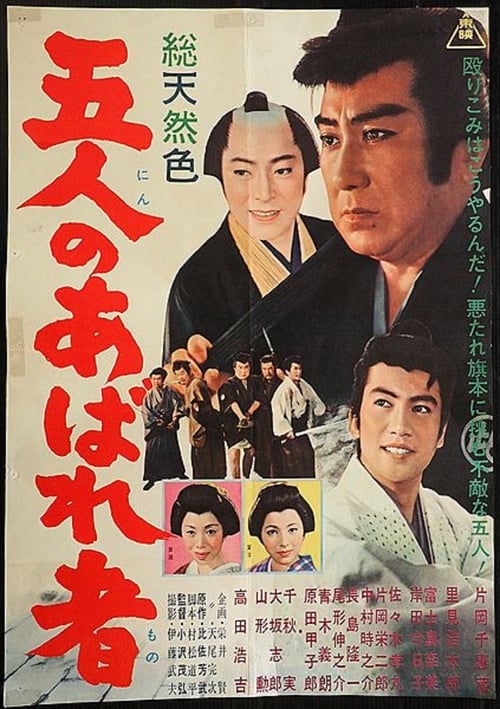
The story of five easygoing Yakuza who come together to save the live of a young innocent girl, Oichi, from an evil vassal.
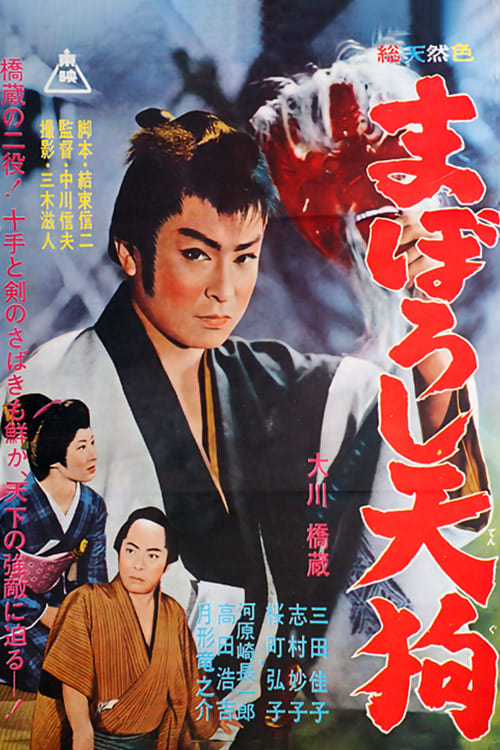
An injured Edo official is rescued by a vassal whose appearance is exactly like himself, and swears to sweep out the criminals from the town on his behalf.
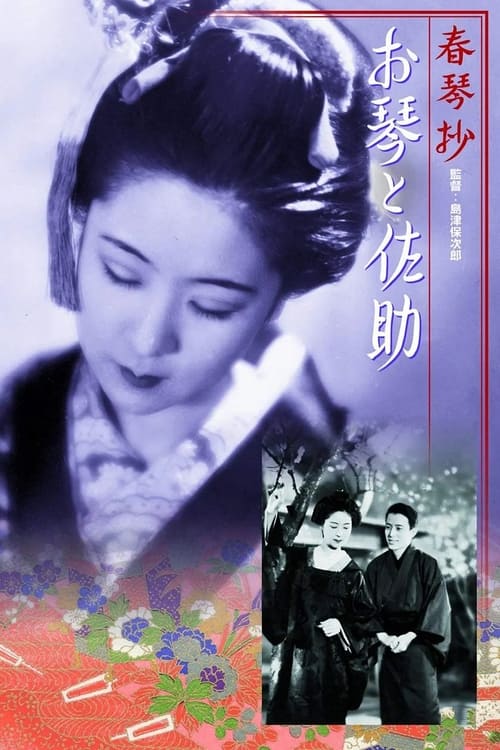
A period piece about the love of a wealthy blind woman, a teacher of koto and shamisen, and her devoted manservant. Based on a novella by Tanizaki Junichiro.
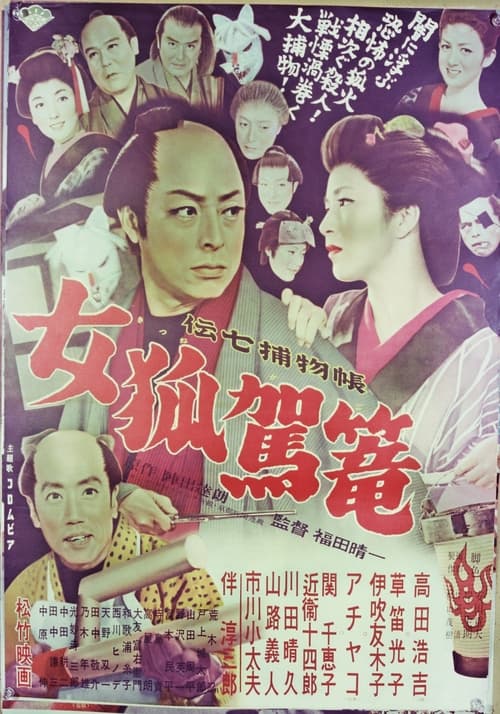
One night in Edo, a mysterious woman in a palanquin appeared at the moneylender Yamashiroya, revealing herself to a beautiful woman. She told the owner, Shigebē, that she had come to collect a life he owed from twenty years ago and then left. The same night, Maruiya Genbē also received a visit from the woman's palanquin, and nearby, a man named Manbē was murdered. The detective Hayanawa Gohē concluded the murder was the work of a fox spirit, but another detective, Den Shichi, skeptical of this theory, noticed footprints on the tatami and decided to investigate further.
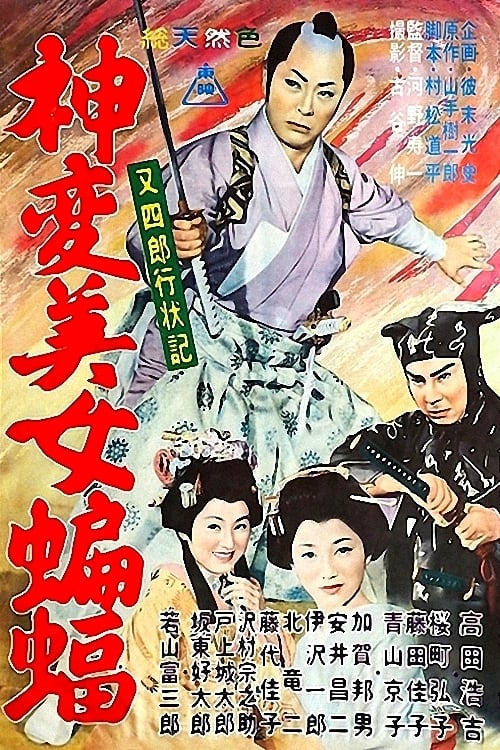
Rampant ronin Matashiro Sasai, finds himself embroiled in serious unrest after he rescues a geisha who is being kidnapped by a group of ronin.