Gary Kildea
Directing
Known For
BBC series exploring cultures around the world.
Under the Sun
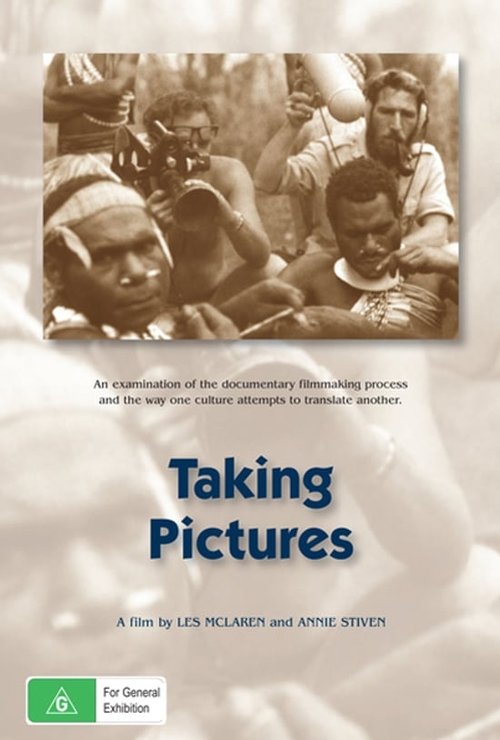
Before the 1970s, the Commonwealth Film Unit represented the people of PNG in a paternalistic way, as curiosities. The unit used pompous voice-overs telling viewers what they should believe. Les McLaren and Annie Stiven are two of a group of Australian filmmakers who have lived and worked in PNG during the past 25 years and who see their roles rather differently. Through their films, they have endeavoured to reflect Papua New Guineans' complexity of thought, language and culture, using a wide variety of filmic styles and techniques. The film features interviews with a variety of Australian filmmakers who have worked extensively in PNG, including Bob Connolly and Robin Anderson, Chris Owen, Dennis O'Rourke and Gary Kildea. This documentary is a fascinating tracing of PNG culture and history from the 1930s until today.
Taking Pictures
A companion to Yumi yet, O’Rourke and Kildea’s Ileksen (derived from the English 'election’) documents Papua New Guinea’s first general election in 1977. The film records a broad cross-section of candidates who, without an extended media network at their disposal, rely on relentless campaigning, ingenuity and personal charisma to attract votes. Emphasising the divide between coastal people and highlanders, Ileksen looks at the election campaign, election day and the political manouvering that goes with the formation of a government.
Ileksen: Politics in Papua New Guinea
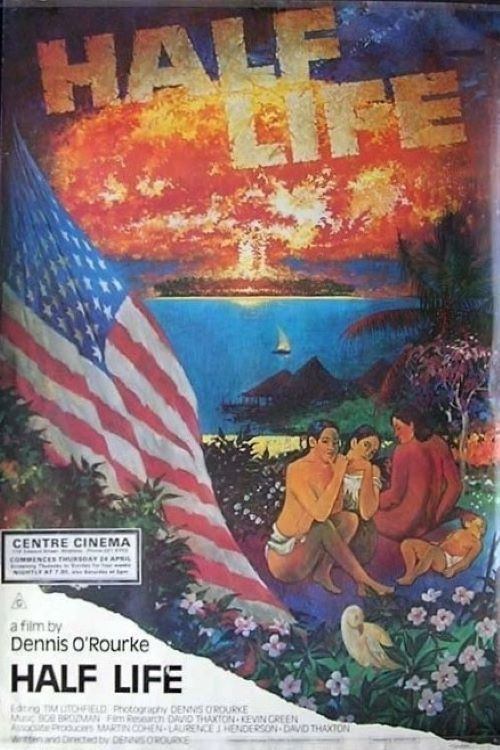
Dennis O’Rourke’s documentary investigates the 1954 Castle Bravo hydrogen bomb test in the Marshall Islands and its long-term consequences. Combining declassified U.S. military footage, archival material, and interviews with Marshallese islanders and American servicemen, the film recounts how radioactive fallout affected residents of Rongelap and Utirik Atolls and explores the political and scientific context of Cold War nuclear testing.
Half Life
Reveals how Australia's first people are still suffering from social oppression, with many living on reservations where alcoholism is rampant and unemployment the major occupation. Aboriginal land rights are a central theme: Miller clearly demonstrates the contrast between the attitudes of European Australians, who see the land only as a resource to be mined, farmed, grazed and built upon, and Aboriginal Australians, who regard the land as sacred. Archival footage compares the original lifestyle of Aboriginal Australians to their current pitiful condition, and shows how European settlers attempted to "civilise" mixed blood children by taking them away from their parents and enrolling them in boarding schools.
Couldn't Be Fairer
An anthropological documentary about the people of the Trobriand Islands and their unique innovations to the game of cricket.
Trobriand Cricket
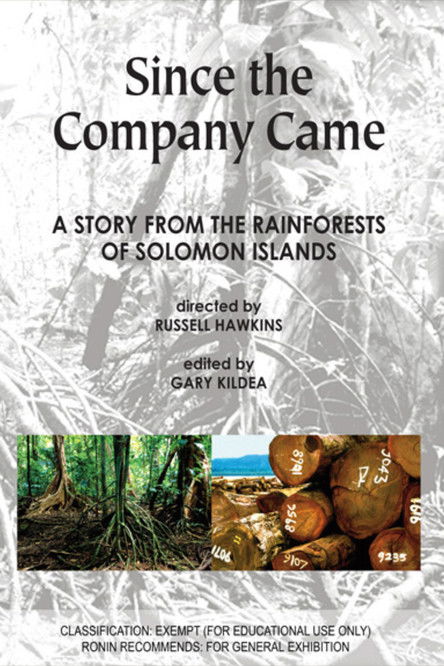
A Solomon Islands community struggles with some unexpected consequences of a logging operation. The men of Rendova Island embrace the chance to be part of the modern economy; but the women are concerned for the forests and traditions that sustain their families. As Rendova's forest rapidly disappears, the loggers set their sights on a deserted island held sacred by the villagers. Through evocative archival images, 'Since the Company Came' questions the ongoing legacy of colonial attitudes to land and people.
Since the Company Came
Valencia Diary is the chronicle of a Southern Philippine village at a time when daily life was charged with tension at the impending collapse of the Marcos regime.
Valencia Diary
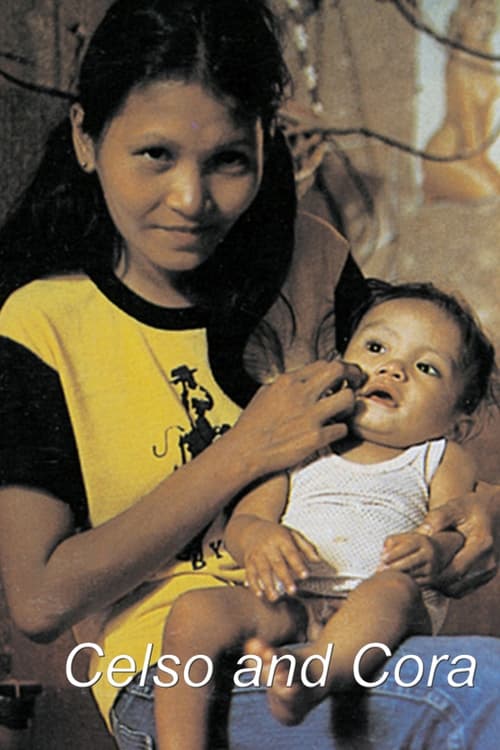
A documentary of a young couple and their two children living in a squatter settlement in the Philippine capital, Manila. Rather than just a report on poverty, this is a universal story of people experiencing everyday events with a mixture of humor, irritation, weariness, and courage. Cora and Celso make a living selling cigarettes at night outside a downtown hotel in defiance of City regulations. The film follows their lives over a three-month period, beginning with Cora's attempt to find a new room for the family after they have been evicted from their previous home. Later, Celso and Cora face a crisis in their own relationship aggravated by the stresses of their daily life.
Celso and Cora
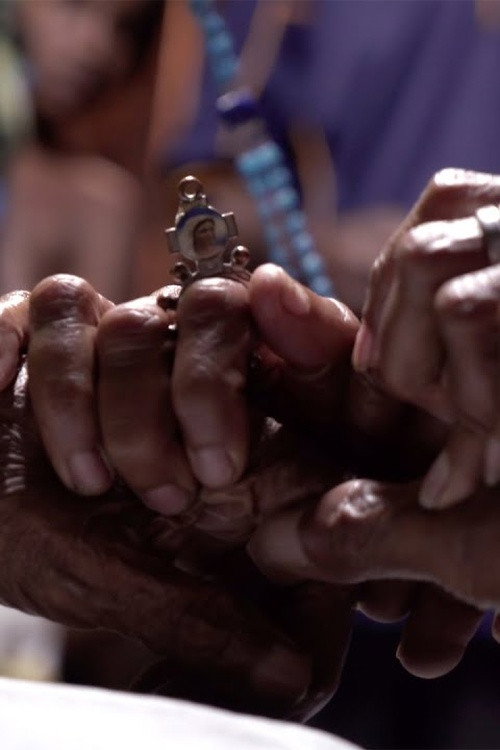
Anthropologists Otto and Suhr explore how people in two very different cultures—the Netherlands and Baluan Island, PNG—grapple with the universal question of life after death. Their journey reveals not only diverse beliefs, but also their own limits of open-mindedness, moments of skepticism, and struggles to embrace unfamiliar ideas.