Acting
Natural World is a nature documentary television series broadcast annually on BBC Two and regarded by the BBC as its flagship natural history brand. It is currently the longest-running series in its genre on British television, with more than 400 episodes broadcast since its inception in 1983. Natural World is produced by the BBC Natural History Unit in Bristol, but individual programmes can be in-house productions, collaborative productions with other broadcasters or films made and distributed by independent production companies and purchased by the BBC. Natural World programmes are often broadcast as PBS Nature episodes in the USA. Since 2008, most Natural World programmes have been shot and broadcast in high definition.
Live & Kicking was a BBC Saturday morning children's magazine programme, running from 1993 to 2001. The fourth in a succession of Saturday morning shows, it was the replacement for Going Live!, and took many of its features from it, such as phone-ins, games, comedy, competitions and the showing of cartoons. Once Live & Kicking had become established in series two, it reached its height in popularity during series four, when it was presented by Zoë Ball and Jamie Theakston; their final episode won a BAFTA award. After this the series ratings dropped with the launch of SMTV Live on ITV and was eventually cancelled in 2001.
David Attenborough presents a documentary series exploring how animals meet the challenges of surviving in the most iconic habitats on earth.
Narrated by Josh Gad, journey high into the rainforest canopy of Southeast Asia where a magnificent and mysterious community filled with playful personalities lives. Witness the exhilarating action, heartwarming encounters, and a closeup look at a stunning jungle teeming with wildlife as the inquisitive adolescent orangutan Indah prepares to leave her family and venture out on her own for the first time.
Africa, the world's wildest continent. David Attenborough takes us on an awe-inspiring journey through one of the most diverse places in the world. We visit deserts, savannas, and jungles and meet up with some of Africa's amazing wildlife.
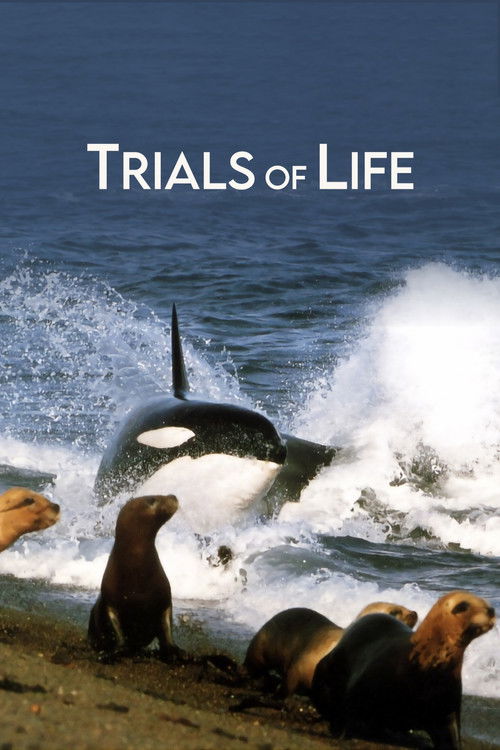
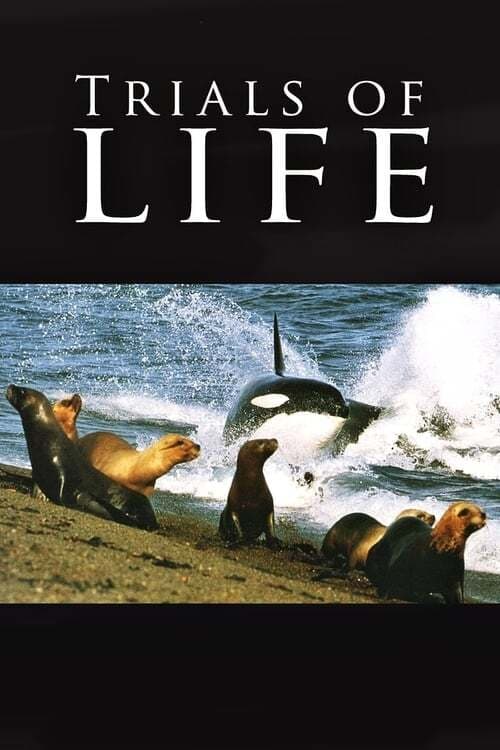
Each of the twelve 50-minute episodes features a different aspect of the journey through life, from birth to adulthood and continuation of the species through reproduction.
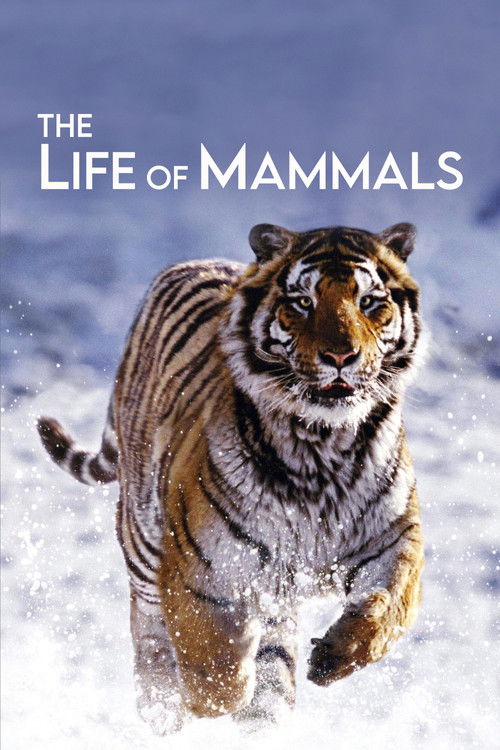
David Attenborough presents a nature documentary series looking at why mammals are the most successful creatures on the planet.
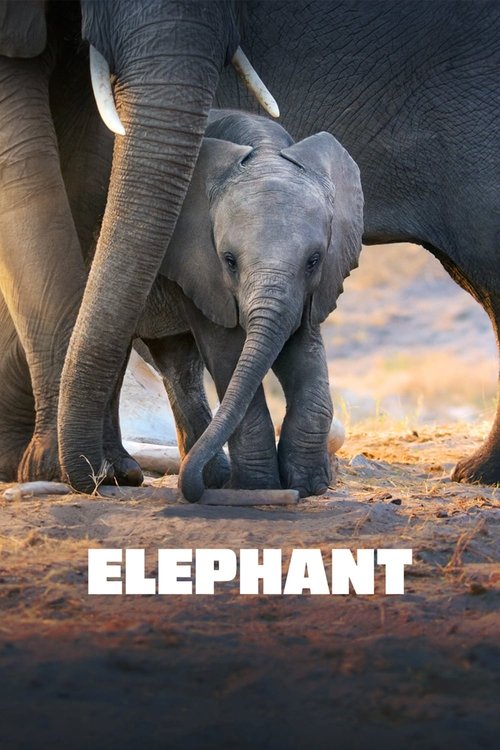
Disneynature’s Elephant follows African elephant Shani and her spirited son Jomo as their herd make an epic journey hundreds of miles across the vast Kalahari Desert. Led by their great matriarch, Gaia, the family faces brutal heat, dwindling resources and persistent predators, as they follow in their ancestors’ footsteps on a quest to reach a lush, green paradise.
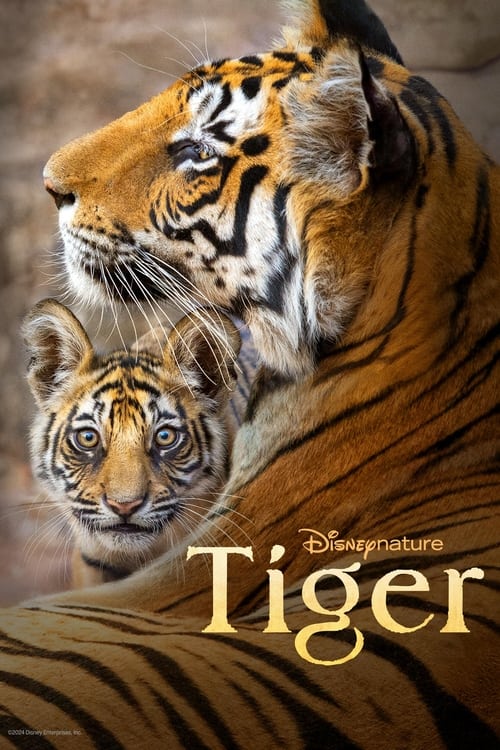
Journey alongside a young tigress raising her cubs in the fabled forests of India.
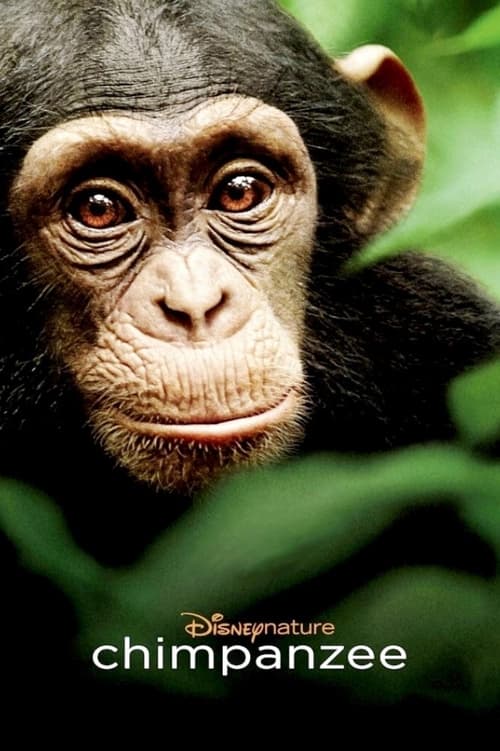
A nature documentary centered on a family of chimps living in the Ivory Coast and Ugandan rain forests. Through Oscar, a little chimpanzee, we discover learning about life in the heart of the African tropical forest and follow his first steps in this world with humor, emotion and anguish. Following a tragedy, he finds himself separated from his mother and left alone to face the hostility of the jungle. Until he is picked up by an older chimpanzee, who will take him under her protection.
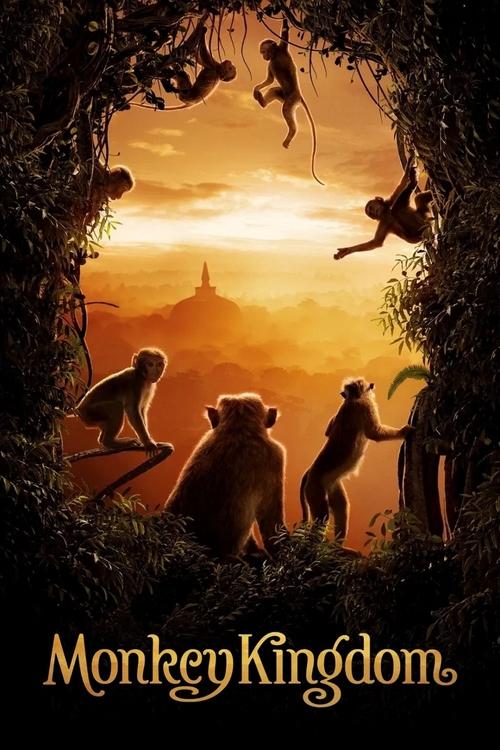
A newborn monkey and its mother struggle to survive within the competitive social hierarchy of the Temple Troop, a dynamic group of monkeys who live in ancient ruins found deep in the storied jungles of South Asia.
Follow filmmakers as they capture the epic journey of African elephants across the Kalahari desert. The team faces extreme weather, inaccessible terrain, crocodile-infested waters and close encounters with lions in order to shine a light on these remarkable creatures and their ancient migrations.
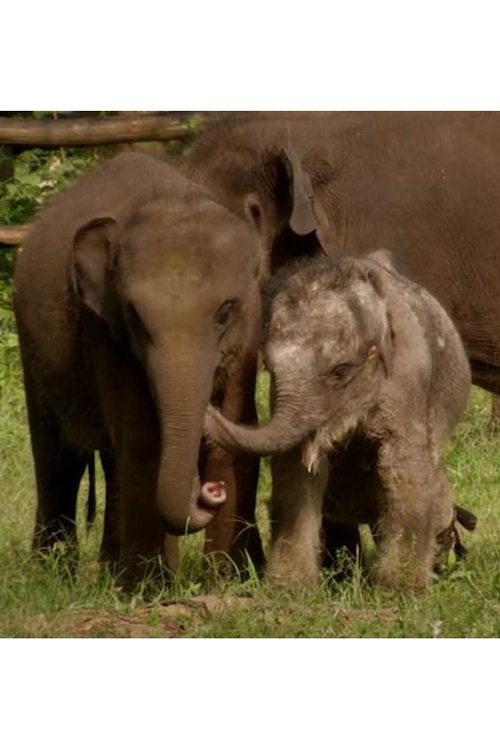
Story of an elephant family
Behind the scenes of the documentary series The Trials Of Life showing how some of the footage was captured and interviews with the experts that informed them.
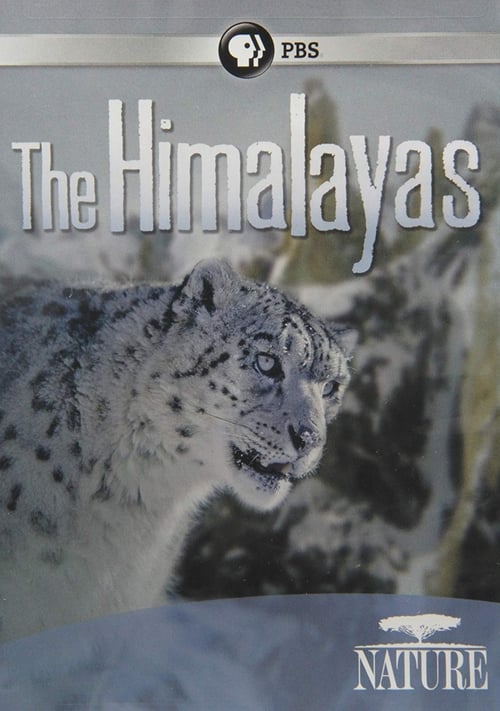
The highest mountain range in the world, the Himalayan range is far reaching, spanning thousands of miles, and holds within it an exceptionally diverse ecology. Coniferous and subtropical forests, wetlands, and montane grasslands are as much a part of this world as the inhospitable, frozen mountaintops that tower above. The word Himalaya is Sanskrit for abode of snow, fitting for a stretch of land that houses the world’s largest non polar ice masses. Extensive glacial networks feed Asia's major rivers including the Ganges, Indus, and Brahmaputra. More than a billion people rely on these glacier-fed water sources for drinking water and agriculture. The Himalayas are not only a remarkable expanse of natural beauty. They're also crucial for our survival.
No description available.
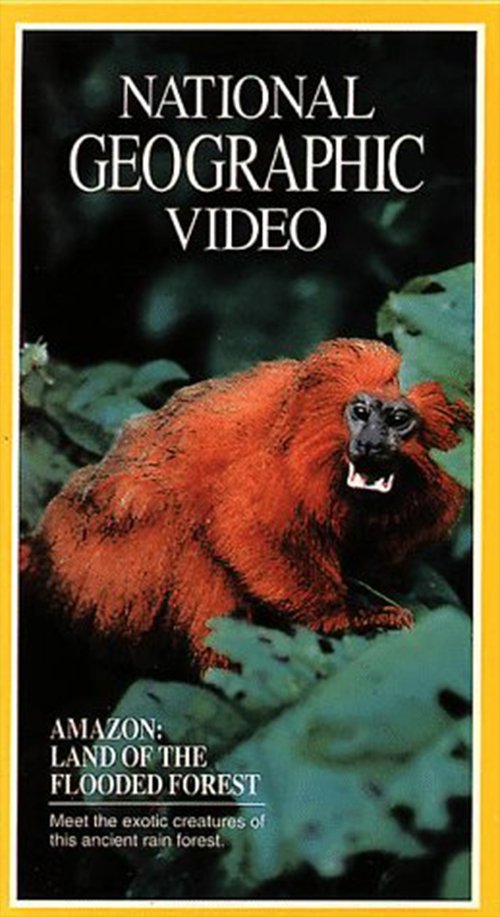
Explore an extraordinary region where water and land life intermingle six months out of the year.
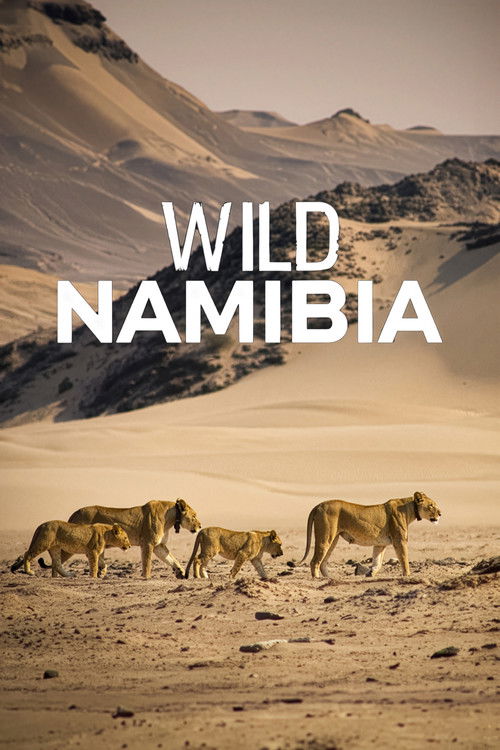
Rocks, dunes, sand and dust - large areas of Namibia in southwest Africa are characterized by deserts. Riverbeds full of sand meander through these inhospitable regions. Some of these only have water once every few years when enough rain has fallen in the mountains and the water rushes to the coast - but most of the time the river courses have dried up. And yet they are crucial for the survival of many living beings.
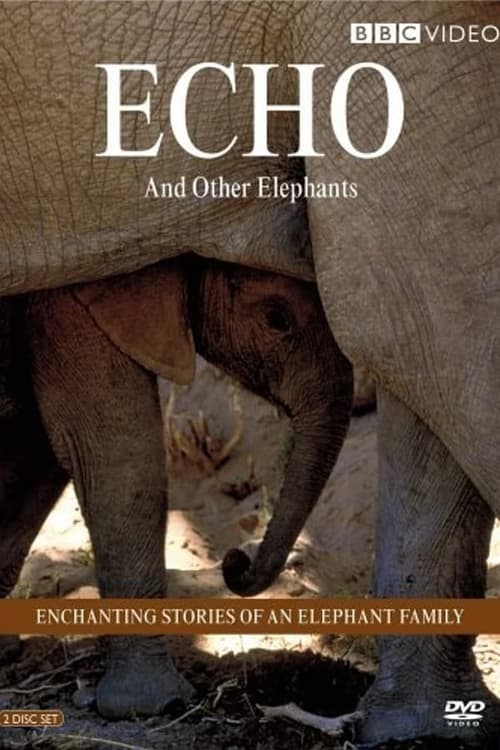
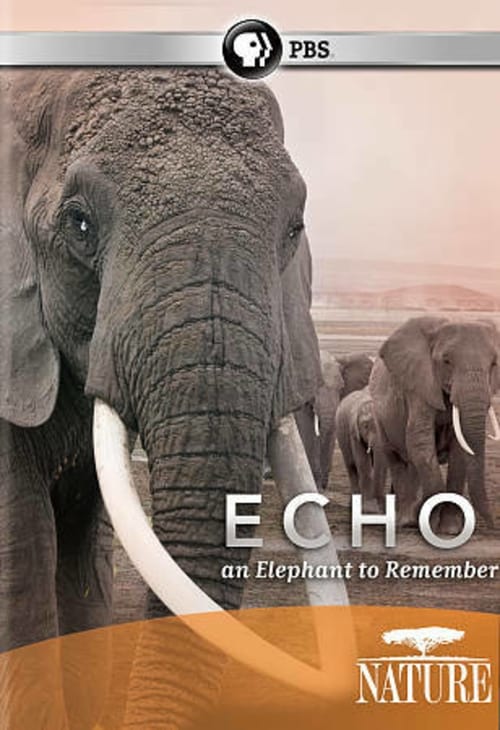
Echo, the remarkable matriarch of a family of elephants in Kenya's Amboseli National Park, was most studied elephant in the world, the subject of several books and documentaries, including two NATURE films. For nearly four decades, elephant expert Cynthia Moss, and award-winning filmmaker Martyn Colbeck were on hand to record the trials and triumphs of Echo and her family, documenting the intense loyalties and deep caring that are so fundamental to all elephants, creating a moving record of a life we all can share.