Writing
Consistently stunning documentaries transport viewers to far-flung locations ranging from the torrid African plains to the chilly splendours of icy Antarctica. The show's primary focus is on animals and ecosystems around the world. A comic book based on the show, meant to be used an as educational tool for kids, was briefly distributed to museums and schools at no cost in the mid-2000s.
Natural World is a nature documentary television series broadcast annually on BBC Two and regarded by the BBC as its flagship natural history brand. It is currently the longest-running series in its genre on British television, with more than 400 episodes broadcast since its inception in 1983. Natural World is produced by the BBC Natural History Unit in Bristol, but individual programmes can be in-house productions, collaborative productions with other broadcasters or films made and distributed by independent production companies and purchased by the BBC. Natural World programmes are often broadcast as PBS Nature episodes in the USA. Since 2008, most Natural World programmes have been shot and broadcast in high definition.
National Geographic's Explorer gives viewers special access to the issues of the day.
Classic Doctor Who duos are reunited as they board a very special TARDIS on a nostalgic voyage through space and time.
Ocean Oasis is a fascinating journey into the bountiful seas and pristine deserts of two remarkably different, but inextricably linked worlds — Mexico's Sea of Cortés and the Baja California desert.
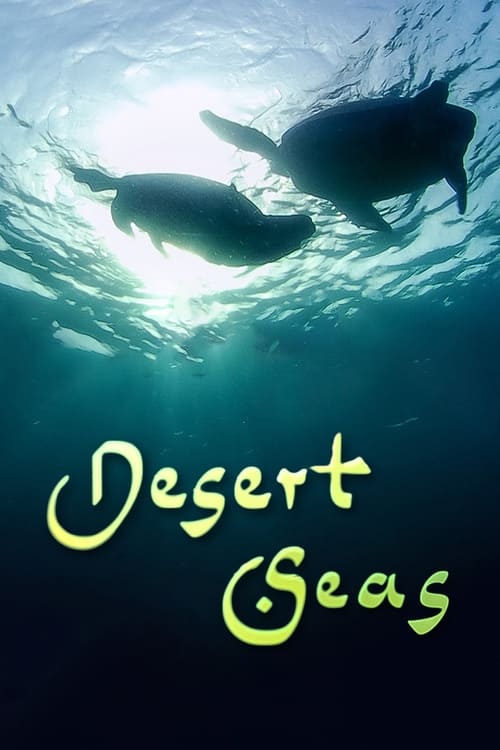
Sir David Attenborough unveils the two stunning underwater realms of Saudi Arabia - the flamboyant Red Sea and the contrasting hot muddy Gulf, capturing for the first time the rare event of Palolo worms spawning at night.
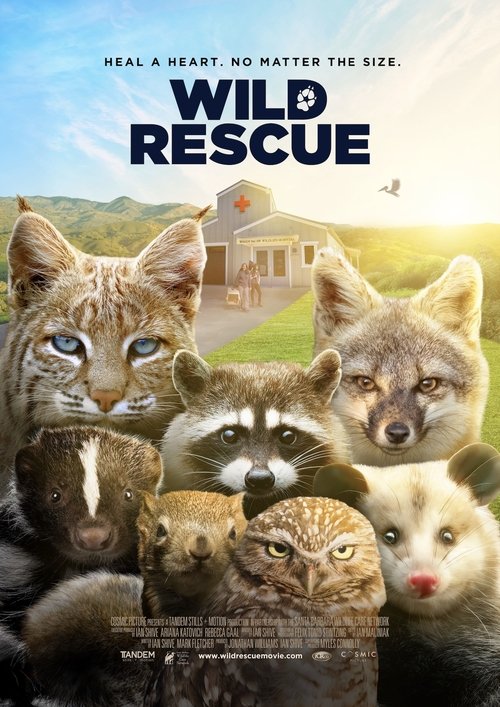
Wild Rescue follows the dedicated teams who rescue, and rehabilitate injured wild animals. Through dramatic stories explore the center and groundbreaking medical treatments. Wild Rescue reminds us every creature deserves a second chance.
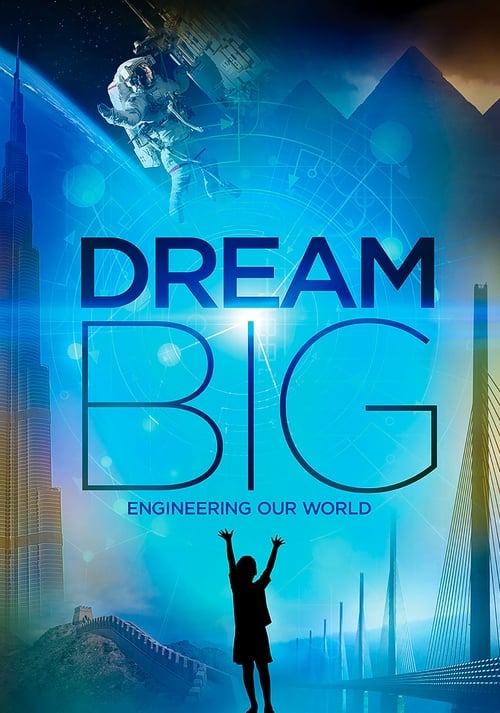
Narrated by Academy Award® winner Jeff Bridges, DREAM BIG: Engineering Our World is a first film of its kind for IMAX® and giant screen theaters that will transform how we think about engineering. From the Great Wall of China and the world's tallest buildings to underwater robots, solar cars and smart, sustainable cities, DREAM BIG celebrates the human ingenuity behind engineering marvels big and small, and shows how engineers push the limits of innovation in unexpected and amazing ways. With its inspiring stories of human grit and aspiration, and extraordinary visuals for the world's largest screens, DREAM BIG reveals the compassion and creativity that drive engineers to create better lives for people and a more sustainable future for us all. DREAM BIG is a MacGillivray Freeman film produced in partnership with American Society of Civil Engineers and presented by Bechtel Corporation.
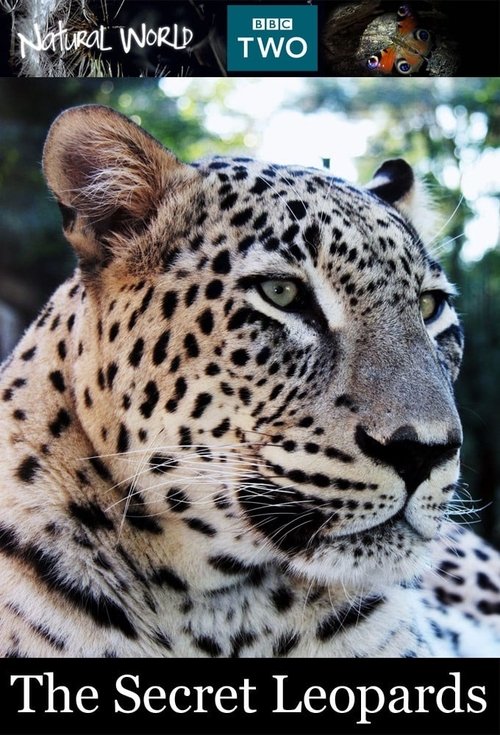
Jonathan Scott narrates the extraordinary story of the leopard - the one big cat that still survives across half the world while tigers, cheetahs and lions are all struggling. By following the lives of leopard mothers and their cubs in East Africa the film investigates what it is about the natural history of these cats that makes them born survivors. Perhaps the most extraordinary revelation is that leopards are living undercover on farms and even in cities across Africa and Asia.
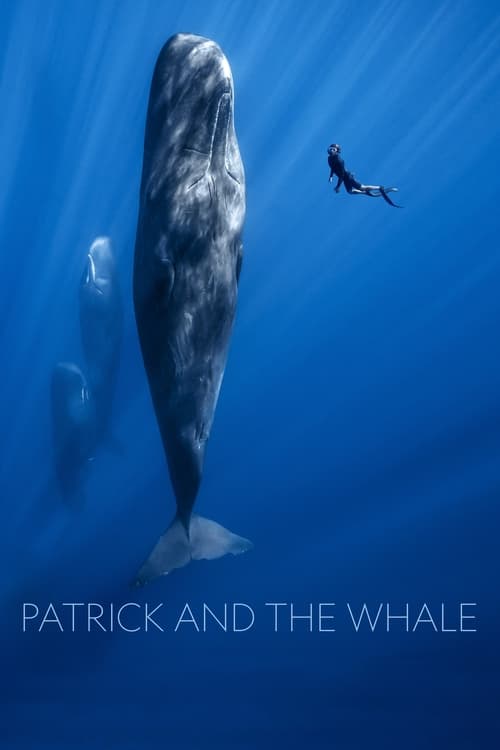
Weighing more than 15 tons, a sperm whale has a brain larger than any other animal on earth and is considered one of the more social whale species. Over the years, Patrick Dykstra has worked with the Massachusetts Institute of Technology to learn how whales communicate, how they perceive other creatures in the water, and how they behave in his immediate presence. With sensitivity and experience, he gets closer to whales than nearly anyone else, leading to once-in-a-lifetime experiences and personal bonds with specific whales.
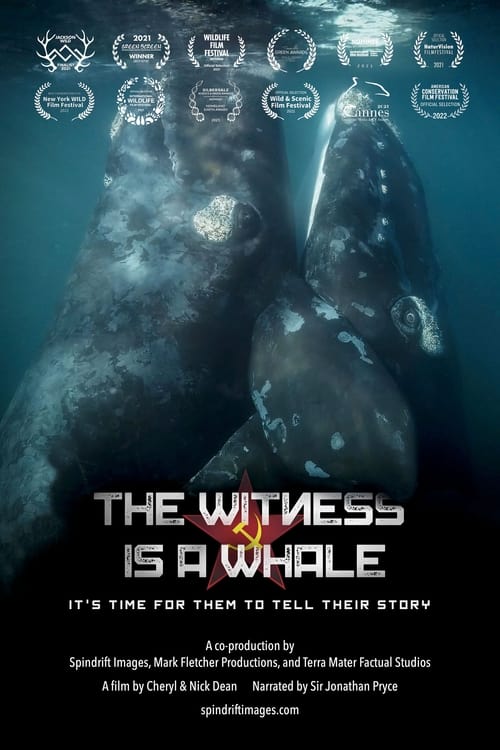
Archival footage, hidden documents, and personal records reveal one of the greatest environmental crimes of the 20th century: the secret and illegal slaughter of hundreds of thousands of whales by the Soviet Union and Japan during the Cold War.
In the jungles of north west India, there lives a remarkable wild tiger family. Now, using 50 years of footage, the story of their matriarchal clan is pieced together.
Sir David Attenborough narrates a documentary about the Kea, the world's only alpine parrot. Playful and destructive, it attacks cars, starts landslides and terrorises New Zealand ski resorts but behind the bad behaviour there's a sharp mind at work. David tries to play chess with a kea and discovers how its cheeky character is the key to its survival.
Since 2003, nine giant pandas from China's Wolong Nature Reserve have been reintroduced into the bamboo forest of the Qinling Mountains. Born in the breeding and research station of the reserve, they did not have close contact with humans before their relocation to the natural environment. For three years, a team of scientists followed one of them, from its birth to the discovery of its new environment.
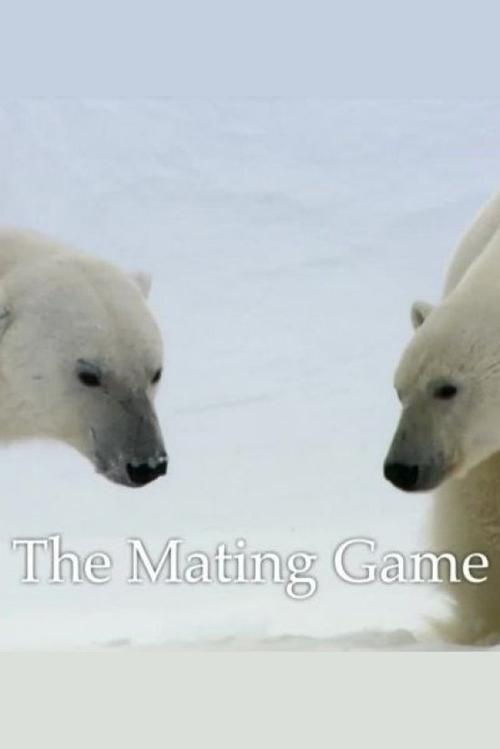
David Attenborough narrates the charming and fascinating story of some real-life animal romantics. There are show-offs and singers, dancers and fighters, stories of undercover affairs and heartwarming devotion. These include a male polar bear that plays hard to get, a lemur whose odour bags him a mate and a lizard who is tender and faithful to the very end. It reveals that animals can be loving, complex, funny and inventive - it is all part of the mating game.
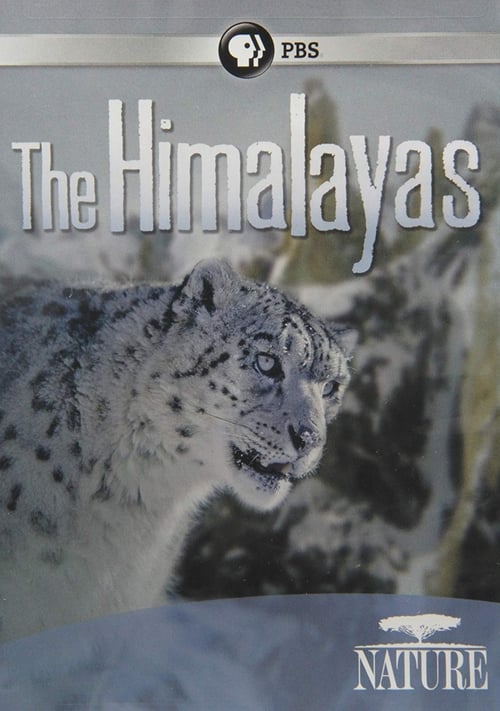
The highest mountain range in the world, the Himalayan range is far reaching, spanning thousands of miles, and holds within it an exceptionally diverse ecology. Coniferous and subtropical forests, wetlands, and montane grasslands are as much a part of this world as the inhospitable, frozen mountaintops that tower above. The word Himalaya is Sanskrit for abode of snow, fitting for a stretch of land that houses the world’s largest non polar ice masses. Extensive glacial networks feed Asia's major rivers including the Ganges, Indus, and Brahmaputra. More than a billion people rely on these glacier-fed water sources for drinking water and agriculture. The Himalayas are not only a remarkable expanse of natural beauty. They're also crucial for our survival.
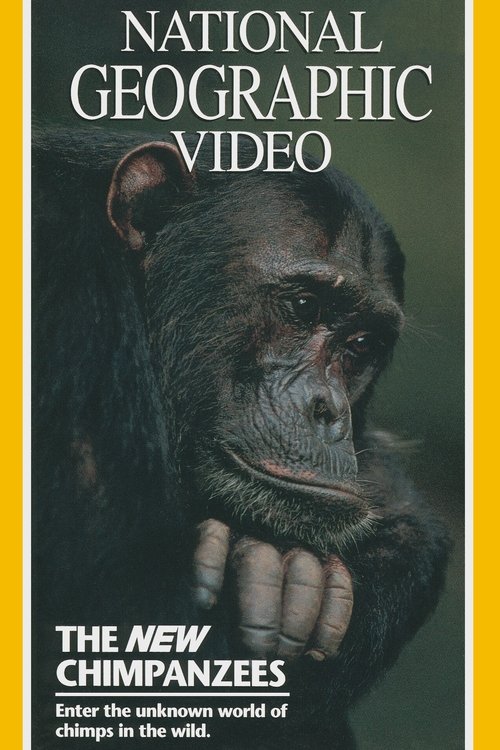
National Geographic draws viewers into the looking glass where eyes, much like our own, reflect playfulness, grief, loneliness, rage and above all, intelligence. Scientists continuing the work of legendary chimpanzee advocate Jane Goodall make startling revelations about chimps in the wild.
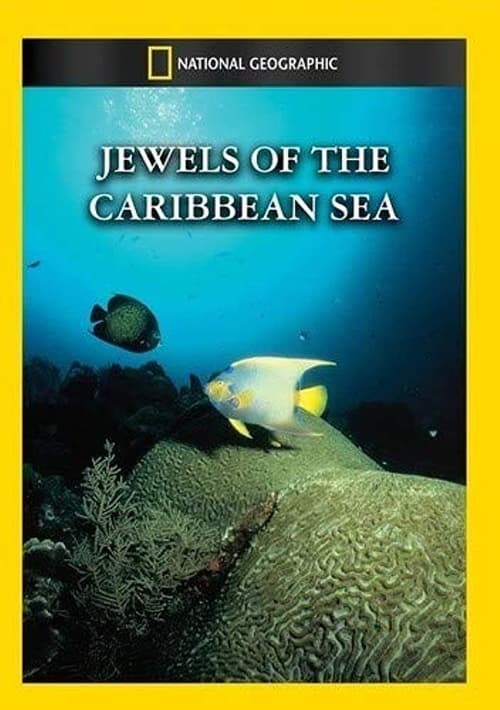
Many know that islands of the Caribbean sea are places of surprising beauty. But not it is common knowledge that deeply under water among coral reefs that surround islands, the enormous reign of the rarest stationed oneself, on anything not alike creatures
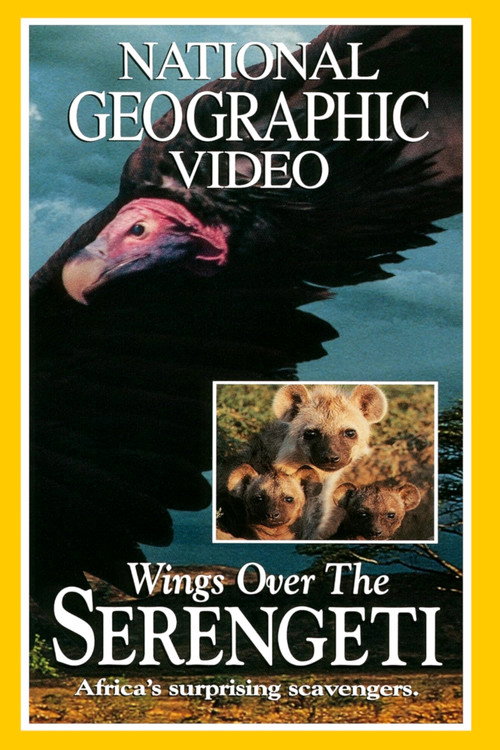
Any unlucky carcass is dispatched in a matter of minutes by a feeding frenzy that attracts jackals and hyenas along with vultures. Scavenging insects swarm over the remaining bones and horns. While this film focuses primarily on the griffin vulture (“nature’s undertaker”), it considers the role of all scavengers in this harsh ecosystem. Generally despised as harbingers of death, they actually help maintain the health of the savannah by disposing of waste and returning nutrients to the soil.
Crocodiles have hunted in the African rivers since the age of the dinosaurs for over 60 million years and have been known to conquer the test of time as they have been the top predator of the river, making them the ruler of the African tributaries. Despite their aggressiveness, crocodiles can have a soft spot for their own young.