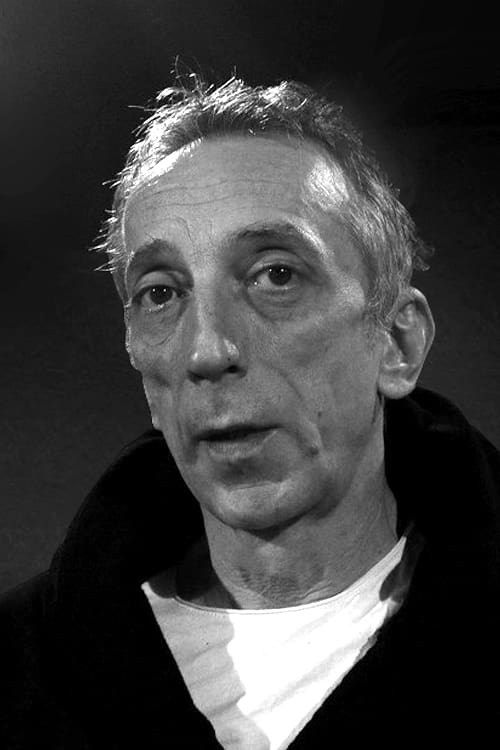
Admir Glamočak
Acting
Known For
One of the first post-Independence Bosnian sitcoms. Production started on June 22, 2001 in Sarajevo, Bosnia and Herzegovina. The final episode was filmed in Sarajevo on August 25, 2008 and aired in October. It eventually became one of the region's most popular sitcoms.
Visa for the Future
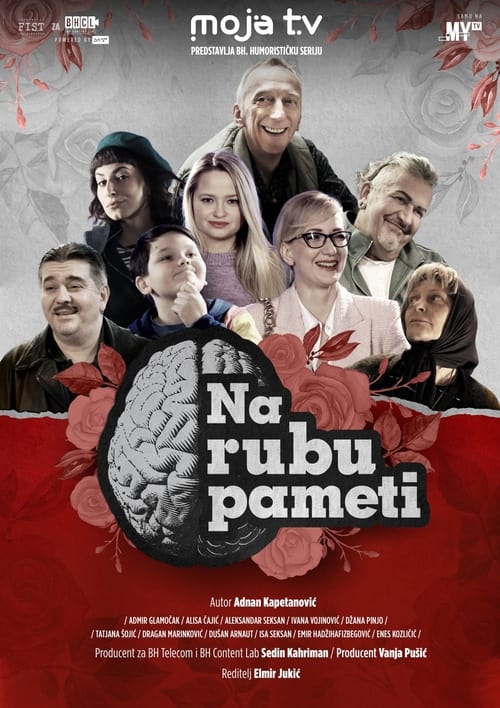
The life of Maha Dilber, a professional journalist and long-time single man who has just retired early and planned his life when middle-aged, changes overnight when two daughters from two different, failed marriages appear at the door of his newly renovated apartment.
On the Edge of Reason
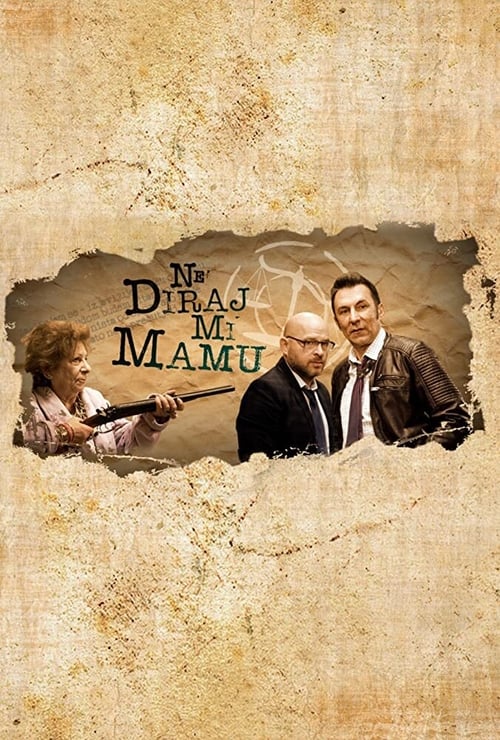
Budimir and Zlatko are two partners advocates. Apart from being business partners they also share a family connection. Budimir was married to Zlatko's late sister and is now living with his daughter Mia and his mother-in-law Dika, Zlatko's mother. Due to exceptional circumstances Zlatko loses his house and moves in with his mother, brother-in-law and niece.
Don't Touch My Mom!
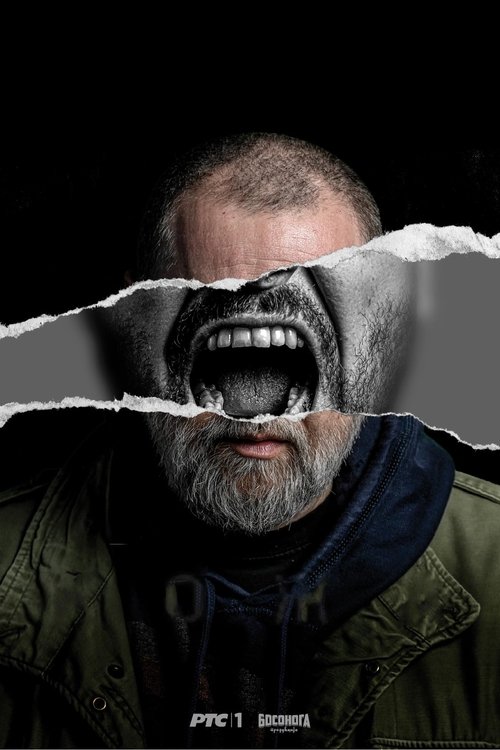
The story of a musician, former drug addict and drug dealer named Slobodan Milosevic.
Skin
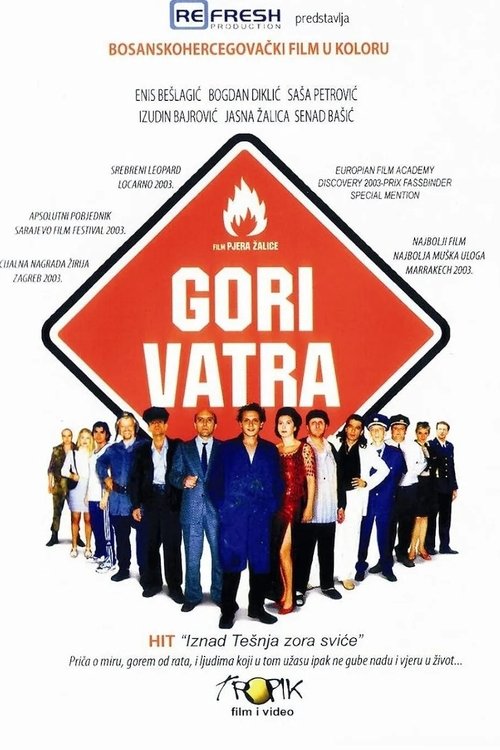
Two years after the Bosnian war, a town that is slowly rebuilding itself must whip together a democracy when it's announced the U.S. President Bill Clinton might be paying a visit.
Fuse
This true story is made up of two episodes that show Operation Hydra. After the fall of the Uzice Republic and the success of the first enemy offensive, the British sent their mission and this series shows the events.
The Mission of Major Atherton
The plot of the series follows two lawyers, Nenad and Zijad.
False Witness
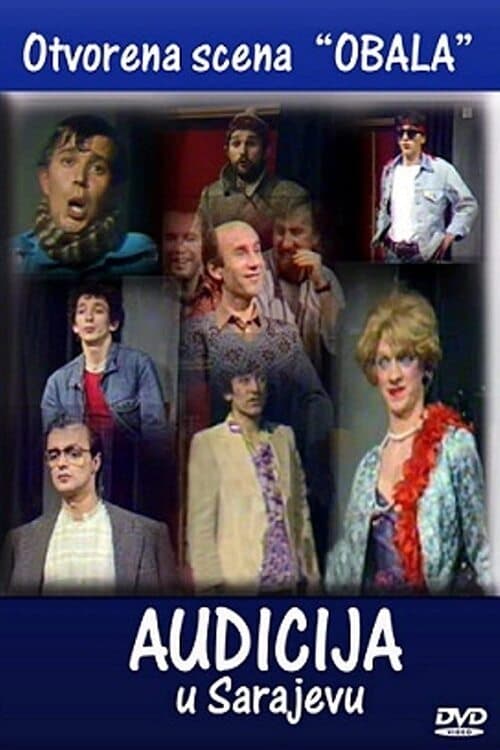
A cult stage play from the Academy of Performing Arts in Sarajevo, which involves the professor and the gallery of grotesque candidates devoid of any talent who applied for entrance exams.
Audition
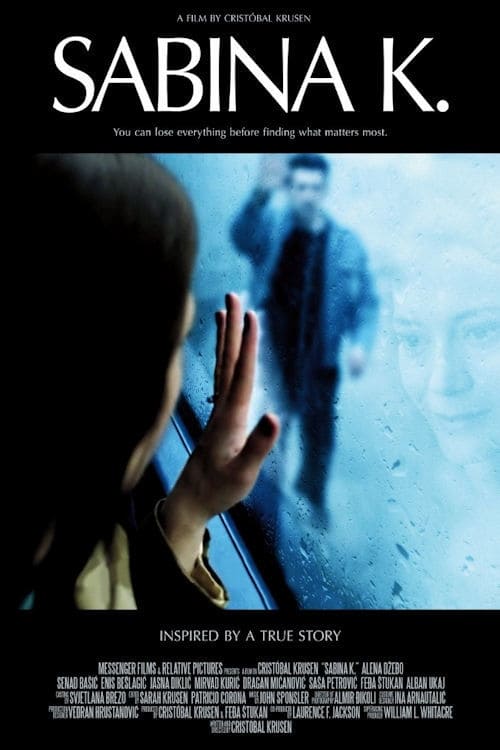
Sabina, a divorced mother of two small children, falls in love with an old friend from the Bosnian war. The two plan to marry, but things go terribly wrong.
Sabina K.
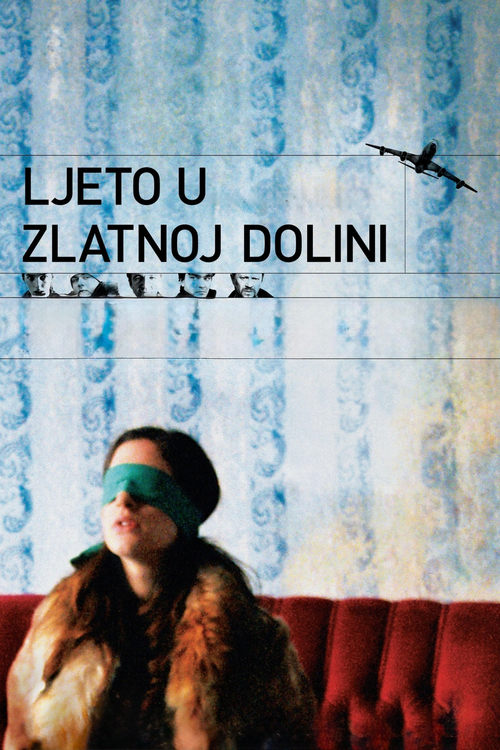
At the traditional Muslim funeral service for his father Fikret Varupa, sixteen year old boy from Sarajevo, learns that his father owes money to Hamid, a man he does not even know. The debt is considerable and Hamid does not want it to go to the grave with the body, so the debt automatically passes from the father to the son. Since in Bosnia this way of collecting debts, at a funeral, is considered to be utterly humiliating, it is never, ever applied. Fikret and his entire family become subjects of ridicule. Fikret, who is practically still a child, is decisive to "redeem his father's soul". Wishing to repay his father's debt and to secure the forgiveness, Fikret wanders into the real world of Sarajevo, the world that is ruled by post-war chaos, misery and poverty and becomes an ideal target for two corrupted policemen who wish to "help" him: they plant the kidnapped girl on him.
Summer in the Golden Valley
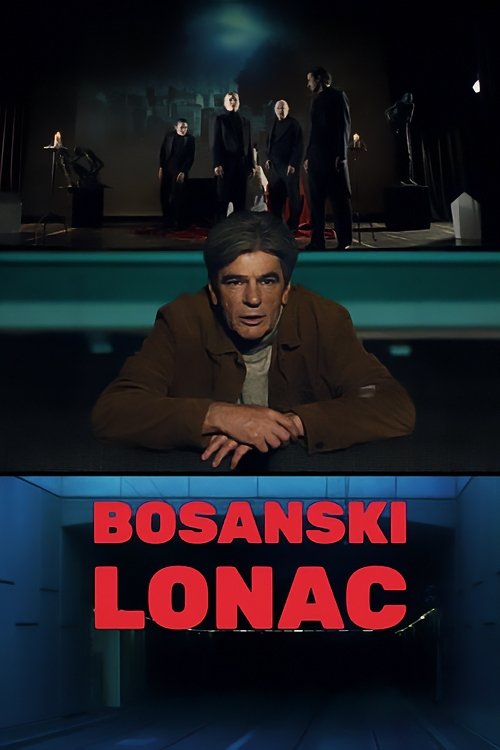
Faruk Sego, a failed Bosnian writer facing deportation from Austria, must prove that he has made a cultural contribution to Austrian society. His last chance is an off-theatre troupe that can stage a play he wrote as a young man. Faruk's reluctant return to the theatre will force him to realise what is truly important in life.
Bosnian Pot
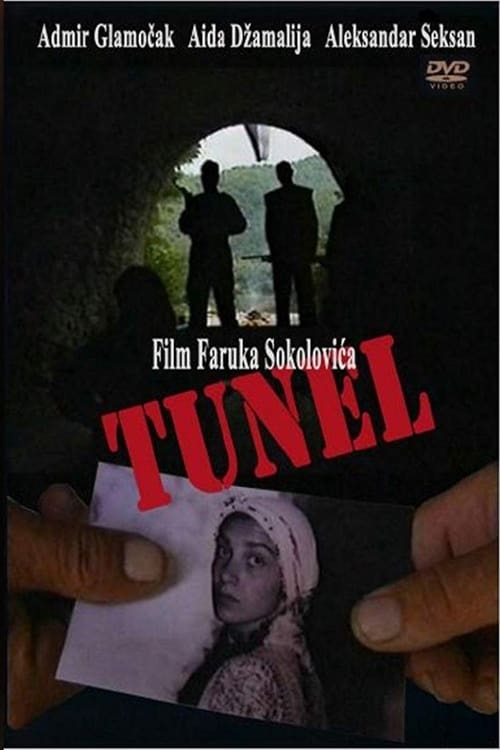
The plot of this film is set in an idyllic village in the middle of Bosnia, connected with outer world only with a tunnel. Story begins in 1996, when refugees in a police escort come close to their, due to war abandoned, homeland and a tunnel - their only connection with the world.
The Tunnel
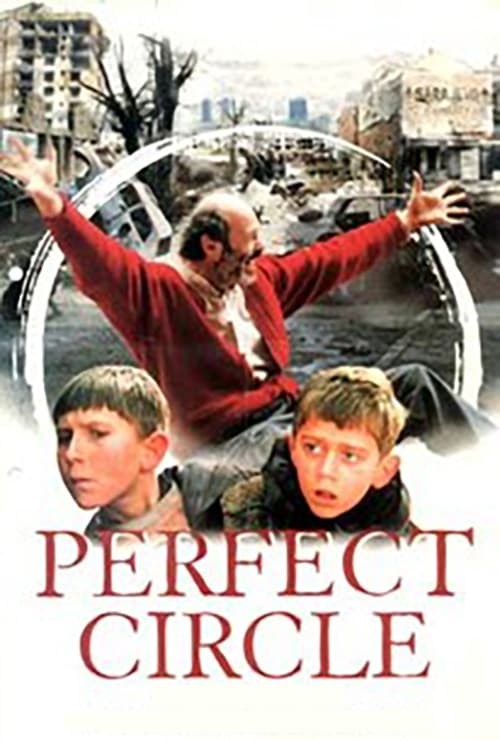
An alcoholic Bosnian poet sends his wife and daughter away from Sarajevo so they can avoid the troubles there. However, he is soon descended upon by a pair of orphaned brothers. The brothers have escaped a massacre in their own village and have come to the Bosnian capital in search of a long lost Aunt. The poet befriends the boys and together they try to survive the horror of the siege of Sarajevo.
The Perfect Circle
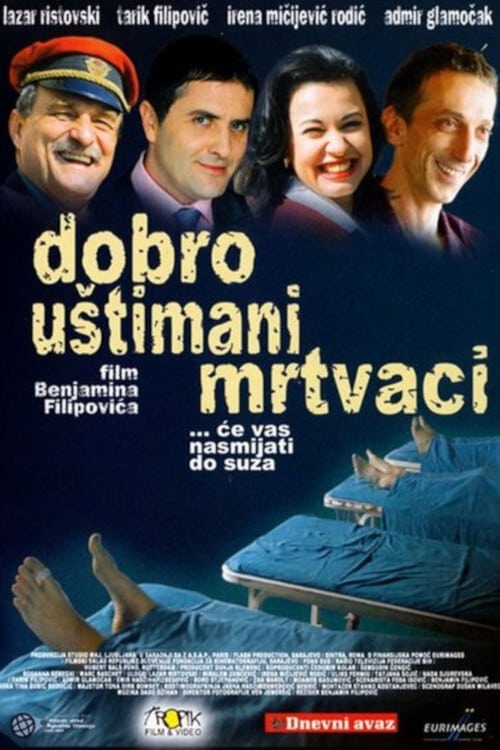
A couple of morticians entertain themselves by betting on how many cold customers will come in that day. But one of the corpses refuses to cooperate...
Well Tempered Corpses
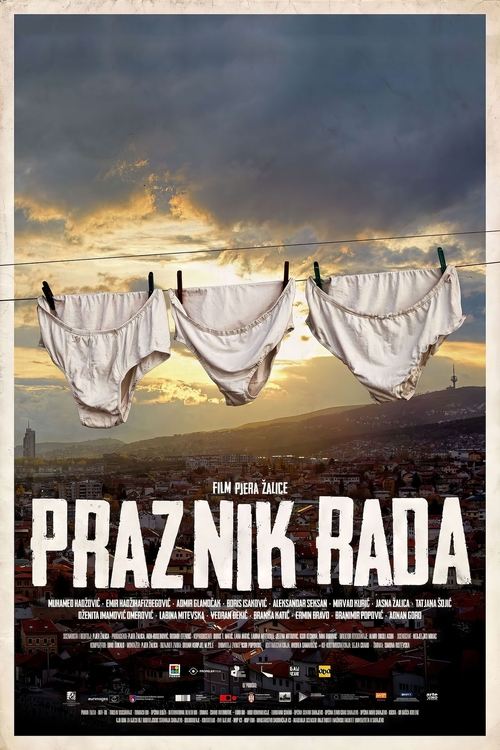
After ten years in Germany, Armin returns to Bosnia. He just got married and wants to surprise his father, but he is not home. Neighbours say that he has been arrested, nobody knows why. The papers say that he is a suspect for the war crime back in the 90s. Armin wants to learn the truth and the neighbourhood to celebrate May Labor Day.
May Labor Day
Three loosely connected stories about football fans in Zagreb, Croatia, during the day of the country's biggest derby between Zagreb's GNK Dinamo and Split's NK Hajduk.
Sex Drink and Bloodshed
Tica (Birdy) a war orphan arrives to Sarajevo with his newborn daughter urgently needing surgical procedure. Facing his new appalling reality, Tica embarks into the night where demons of the past are always ready.
Birdy

Arman is about to turn 18. He was adopted as a baby by Jasna and Senad, who were unable to have children of their own. However, four years after the adoption, Jasna gives birth to Dado. Throughout his life, Arman has had a hard time coping with being an adopted child. Full of explosive energy, he constantly gets in trouble together with his schoolmates. Despite being very intelligent, he is labelled as a problem child. The only place he feels safe and loved is with Jasna’s parents. At the same time, Arman does all he can to save Dado from self-destructing. However, despite everything he does to support his brother, his parents interpret Arman’s involvement incorrectly, and blame him for every trouble with Dado.
The Son

Two years after the Bosnian civil war, a town that is slowly rebuilding itself must whip together a democracy when it's announced the U.S. President Bill Clinton might be paying a visit.
Fuse
A high representative goes by the narrow macadam road to the grand opening of the facility in a mountain village, another new victory of his own. In the car with him was not his wife but his mistress, a young and rather attractive girl. The car stucks in the quite large and deep puddle in the middle of the country road...