Writing
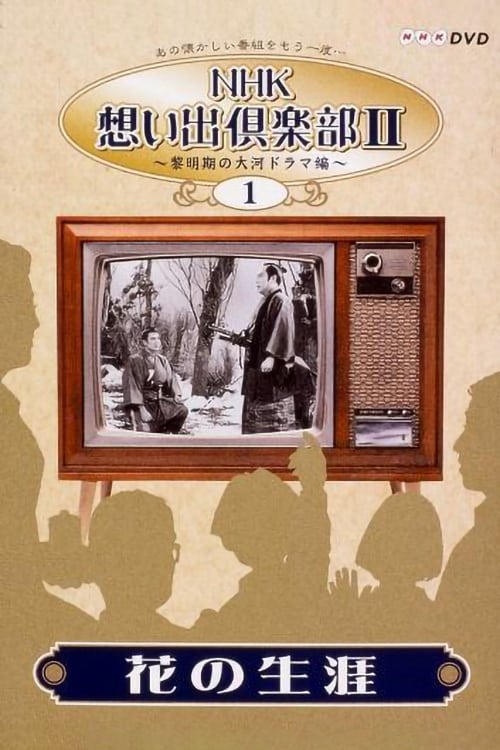
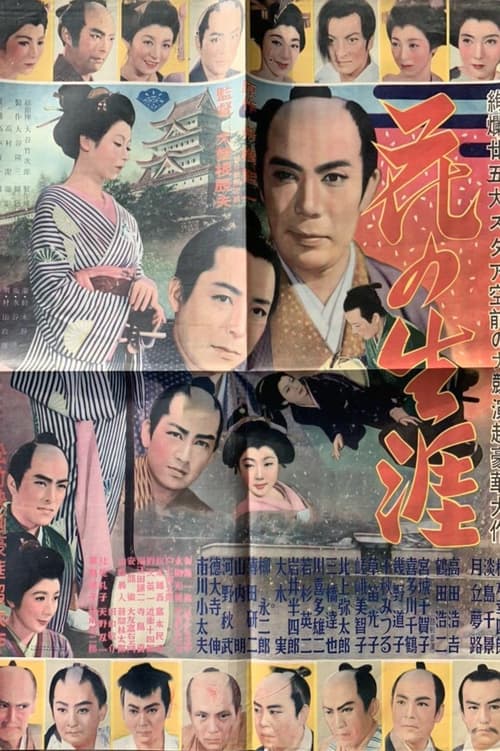
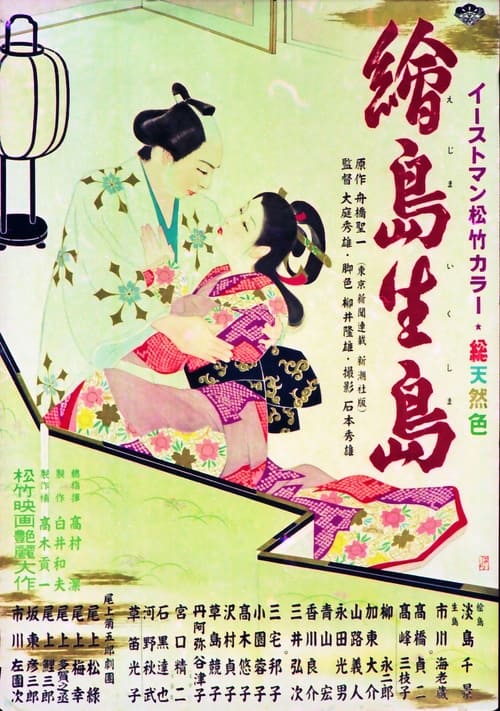
The story chronicles the life of Ii Naosuke.
No description available.
In 1842, in the Umemoku Mansion within Hikone Castle, Naosuke Ii, despite the tumultuous times, was engrossed in the world of tea ceremony. His friend, the Kokugaku scholar Nagano Shuzen, introduced him to a captivating shamisen master named Murayama Taka. Naosuke became deeply infatuated with her, disregarding the jealousy of his consort Shizu and the warnings of his senior retainer, Gaiji. However, upon discovering Taka's relationship with Shuzen, Naosuke promptly ended his ties with her.
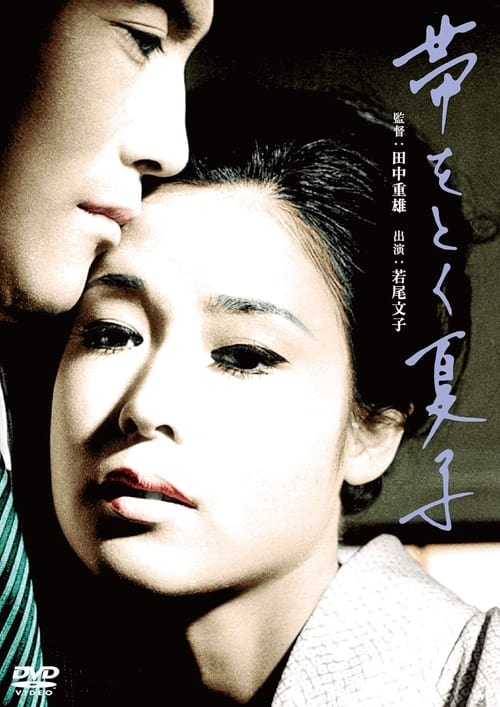
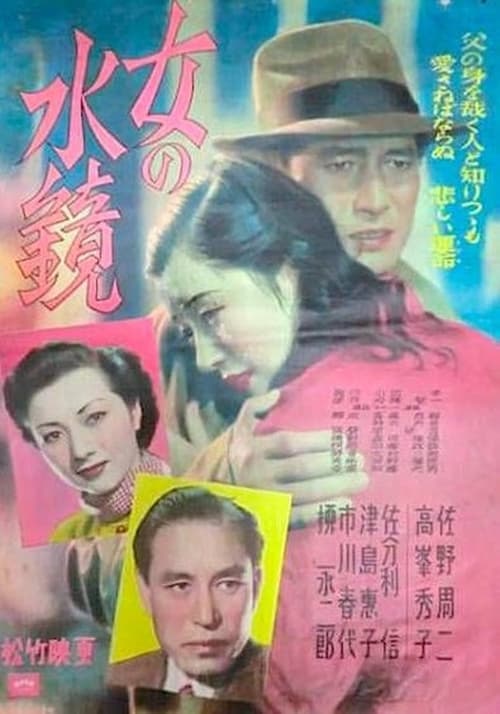
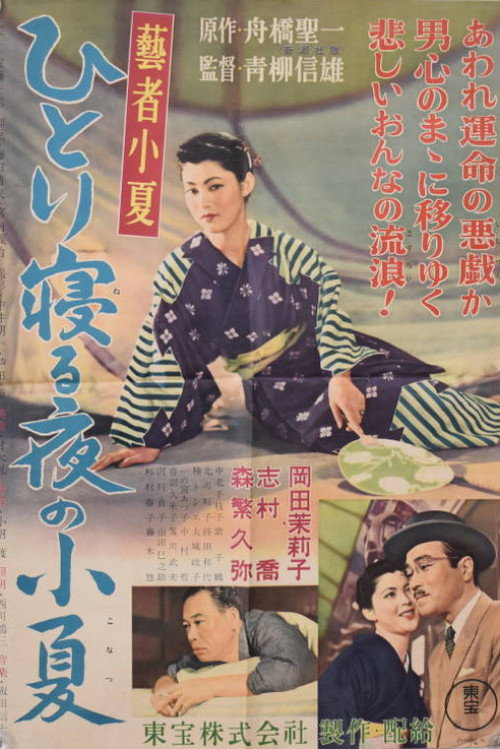
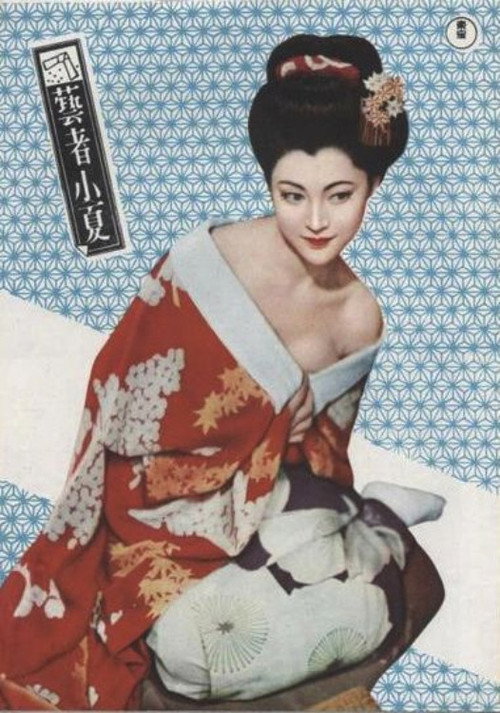
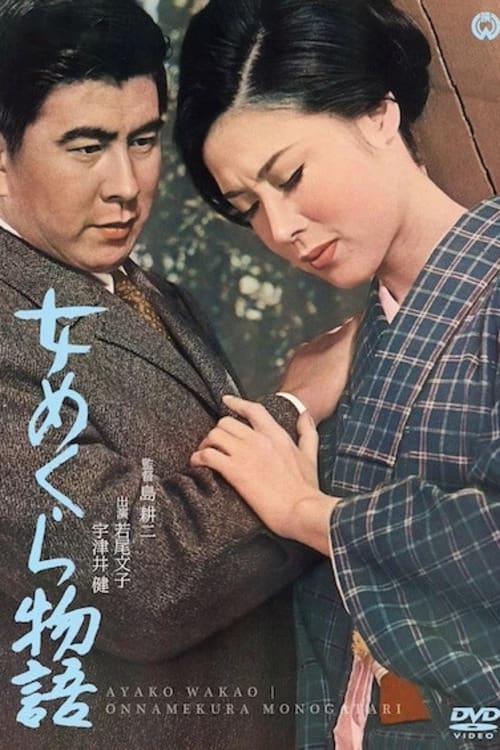
"Though still young, Natsuko gave up the life of a geisha to become the mistress of the president of a shipbuilding company. When he is about to re-marry she insists he either wed or stop seeing her. Returning home, she again meets the man she first loved and for a time thinks of married happiness."
1964 Japanese movie
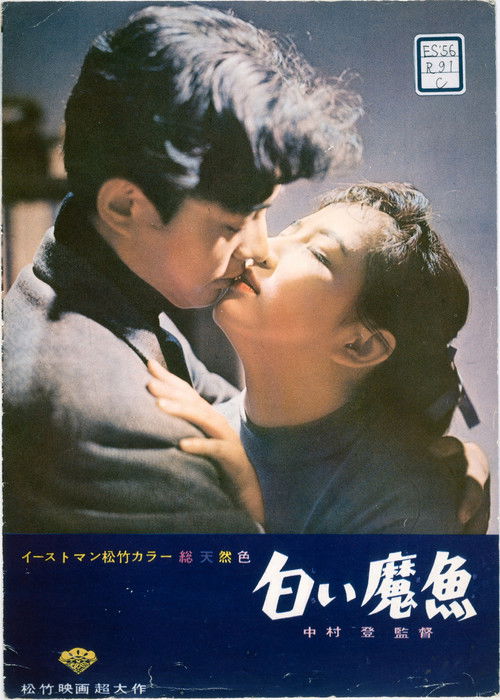
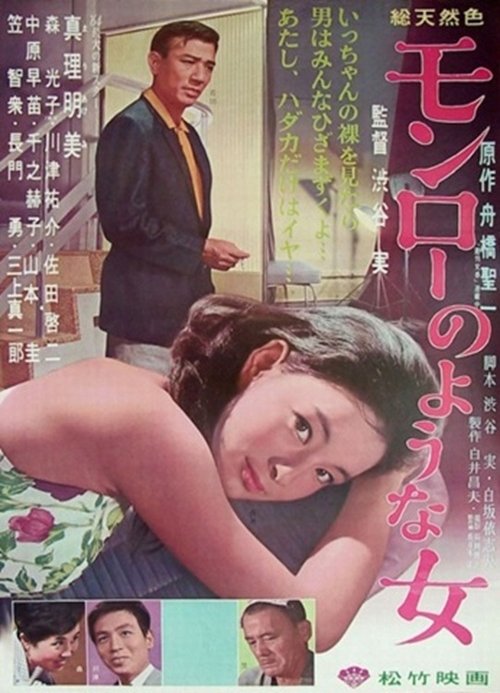
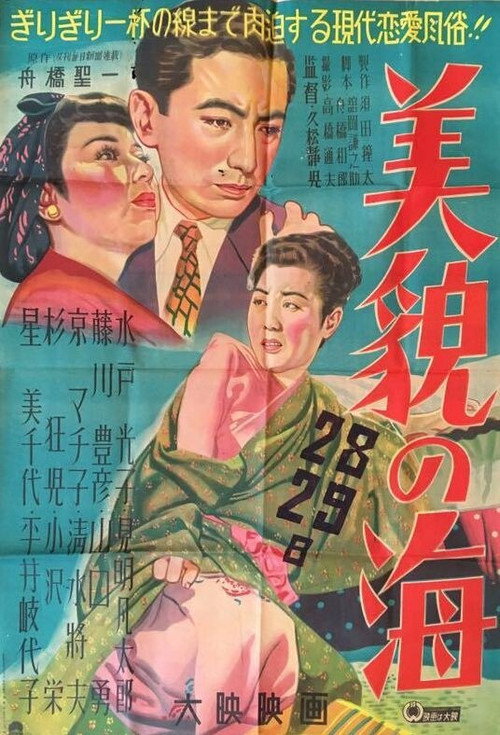
Tozai Electric president Minamoto (Yanagi) is about to be pursued by the public prosecutor's office and tries to bribe Manabe (Saburi), the man in charge, but fails. His daughter Naeko (Takamine) finds out and takes on the role herself. This is a love romance adapted from an original story by Seiichi Funabashi that appeared in the magazine "Romance.”
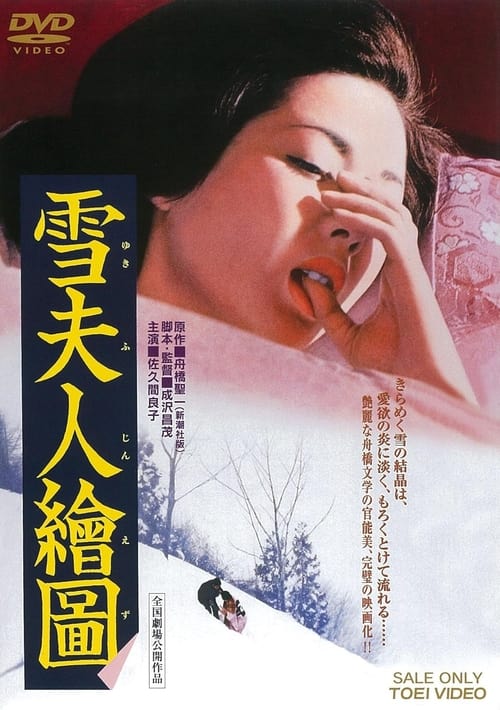
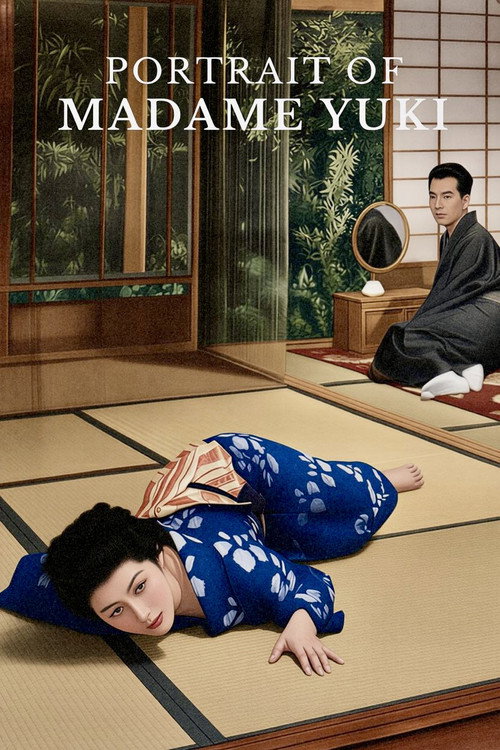
Set against the dramatic backdrop of the downfall of an old aristocratic family, this is the story of its last representant: Lady Yuki.
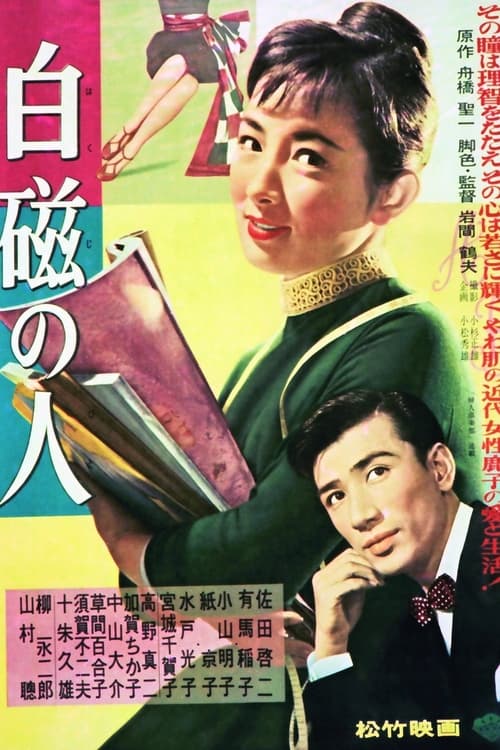
When a young woman named Kanako goes to Lake Yamanaka with her close friends, she meets a young businessman, Saeki, who gives her an expensive pearl necklace to win her favor. As Kanako sets out to return the gift, she meets her father, who steals the necklace in order to repay his creditor.
A young woman takes up her new job as the servant of a noblewoman and soon discovers that underneath her facade of luxury lies great unhappiness.
A sequel to Geisha Konatsu (1954).
A former geisha marries a widowed farmer, but ends up running away to Tokyo after being unable to cope with the hardships of life in the countryside.
This period film is inspired by one of the most notorious scandals to have taken place in Edo-period Japan. The heroine, Ejima, was a lady of the Ooku, the harem of Edo Castle in which the Shogun’s mother, wife and concubines resided, forbidden from contact with any other man except in the presence of the Shogun. The institution played a key role in the Byzantine world of Japanese court politics during the Edo era. In 1714, Lady Ejima was sent to pay her respects at a Buddhist temple in the city, and chose to pay an unauthorised visit to the kabuki theatre – a violation of protocol that was to have tragic consequences.
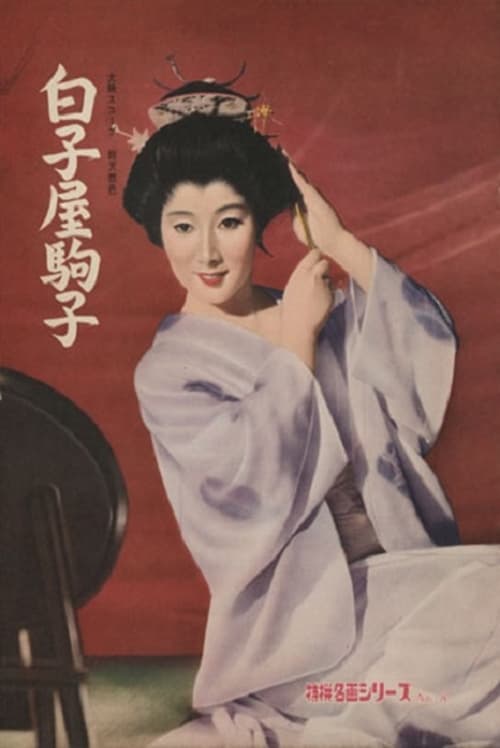
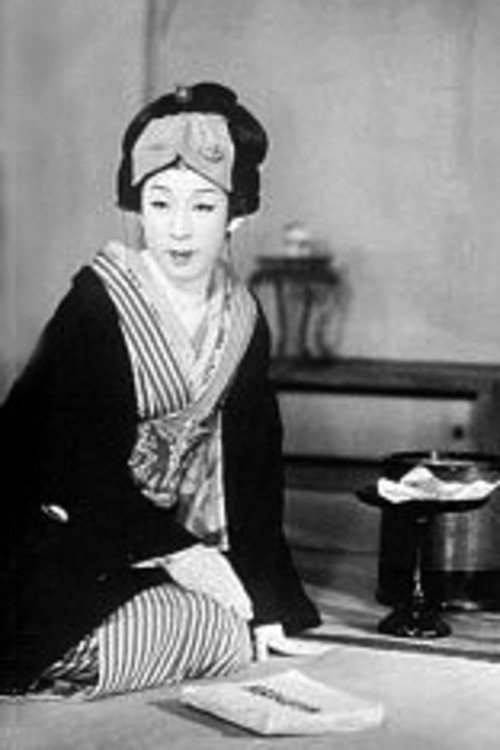
Set in the middle of the Edo period (1603-1867), this tragic love story takes its cue from a celebrated historical case tried by magistrate Tadasuke Ooka, whose shrewd legal decisions became the stuff of legend. Okuma Shirokoya, the daughter of a lumber merchant in Edo (today’s Tokyo), embarked on an affair and was executed after conspiring with her maid to murder her husband. (Source: https://festival.ilcinemaritrovato.it/en/proiezione/shirokoya-komako/)
At sixteen, due to illness, Tsuruko goes blind, and has no choice but to become a massage therapist. One day, stumbling on a staircase, she meets a businessman and falls in love with him.
After running away from her mother, Ashiko works as a maid at an inn and changes her name, but she finds herself torn between her past and a new relationship with a lonely trader on the beach of Atami.