Acting
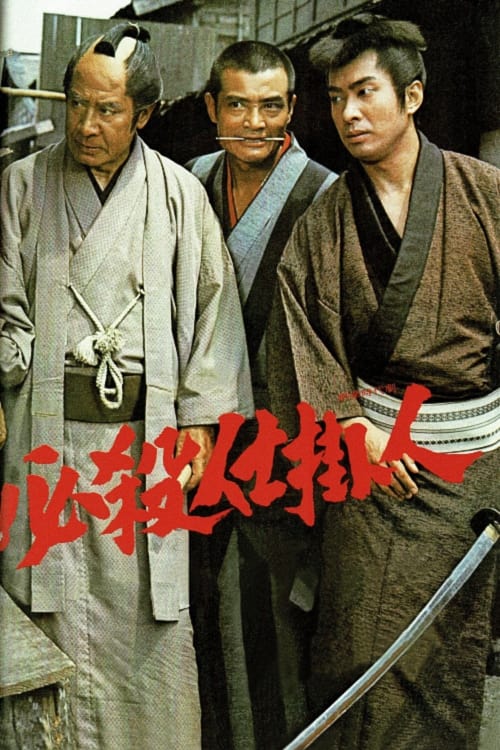
A shikakenin was an under-the-cover trade that undertook killing in Edo. Hanemon of Otowa, an agency that introduced laborers and maids, was also one of these. Katsugoro Iseya was a timber dealer who had come in as a client. His target was the constructions magistrate Hanno, and the Tatsumiya who sipped on the benefits. Hanemon who had a stong code towards killing, where he would only kill those who do no good to be in the world, accepts this request. Baian Fujieda, a needle doctor would carry out the killing. However, the professional killer Baian fails to bring down Tatsumiya. Hanemon then looks to another shikakenin, the ronin Sanai Nishimura for the role. Although Sanai's ability with the sword is good, he lives poorly in a tenement, and accepts this commission on the condition that it is kept a secret from his wife and child. Here, they close in on Hanno and Tatsumiya again...
Pu Zhe, younger brother of the Emperor of Manchukuo, marries Ryuko, daughter of an aristocratic family. To the surprise of all, a deep love between Pu Zhe and Ryuko develops and is put to the test when Japan loses the war.
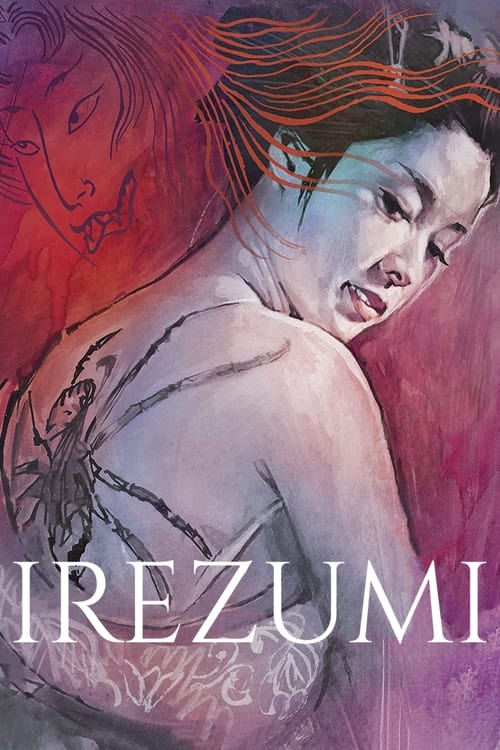
Otsuya, the daughter of a rich merchant, elopes with her lover Shinsuke, an employee of her father's. During their flight, Otsuya's beauty attracts the gaze of Seikichi, a mysterious master tattooist who sees her pristine white skin as the perfect canvas for his art. The image of the large demonic spider that he emblazons across Otsuya's back marks her as the property of another man, radically altering her relationships with all around her as her personality seems to transform under its influence.
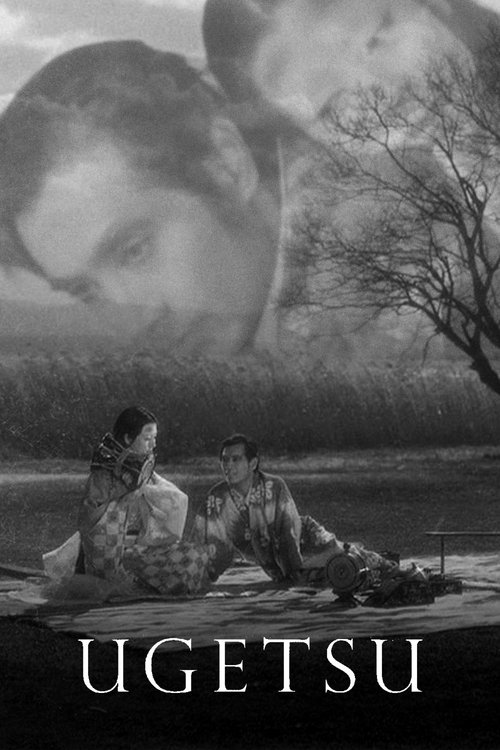
In 16th century Japan, peasants Genjuro and Tobei sell their earthenware pots to a group of soldiers in a nearby village, in defiance of a local sage's warning against seeking to profit from warfare. Genjuro's pursuit of both riches and the mysterious Lady Wakasa, as well as Tobei's desire to become a samurai, run the risk of destroying both themselves and their wives, Miyagi and Ohama.
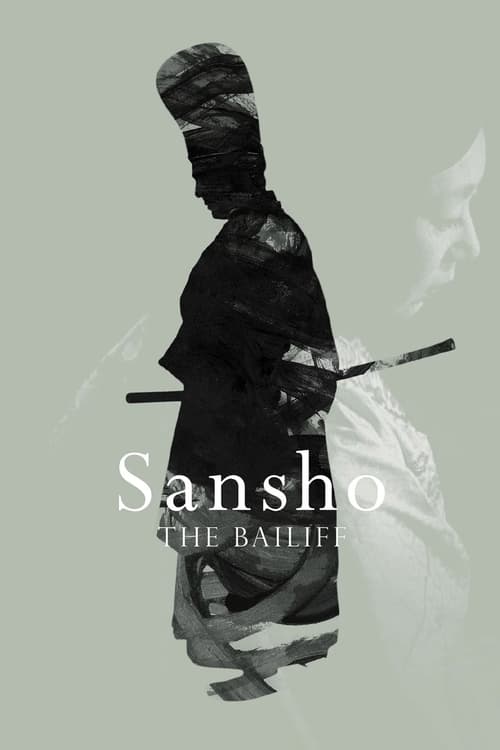
In 11th-century feudal Japan, following the exile of an idealistic governor, his wife and children are separated by slave traders; the children, Zushio and Anju, are sold into brutal servitude under the cruel bailiff Sansho.
No description available.
The first film produced by Daiei.
A story loosely based on the affair between Empress Kōken-Shōtoku and the monk Dōkyō, set during the Nara period (710–794 A.D.).
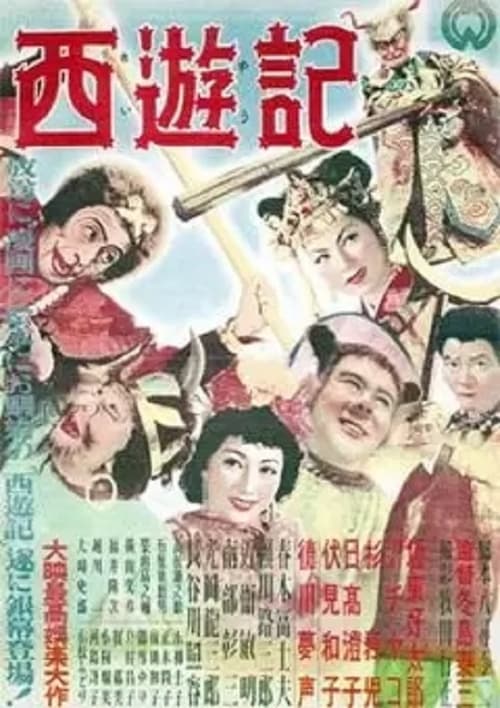
An adaptation of the famous 16th century novel, Journey to the West.
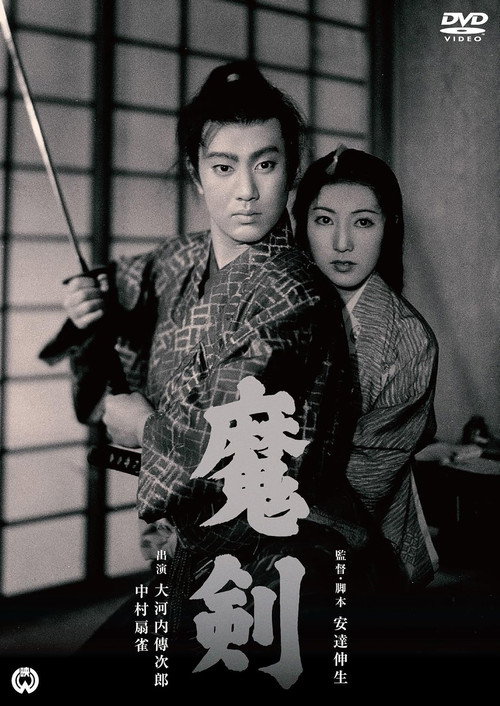
A young swordsman takes on the mysterious, deadly “Demon Sword” wielded by a nihilistic master swordsman who trusts neither human compassion nor a woman’s heart… What is the fate of the undefeated Demon Sword?
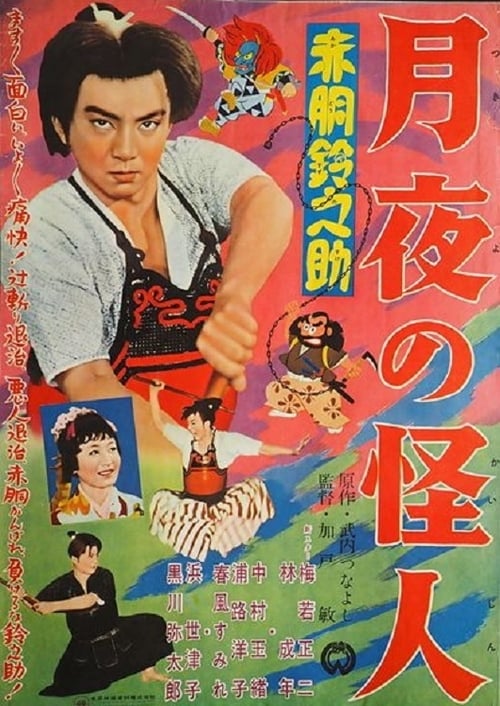
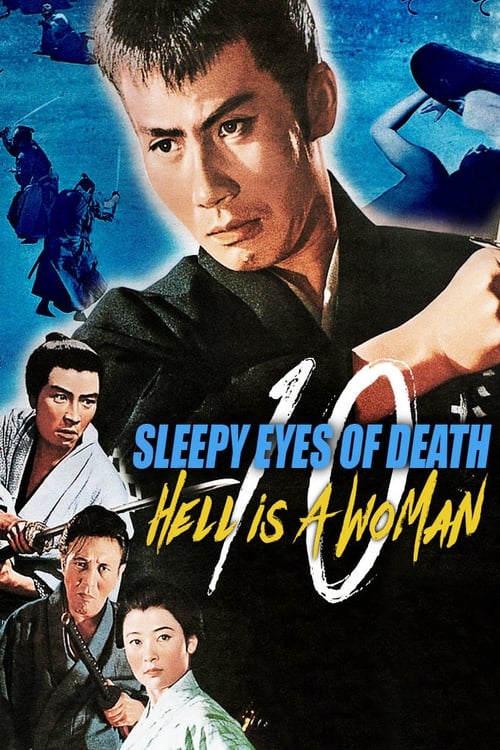
In the first two films we learn the character's origins, including his childhood and how he learned his fighting skills. Later, he must face his friend, who has joined a gang of criminals.
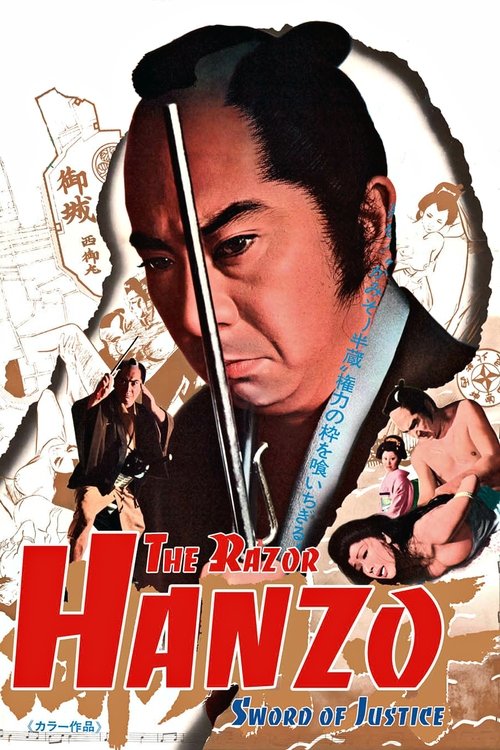
Fearless Edo-period police inspector Hanzo Itami, nicknamed The Razor, has developed his own unique way of extracting information for his inquiries. His first adventure sees him investigating his superior officer's mistress, whom he suspects of having ties with a reputed criminal on the loose.
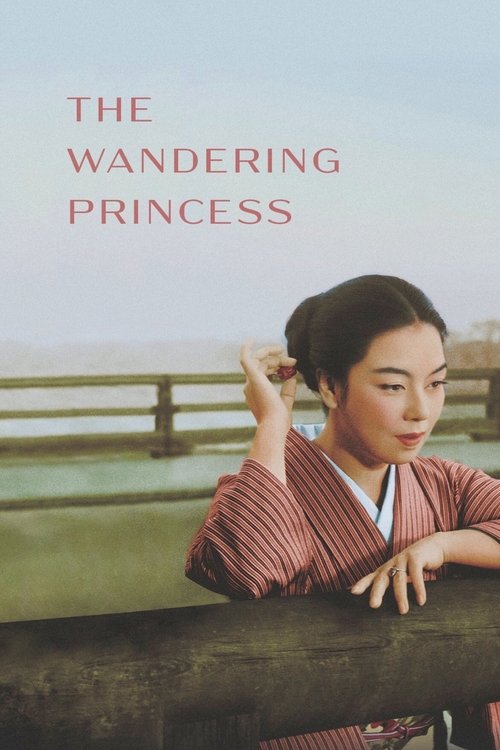
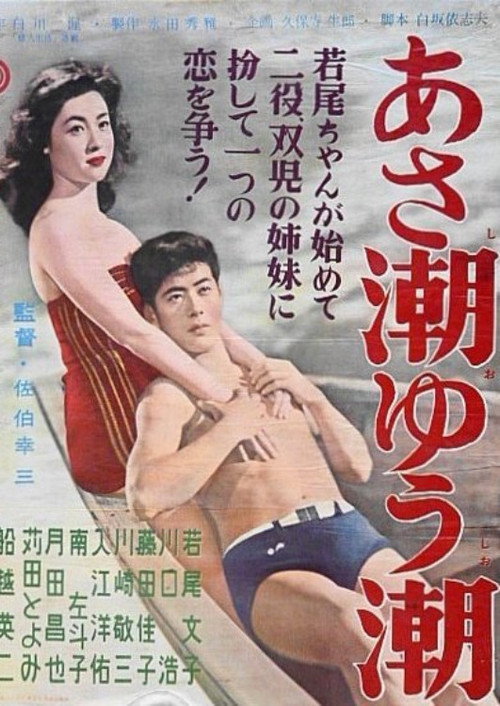
A sweet and melancholy melodrama set against the backdrop of the beautiful Seto Inland Sea, in which a pair of twin sisters, one a young lady of high birth, the other a maid, are manipulated by the threads of fate as they vie for the affection of the same young man.
Two devious retainers are competing to take control of a fief when the current Lord dies, but involving Kyoshiro in the conflict against his will is the textbook example of a bad idea - especially when the collateral damage starts to tick him off.
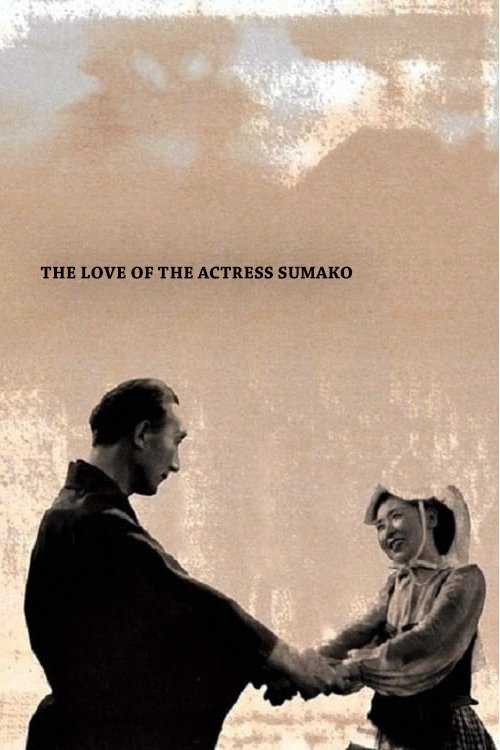
Stage director Shimamura, who is bringing western theatre to Japan, falls in love with outspoken actress Sumako Matsui, and leaves his family to be with her, while trying to keep his Art Theatre solvent.
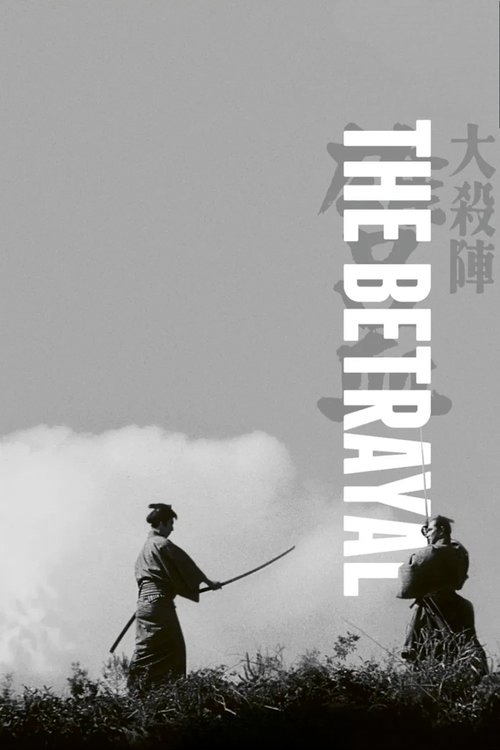
A naively honorable samurai comes to the bitter realization that his devotion to moral samurai principles makes him an oddity among his peers, and a very vulnerable oddity in consequence. He takes the blame for the misdeeds of others, with the understanding that he will be exiled for one year and restored to the clan's good graces after the political situation dies down. As betrayal begins to heap upon betrayal, he realizes he'll have to live out his life as a ronin, if not hunted down and killed.
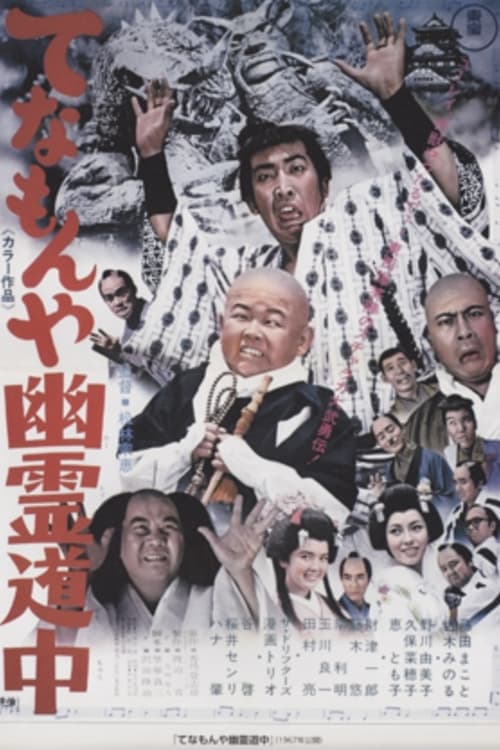
Two travelers (Makoto Fujita and Minoru Shiraki) have adventures along the road including strange supernatural happenings, ghosts, and monsters.
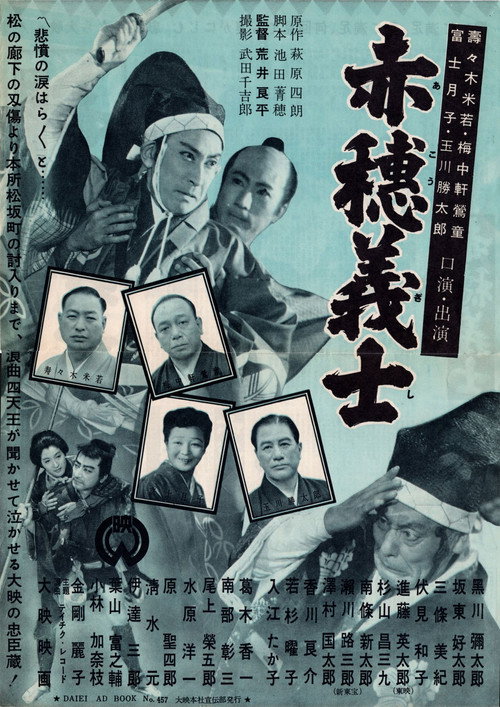
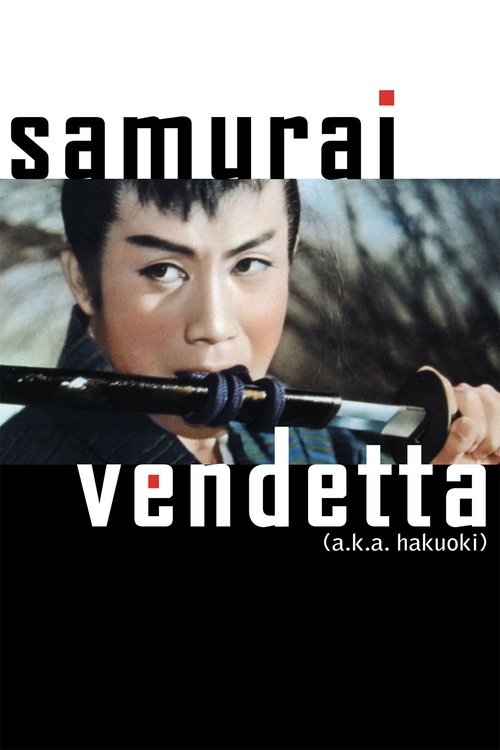
Two amiable samurai wind up on opposite sides of the vendetta between Lord Asano's retainers and the family of Lord Kira that led to the famous revenge of the 47 Ronin.
The sincere clown act performed by a master thief who infiltrates a remote island.
Satoko is a mistress by trade or fate: when her master, the silkscreen artist of the Kohoan Temple in Kyoto, dies, she is given to the temple's lascivious head priest Kikuchi. She is drawn to a melancholy young acolyte, Jinen, who has observed the profligacy of his cruel master and Satoko's utter dependence on the man. Jinen is both fascinated and disturbed by Satoko's interest in him; he is similarly caught between loathing of Kikuchi and of the dark circumstances of his birth and his own moral weakness. The story unfolds in a dreamlike manner—a flashback inspired by a now-infamous image on a silkscreen in the souvenir shop at the so-called Temple of the Wild Geese.