
Vladimir Pitsek
Acting
Known For
Fitil is a popular Soviet/Russian television satirical/comedy short film series which ran for about 500 episodes. Some of the episodes were aimed at children, and were called Фитилёк, Fitilyok, Little Fuse. Each issue contained from the few short segments: documentary, fictional and animated ones. Directed by various artists, including Leonid Gaidai who presented his famous trio of Nikulin, Vitsin and Morgunov into the cast. It was called in USSR as "the anecdotes from the Soviet government".
Fuse
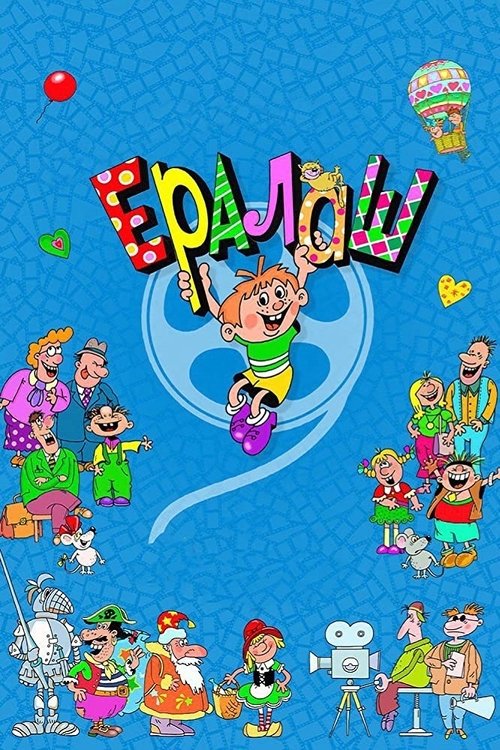
The children's humorous film magazine "Yeralash" is a one-of-a-kind work of cinematography that ironically approaches the solution of everyday problems, focusing on the views and needs of modern society, allowing different generations to achieve mutual understanding.
Yeralash
No description available.
Conscience
Stories from the lives of the tenants of the Moscow's communal apartment: Kostik, who is a college student, lives with his aunt while studying; Arkady Velyurov who is a performing artist; Khobotovs, who are a divorced couple; and Sava, who is Margarita Khobotov's new fiancé. All these people live in one apartment and their lives constantly touch each other's.
The Pokrovsky Gates
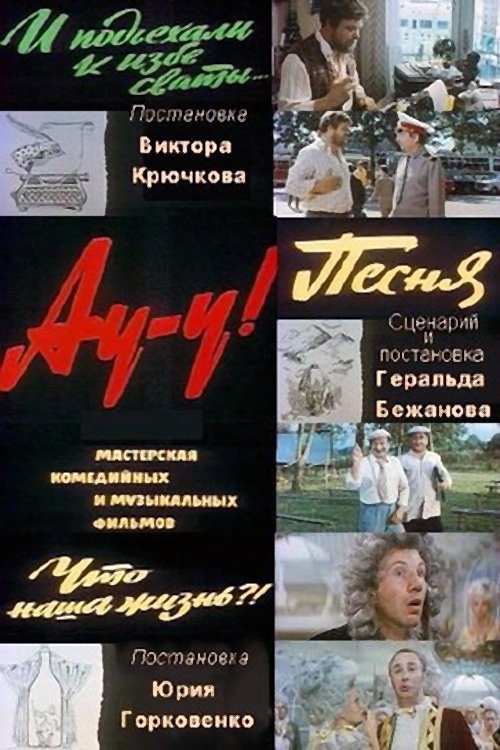
The film comprises three cinematic novellas: (1) “And They Arrived at the Peasant’s Hut… or the Adventures of Writer Senya in Search of the Hidden Word,” in which writer Senya draws inspiration for his rural novels from his housekeeper Yermolayevna’s tales; (2) “The Song, or How the Great Louarsab Organized a Choir,” where a city visitor attempts to form a choir of centenarian elders in a Georgian mountain village; (3) “What Is Our Life?! or What Is Our Life?!”—during a musical reenactment of pre-Revolutionary France, a drunken actor’s tardiness forces King Louis XIV (also the theater committee chairman) and the cast to improvise the play’s ending.
Au-u!
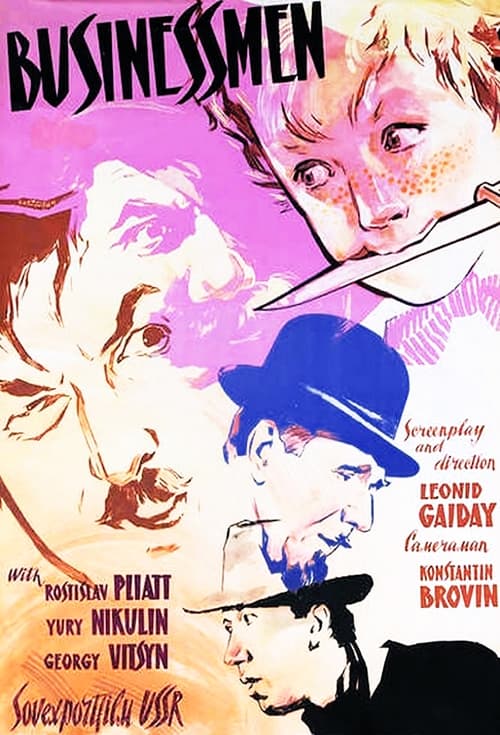
Three stories based on O. Henry novels. (1) Bob Tidball recovers $30,000 in pristine credit cards from a bandit’s sack and races across the plains until his horse breaks its leg. Forced to mount Dodson’s stallion, he’s ambushed and killed by “Shark” Dodson, who seizes the entire loot. (2) A thief slips through a third-floor window to steal a stack of bills from a sleeping gentleman’s dressing table. When the homeowner awakens and raises only one hand against the revolver—his other immobilized by a sudden rheumatic attack—the would-be robber reconsiders his plan. (3) Sam and Bill, two small-time grifters short $2,000 for their swindle, decide to kidnap Ebeneger Dorset’s young son. They demand exactly that sum as ransom, setting in motion a desperate bargain.
Strictly Business
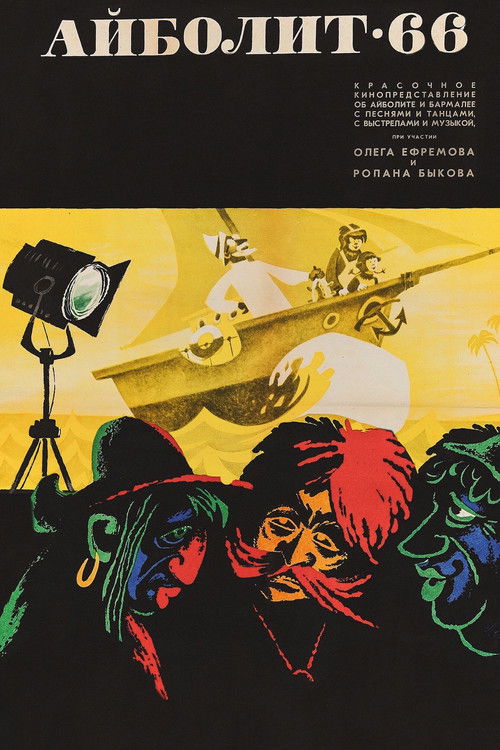
In Africa, monkeys fell ill. This news was reported to Dr. Aybolit by the monkey Chichi, who escaped from the robber Barmaley. Aybolit and his assistants — Chichi and the dog Avva — are in a hurry to save the monkeys from the disease. But Barmaley and his robbers are trying to stop them.
Aybolit-66
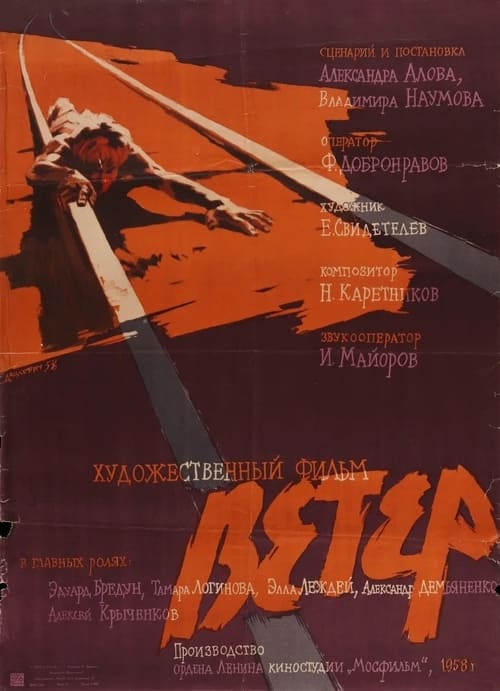
Filmed in the context of the fortieth anniversary of the creation of the Komsomols, the League of Young Communists, tells the story of three youth delegates from the League in 1918, who must make the dangerous journey to Moscow during the civil war to participate in League’s congress.
The Wind
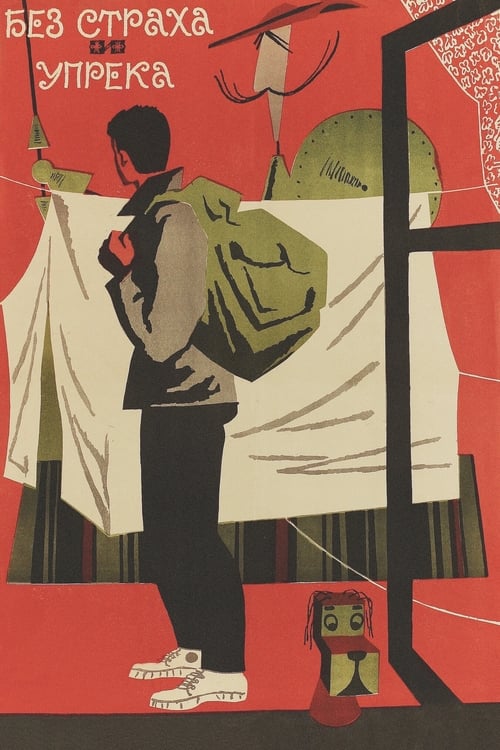
The Soviet boys, Vadik and Yura, together with the mischievous little girl Tosha, are children with a kind heart and good life philosophy. One day they find money on the street, which must be returned to the owner without fail. But where to find an inattentive citizen who has lost not only money, but also a booklet with quite important information. So, begins the time of exciting adventures, breathtaking moments, high-quality humor and instructive-entertaining ideological line.
No Fear, No Blame
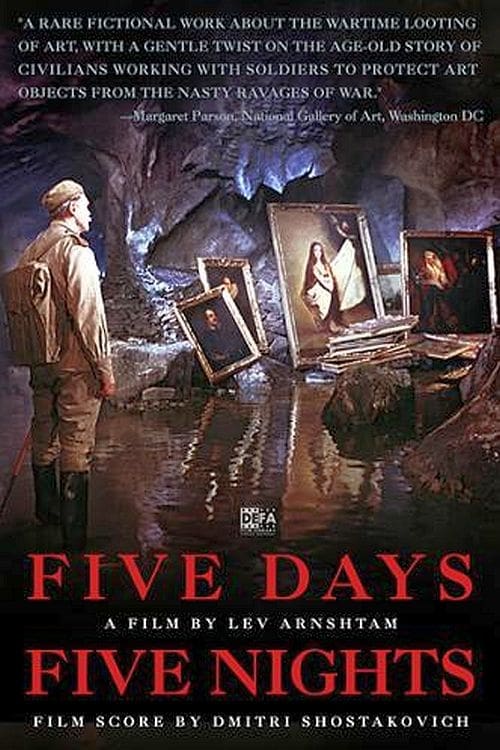
Five Days, Five Nights (Fünf Tage, Fünf Nächte) takes place in Dresden in the immediate aftermath of the Second World War. While Dresden is in ruins, over two thousand paintings by artists including Rembrandt, Raphael, Rubens, Giorgione, and Vermeer have disappeared from the city’s Old Masters Picture Gallery. Red Army captain Leonov and his soldiers have been ordered to recover the lost paintings. During the next five days, Dresden’s residents join the search for the collection. A secret Nazi document offers a first lead…
Five Days, Five Nights
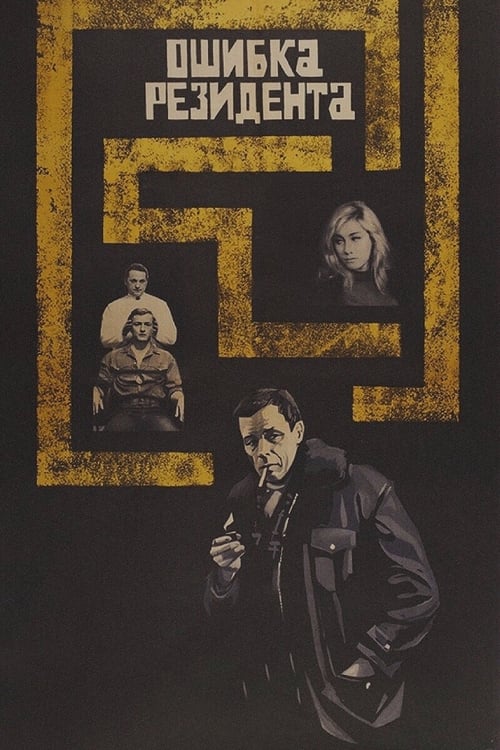
In the spring of 1961, KGB officers received information that an experienced intelligence officer Mikhail Zarokov, son of the Russian emigrant Count Tulyev, with extensive international experience and knowledge in various operations was abandoned on the territory of the Soviet Union. He is sent to Russia to carry out a very difficult and risky task, which is directly related to the nuclear industrial complex and transfer the collected information abroad...
The Secret Agent's Blunder
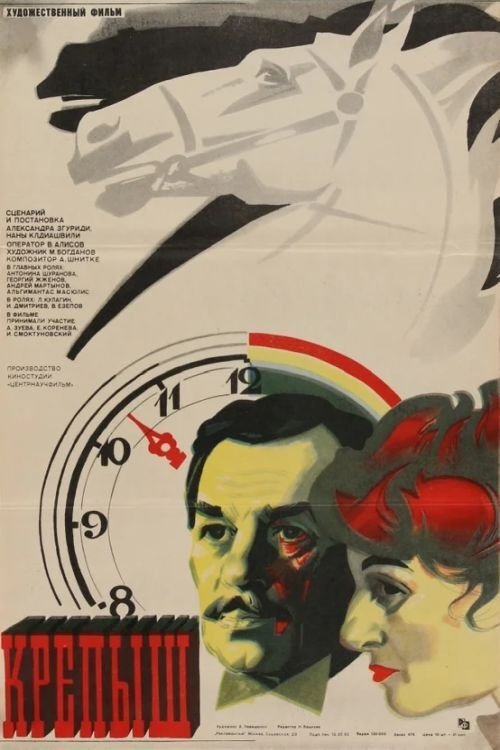
Follows the famous Oryol trotter, multiple champion of the beginning of the century. Then - in sharp battles on the tracks of hippodromes - the fate of domestic horse breeding was decided. The world of animals and people is shown through the perception of a horse named Big Boy.
Big Boy
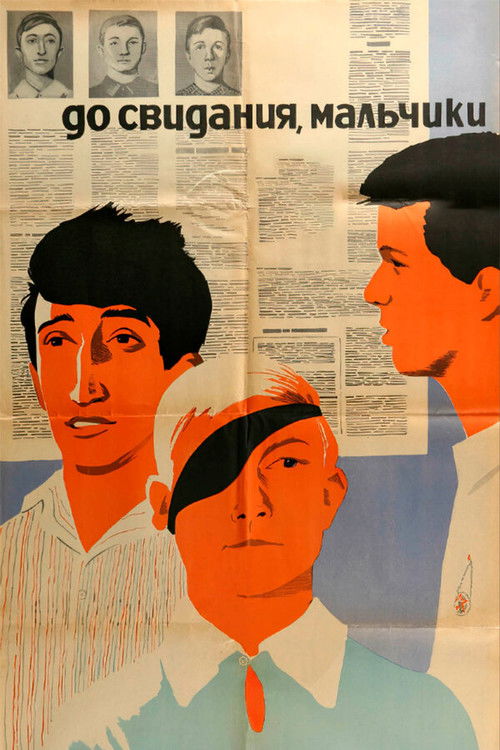
Goodbye, Boys! is the coming-of-age tale of three teenagers graduating from a Communist school during World War II. It's summer, and their main goals are swimming in the Black Sea and wooing the girl all three of them love. However, they are asked to become officers in the military, and slowly their worlds begin changing forever. Their parents oppose them, they begin fearing losing each other and their families, and the military tricks and maneuvers them into joining the army instead of the navy.
Goodbye, Boys!
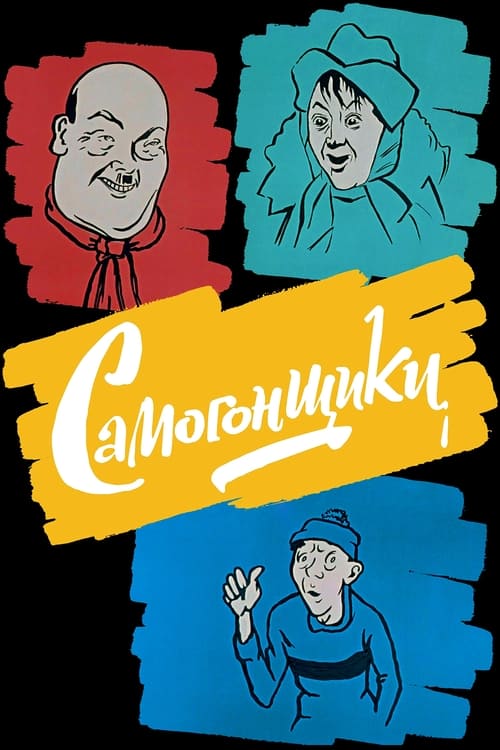
This is the second silent (save for a song) slapstick comedy short about adventures of Worldly, Coward, and Fool. In a small hunting lodge three friends are making illegal moonshine. Bottled "product" fills shelves quickly. Life is good. But their dog Barbos doesn't understand that bringing a moonshine condenser coil to a police station is a bad idea...
Bootleggers
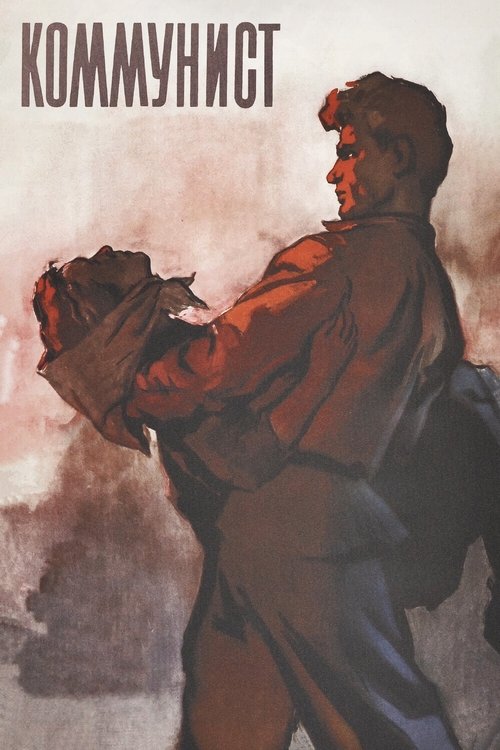
A young ordinary communist, Vasiliy Gubanov, was among many who took part in the construction of the most important facility for the young republic, the power plant. He did his job in a way that was beyond human ability. He could love, too, with a passion and a passion for self, but his life was cut short very early.
The Communist

A successful young journalist goes to a small industrial city in order to understand the written complaints of a certain girl. When he met the author of the letters and the girl whom she had slandered, he didn't immediately understand the complexity of the situation and the measure of responsibility to those whom he was obliged to protect...
The Journalist
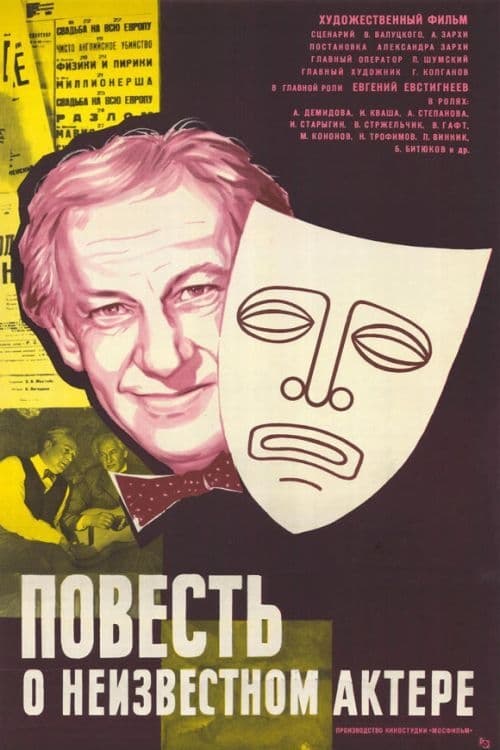
Pavel Pavlovich Goryaev is not that young of an actor. For many years he plays in the provincial theater in leading roles. The director of a play based on a play that was written for Goryaev takes the young actor for his role. Goryaev at first falls into despair, leaves the theater, turns to friends. After a while he digests what happened and realizes that it is time to leave the stage with dignity.
Story of an Unknown Actor
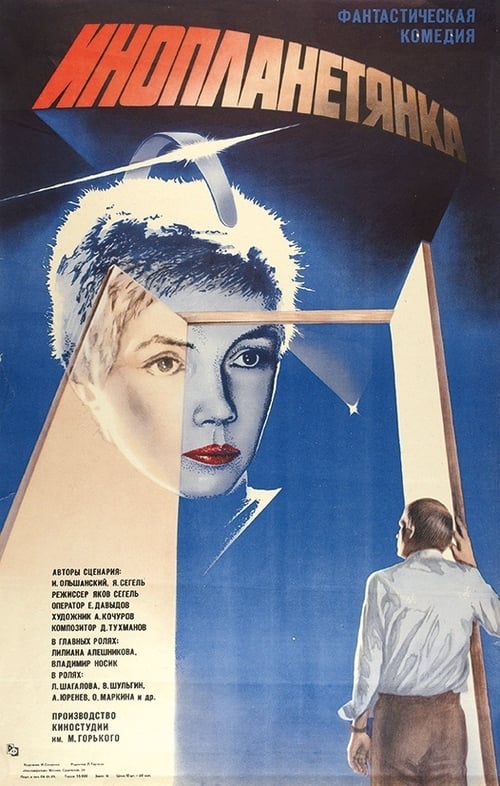
Extraterrestrial Girl visited Earth. Inventor Blinkov fe in love with her. His love has awakened in her new emotions and feelings but she realized that Blinkov can not live in a different world.
The Extraterrestrial Woman
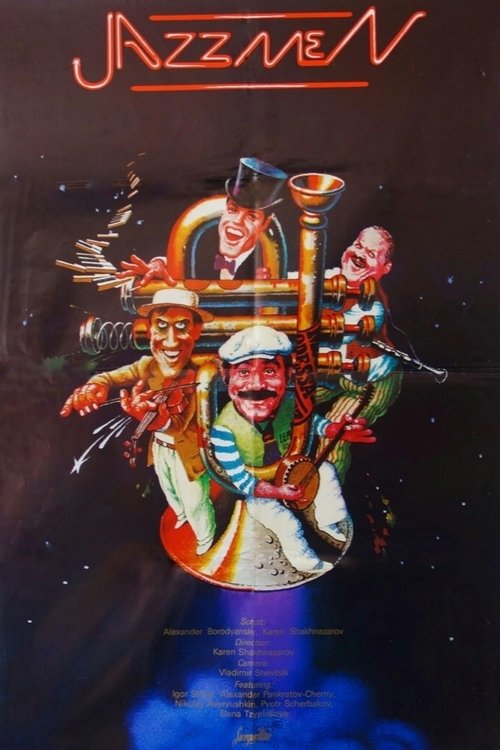
A music student is expelled from school because he loves jazz, a kind of music that represents the US capitalism. He hires two street musicians to form a dixie band, and goes from one city to another trying to gain fame.
We're from Jazz
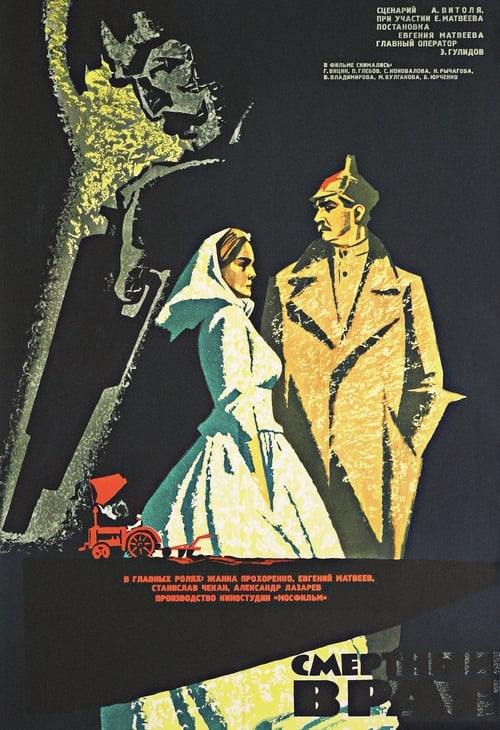
Based on the Don stories by Mikhail Sholokhov. Soviet power was only established on the Don, and a conflict broke out in the first commune: the wife of the commune’s leader Arseniy Klyukvin, having believed the promises of the white officer, fell in love and went to live with him with the child. She doesn't want to hide her feelings, but unable to withstand the bestial attitude of a white officer, she returns back to the Bolshevik.