Ján Gubala
Acting
Known For
No description available.
Pavol zasahuje
No description available.
Naši synovia
No description available.
Jedenáste prikázanie
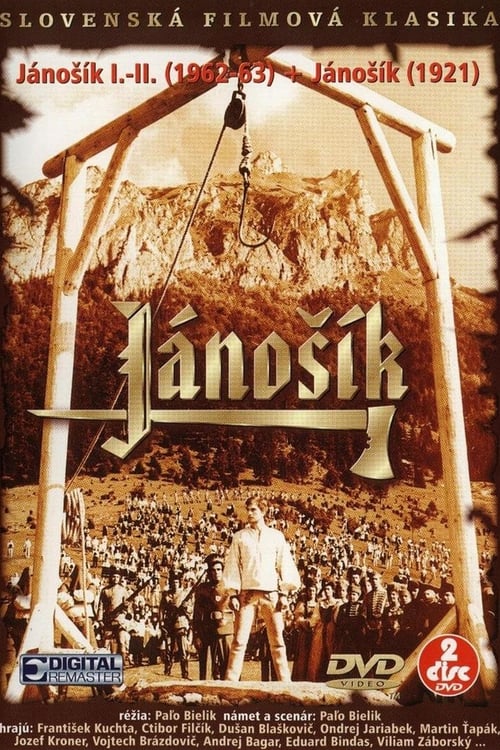
This film is one of the most popular pictures of Slovak cinema and relates the story about the legendary folk hero and brigand Juro Jánošík [1688-1713] and the social situation in Slovakia of the late 17th and early 18th centuries. The first part talks about Jánošík's childhood, studies and return to his native village. In the second part Jánošík leaves for the hills, where he organizes his band of brigands and starts an anti-feudal resistance. The film concludes with Jánošík's execution.
Jánošík
No description available.
Generácia
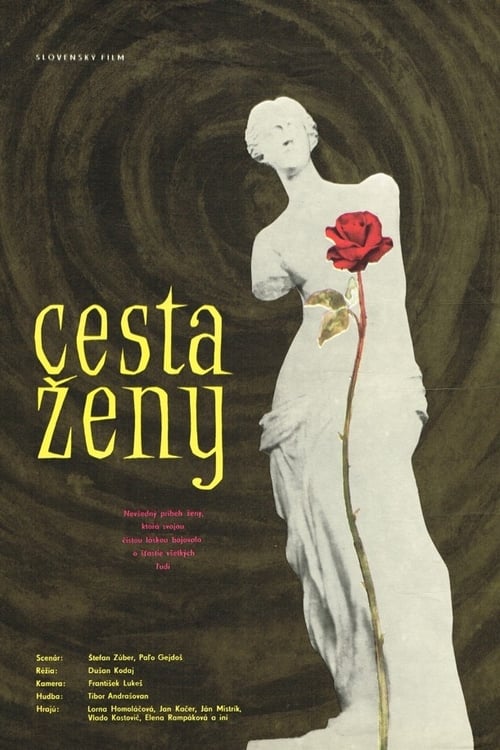
A chronicle of dramatic events capturing the fates of people living in a Slovak village just after World War II. Thirty years later, the main character Anna recalls a decision that fundamentally changed her life. During the period of incipient collectivization, she chose happiness and a difficult life with a poor man founding a cooperative in the village, although this significantly weakened her relationship with her own mother and at the same time interrupted a long-standing tradition in relation to the preservation of family property.
Cesta ženy
No description available.
Reťazenie
No description available.
Vzbúrené mesto
A balladic story situated in a Slovak mountain region before the 2nd World War. A young man returns to his native village after many years. There he meets Zuna, a mysterious girl of the forest, who opens his eyes to the charming nature to perceive hidden corners of the world and of his own soul.
The Bride of the Mountains
No description available.
Najkrajšie roky života
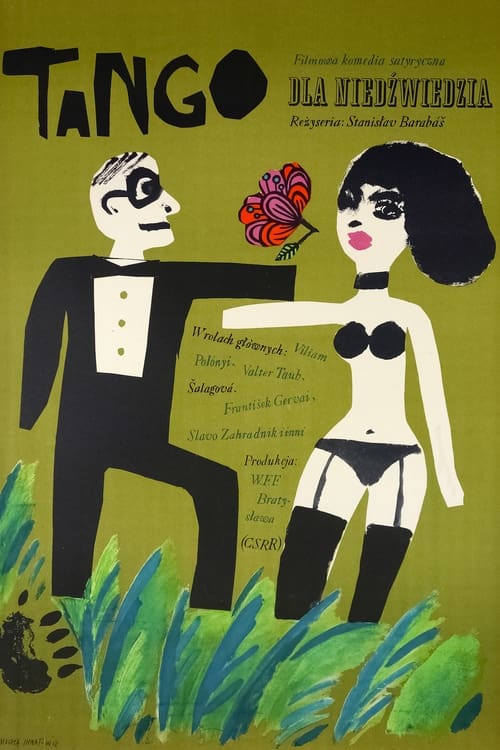
The unhappy and desperate director of the Šúpala Zoo tries to sell a sick bear to a foreign tourist for shooting, because the purchase of other animals for the ZOO is only possible with anti-socialist currency, i.e. hard currency, and so the administrator does everything possible and impossible just to get them...
Tango pre medveďa
The TV dramatization of PO Hviezdoslav's epic tells of a time when the feudal system as a social force begins to disappear. Its only salvation is to merge with the people. Ežo is a supporter of this idea.
Ežo Vlkolinský
No description available.
Bývalí ľudia
On Christmas Eve, 1944, in Nazi-occupied Slovakia, the Kubiš family grapples with survival amidst brutal reprisals. Marián collaborates as a fascist guard leader, while his sister Angela has an affair with their Nazi lodger, Major Brecker. The situation escalates when their younger son, Juraj, a former partisan fighter, returns home wounded. As Germans search homes for escapees, Juraj hides in the attic, while an unsettling Christmas dinner unfolds below with Major Brecker present.
Midnight Mass

Maria, an inn keeper, is always a bride but never a wife. She meets newcomer Pierre, who disturbs the peace of the small village and teaches the locals how to enjoy life. E. Havetta's debut was inspired by naïve art, French impressionism, silent slap-stick and Western Slovakian folk traditions.
Celebration in the Botanical Garden

An apocalyptic story of three wars in three film tales encompassing the end of the WWI,WWII, as well as a vision of the world destroyed by nuclear weapons. This film was honored at the film festivals in Venice and Sorrento. Immediately after that the copy with Italian subtitles was locked in a safe as evidence of the anti-communist activities of the director, who used real footage of the Soviet invasion.
The Deserter and the Nomads
A television film, an adaptation of Vladimír Mináč's first novel. The dramatic story of two brothers during the Slovak National Uprising provides artistic testimony to authentic events from the Slovak mountains in 1944.
Smrť chodí po horách
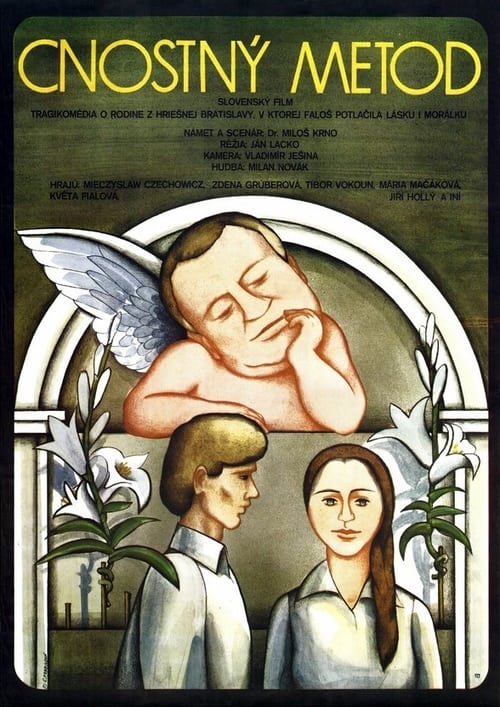
No description available.
Cnostný Metod

Traveling salesman in a small town before WW2 makes a solemn promise to kill himself. Later he finds that the local people took him very seriously.
The Death of Mr Goluza
A psychological film depicting the professional beginnings of a young architect. As the head of a design studio, his uncompromising attitude arouses hostility and hatred from colleagues and subordinates accustomed to an easy life through patronage and bribery.