Acting
No description available.
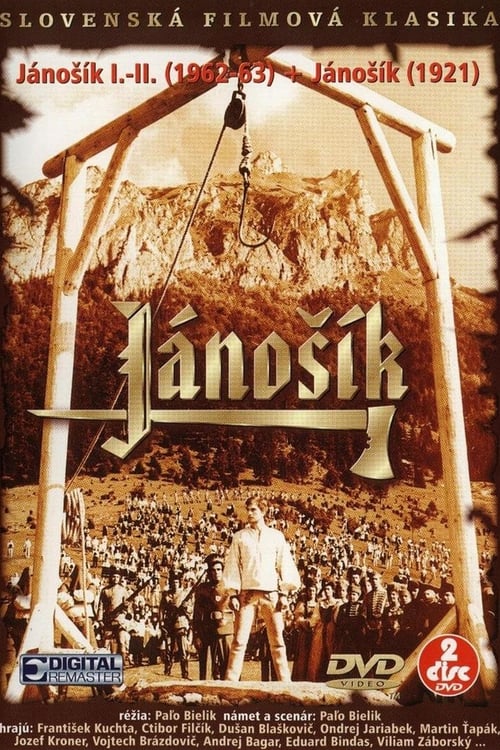
This film is one of the most popular pictures of Slovak cinema and relates the story about the legendary folk hero and brigand Juro Jánošík [1688-1713] and the social situation in Slovakia of the late 17th and early 18th centuries. The first part talks about Jánošík's childhood, studies and return to his native village. In the second part Jánošík leaves for the hills, where he organizes his band of brigands and starts an anti-feudal resistance. The film concludes with Jánošík's execution.
Traveling salesman in a small town before WW2 makes a solemn promise to kill himself. Later he finds that the local people took him very seriously.
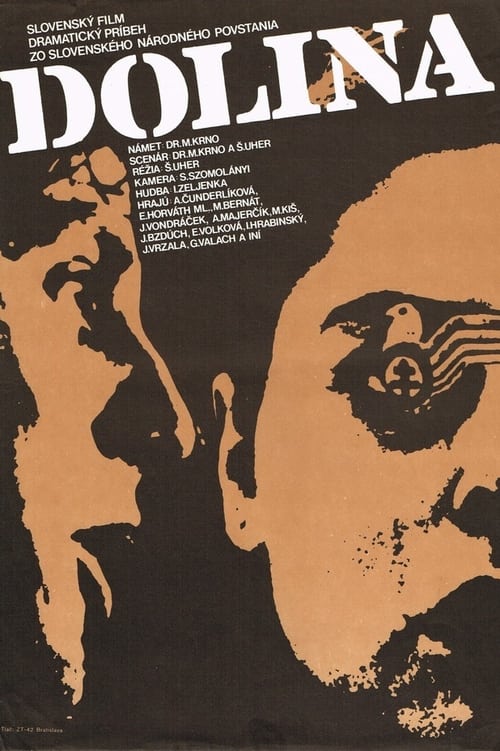
A television film, an adaptation of Vladimír Mináč's first novel. The dramatic story of two brothers during the Slovak National Uprising provides artistic testimony to authentic events from the Slovak mountains in 1944.
Once upon a time there was a king who had only one daughter. However, his kingdom was sad because the old king was always grumpy. Moreover, he liked to eat boiled duck, of course. There was no one left in the kingdom, so he decided that whoever brought him his delicacy would get the princess as his wife.
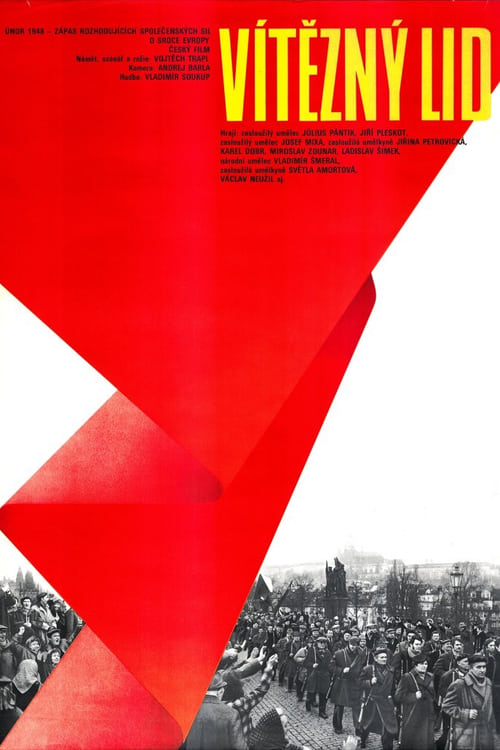
February 1948. The struggle of decisive social forces for the heart of Europe.
Maria, an inn keeper, is always a bride but never a wife. She meets newcomer Pierre, who disturbs the peace of the small village and teaches the locals how to enjoy life. E. Havetta's debut was inspired by naïve art, French impressionism, silent slap-stick and Western Slovakian folk traditions.
A dramatic love story in the front line.
A television film about the life and times of Slovak emigrant Štefan Banič, who was granted a patent in the United States for the invention of the parachute.
An apocalyptic story of three wars in three film tales encompassing the end of the WWI,WWII, as well as a vision of the world destroyed by nuclear weapons. This film was honored at the film festivals in Venice and Sorrento. Immediately after that the copy with Italian subtitles was locked in a safe as evidence of the anti-communist activities of the director, who used real footage of the Soviet invasion.