Jiří Prýmek
Acting
Known For
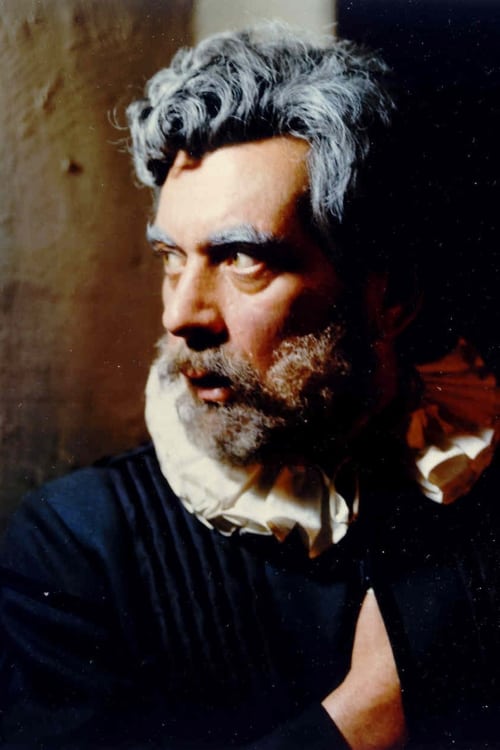
Series about the life of Renaissance anatomist, scholar and politic Johannes Jessenius. Already legendary series today, was produced by Czechoslovak Television Bratislava, directed by Slovak director Miroslav Luther in the first half of 80's in Barrandov Studios in Prague. The story and screenplay of the series wrote Czech writer Vladimír Körner. Five-episodes epic historical narration is a biographical story of distinguished Renaissance scholar, anatomist and politic of Slovak origin, Johannes Jessenius (Ján Jesenský, 1566–1621). It displays his life from the first studies and successes. In 1594 he became professor of surgery and anatomy on Wittenberg University, which he had attended years before. From that moment, his life went through social and personal wins and losses, to the sad end on the Prague Old Town Square gallows, among 27 noblemen, knights and burgenses, after lose Bohemian Revolt in 1621. His destiny was coupled with key events of Czech history in the break of 16th and 17th century, when Renaissance and European humanism slowly fade out.
The Physician of a Dying Time
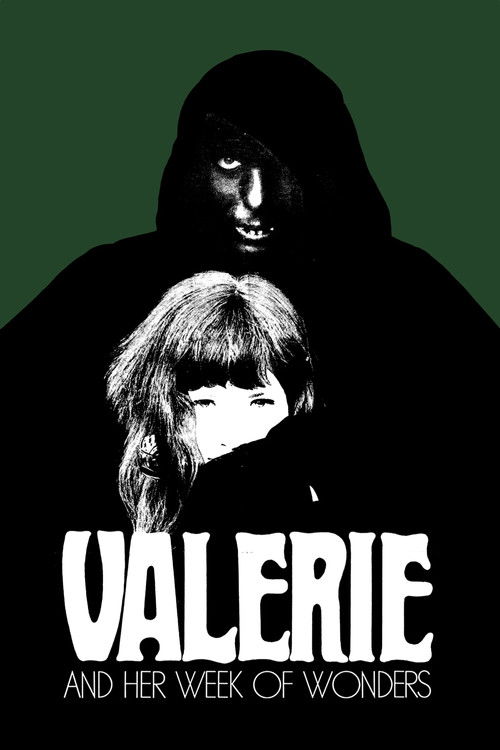
Valerie, a Czechoslovakian teenager living with her grandmother, is blossoming into womanhood, but that transformation proves secondary to the effects she experiences when she puts on a pair of magic earrings. Now seeing the world around her in a different light, Valerie must endure her sexual awakening while attempting to discern reality from fantasy as she encounters lecherous priest Gracian, a vampire-like stranger and otherworldly carnival folk.
Valerie and Her Week of Wonders
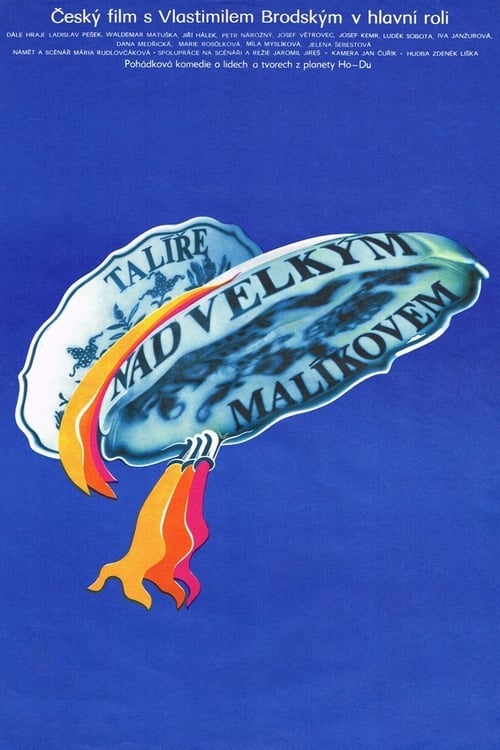
A model Communist village is visited by a flying saucer.
Flying Saucers Over Our Village
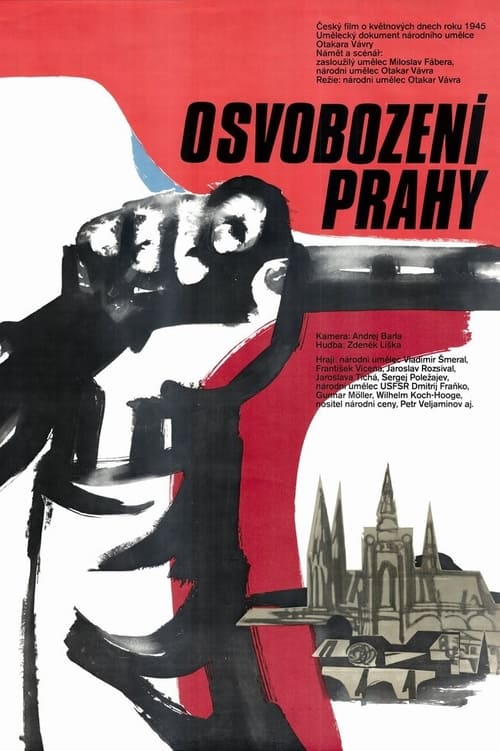
On 20th of April 1945 the Soviet army launches its attack on Berlin. The end has come for Nazi Germany and Hitler decides to commit suicide. In Prague K.H. Frank (Nazi Secretary of State and Chief of police in the Protectorate of Bohemia a Moravia) discusses with his commanders how to transform the city into an impregnable fortress, but the Praguers do not intend to wait any longer. From the early hours of 4th of May people start assembling in the streets and tearing down German signs. On the next day, the 5th of May, the uprising begins.
The Liberation of Prague
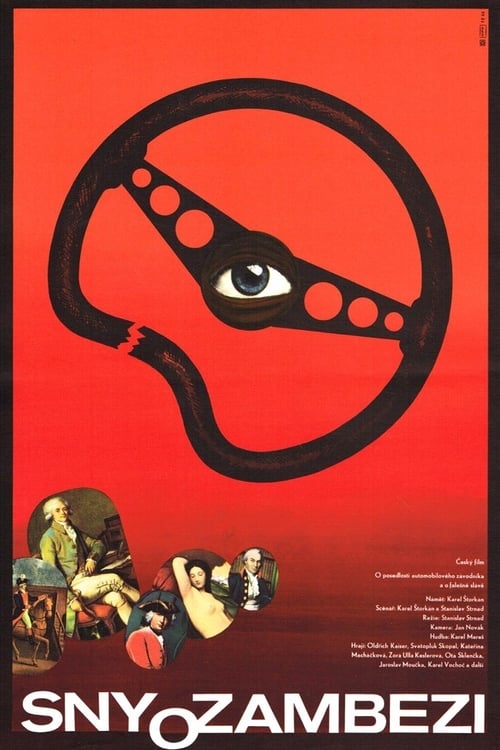
Two aspiring car racers have a big dream: they want to make a journey to the heart of Africa. But their value system is severely skewed, and one of them is willing to steal to do it. What's more, he causes a car accident, from which he tries to escape, and ends up in prison.
Sny o Zambezi
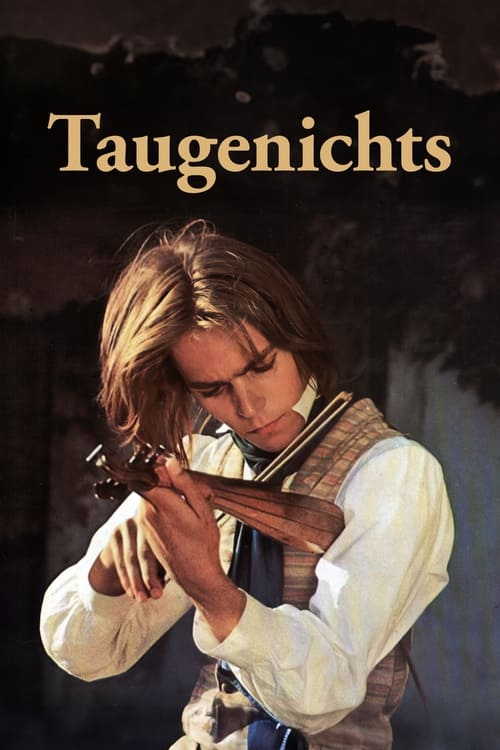
A young man seeks freedom and eventually gets conformed. To escape society, he wanders south. After some adventures he returns to his lover, where he expects a civil career.
Good-for-Nothing
At the beginning was the Slovak television series Lekár umierajúceho czasu (Doctor of Dying Time), dedicated to the Rudolphine-era scientist Jan Jesenius. He ended up on the scaffold along with other gentlemen after losing the anti-Habsburg uprising. When director Miloslav Luther conceived the idea of making an abridged version of the footage for cinema, he had to not only rebuild the storyline but also dub it into Czech. However, the result was only an illustrative puzzle, describing the various stages of the hero's turbulent life.
Svědek umírajícího času
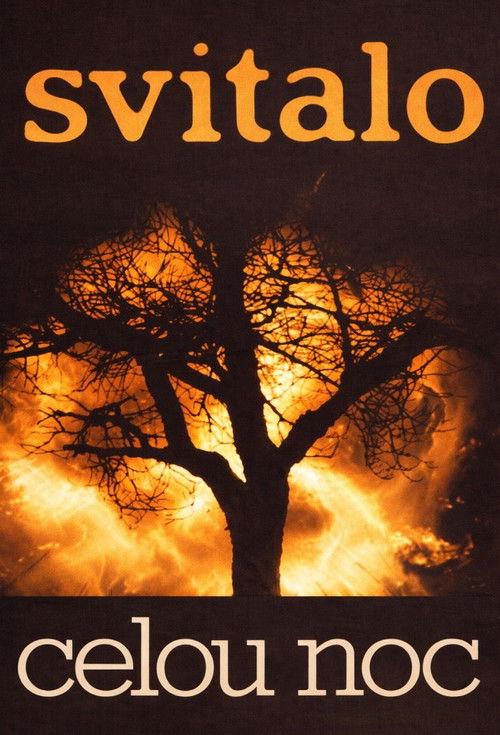
The Czech film Svítalo All Night was made to commemorate the 35th anniversary of the liberation of Czechoslovakia by the Soviet Army and is dedicated to all those who fought and gave their lives in Prague in the May Uprising of 1945. Behind the historical events, the creators see mainly their simple, unassuming participants. Thus, we are presented with a number of apt portraits, whether it is the central hero Dr. Soukup and nurse Daniela on the side of the fighting Czechs, or a captain and a simple private in a Red Army unit coming to the aid of the fighting Prague, or an old, war-weary German major, who only realises the senselessness of the war at the sight of a fanatical, cynical lieutenant for whom Nazi ideology represents the meaning of life.
Svítalo celou noc
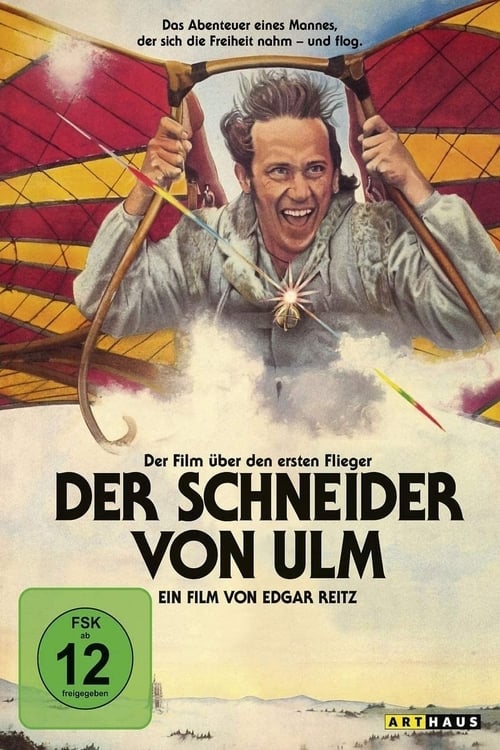
The true story of the Bavarian Tailor Albrecht Berblinger who, after a strange encounter with a balloon starts building a flying machine. Although not an engineer by profession, he never gives up. No matter how many obstacles are put in his way nor how many failures he endures, his ardour is never dampened. He continues with his dream to fly like a bird.
The Tailor from Ulm
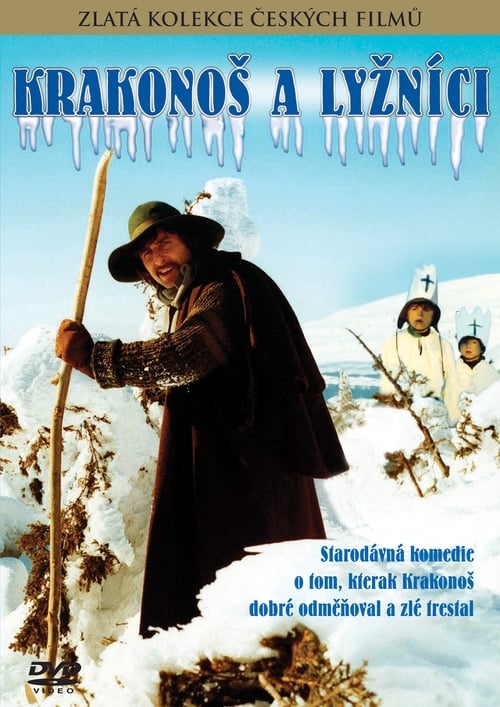
Matej and Jenda, two of the eight children of the poor Pelc family in the Giant Mountains, help in a glass works where the oldest brother Francek works. They hide into a tub not to be seen by supervisors checking on the ban of children labor. They miss the Epiphany carol (songs and treats door-to-door) and all neighbor village boys again on them in all the neighbor houses. On their way home they are passed by a fast moving big man with a large backpack. The boys send the customs officers, who are pursuing the strange man, to the opposite direction. The man then thanks them and rewards them the next day. Based on fairy-tales and legends the boys think the man is Krakonos (the giant living and ruling in the Giant Mountains).
The Krakonos and the Skiers

Traveling salesman in a small town before WW2 makes a solemn promise to kill himself. Later he finds that the local people took him very seriously.
The Death of Mr Goluza
Funny banter about love, sex, social status, and other ideals, while a new railway employee is trained and sent on his first run as driver.
Calamity
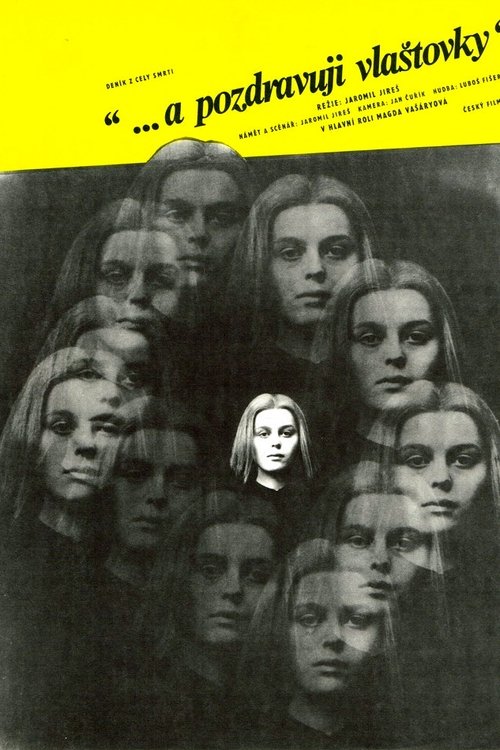
This film, chronicling the last days of Czech resistance fighter Maruska Kuderikova (played by Magda Vasaryova), is based on her diaries. Though she was tortured and eventually executed by the Nazis, her diaries indicate that she was optimistic for the humanity of her captors and did not by any means hate them. Told with simple dignity, this film makes clear why Maruska became a national hero.
And Give My Love to the Swallows
Roman Hlava grew up with his diplomat parents in Latin America where he had been home-schooled by his over doting mother. The over indulgence of affection and praise has given the boy an over confidence. This is quickly squashed by his new peers when the family returns to the Czech Republic. This leads to neurotic tics and the nickname Mrkácek the 'Blinker.' A stay at a children's camp provides new friends, acceptance, an appreciation of nature, a new outlook on life, and loss of the tics.
Blinker-Ciko
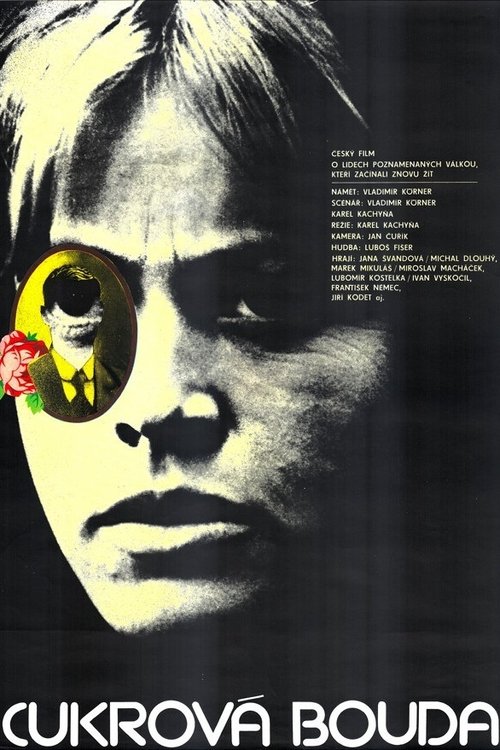
In the final days of the Second World War in 1945 Frantisek Pribyl is killed during a shoot-out with the Germans. After the funeral, the widow (Jana Svandová) and her two young sons Martin and Ondra move to her deceased husband's native village at the foot of the Kralický Snezník mountains. Life in the borderlands is far from easy for the lonely woman. The village is almost deserted, food supplies are delayed; the Werwolf (Nazi guerrilla squads) are hiding in the mountains, and shooting is heard from time to time. The elder son Ondra (Michal Dlouhý) is helping out his mother and at the same time absorbing intense new experiences. He meets an old Czech resident Skurek (Lubomír Kostelka), German women working in the forest, soldiers from the engineering units removing the mines, and a young first lieutenant. At night he dreams about his dead father whom he loved very much. This is why he runs away from home when he finds out that the lieutenant is courting his mother.