Writing
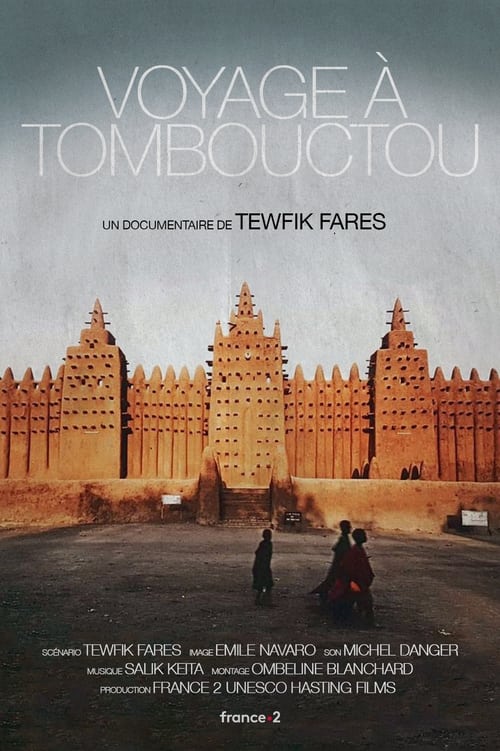
In 200,000 years of existence, man has upset the balance on which the Earth had lived for 4 billion years. Global warming, resource depletion, species extinction: man has endangered his own home. But it is too late to be pessimistic: humanity has barely ten years left to reverse the trend, become aware of its excessive exploitation of the Earth's riches, and change its consumption pattern.
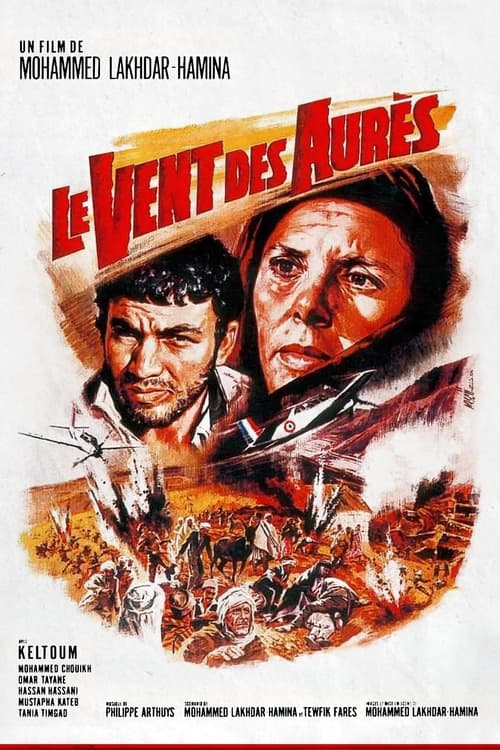
A meticulous chronicle of the evolution of the Algerian national movement from 1939 until the outbreak of the revolution on November 1, 1954, the film unequivocally demonstrates that the "Algerian War" is not an accident of history, but a slow process of suffering and warlike revolts, uninterrupted, from the start of colonization in 1830, until this "Red All Saints' Day" of November 1, 1954. At its center, Ahmed gradually awakens to political awareness against colonization, under the gaze of his son, a symbol of the new Algeria, and that of Miloud, half-mad haranguer, half-prophet, incarnation of Popular memory of the revolt, the liberation of Algeria and its people.
In the streets of the Casbah of Algiers, an FLN fighter pursued by the colonial police hands over confidential documents to Mourad, an Algerian child shouting newspapers who must at all costs pass them on to the resistance. But the police are on their trail and will do anything to get them back.
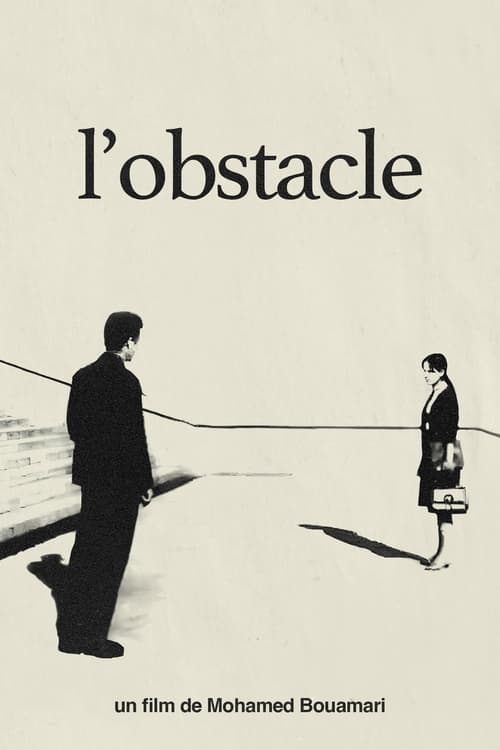
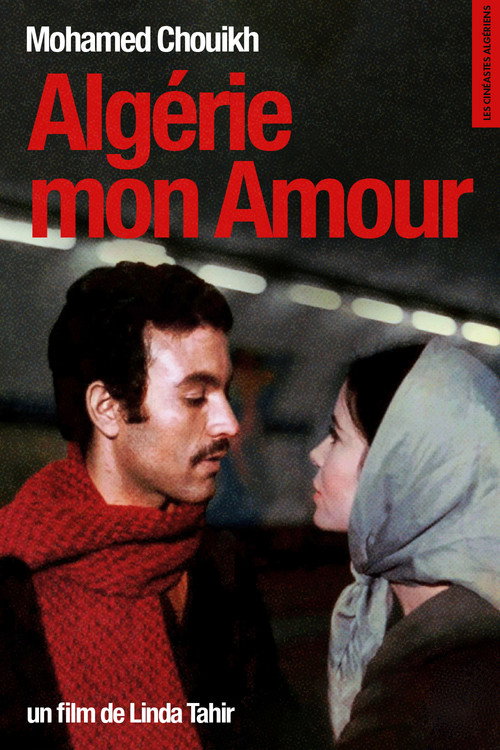
Algerian youth of the 1960s, straddling traditional South Mediterranean and Western culture and the desire for emancipation of younger generations to find true love.
The transformations of the daily life of the Algerian people during the destructive French occupation, then during the war of liberation. While military repression is in full swing, a peasant woman finds herself alone in her mountain home when her only son is kidnapped by French soldiers shortly after her husband's death during a raid. One day, seeing a dead chicken, which she considers a bad omen, she decides to leave home and embarks on a painful journey through the mountains. Accompanied by a couple of chickens, she moves from one detention camp to another in a desperate search for her missing son. The film is inspired by the events experienced by the director's family.
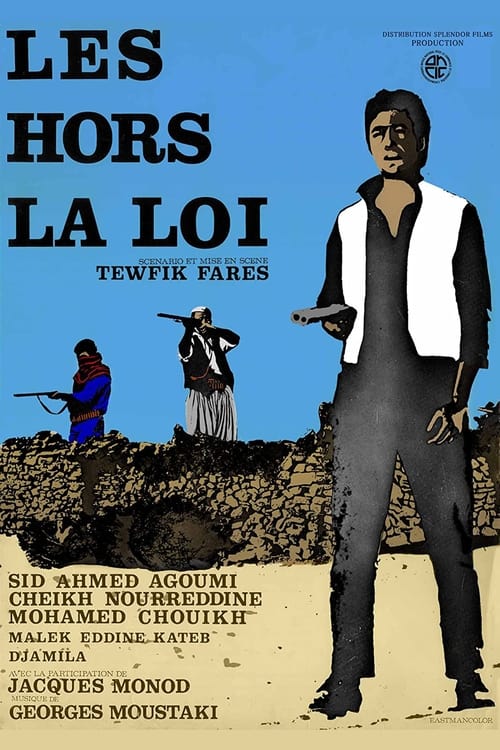
In prison in colonial Algeria, shortly after the end of the Second World War, three indigenous cellmates make out. Once free, they attack the authority represented by the triad of the boss, the gendarme and the administrator. “Living the colonial condition,” confided Tewfik Farès, “is something! It’s not sociologically or historically speaking. It’s life. And I think that’s all there in it. [...] For a hundred and thirty years, we wait. We hold back. We push back. We hope. At the same time, on different occasions, there are skirmishes, unrest.
No description available.
This portrait from the "Algerian Filmmakers" collection, created by Linda Tahir-Meriau, focuses on Mohamed Chouikh, born in 1943 in Mostaganem, an Algerian actor and director. In 1965, he starred in one of the first major Algerian films, "L'Aube des Damnés" (The Dawn of the Damned) by René Vautier and Ahmed Rachedi. In 1966, he appeared in "Le Vent des Aurès" (The Wind of the Aurès) by Mohammed Lakhdar-Hamina. The film won the Best First Feature Award at Cannes. Until 1970, Mohamed Chouikh devoted himself primarily to his acting career in theater and film. It was Michel Drach's film, "Elise Ou La Vraie Vie" (Elise, or Real Life), based on the novel by Claire Etcherelli, that brought him to the attention of French audiences. In the 1970s, he became a director for Algerian television. In 1989, he directed "The Citadel", which was selected for more than 70 international festivals and won around twenty awards.
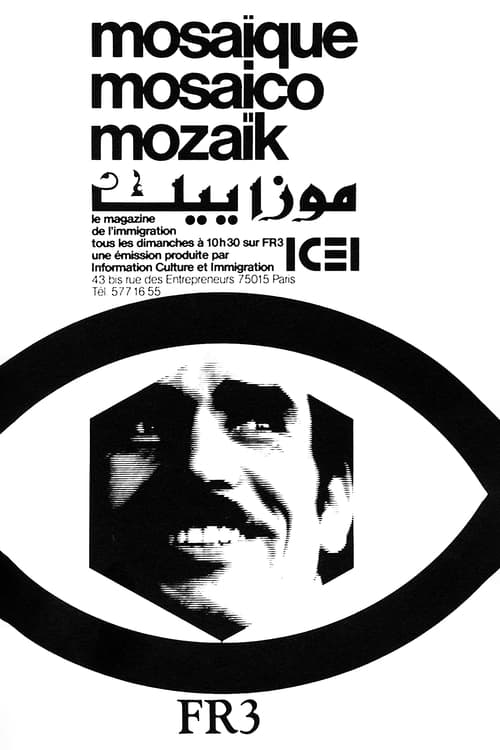
Broadcast from 1977 to 1987 on FR3, every Sunday morning, for 1h30, Mosaïque is a variety show with a set where music groups from the countries of origin of immigration perform, and which broadcasts reports on these countries and on immigrants who live in France. When it was created, it aimed to promote the cultures of origin of immigrants, but also to make them better known to the rest of the population. However, the program was never financed by public television which considers that it was aimed at a specific audience and was therefore not part of a public service mission. It received financial support from the Ministry of Labor, through its subsidy to the National Office for the Cultural Promotion of Immigrants, ONPCI (later becoming Information Culture and Immigration, ICEI, in 1977, then Agency for the Development of Intercultural Relations , ADRI). , in 1982).
From the “integration model” to the “Islamist fanatic”, France fantasizes about these children of immigrants who grew up with it. Like every month “What I’m Meddling With!” presents portraits, the result of an in-depth investigation, to give a face to today's questions. The program, broadcast in the thematic evening of the Franco-German channel Arte, is made up of 2 ambivalent documentaries: "Les Lumières De La Zone" and "Les Soldats De Dieu" followed by debates.