Acting
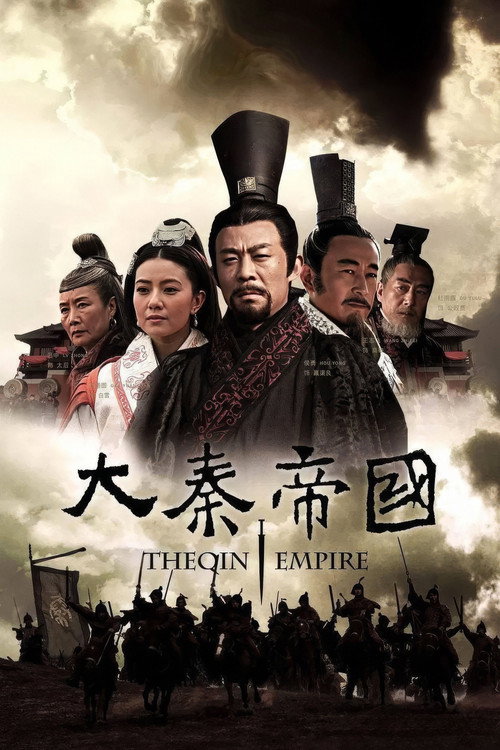
The rise of the Qin state in the Warring States period during the reign of Duke Xiao of Qin.
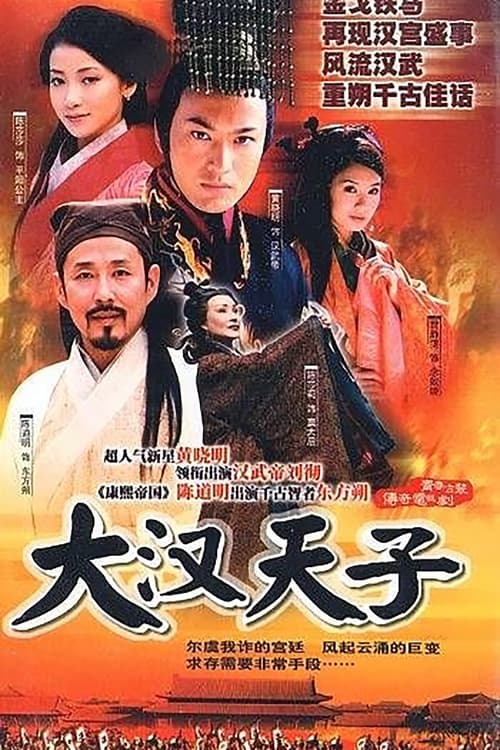
The Emperor in Han Dynasty,[1] also released under the title The Emperor Han Wu in some countries, is a 2005 Chinese historical television series based on the life of Emperor Wu of the Han dynasty. It uses the historical texts Records of the Grand Historian and Book of Han as its source material. The series covers the life of Emperor Wu from his early childhood to his death and some events in the reign of Emperor Jing (Emperor Wu's father and predecessor), such as the Rebellion of the Seven States. It follows the conflicts that defined the pivotal war between the Han Empire and the Xiongnu, and depicts the major victories that the Han scored over the Xiongnu during Emperor Wu's reign. Prominent historical figures such as the generals Li Guang, Wei Qing and Huo Qubing, as well as the diplomats Su Wu and Zhang Qian, also make appearances as supporting characters in the series.
The Prince of Han Dynasty is a three-season Chinese television series featuring a fictionalised life story of Liu Che, Emperor Wu of the Han Dynasty. Season 1 was first broadcast on Beijing Television in 2001 in mainland China, followed by the second and third seasons in 2003 and 2005 respectively. Except for Huang Xiaoming, who played Emperor Wu in all three seasons, the cast members in each season are almost different from its preceding one.
No description available.
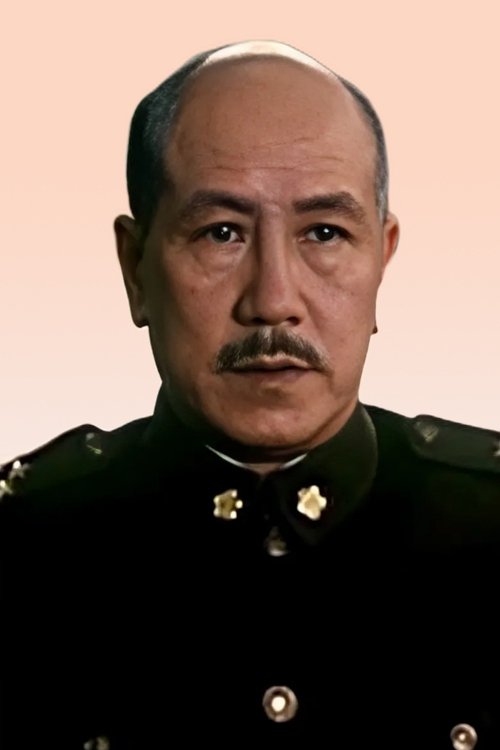
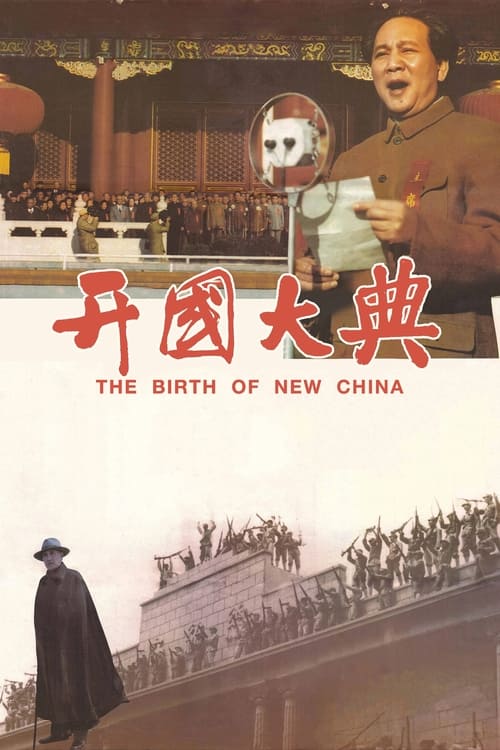
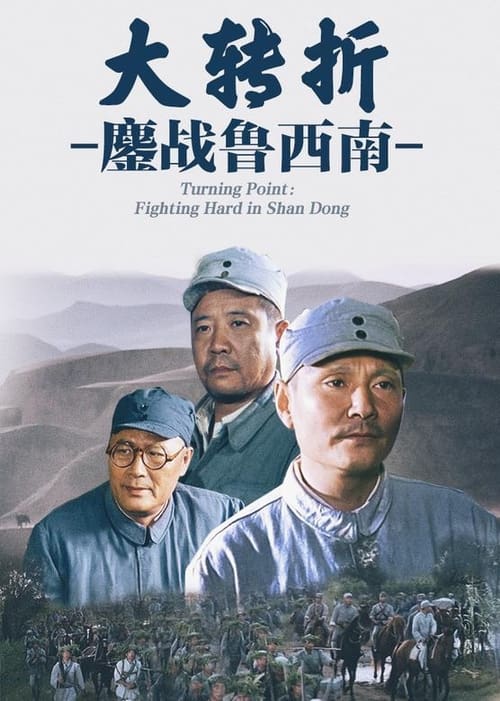
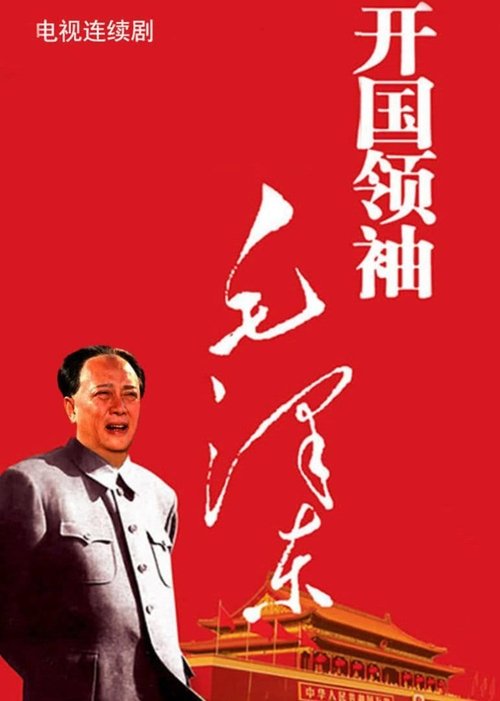
In the spring and summer of 1949, the People's Liberation Army launched an offensive under the orders of Mao Zedong and Zhu De, they crossed the Yangtze River and Nanjing was liberated on April 23 which signaled the fall of the KMT regime, Chiang Kai-Shek fled to Taiwan; on October 1, 1949, Mao Zedong standing on the rostrum of Tiananmen, solemnly declared the foundation of the People's Republic of China.
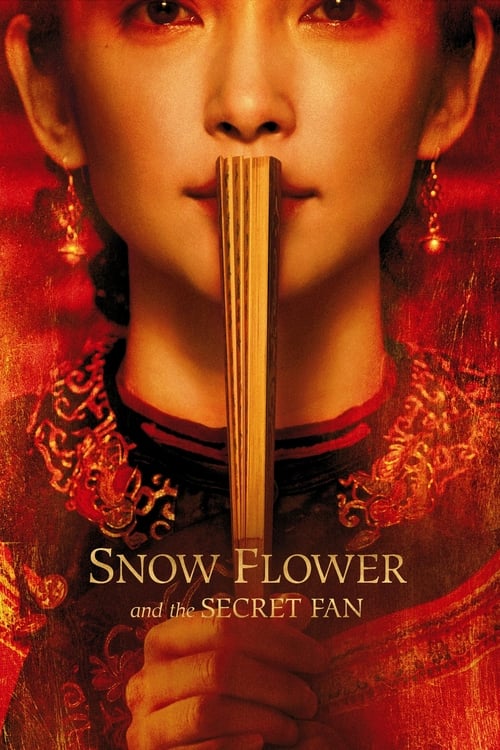
A story set in 19th century China and centered on the lifelong friendship between two girls who develop their own secret code as a way to contend with the rigid cultural norms imposed on women.
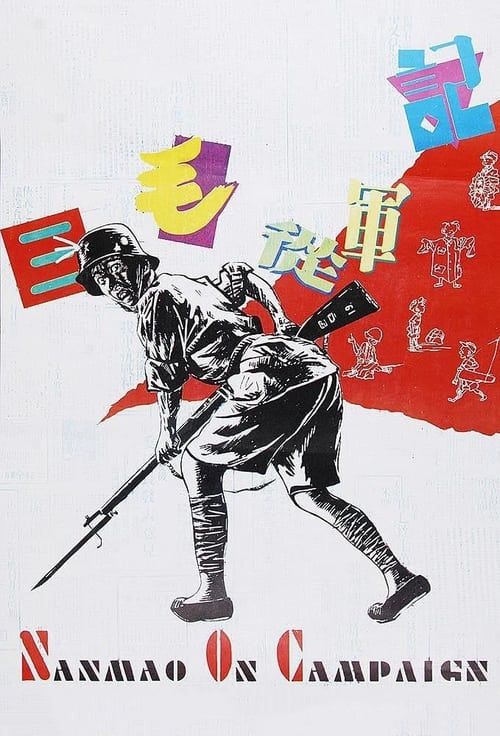
In 1937, after the Marco Polo Bridge Incident, the Second Sino-Japanese War breaks out. San Mao, a wandering orphan, joins the army to participate in the Battle of Shanghai.
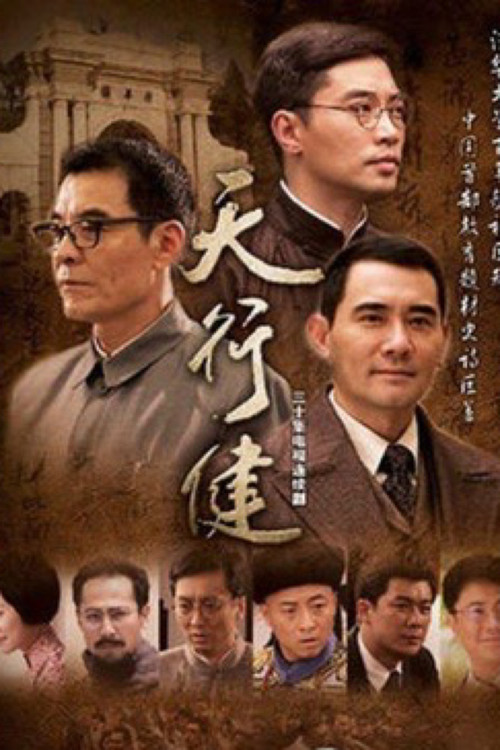
The history of China's Tsinghua University, starting from the beginning of the 20th century, whose several generations of presidents and graduates have devoted themselves to make their country more prosperous.
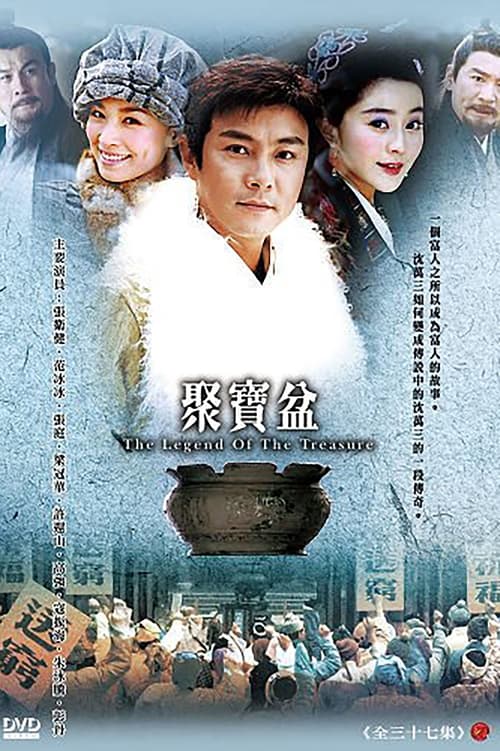
The story revolves around the mysterious disappearance of the Eastern Tombs' treasures, drawing in high-ranking military and political figures like Chiang Kai-shek and Yan Xishan. As they scramble to resolve the situation, a web of intrigue unfolds involving tomb raiders, corrupt officials, and conflicting allegiances. At the center of the action is Na Xinting, who finds himself entangled with a group of masked Daoists, romance, and betrayal, all while he tries to uncover the truth behind the missing treasure.
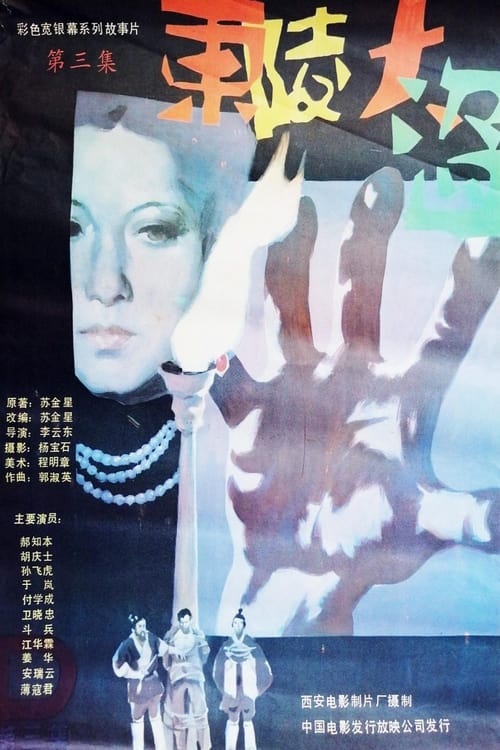
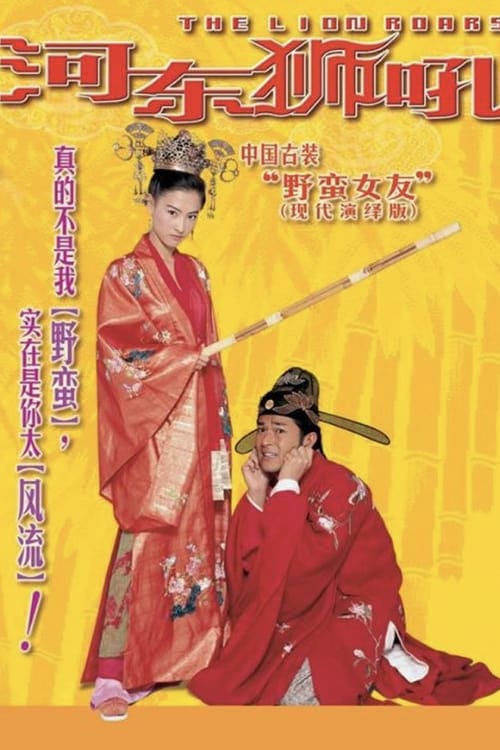
During the Soong Dynasty, a beautiful woman named Liu is searching for a husband, but is unable to find one until she hears the avant-garde poetry of Chan. Soon the two are married and Chan discovers that his new bride is violently temperamental and insanely jealous, who limits his activities and lifestyle. When a princess falls in love with the poet and the Emperor decrees that Chan must take the princess in as a second-wife. The love between Liu and Chan is put to the test.
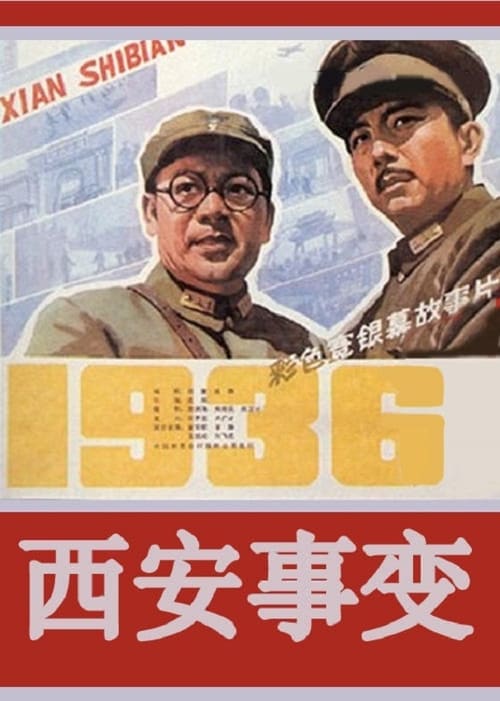
Marshal Zhang Xueliang, Commander of the North Eastern Army, grows progressively disillusioned by Kuomintang leader Chiang Kai-shek's policy to engage the Chinese Communist Party rather than fight the Japanese invaders which are occupying Manchuria. Despite numerous pleas, Chiang does not budge. After discussing with fellow general Yang Hucheng, the two take events into their own hands and place Chiang Kai-shek under arrest on December 12, 1936, forcing Chiang into a coalition with the CCP.
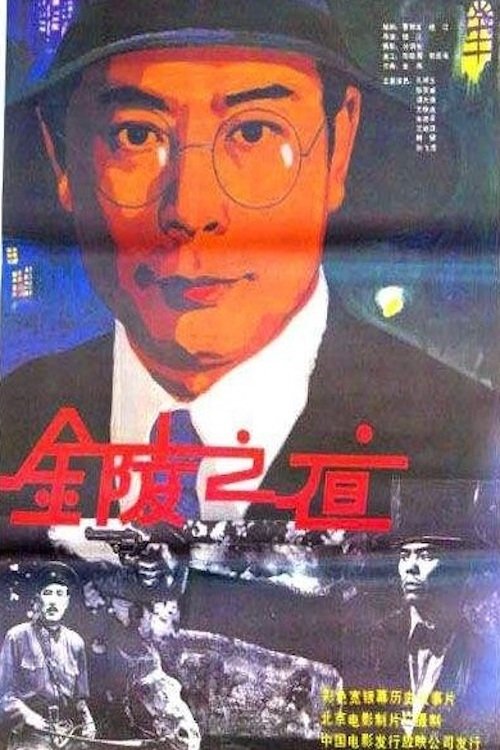
The adventure in Nanjing of the legendary CCP undercover Qian Zhuangfei.
Engineer Zhao Shuxin has been promoted and clones a robot in his image to attend his meetings, resulting in comic situations.