Chandulal Shah
Directing
Biography
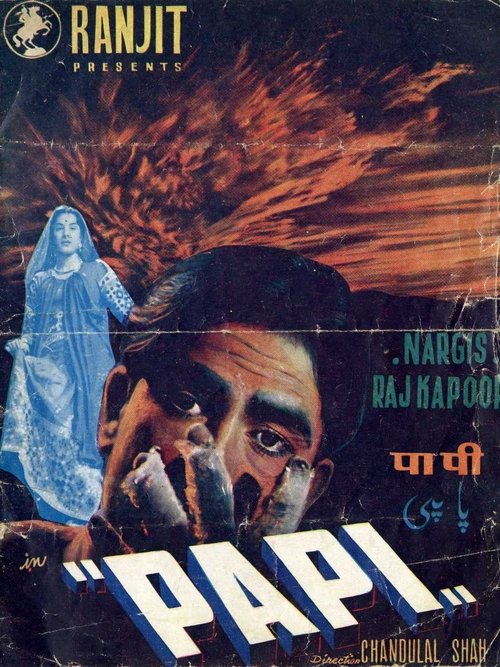
Chandulal Jesangbhai Shah was a pioneering figure in Indian cinema—an acclaimed director, producer, screenwriter, and studio founder whose contributions played a vital role in shaping the Hindi film industry from the silent era to post-independence India. Born in Jamnagar, Gujarat, and educated at Sydenham College, Bombay, Shah began his career at the Bombay Stock Exchange. His entry into cinema was accidental: while assisting his brother J.D. Shah, a mythological film writer, he was asked to direct Vimala (1925) for Lakshmi Film Company after the original director fell ill. The film’s success launched his new career in films. Encouraged by the response, he directed two more films before temporarily returning to the stock market. But cinema had captured his heart. With encouragement from friend Amarchand Shroff, he joined Kohinoor Film Company and met actress Gauhar. There, he directed Typist Girl (1926), starring Sulochana and Gauhar—completed in just 17 days and a big hit. Films like Gunasundari (1927) followed, establishing him as a skilled, efficient filmmaker. He then worked with Jagdish Film Company, directing four films with Gauhar. In 1929, Shah co-founded Ranjit Film Company (later Ranjit Movietone) with Gauhar and financier Vitthaldas Thakordas. Ranjit became one of India’s most prominent studios, producing 39 silent films by 1932. During the 1930s–40s, it transitioned into talkies, releasing multiple successful social dramas annually. Ranjit Studios became known for large-scale employment and professional discipline. Notable productions under Shah’s leadership included Sati Savitri (1932), Barrister's Wife (1935), The Secretary (1938), Achut (1940), Tansen (1943), Murthy (1943), and Jogan (1950). These films addressed key social issues and were both critically and commercially appreciated. Over his career, Chandulal Shah produced 140 films, directed 34, and wrote 8—a record that highlights his immense contribution to Indian cinema. Beyond filmmaking, Shah was instrumental in organizing the industry. He led the Silver Jubilee celebration of Indian cinema in 1939 and its Golden Jubilee in 1963. He served as President of the Indian Motion Picture Producers Association (1944–45, 1948–49, 1951–53), and was the first President of the Film Federation of India (1951–53). In 1952, he led a delegation to Hollywood, boosting India’s global film presence. However, the failure of Papi (1953), starring Raj Kapoor and Nargis, marked the beginning of his professional decline. Later films like Utpatang (1955), Zameen Ke Taare (1960), and Akeli Mat Jaiyo (1963) failed to revive his fortunes. He gradually withdrew from filmmaking. Yet, Chandulal Shah’s legacy remains indelible. As one of the foundational architects of Indian cinema, a studio visionary, and tireless leader, his influence continues to be felt even today. TMDB mini biography by: Ashvin Borad
Known For

On the run from the police, an atheist masquerades as a religious icon.
Paapi

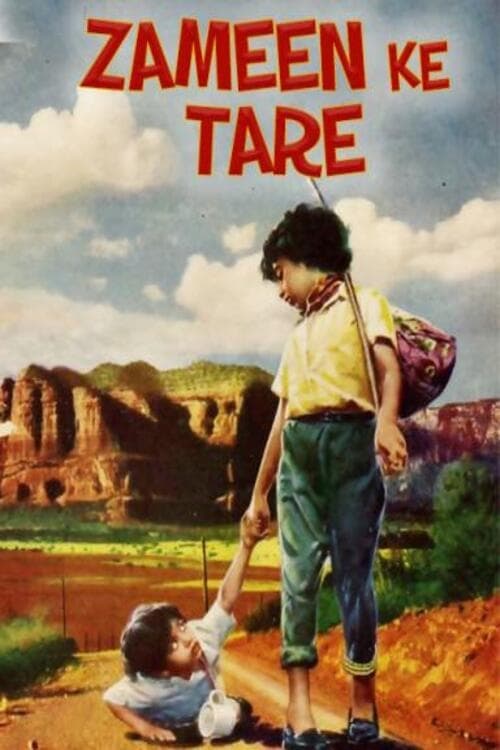
A rich child and a poor one are both unhappy and search for God in the Himalayas.
Zameen Ke Tare

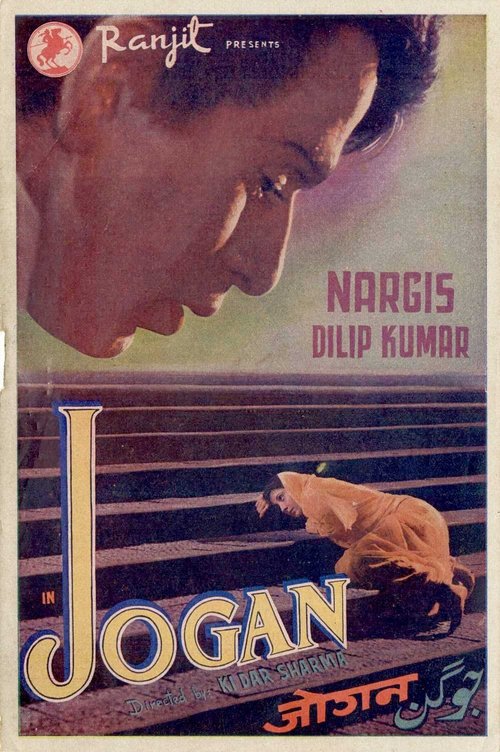
An atheist falls in love with a married devout woman who has forsaken materialistic life.
Jogan

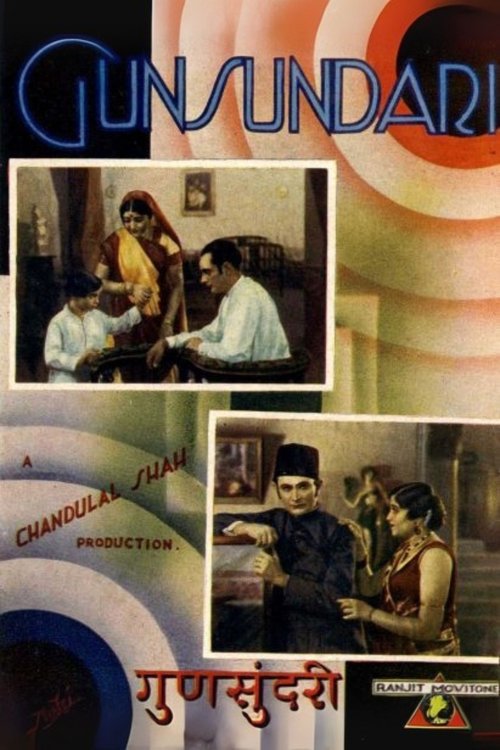
Gunsundari, the dutiful wife, acts as savior for her troubled joint family. Her father-in-law Shyamaldas battles alcoholism and accusations, while her husband Chandrakant falls prey to villains and a prostitute, losing his property. Gunsundari also aids her sister-in-law Sushila through marital woes, facing personal trouble due to a secret. Destitute, she eventually reunites with a similarly down-on-his-luck Chandrakant on the streets. A coincidence ultimately reveals Shyamaldas left his property to his estranged son, leading to a happy ending.
Gunsundari

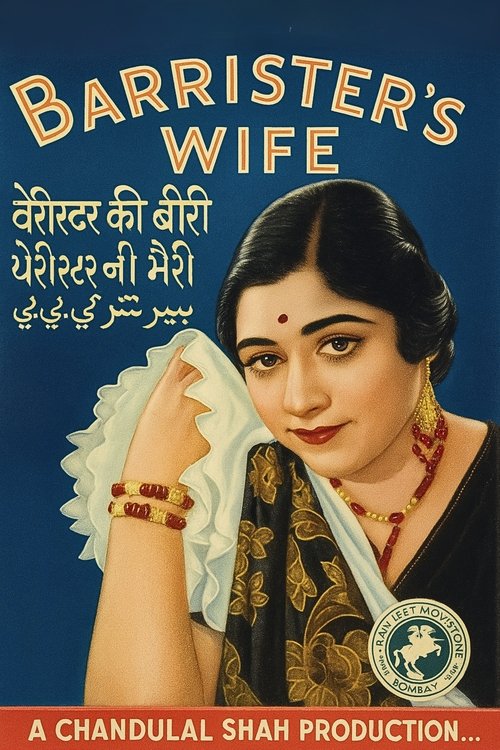
Lily and Vasant's suicide pact is thwarted, leading to Lily's forced marriage. She cares for an invalid Vasant, causing her husband to disown her and ban her from their daughter, Indu. Years later, their paths collide. Lily, now a servant, meets Vasant again, who is painting her lawyer daughter, Indu. Their renewed death pact leads to Vasant's death and Lily's arrest. In a dramatic trial, Indu defends Lily, facing her boyfriend (the prosecutor) and her father (the judge).
Barrister's Wife

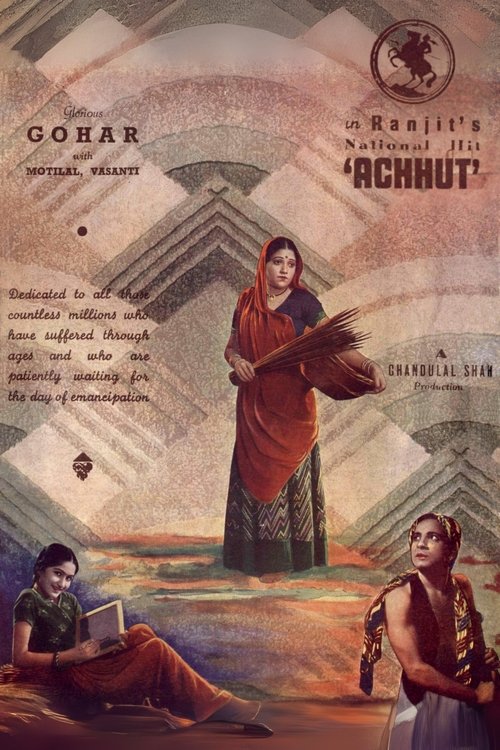
Laxmi, an "untouchable" woman fights for her community's rights against societal discrimination. She faces personal hardship and resistance from authorities, ultimately leading a movement for equality and temple access, while advocating for deeper societal change.
The Untouchable

Surdas, a blind poet, embarks on a spiritual journey. He transforms into a revered saint, dedicating his life to crafting devotional poetry for Lord Krishna.
Bhakta Surdas

A classic modernization melodrama exploring the consequences of female autonomy.
Miss 1933

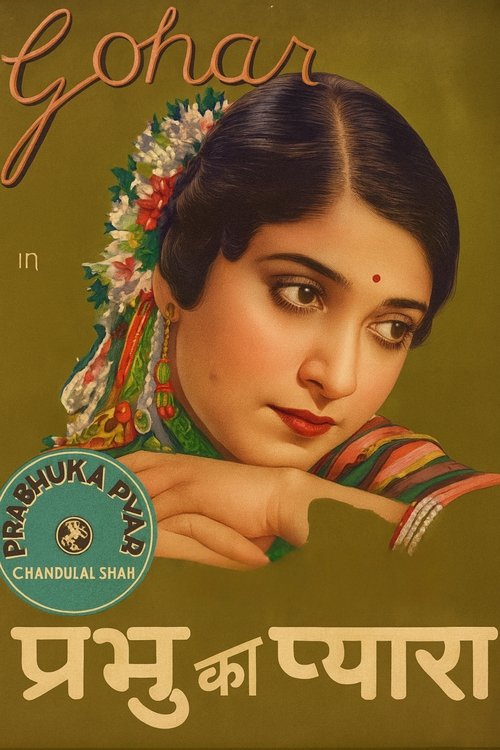
A melodrama suggesting that atheism is not a desirable option. Heroine Kusum (Gohar), the daughter of atheist millionaire Gumanchand (Bawa), is forced on to the streets when her father is jailed for fraud. She eventually meets the rich Rasiklal (E. Bilimoria), joins the stage and encounters her father once more when he tries to save her from a fire. The atheist father invokes the Almighty to save his daughter, but although she is saved she loses her eyesight. Other characters include the God-fearing but crooked tutor Indulal (Sandow) who later turns into a nice man after all, and Padma (Khatun), who exploits Rasiklal’s alcoholism to the benefit of her lover, Pyarelal.
Prabhu Ka Pyara
This mythological film is based on the Mahabharata. It depicts the tale of how Savitri (Gohar) saves her husband Satyavan (Bhagwandas) from the clutches of Yama, the god of death.
Sati Savitri

Indian silent film starring Ruby Mayer (Sulochana), released in 1926.
Typist Girl
An adventorous drama centered on a bold, rebellious, and unconventional female protagonist
Naughty Girl

A jaded socialite, Vinakumari, and her lover, Dr. Rasik, discover purpose at a Gandhian ashram. Vinakumari dedicates herself to the poor as the ashram battles challenges from urban temptation to famine and greedy landlords. Dr. Rasik eventually joins the cause, bringing much-needed medical aid to the struggling community.
Desh Dasi
A mythological sound hit. A cosmic battle between gods and demons reaches stalemate when the sage Shukracharya (Adajania) instantly restores every fallen demon to life. The god Indra (Baburao), on advice from Brahaspati (Vyas), sends Kacha (Bhagwandas) to the sage to learn his magic secret. Shukracharya's daughter, Devayani (Gohar) likes Kacha and the latter is accepted as the sage's disciple. The demon Vrisha Parva (Thatte) tries to kill Kacha but the youth is rescued by Devayani until the demons succeed in dissolving Kacha's body in alcohol and make Shukracharya drink the brew. Shukracharya then teaches Kacha the secret chant so that when he dies and Kacha emerges from his stomach, Kacha may bring him back to life again. Kacha's duties now conflict with a love-triangle, as Devayani marries Yayati who lives Sharmistha (Kamala).
Devi Devayani

An heiress, played by Madhuri, who falls in love with her father's secretary played by Trilok Kapoor
The Secretary

A tearful melodrama about a progressive writer, Pushpa (Gohar), and her weak husband, Kulin (Billimoria). She has to fight her domineering mother-in-law and the tyrannies of a conservative household. When falsely accused of theft and infidelity by her wayward sister-in-law Gulab, Pushpa is forced out of the house. In her final state of penury, she recalls the examples of the great female Saint-Poets of Indian history, like Meerabai. Secondary characters are used to caricature Bombay's merchant class e.g. Mahatma Ramanand Adambar, a fortune-teller who suspects his wife of infidelity, and a gold collector called Prof. Pyarelal.
Keemti Aansoo

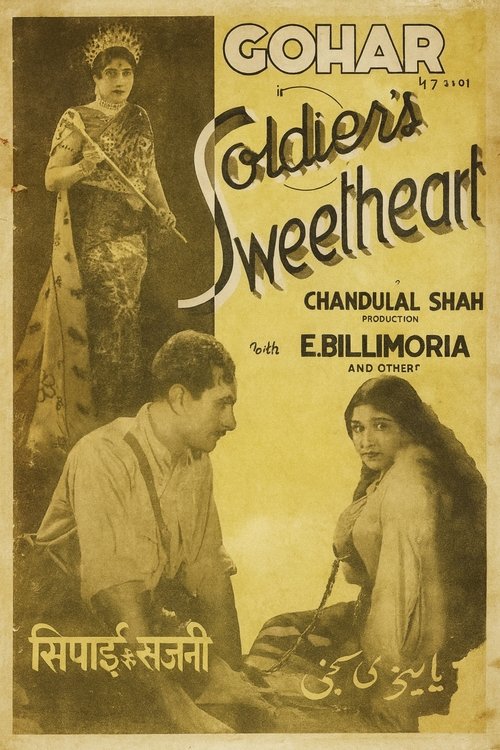
Gohar-centered adventure movie. She is the ruthless Princess Hansa determined to acquire a treasure map from rival King Sujansingh (Bawa). She daringly steals the map but the king's misogynist son, Dilipsingh (Bilimoria), manages to get it back. Together they are caught by the outlaw Vijay (Ishwarlal) who also wants the treasure. The film was replete with sword fights, tribal magic and a horse battle at the end when Sujansingh attacks his former friend Vijay to find his imprisoned son.