Vytautas V. Landsbergis
Directing
Known For
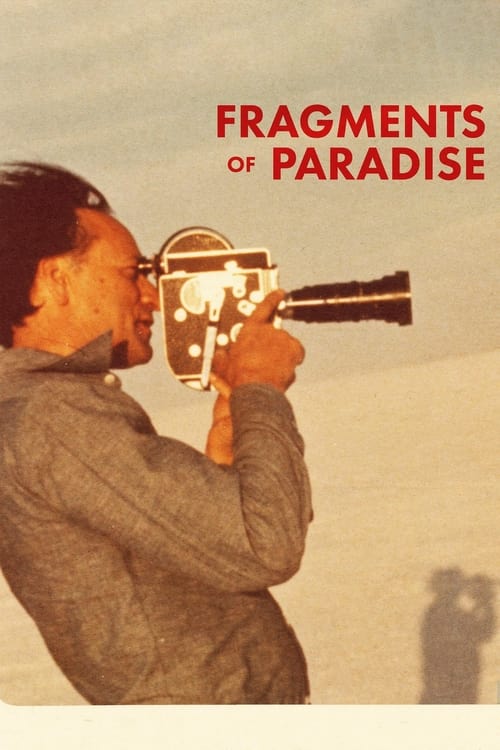
For over 70 years, Jonas Mekas, internationally known as the "godfather" of avant-garde cinema, documented his life in what came to be known as his diary films. From his arrival in New York City as a displaced person in 1949 to his death in 2019, he chronicled the trauma and loss of exile while pioneering institutions to support the growth of independent film in the United States. Fragments of Paradise is an intimate look at his life and work constructed from thousands of hours of his own video and film diaries-including never-before-seen tapes and unpublished audio recordings. It is a story about finding beauty amidst profound loss, and a man who tried to make sense of it all... with a camera.
Fragments of Paradise
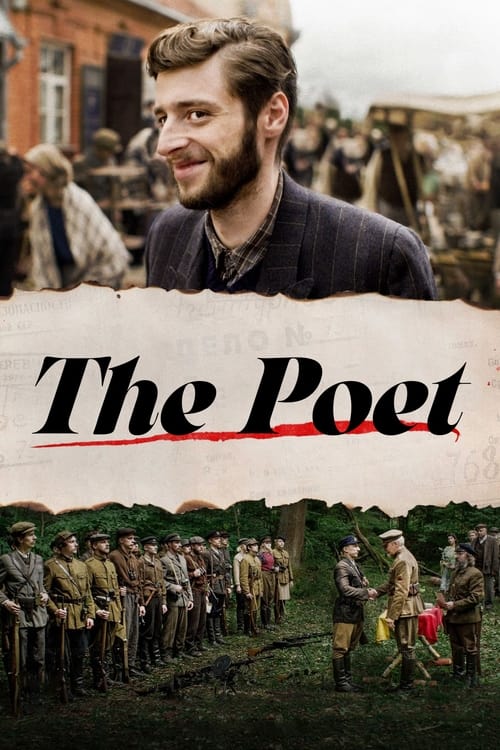
A newly appointed teacher arrives at a remote village school in 1947. The famous journalist and distinguished poet was downgraded for illegal publications and forbidden anti-Soviet verses. Suspicious locals still prefer to test his loyalties, while children wilingly recite his verses from 'To My Soviet Motherland', written under pressure to prase Uncle Lenin. Eventually, an unforgotten friend shows him a secret wintery path to the Dainava resistance platoon's underground bunker.
The Poet
The tapes in the program consist of some of Mekas’ earliest cassettes from the 1990s not long after he first began working with video as well as more recent mini-DV tapes from 2010s. The contents of the tapes have not been previously seen in their entirety. The footage provides rare insight into aspects of Mekas’ video-making practice, as well as his activities, thoughts, dreams, and concerns, especially during the later years of his life.
Tapes
The film deals with the Lithuanian partisan resistance. An actor is playing the part of a partisan in a play called "Bunker". During the play he experiences a hallucination and starts believing he's a boy who lives in post-war Lithuania. In 1948 the boy made a mistake which cost the lives of him and the wife of a partisan. Back in 21st century, the actor has a chance to fix that mistake.
When I Was a Partisan
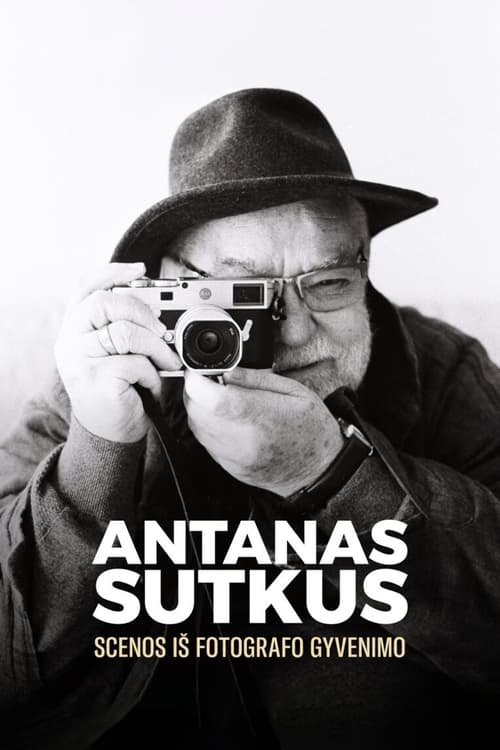
Antanas Sutkus. An in-depth look into the soul of a man who could capture attention and find a way to the hearts of people he photographed. Little did they know of the difficult experiences he kept in his heart.
Sutkography
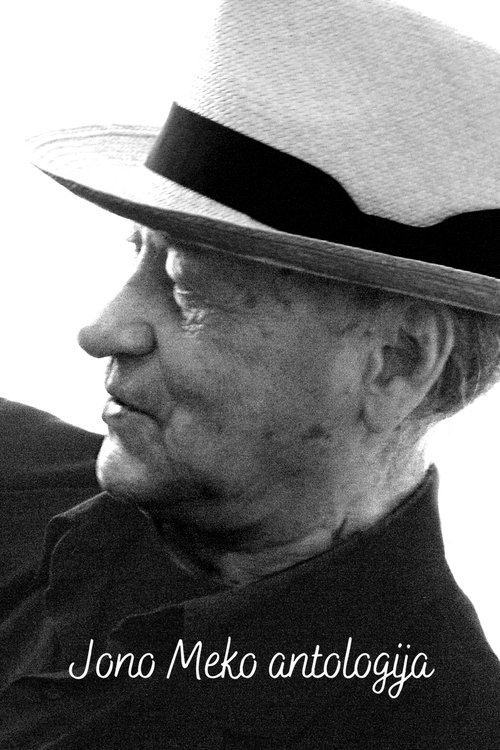
A portrait movie of the Godfather of American avantgarde cinema. Through material filmed primarily in the 1990s by both the directors and Jonas Mekas himself, a new insight appears on the filmmaking Lithuanian New Yorker who doesn't consider himself someone who makes films but a filmer.
Jonas Mekas Anthology
The author Jurga Ivanauskaitė (1961-2007) was considered a pioneer of contemporary Baltic literature well beyond the borders of Lithuania. Her work deals intensively with the tension between religion, sexuality and emancipation. Film documents and interviews serve to reconstruct the life of this independent and willful woman - from her childhood to her artistic breakthrough as a companion of the Lithuanian rock and punk scene, but also depicting her spiritual side, which brought her all the way to India, where she turned to Buddhism. She is shown as fighting for the Dalai Lama and a "free Tibet", shown as a literary mind, but first and foremost she is shown as a woman who stood bravely in the face of inconvenience, pain and inner demons.
Dance In The Desert
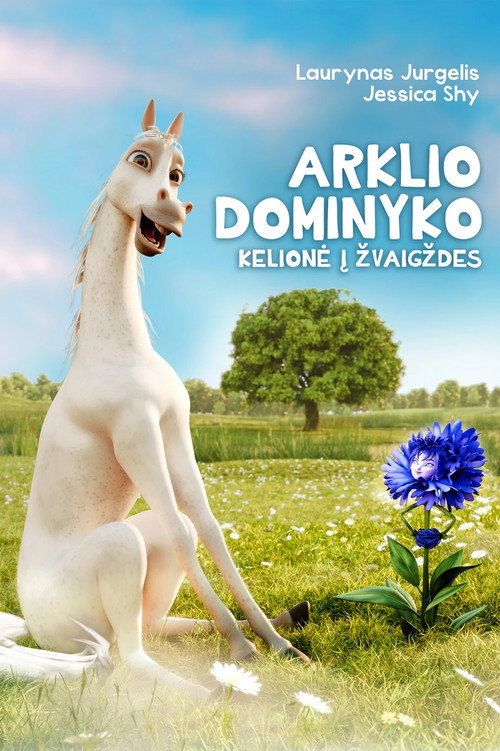
This family-friendly story about love, unity, and life's wisdom follows the brave horse Dominykas, who embarks on a cosmic odyssey in search of a magical gemstone capable of saving his beloved Rugiagele from the freezing winter cold. Visiting the Moon, Mars, Venus, and other planets, Dominykas gains new friends along the way and together they discover the power of love, friendship, and courage-qualities essential for overcoming any challenge.
Dominykas the Horse's Journey to the Stars
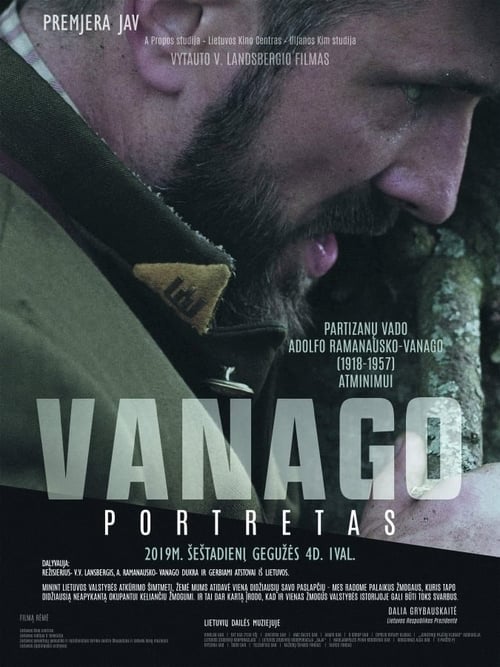
The Hawk was one of the most well-known Lithuanian resistance fighters during a post war period. It’s a story about a man who was forced to fight soviets who invaded the country post World War II. The Hawk had to keep his family hidden for 11 years and was eventually betrayed and brutally murdered by the soviets. The film is based on a diary of the Adolfas Ramanauskas – The Hawk. It serves as a background for Mantas Petravicius – a painter who tries to paint the portrait of the Hawk. He draws inspiration by visiting the exact places where The Hawk fought and had to hide.
A Portrait of the Hawk
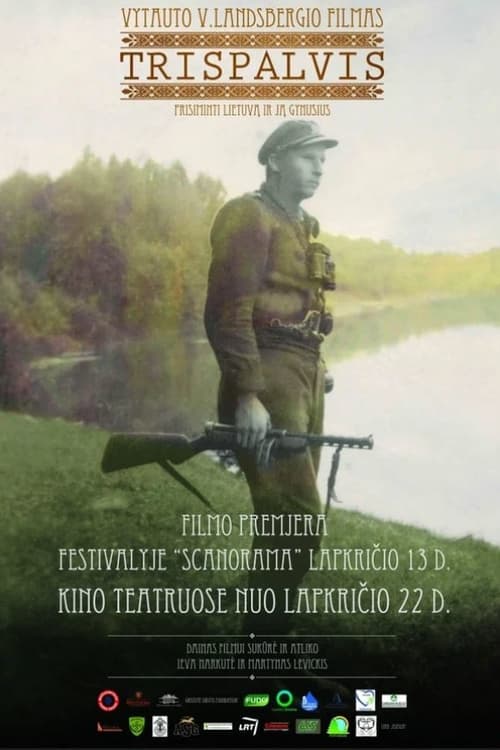
Tells the tale of Lithuanian post-war history.
Tricolour
Portrait of the famous Lithuanian prose writer Grigorijus Kanovičius.
From Nowhere to Nowhere
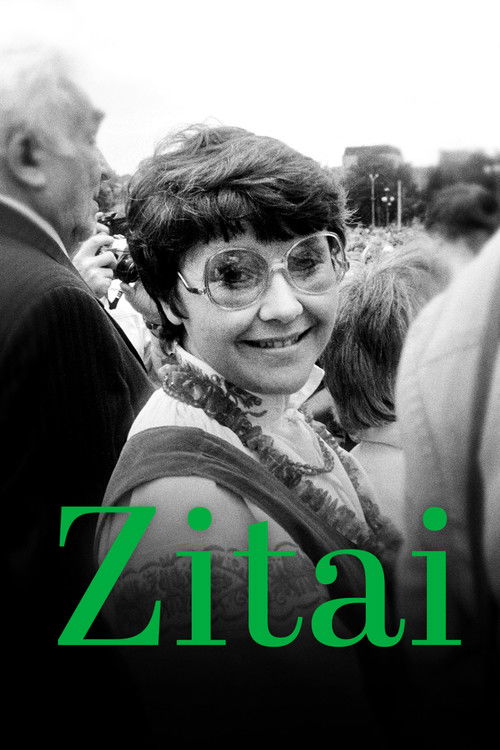
There are personalities who, by their very presence, bring people together to revive and nurture the memory and identity of a nation. Zita Kelmickaitė was one such person. This is a journey to Lithuania in the 1980s and 1990s, when the revival of folk songs became a silent weapon and an important part of the road to independence. Using previously unseen archival material and the voice of Zita Kelmickaitė herself, the film reveals not only the phenomenon of her personality, but also the history of an entire generation that cherished national identity.
Zitai
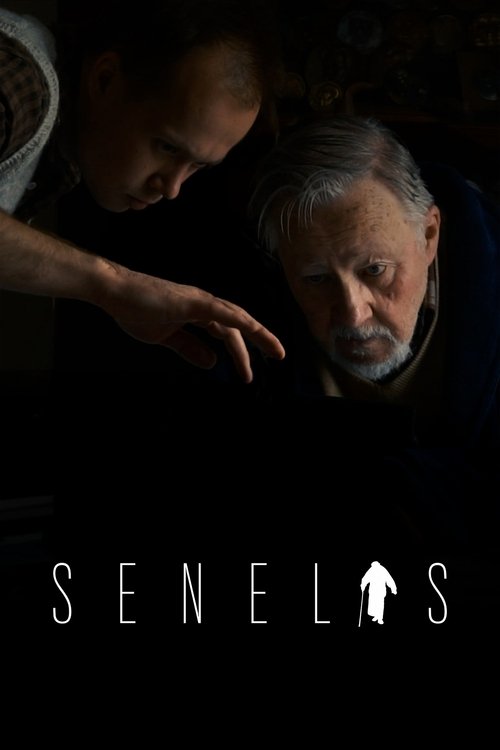
During the COVID-19 pandemic, filmmaker Vytautas Oškinis shared a home with his grandfather, former head of state Vytautas Landsbergis. Their quiet domestic life is punctuated by political commentary and the sounds of piano and flute. As Landsbergis revisits his most important documents and works before his fragile memory fades, Oškinis’s camera captures a story about the bond forming between generations, and about a spirited, creative mind residing in a body increasingly resistant to it. Their artistic collaboration culminates in a joint appearance on the contemporary opera stage in the film’s finale.
A Grandfather

Documentary film about Vytautas Landsbergis - Lithuanian politician, public figure and historian of art, music and culture, chairman of The Reform Movement of Lithuania (Sąjūdis) and chairman of the Supreme Council of the Republic of Lithuania, which announced the restoration of Lithuania's independence in 1990.
Senis prie jūros
The film presents the multifaceted personality of writer Jurgis Kunčinas, his creative workshop; his personal life is discussed openly, without avoiding painful biographical facts.
Beveik laimingas
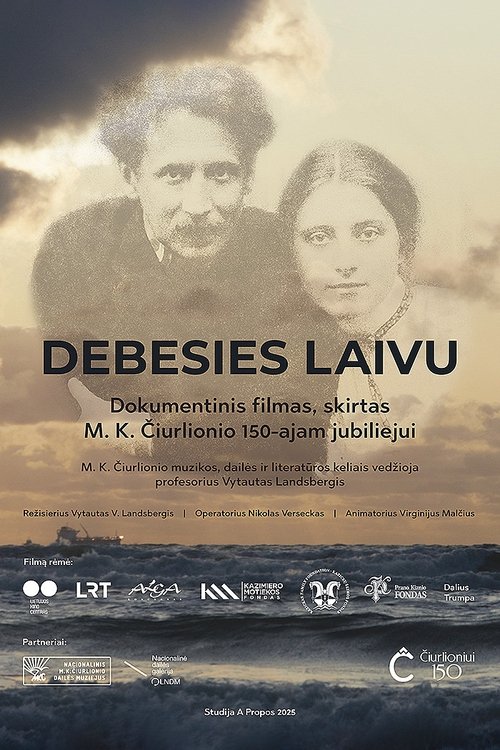
The film reveals the meeting and dispute between two close personalities (souls) – M.K. Čiurlionis and Prof. Vytautas Landsbergis.