FEEL IT.STREAM
?

Susana de Sousa Dias

Directing

Biography

Susana de Sousa Dias was born in Lisbon in 1962. She completed a thesis in Aesthetics and Art Philosophy and holds University degrees both in Painting (Lisbon University) and Cinema (National School of Theatre and Cinema). She studied music at the National Conservatory of Music and is currently preparing a PhD in Aesthetics, Art Science and Technology (University Paris 8). Susana is presently working on a theoretical and practical research in the field of the relationships between Cinema and Contemporary Art with a special focus on archive. She is lecturer at Lisbon University of Fine Arts. In 2001 she founded the production company KINTOP. Her film Natureza Morta - Visages d'une dictature (2005) has been shown in Festivals and screenings in five continents, and won several awards (Prémio Atalanta Filmes at DocLisboa 2005, Merit Price at Taiwan International Documentary Festival, in 2006, Honorary Mention at the Slow Film Festival, Hungry in 2007). Obscure Light (documentary feature) and Natureza Morta - Stillleben (installation on three screens) are the works she is presently working on.
Known For

Fordlândia Panacea
N/A

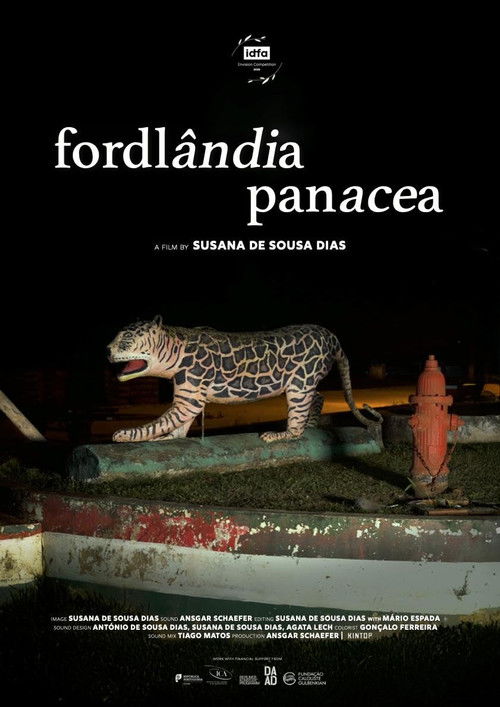
In 1928, industrialist Henry Ford built a company town in the Brazilian jungle and established a rubber plantation. Within a few years his industrial utopia collapsed, coming to an end in 1945. Fordlândia was largely abandoned and became known as a ghost town.

Fordlândia Panacea

2025
História do Cinema Português
N/A

No description available.

História do Cinema Português

2001
In the Interstices of Reality or The Cinema of António de Macedo
N/A

He was the most prolific within the New Portuguese Cinema generation. He would try western spaghetti, esoteric allegory, supernatural, and science-fiction. Without state subsidies, he would quit filmmaking in the 1990s. Who remembers António de Macedo?

In the Interstices of Reality or The Cinema of António de Macedo

2016
Fordlandia Malaise
N/A

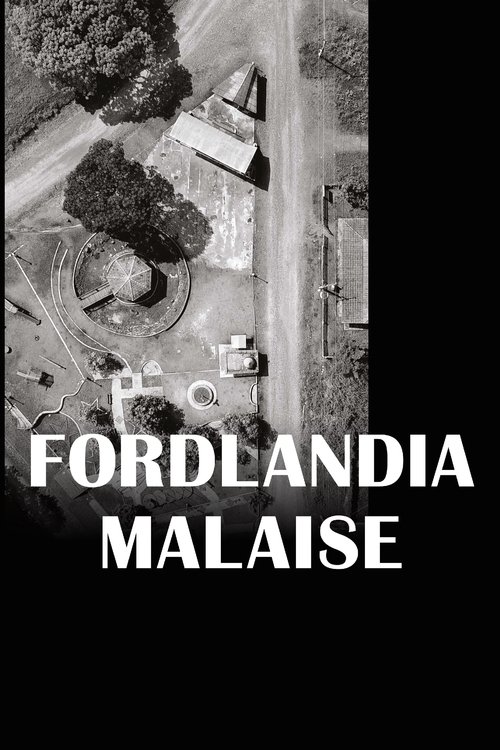
Fordlandia Malaise is a film about the memory and the present of Fordlandia, the company town founded by Henry Ford in the Amazon rain forest in 1928. His aim was to break the British rubber monopoly and produce this material in Brazil for his car production in the United States. Today, the remains of construction testify to the scale of the failure of this neocolonialist endeavor that lasted less than a decade. Nowadays, Fordlandia is a space suspended between times, between the 20th and 21st centuries, between utopia and dystopia, between visibility and invisibility: architectural buildings of steel, glass, and masonry still remain in use while traces of indigenous life left no marks on the ground.

Fordlandia Malaise

2025
The Emissaries of Khalom
7.0

End of the 20th century. A group of scientists executes a project aiming to prevent a nuclear war with the planet Khalom. From their experimental project, involving manipulating events in the past, two mysterious human creatures travel between the present and the 19th century, and back - getting in love with four different persons.

The Emissaries of Khalom

1988
O Segredo das Pedras Vivas
N/A

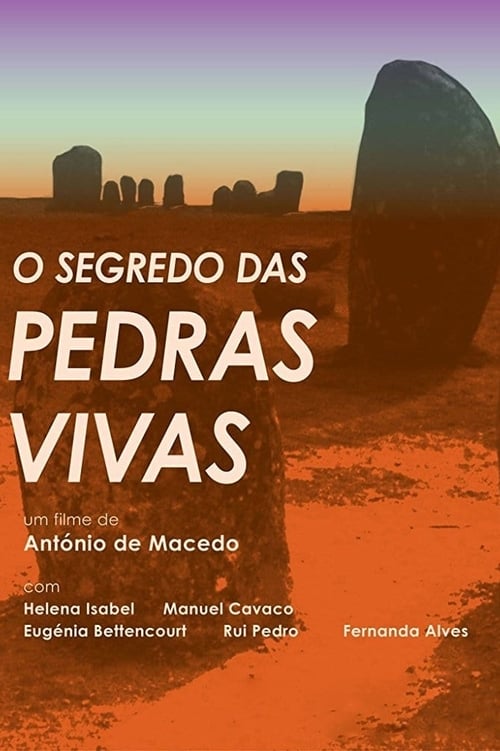
In an isolated village of the Alentejo region, a conflict arises. José Vitorino, one of the landowners of the region, rich in prehistoric monuments, wants to build a luxurious solarium in lands filled with ancient rocks, places of devotion and sacred rituals. Indifferent to the people’s protest, who believe in the magical powers of the stones and that the region’s drought is due to the rocks’ destruction, José Vitorino hires an architect to plan his new house. On christmas eve, in the middle of the winter solstice, a strange ceremony around a dolmen, once an altar for bloody sacrifices in more remote times, releases a harmful spell. A race against time to reverse the faulty charm begins.

O Segredo das Pedras Vivas

2016
48
5.3

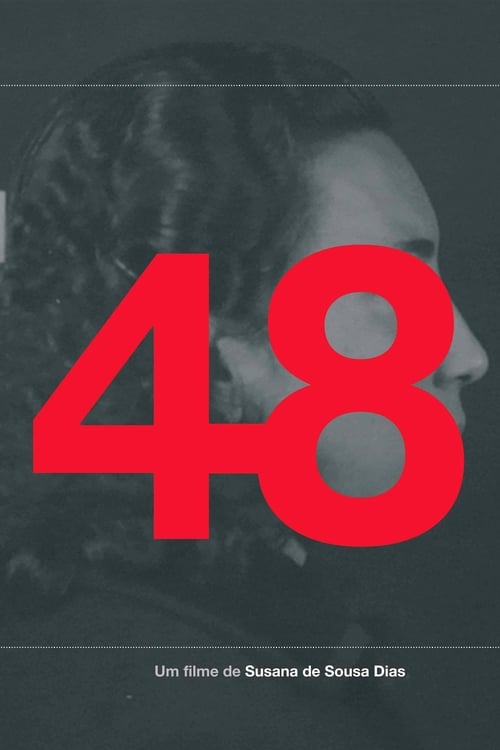
Based on photographs taken on the arrest of political prisoners during the Portuguese dictatorship (1926-1974), this documentary aims to convey the mechanisms by which a dictatorial regime sought to sustain its existence throughout 48 years.

48

2010
Obscure Night - "Ain't I a Child?"
8.0

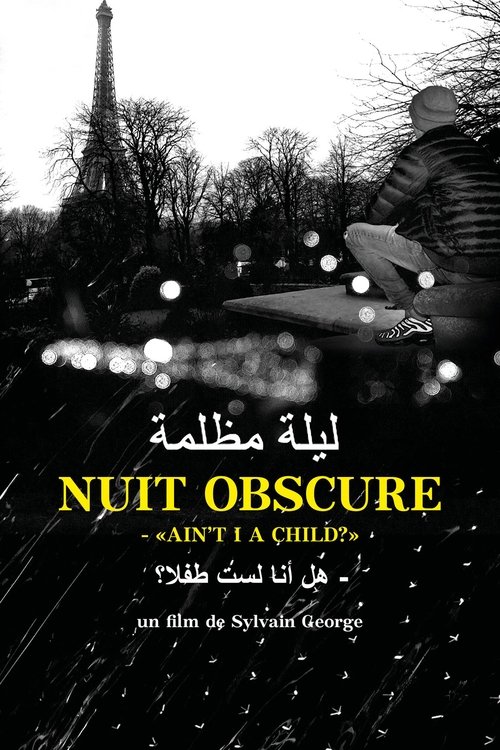
After having walked the streets of Mellila, Malik, Mehdi, and Hassan now beat the cobblestones of Paris, discovering its lights and its chimeras, its joys and its violence...

Obscure Night - "Ain't I a Child?"

2025
No image
9.0

The director and two writers and intellectuals interview the Artist in his atelier, and near some of his works, discussing its relations with his former poetic and philosophical works.

Almada Negreiros Vivo, Hoje

1969
Obscure Light
4.8

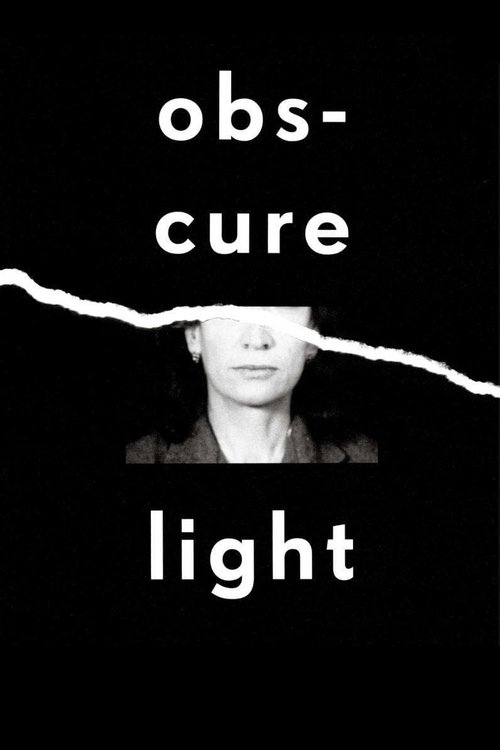
Mingling identity photos taken by the Portuguese political police during the Salazar dictatorship and testimonies from the children of an assassinated communist activist, Luz Obscura invents a form that recreates as faithfully as possible the feeling of a family's broken identity.

Obscure Light

2017
No image
N/A

No description available.

Porque é que mostramos as horas da luz e da escuridão no mesmo círculo? [Tentativa]

Still Life
5.7

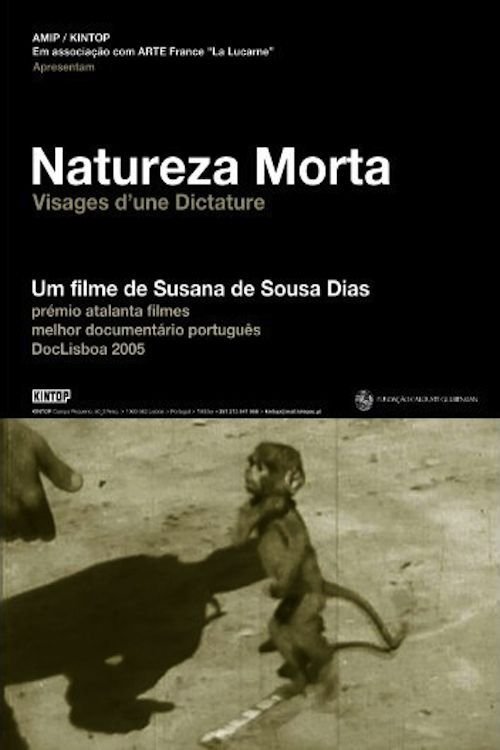
Within one image, another one is always hiding. Wordless and using only archive footage, "Still Life" aims to rediscover and delve into the opacity of images (news, war footage, propaganda documentaries, photos of political prisoners and never seen before rushes) made during the 48 years (1926-1974) of Portuguese dictatorship in order to foster new interpretations.

Still Life

2005
Criminal Case 141/53
7.0

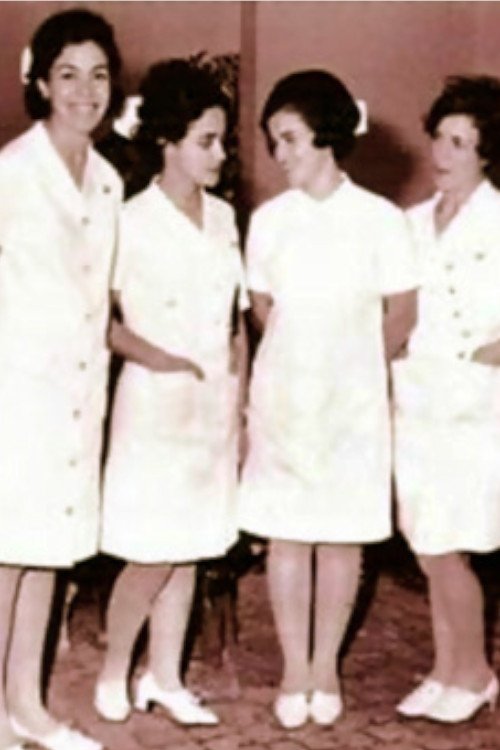
Two Portuguese nurses share their harrowing story. Sisters Isaura Borges Coelho and Hortênsia Campos Lima were arrested in the early 1950s for protesting a law that barred nurses from marrying. Salazar wanted nurses to live like nuns, in line with Catholic conservative ideals.

Criminal Case 141/53

2000
No image
N/A

In 2000, Susana de Sousa Dias made Criminal Case 141/53, about the sisters Isaura Borges Coelho and Hortênsia Campos Lima, who resisted a 1950s’ Portuguese law that prohibited nurses from marrying. Supported by a montage of archival material, the film told their story, which was shaped by the dictatorship under Salazar. Now, a quarter of a century later, De Sousa Dias returns with a sequel that questions and reflects on her earlier film. She describes how she first encountered the archive material that led her to the sisters’ story in the early 1990s.

Post Criminal Case

2025
Journey to the Sun
2.0

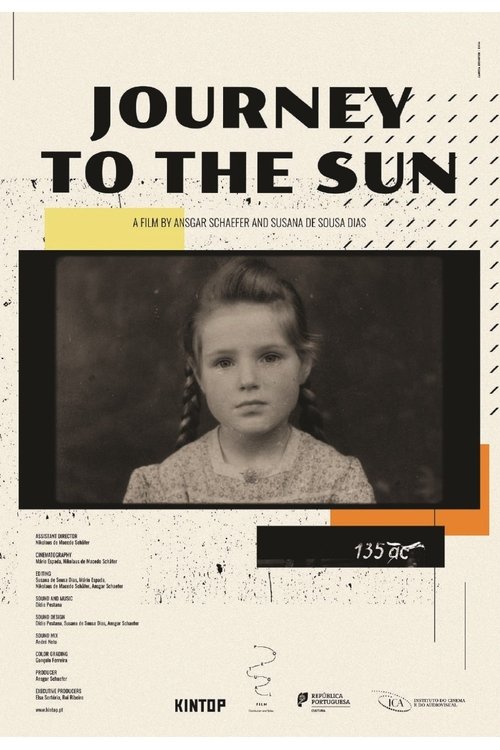
Just after the Second World War, 5,000 young children were sent from Austria to stay with host families in Portugal, where they could recover from the violence of war. They were often welcomed in by well-to-do families with domestic staff living in sunny villas, and for most of the children this was a holiday in paradise. The contrast with their living conditions at home, and the huge difference between the lives of rich and poor in Portugal in this period, made a deep impression on the young Austrians.

Journey to the Sun

2021