Acting
No description available.
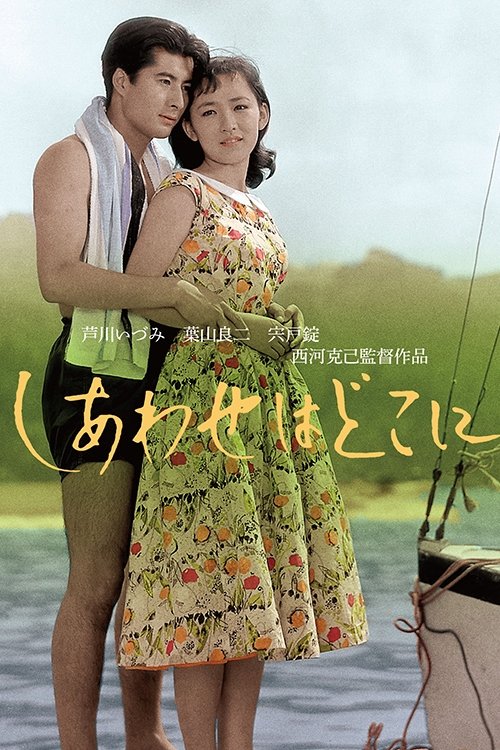
Adapted from the original work by the literary giant Yasunari Kawabata. Through the lives of three sisters each following their own path, the film offers a richly poetic exploration of what constitutes happiness for women.
A unique literary work that describes the end of a married woman who rebelled against her husband's adultery and became addicted to her own sexuality.
Upon discovering that her father has a mistress, a young girl befriends the "other woman" and her child. Realizing that her half-sister is doomed to being regarded as an outcast, the heroine sets about to spiritually legitimize the girl.
The only son of a sushi chef hates sushi and decides to leave home to search for a job and make his own way.
The story deas with the experiences of an exceptionally strong-willed, middle class Tokyo "ojōsan" who comes to teach in a middle school in the countryside.
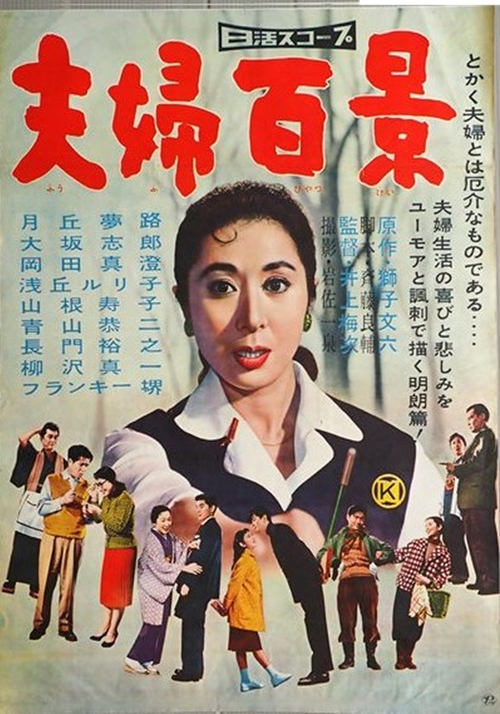
In the Okawa household, Miharu is the breadwinner, while her husband, Soma, handles the domestic chores. One day, a poor student couple moves into their home. Things get even more complicated after their cousin, Matsue, runs away from home after a fight with her husband.
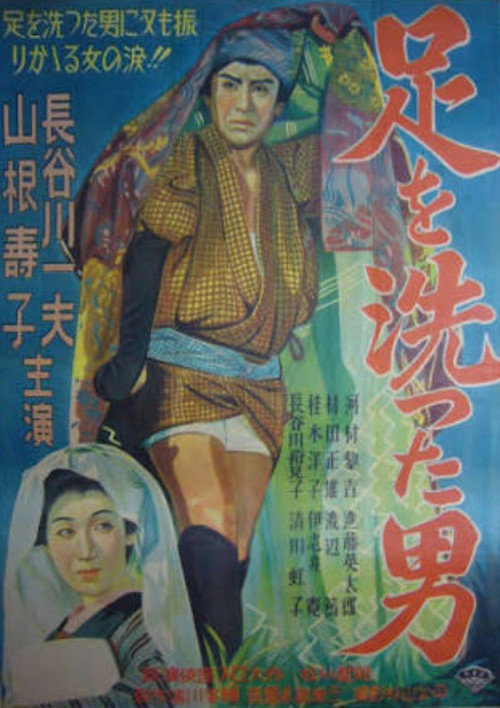
A former samurai, whose lover had died while he was traveling, was returning to Edo when he met a woman at Shinagawa-juku.
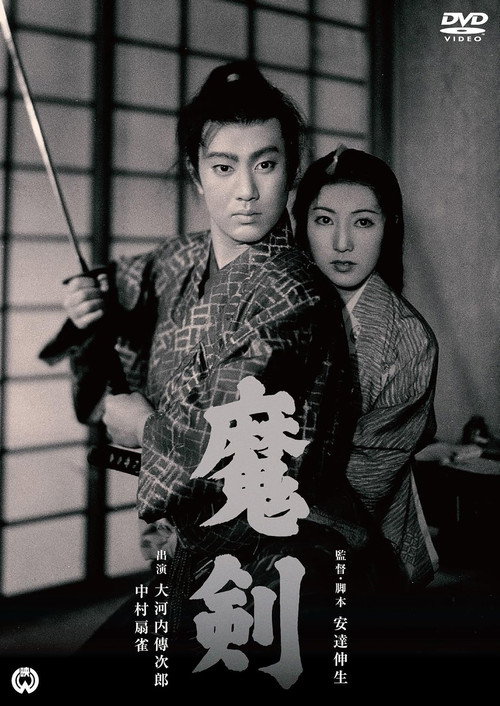
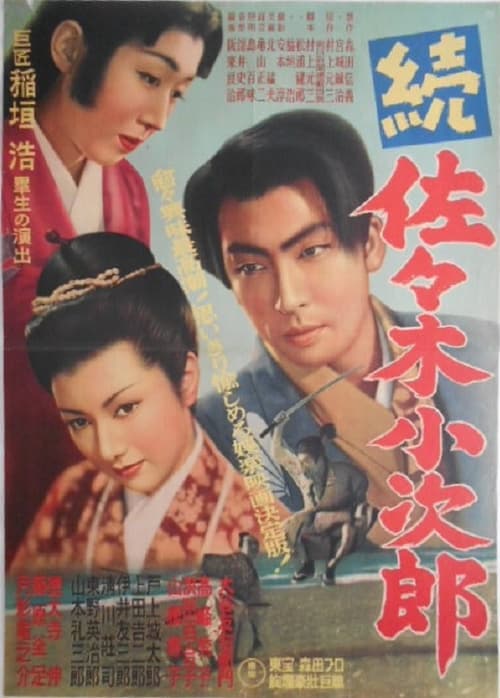
A young swordsman takes on the mysterious, deadly “Demon Sword” wielded by a nihilistic master swordsman who trusts neither human compassion nor a woman’s heart… What is the fate of the undefeated Demon Sword?
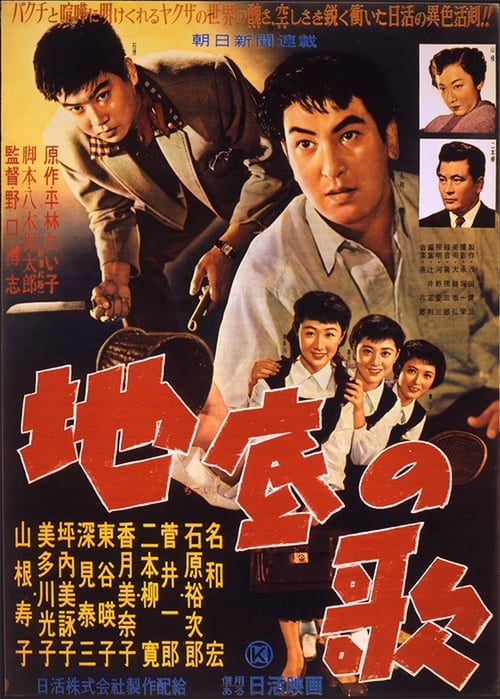
A conflict between two yakuza families in Tokyo, the Izus and the Yoshidas, has recently broken out. When an Izu underling starts a fight with a Yoshida man, Fuyu, the Izu family sends Tsuruta, a senior member of the clan, to make a personal apology to Fuyu. Tsuruta discovers that the woman he is in love with is Fuyu's sister, Tatsuko. Tsuruta ends up gambling with a swindler, who is in fact Tatsuko's husband. (The general plot of the film was re-used for Seijun Suzuki's Kanto Wanderer).
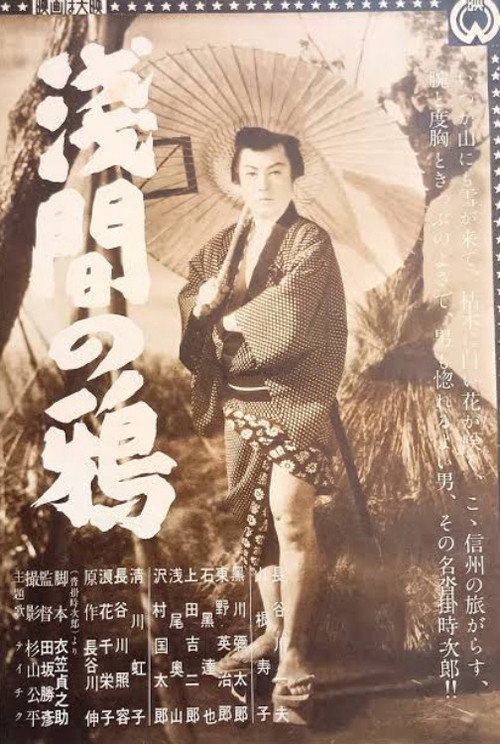
After killing a man who owed him neither a debt of gratitude nor a grudge, Tokijiro decides to leave the yakuza life behind in accordance with the code of honor—but becomes an assistant to yakuza for the sake of the man’s orphaned child his mother.
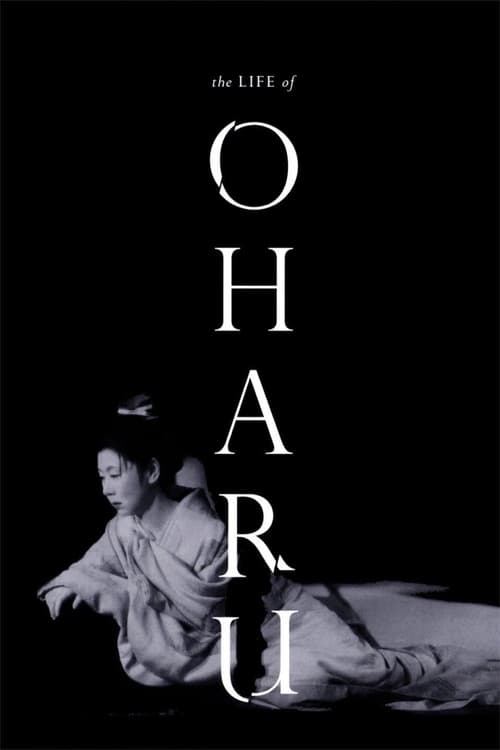
During the Edo Period, a noblewoman's banishment for her love affair with a lowly page signals the beginning of her inexorable fall.
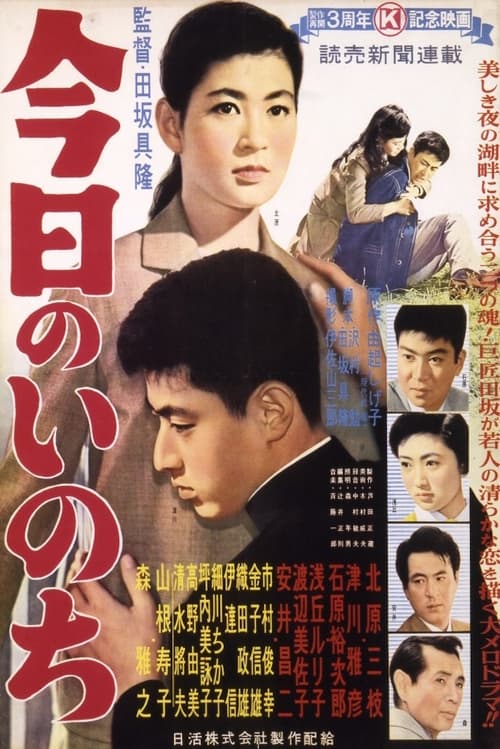
The story of the tender love between Junki, the son of a wealthy landowner, and Kayuki, the daughter of a forester, who decided to unite their destinies against their parents' wishes. Neither war nor years of separation could kill this love. It was only cut short by Kayuki's tragic death.
1951 Japanese movie
Set against the 1877 Satsuma Rebellion, two Osaka families navigate the radical social shifts of the early Meiji Era. As the merchant class ascends to economic prominence, the former samurai class faces a steady decline in status and traditional structure.
Film about a car dealer who gets into financial trouble.
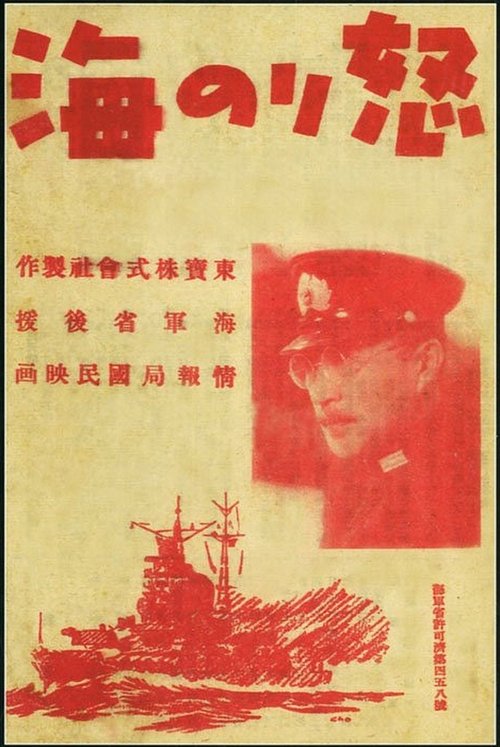
It is 1921 and a town has a newspaper which prints urgent bulletins as required. The Washington-based CITES treaty, in which Japan participates, puts a limit on the number of warships any country can possess. As a result, Japan has to decommission a ship to its makers' disappointment. An institute of technology's laboratory designs a new ship. Due to less ships, sailors have to retire and are also disappointed. The laboratory's manager and an admiral are visiting a patient at a hospital and meet coincidentally. The former has a daughter who worries about her father's workload. She asks him to accompany her to a concert. Father has little time, but is convinced for her sake. He is inspired for a ship's design at the performance. The film is inspired by the life of Jo Hiraga.
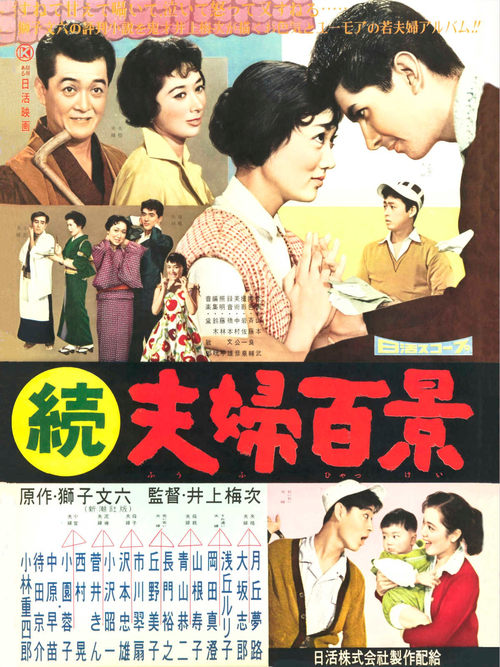
In this sequel to The Husband Wore the Apron, househusband Soma wins a children's literature award, bringing in a windfall of prize money. Meanwhile, the Kurata couple find jobs that bring further complications into their married life.