FEEL IT.STREAM
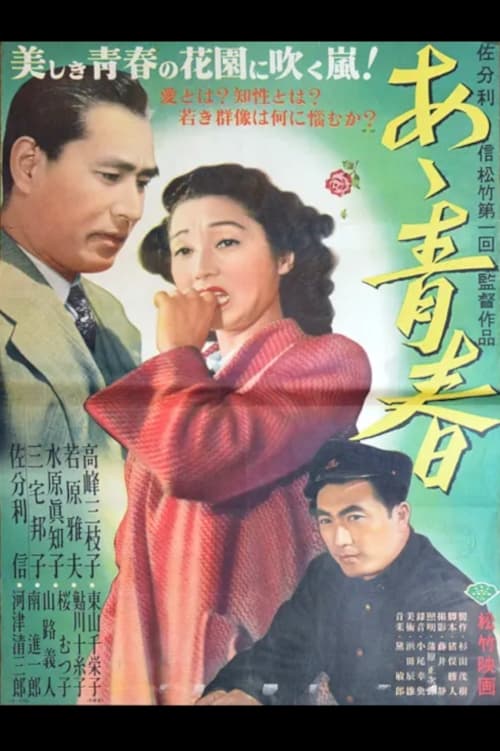
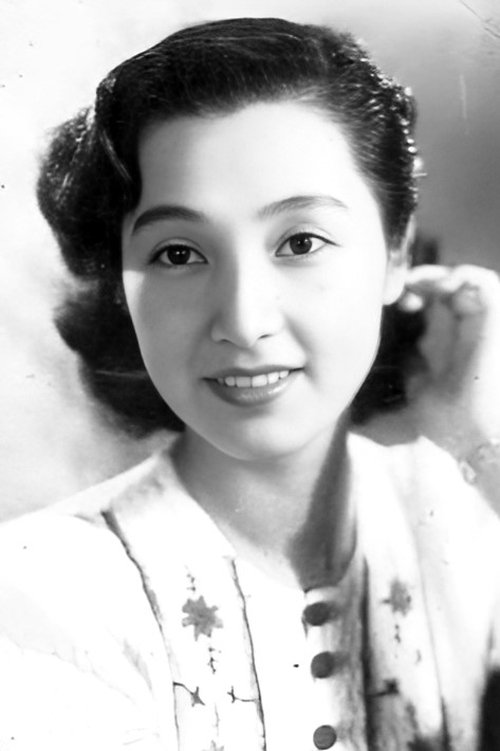
Mieko Takamine

Mieko Takamine

Acting

Biography

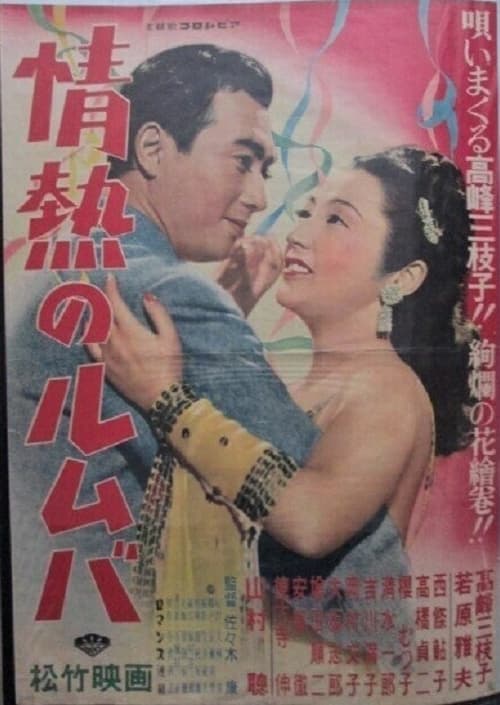
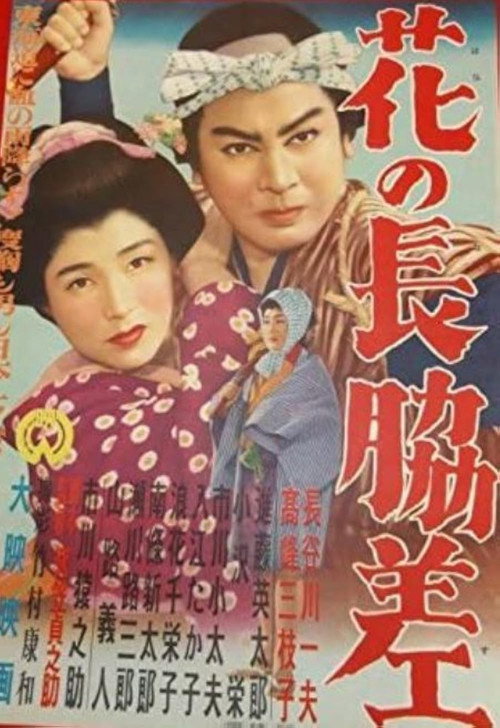
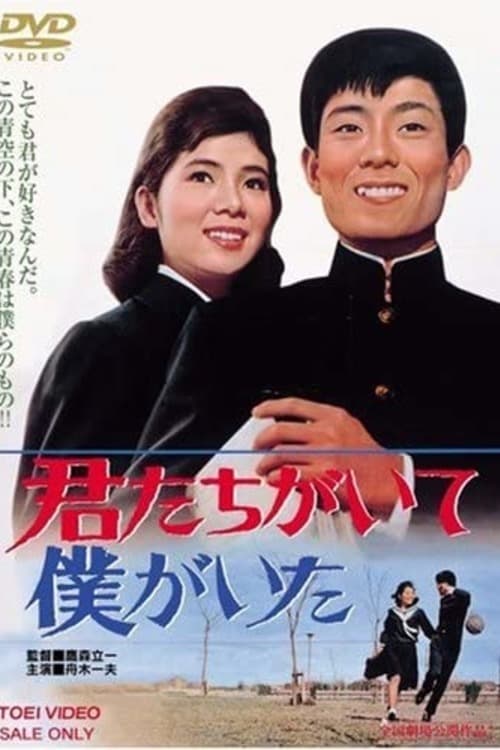
Mieko Takamine (高峰三枝子, Takamine Mieko) (2 December 1918 – 27 May 1990) was a Japanese actress and singer. Mieko Takamine was born the eldest daughter of famous chikuzen biwa player and teacher Chikufu Takamine. She gave her acting debut in the 1936 film Kimi yo takarakani utae, produced by the Shochiku studios, to which she would remain affiliated throughout her career, although she would also occasionally appear in productions of other companies after the war. Her first released record as a singer was the theme song for the film Hotaru no hikari (1938), and she soon established herself as a "singing movie star". Takamine starred in films of Japan's most notable directors, including Hiroshi Shimizu, Yasujirō Ozu, Mikio Naruse and Keisuke Kinoshita. In 1976, Takamine won the Best Supporting Actress award at the 19th Blue Ribbon Awards for her role in The Inugamis (1976). In 1985, she was awarded the Medal of Purple Ribbon and a special Mainichi Film Award for her longtime achievements as a performer
Known For

Furuya Ikkou's Great Detective Kindaichi Kousuke Series
7.0

No description available.

Furuya Ikkou's Great Detective Kindaichi Kousuke Series

1983
Ningen no Shōmei
N/A

TV series produced by MBS and TOEI, based on the best-selling novel of the same name by Seiichi Morimura.

Ningen no Shōmei

1978
Appassionata
6.3

This story is based on the novel "Jo no mai" by Tomiko Miyao which is based on the life of painter Shōen Uemura (1875–1949), the first woman to be awarded the Order of Culture. The title refers to the masterpiece bijinga ("picture of a beautiful woman") that Uemura painted at the age of 61. The main character, Tsuya Shimamura, is born in Kyoto as the second daughter of a tea trader who dies before her birth. Tsuya, who loves painting more than anything and is hopeless at housework, attends art school and at age 15 receives the name Shōsui (from the characters for "pine" and "green") from her teacher. The crown prince of England purchases one of her works, propelling her to fame overnight. The novel portrays the remainder of her stormy life, during which she is impregnated by her teacher and raises a fatherless child; through it all she devotes herself to her painting, undaunted.

Appassionata

1984
The 47 Ronin
6.9

In the early 18th-century, Lord Takumi-no-kami Asano, feuding with Lord Kira, tries to kill his opponent in the corridors of the Shogun's palace. The Shogun sentences Asano to seppuku and deprives the palace and lands from his clan, but does not punish Kira. Asano's vassals leave the land and his samurais become ronin and want to seek revenge against the Lord's dishonour. But their leader Kuranosuke Oishi seeks to restore the Asano clan with his brother Daigaku Asano. One year later, the Shogun refuses, and Oishi and 46 rōnin are out for revenge.

The 47 Ronin

1941
Queen Bee
7.6

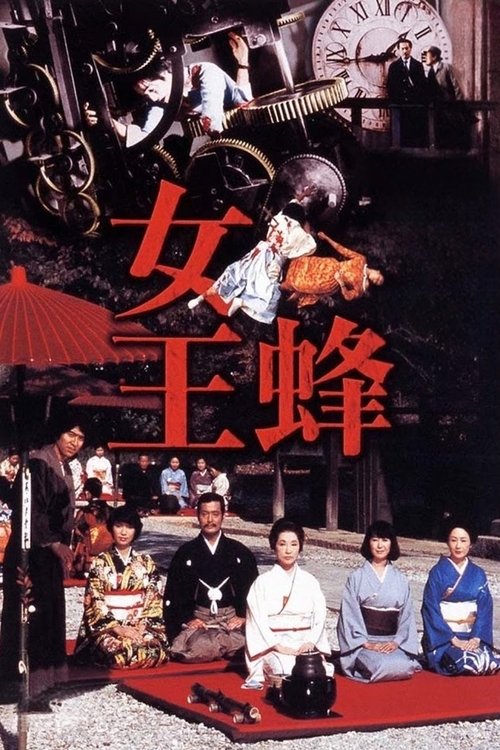
To solve the mystery of a murder of an old governess which takes place at a wealthy Daidoji family's country estate, family secrets and lies dating back several generations must be sorted out once and for all.

Queen Bee

1978
Four Days of Snow and Blood
7.4

Based on the "2.26 Incident", an attempted coup d'état in Japan 1936, launched by radical ultra-nationalist parts of the military. Several leading politicians were killed and the center of Tokyo was briefly held by the insurgents before the coup was suppressed.

Four Days of Snow and Blood

1989
The Phoenix
6.1

This extraordinarily complex film is not only a send-up of every samurai film ever made, it is also an extrapolation of the value of life. The Yamatai, represented by Prince Susano-O and elderly advisor Sumuke, hire Yumihiko of Matsuro to hunt the phoenix so that Queen Himiko, sister of Susano-O can have eteranal life.

The Phoenix

1978
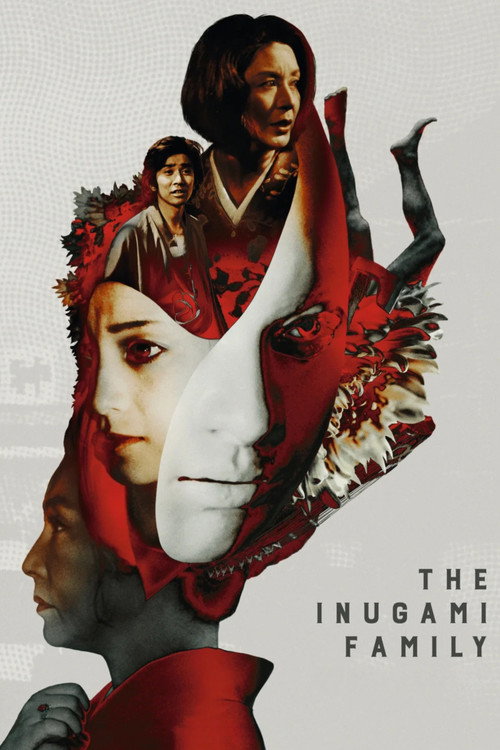
The Inugami Family
7.0

When a tycoon passes away, he unexpectedly leaves the family fortune to outsider Tamayo on the condition that she marries one of the grandsons, pitting blood against blood.

The Inugami Family

1976
The Sands of Kurobe
7.0

Kitagawa is an engineer charged with construction of a gigantic tunnel through the Japan Alps for the transportation of equipment in the building of the massive Kurobe Dam. The tunnel crosses an earthquake fault and Kitagawa is beleaguered not only by cave-ins and flooding, but by strife between management and the workers's union. Adding to Kitagawa's stress is the knowledge that as his attention is pulled inexorably toward the tunnel construction, his youngest daughter is dying from leukemia.

The Sands of Kurobe

1968
The Garden of Women
6.6

A student at a woman's university takes a controversial action against the school's old-fashioned doctrines.

The Garden of Women

1954
Wife
7.2

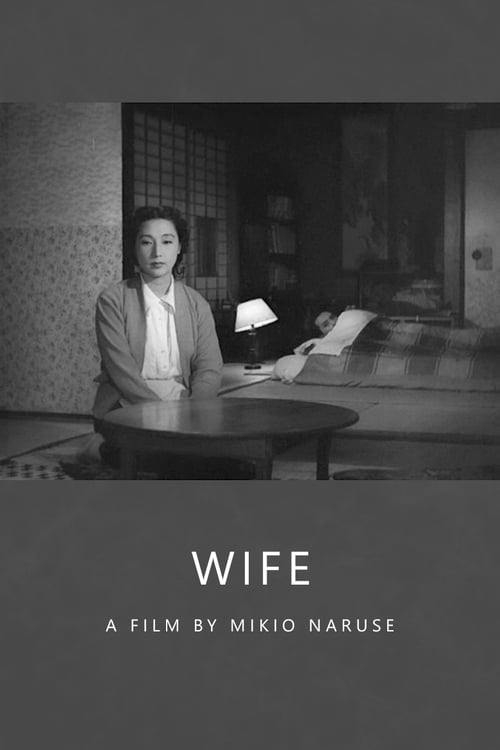
Ten years into a marriage, the wife is disappointed by the husband's lack of financial success, meaning she has to work and can't treat herself and the husband finds the wife slovenly and mean-spirited: she neither cooks not cleans particularly well and is generally disagreeable. In turn, he alternately ignores her and treats her as a servant. Neither is particularly happy, not helped by their unsatisfactory lodgers. The husband is easily seduced by an ex-colleague, a widow with a small child who needs some security, and considers leaving his wife.

Wife

1953
The Shogun Assassins
5.4

This is a film about a real person. Sanada Yukimura fought a war against Tokugawa Ieyasu.

The Shogun Assassins

1979
Ejima and Ikushima
N/A

This period film is inspired by one of the most notorious scandals to have taken place in Edo-period Japan. The heroine, Ejima, was a lady of the Ooku, the harem of Edo Castle in which the Shogun’s mother, wife and concubines resided, forbidden from contact with any other man except in the presence of the Shogun. The institution played a key role in the Byzantine world of Japanese court politics during the Edo era. In 1714, Lady Ejima was sent to pay her respects at a Buddhist temple in the city, and chose to pay an unauthorised visit to the kabuki theatre – a violation of protocol that was to have tragic consequences.

Ejima and Ikushima

1955
Love Under the Crucifix
7.0

A tea master and his daughter Ogin are both Christians in feudal Japan. Ogin falls in love with a married feudal prince who shares her faith. When the Shogun bans Christianity, the situation worsens.

Love Under the Crucifix

1962
The Golden Demon
6.0

A penniless orphan loses the woman he loves, when her family arranges a marriage to a wealthy playboy. He believes she was blinded by greed, and becomes a miser.

The Golden Demon

1937
Bright Sea
9.0

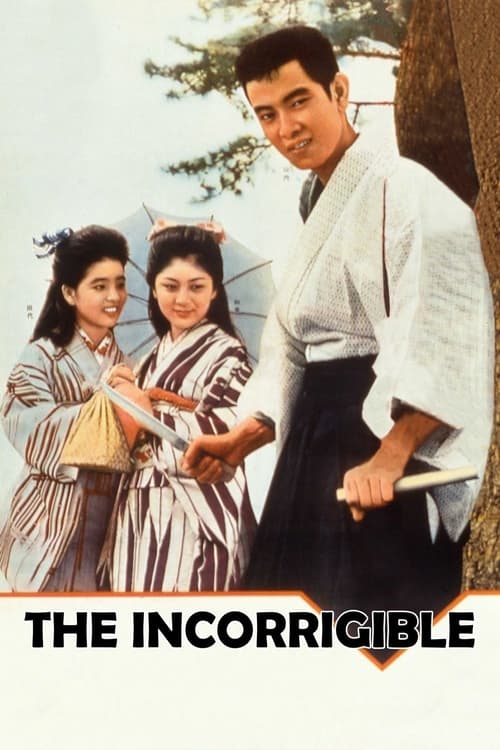
On the day of college graduation, Mieko (Sayuri Yoshinaga) stood on stage as the valedictorian for the Department of English. During her university years she made sure that she would always come out on top, and she did. With a victorious graduation behind her, she plans out the next chapter of her life: become a successful novelist and go out with a classmate she's been secretly eyeing for the past couple of years.

Bright Sea

1963
Elegy
9.0

Wataru Naohiko who has the prosecutor general as his father became a young composer and its symphony "saint" invoked the world echoed. But his disciple Uchiyama and his best friend prosecutor Daisuke Toki accused his music as a sesame of pause-only technique, not a truly heart-hungry art.

Elegy

1951
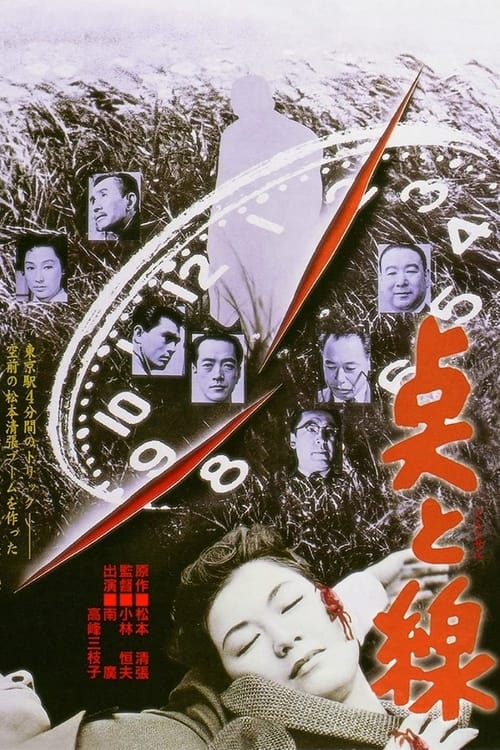
Points and Lines
6.3

Based on Matsumoto Seicho's classic mystery novel of the same name, the story centers around a group of detectives who are determined to find the truth behind an apparent double suicide.

Points and Lines

1958
Flower Season
10.0

Kitamori Yuki was particular about her promise to her mother-in-law Hana. The promise is that, as the daughter-in-law of Koichi, the eldest son of the Kitamori family, Hana entrusts everything to Yuki, but wants her entire family to come see her on her birthday. At that time, her second son Keisuke's daughter Megumi, who is her private taxi driver, made a mistake, and she was overwhelmed and approached Yuki for advice. Eventually, her mother Kayo of Megumi learned about this, but a period was quietly struck by her women coming to a conclusion that should be the food for Megumi's growth.

Flower Season

1990
Futari no Koibito
7.0

No description available.

Futari no Koibito

1969