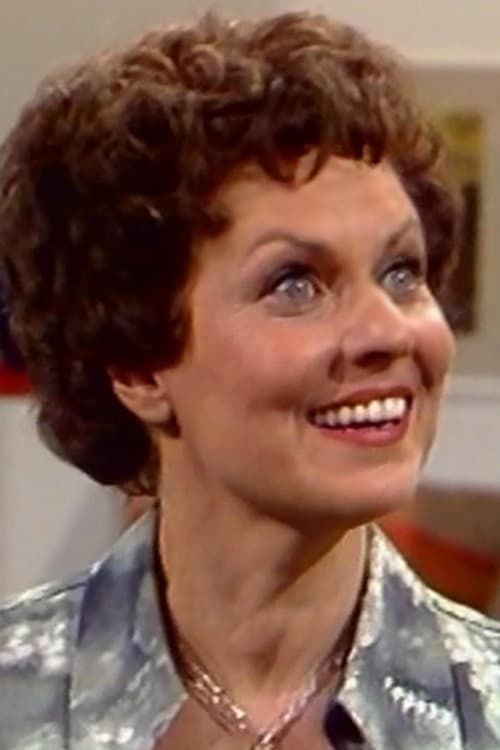
Evamaria Bath
Acting
Known For
Polizeiruf 110 is a long-running German language detective television series. The first episode was broadcast 27 June 1971 in the German Democratic Republic, and after the dissolution of Fernsehen der DDR the series was picked up by ARD. It was originally created as a counterpart to the West German series Tatort, and quickly became a public favorite.
Polizeiruf 110
Der Staatsanwalt hat das Wort was an East German television series.
Der Staatsanwalt hat das Wort

No description available.
Hallo, Onkel Doc!
No description available.
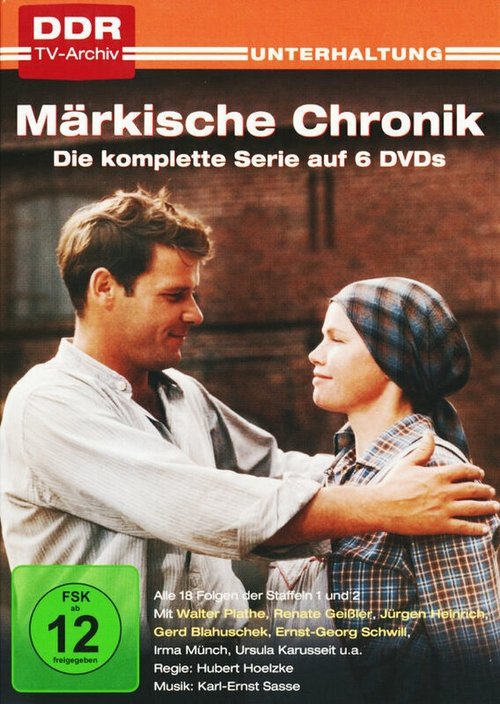
Märkische Chronik
No description available.
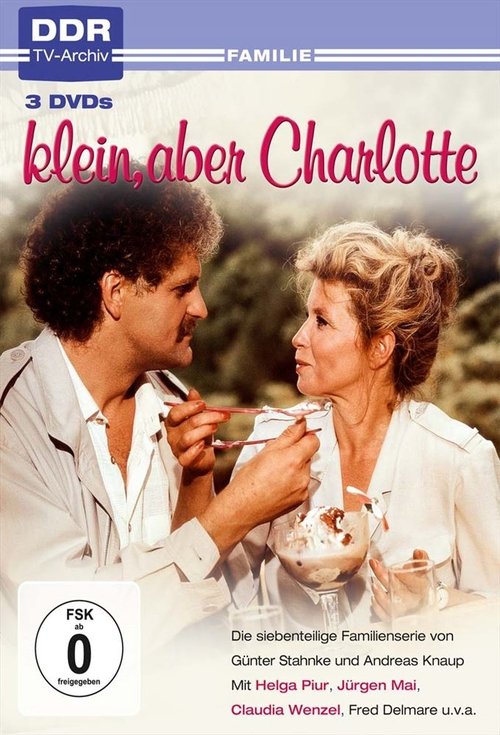
Klein, aber Charlotte
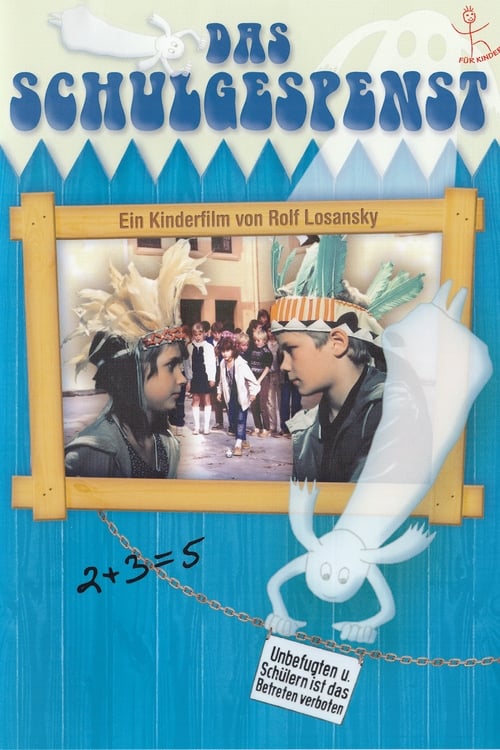
Carola is a mischievous girl who doesn't care much for school- except for sports and recess, of course. Without her good friend Willi to keep her on the straight and narrow, she would really be in trouble. One day at school, Carola has an idea. She invents what she calls "International Ghosts' Day" and a ghost named "Buh" to go with it. When Buh turns out to be less-than-imaginary the two decide to switch places, with Buh taking on all the schoolwork, and Carola taking the opportunity to play practical jokes on all her friends...
School Ghost
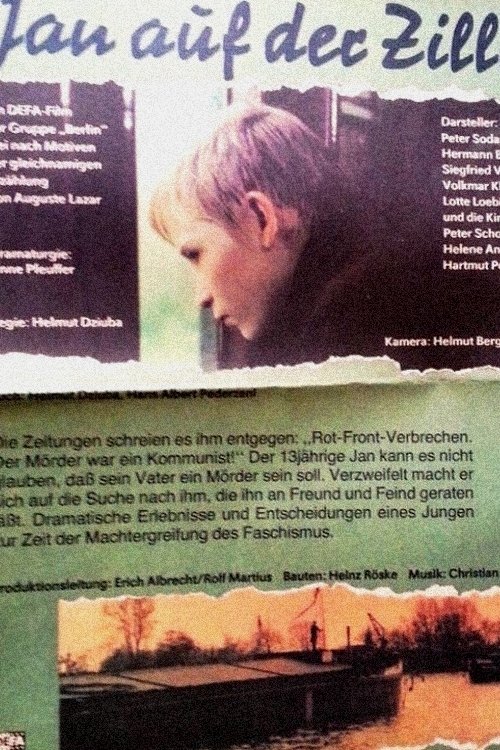
1934, Germany. Jan is a 13 year old boy, who is raised without a mother. His father, a communist, is accused of a political murder, and predicted to be shot by the police when he was on the run. Jan lives with his aunt and finds a friend, Max, who wants to help him to find out what really with his father happened. During a conspirative gathering Max is shot by SA (Nazi paramilitary) and Jan succeed to escape in a barge. Erika, the daughter of the captain of the barge, and a boatman hide him. They try to help Jan to escape from police and find his father, who really survived.
Jan on the Barge

No description available.
Unser Mann ist König

Peter is unwilling to learn the multiplication tables at school. He would rather work as an acrobat at the circus, just like his friend Susanne. When the class plans a trip to the circus, Peter is supposed to buy the tickets. Since he miscounts and buys one ticket less than needed, he cannot join his schoolmates. Susanne, however, comes up with an idea and lets him work in the circus arena where he is supposed to check on the arithmetic problems of a numerate donkey. When Peter fails to control the donkey, he feels deeply ashamed and has to assess that math is needed in all parts of life.
Peter und das Einmaleins mit der Sieben
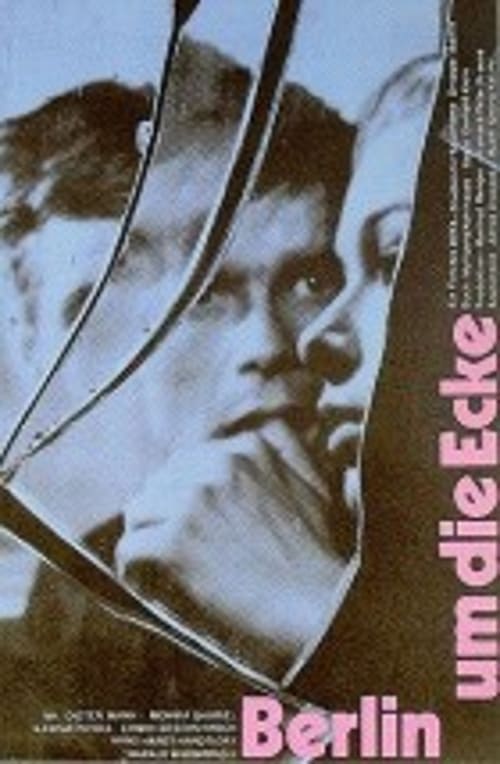
Berlin in the 1960s. Olaf and Horst are two young metalworkers, who provoke their older colleagues with critiques of the antiquated equipment and lack of materials... not to mention their love of leather jackets and motorbikes. Olaf and Horst begin to be targeted in the house newsletter, and the generational conflict escalates.
Berlin Around the Corner
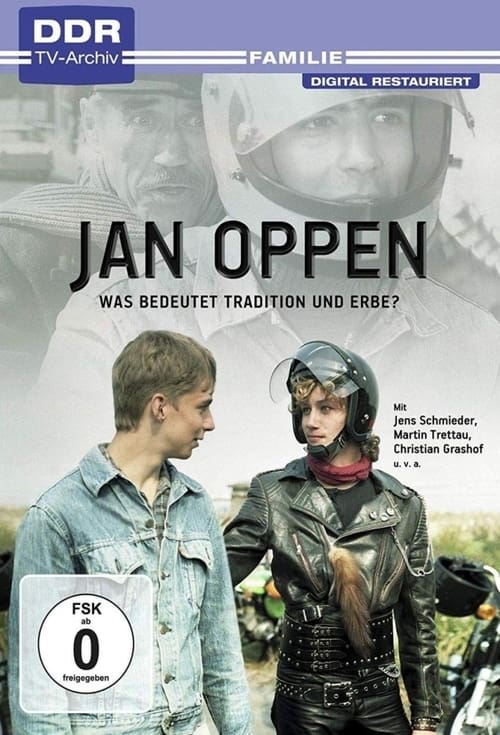
The Oppen family has lived in Berlin, Griesener Straße, for generations. The first names of the family members are also repeated, so the grandson Jan has the same first name as his grandfather. The Oppens' husbands have maintained a tradition up to now: they were or are all carpenters. But the latter does not yet fall on fertile ground with 16-year-old Jan, whose passion is the moped, his "machine". Of course, he is a newcomer among the motorcycle fans around the black Jonny, but he loves to be in their company to experience adventures, and of course he wants to be able to "keep up" with them. Jan has already developed a strategy for how he can do this.
Jan Oppen
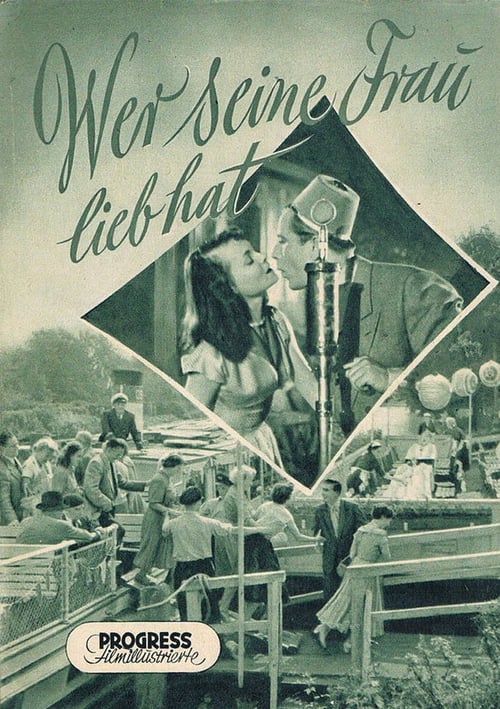
The Berlin Volkseigene Betrieb (VEB) Komet is planning a company outing. Willi Redlich, member of the party committee, votes like the others: The relatives stay at home. But he doesn't dare tell his wife Susanne. So she does the work of renting the "Waldschlösschen" restaurant for him - without his knowledge. When Willi wants to book the seats, everything is fully booked and he switches to the "Sonnenburg" opposite. Meanwhile, word has gotten around among the women that they are excluded. They plan a counter-event. On the day of the excursion, both groups are sitting in their inns and the women make sure that they can still celebrate together.
Wer seine Frau lieb hat

Adam, Evchen, and Manni are looking at the moon through their home-made telescope. Evchen isn't interested, and dismisses the moon as a lump of cheese. Manni, who is a big fan of technology, sees satellites and a car driving over the moon's surface. But Adam hears the moon speak, and hears it ask for flowers to cover its surface. From then on, Adam is determined to breed a kind of flower that can grow on the moon.
Flowers for the Man in the Moon
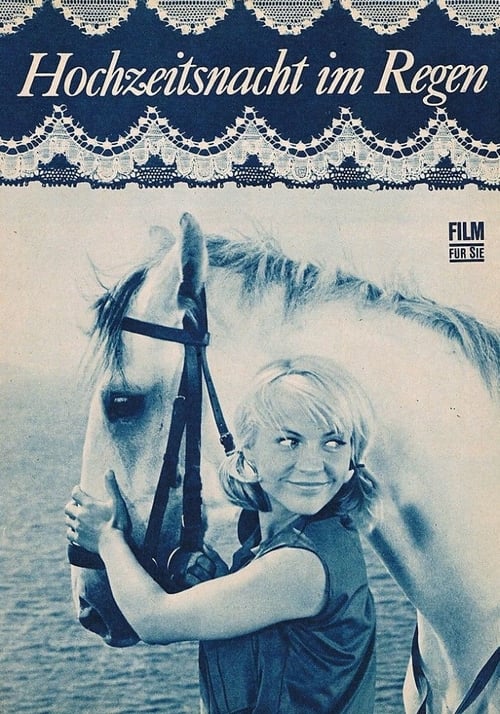
This comedic musical tells the story of Gabi, a young hairdresser from the Baltic coast who desperately wants to be a jockey. One day, she packs her bags, drives to Hoppegarten, and is soundly rejected by the head coach. Gabi doesn't want to give up, and in order to at least have a roof over her head, she rushes into a marriage with the seemingly nice Freddie. However, this marriage soon proves to be her second rejection, as Freddie openly dislikes the fact that she wants to be a jockey.
Wedding Night In The Drizzle
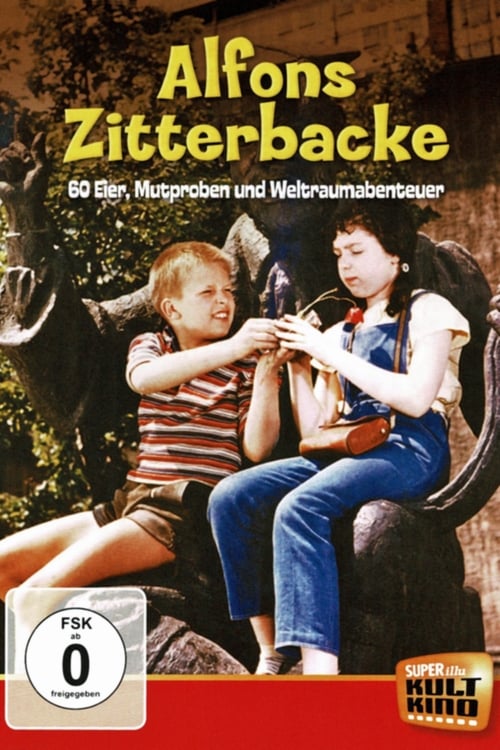
Alfons is very unlucky boy. Even when he intends well everything is going wrong, so his life is full of various mishaps.
Alfons Zitterbacke
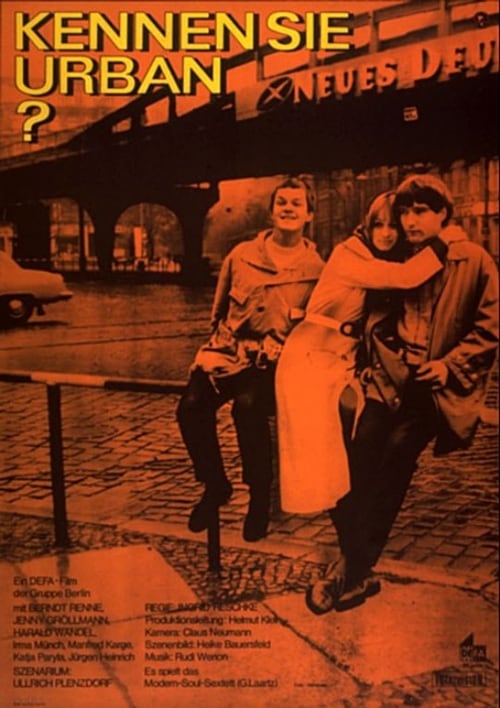
Hoffi is starting fresh after his release from prison. He travels with his brother to different construction sites in search of Urban, an acquaintance and role model he met during a brief hospital stay. Along the way, Hoffi meets Gila, who sees beyond his past in prison. Despite disapproval from her family, Gila decides to build a relationship and future with Hoffi, but Hoffi initially hesitates at this responsibility. It takes the encouragement of his workers’ brigade for Hoffi to realize his mistake and give his relationship with Gila a chance.
Do You Know Urban?
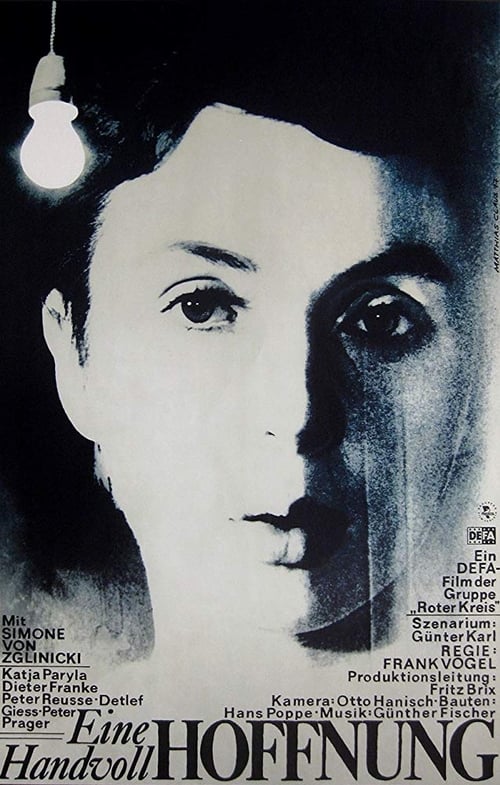
Berlin at the end of the 1940s. Anneliese Weyher is working as a switchboard operator. She is living with her aunt after losing her parents in the war – a stroke of fate that has thrown the young woman off course emotionally. Indifferently, she is doing her work; her private life consists of an affair with a black-marketeer. Even when Anneliese witnesses an armed robbery, committed by infamous Wollnick and his gang, she stays lethargic and apathetic – she keeps silent instead of helping the inspector who is a friend of her aunt. It is not until Anneliese by coincidence meets her former lover, the watchmaker Kurt, that her life seems to take a positive turn.
Eine Handvoll Hoffnung

A high-rise building like any other: the tenants lived a "normal life", went to work, came home and paid no further attention to their neighbors. Until the day when Bombach, a master painter, received a letter in the post that not only shook up his family life, but also that of his fellow tenants.
Krach im Hochhaus
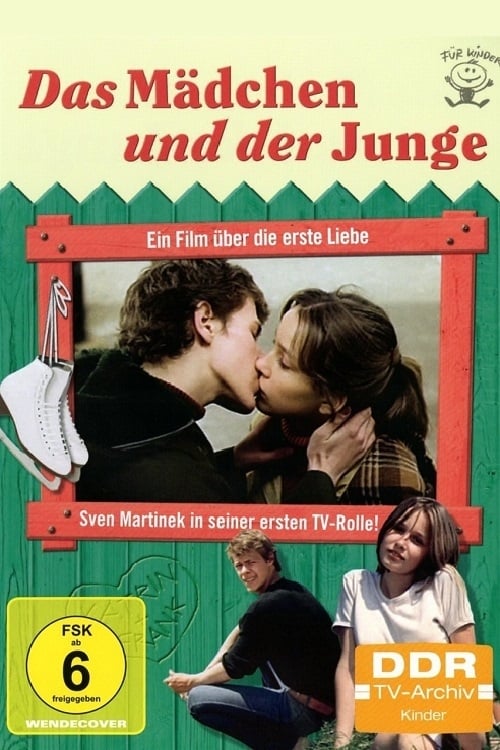
Puberty drama about the first love of a 15 year old girl from Berlin.
The Girl and the Boy
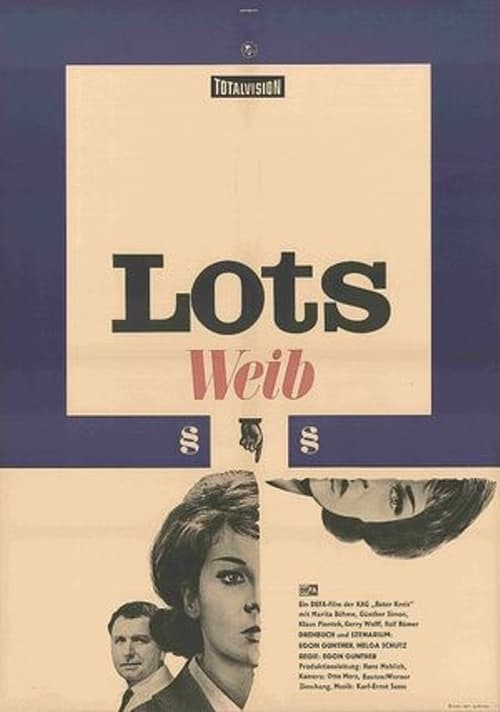
The marriage of Katrin and Richard Lot has become a routine. She has a career and he, as a Marine officer, comes home only once every fourteen days. The children greet him with joy, but she greets him only with anxiety because their marriage is missing its key ingredient: love. She wants a divorce, but he refuses mainly out of comfort as well as due to pressure from the party. Katrin finds a strange solution: she shoplifts and is put on probation for three months. This is enough to force Richard into a divorce because he is concerned about the "moral liability" of his wife.