Takako Irie
Acting
Biography
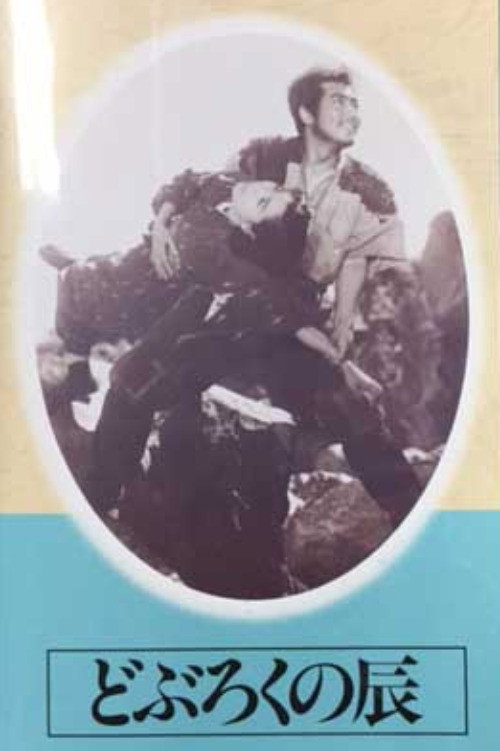
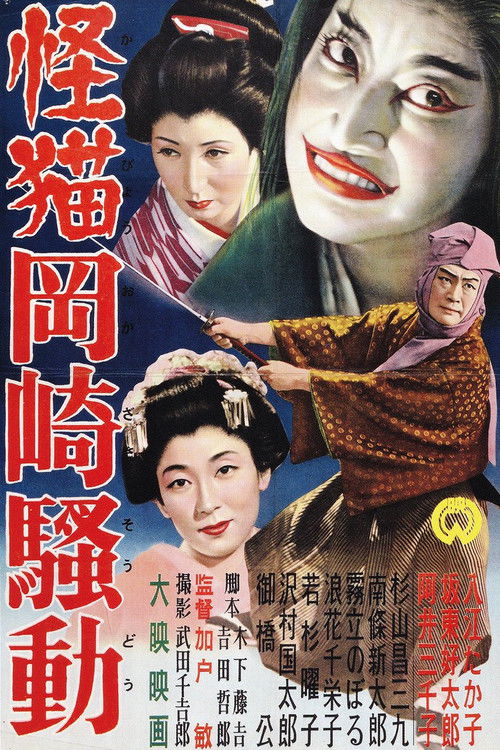
Takako Irie (入江 たか子 Irie Takako, 7 February 1911 – 12 January 1995) was a Japanese film actress. Born in Tokyo into the aristocratic Higashibōjō family (her birth name was Hideko Higashibōjō (東坊城 英子 Higashibōjō Hideko)), she graduated from Bunka Gakuin before debuting as an actress at Nikkatsu in 1927. She became a major star, even starting her own production company, Irie Productions, in 1932. One of Kenji Mizoguchi's silent film masterpieces, The Water Magician, was produced at that company with Irie starring. She appeared in many advertisements, as well as on fans and other commercial goods. Irie was also the subject of a folding screen painting by Nihonga artist Nakamura Daizaburō, which appeared in the 1930 Teiten (Imperial Exhibition), and which is today in the collection of the Honolulu Museum of Art; toy dolls were also produced based on this image. In the postwar period, Irie became known as a "ghost cat actress" (bakeneko joyū) for appearing in a series of kaidan (ghost story) movies. One of her late memorable roles was in Akira Kurosawa's Sanjuro, where she plays Mutsuta's wife, the lady who warns Sanjuro (Toshirō Mifune) that "the best sword stays in its scabbard".
Known For

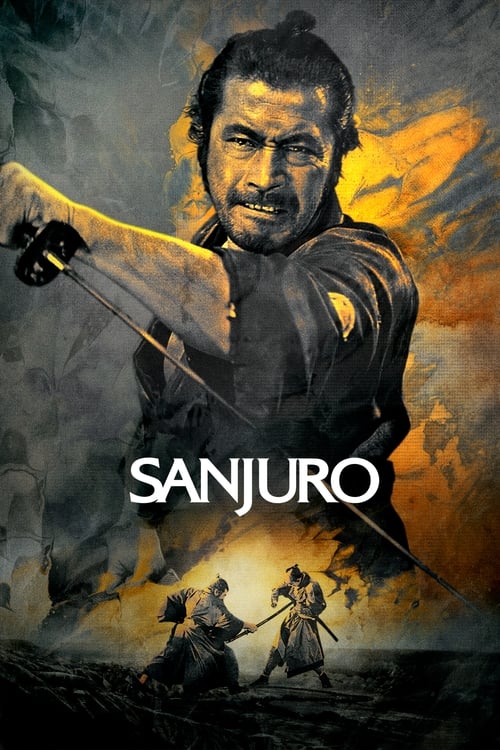
In this companion piece and sequel to "Yojimbo," jaded samurai Sanjuro helps an idealistic group of young warriors weed out their clan's evil influences, and in the process turns their image of a proper samurai on its ear.
Sanjuro

Kazuko Yoshiyama is a third-year junior-high-school student. One day, while cleaning the lab, she smells lavender and faints. From then on, she has the power to travel through time.
The Girl Who Leapt Through Time

Young women at a precision optics factory in wartime Japan push to exceed production quotas, enduring illness, injury, and personal hardship to “serve the country.” Led by Tsuru Watanabe, they fight fatigue and setbacks to keep their line moving—even when duty collides with grief.
The Most Beautiful

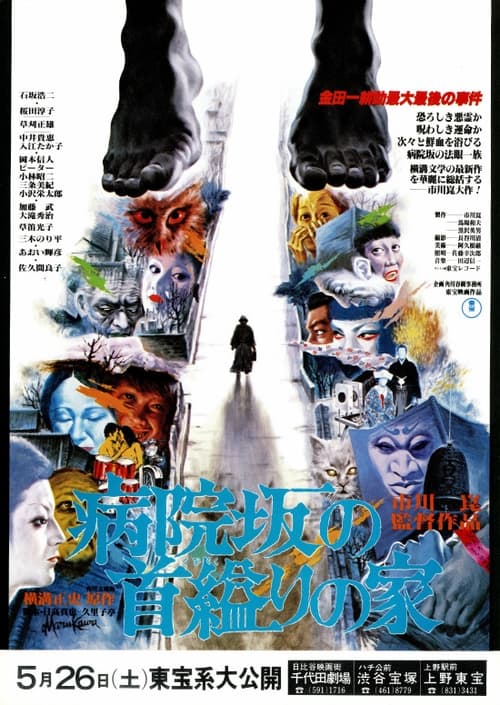
This time, Kousuke investigates a murder in a hospital. The murderer leaves misleading evidence to divert Kousuke's attention on the case. Suspicion and doubt clouds Kousuke's mind.
The House of Hanging

What is marriage? Young couple in match-making wanted to know before they decide. They visited married couples of sisters and brothers. Love comedy in 1942.
Sky of Hope

No description available.
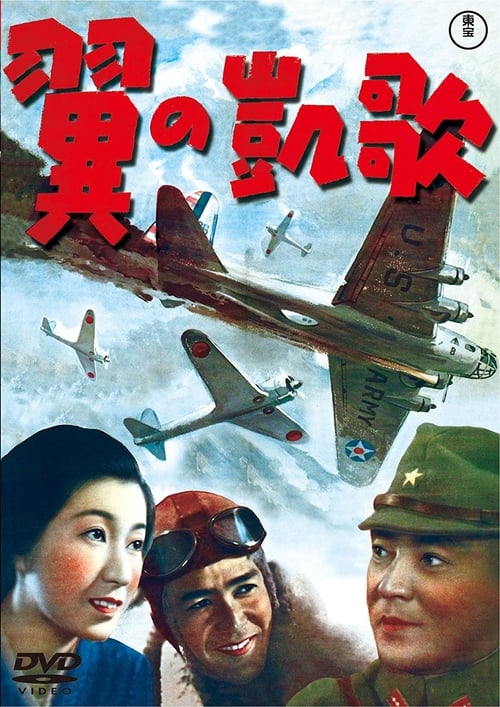
Wings of Victory

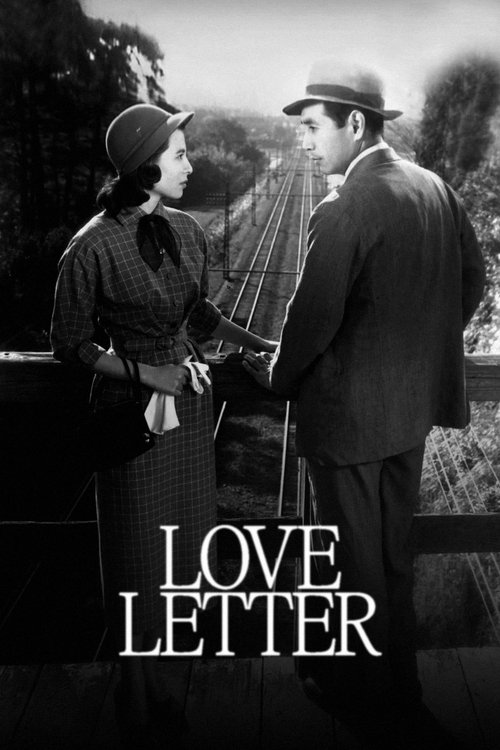
Five years after the end of the Second World War, Reikichi, a repatriated veteran, translates love letters for Japanese women to American GIs, while searching for his lost love, Michiko.
Love Letter

A continuation of the prior film (影法師).
Zoku kagebōshi ryūkoaiutsutsu

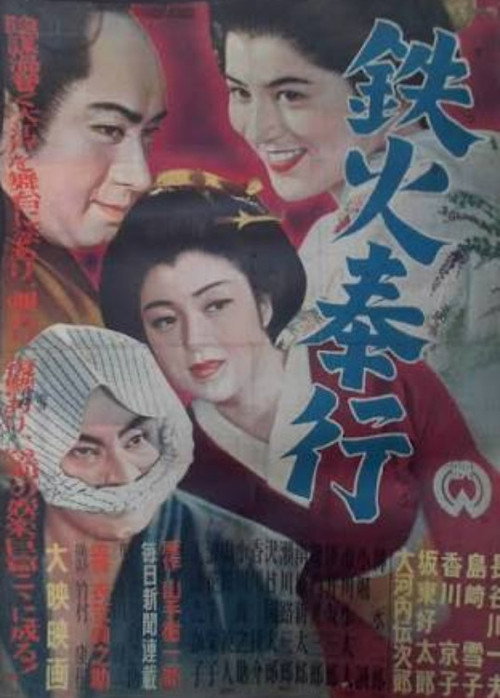
On the night the shogunate's treasury was breached, the guard Utsugi had already been taken down. His colleague Ryunosuke felt responsible and decided to catch the culprit, not only for the sake of the beautiful wife of Utsugi, Chika, but also for his own honor. Chika's younger brother Shinjiro and the powerful Uechi family living near Ryunosuke's abode, join hands to support Ryunosuke. Counterfeit coins begin to surface—a scheme by the corrupt faction led by Yanagisawa. The henchman behind this is Koyamada Tesshin, who gathers ronin to amplify Yanagisawa's power. Among those ronin is Tendo Sakon—a man who drinks silently and plays the flute when in a mood.
Kagebōshi

Set in Qingdao, China, a Japanese company locates an office there and begins work and cooperation with a local Chinese company for business. Many Japanese engineers also move to China, with their families, for the company in order to construct a canal. There are young Chinese resisting the Japanese in this area.
Green Earth

No description available.
Fighting Letter for 29 People

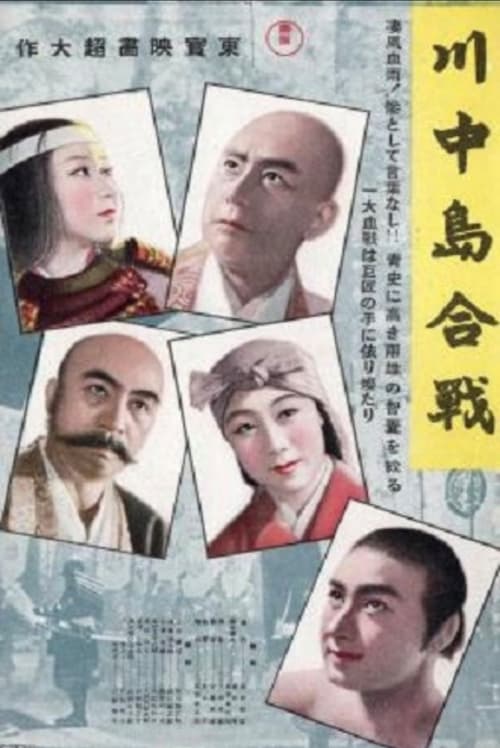
This epic depicts the battle between Uesugi Kenshin and Takeda Shingen. The focus of the story is the struggle by the unit leader in charge of the main supply wagons and the supply troops to transport materiel to the Uesugi army. To this are added episodes involving an itinerant woman.
The Battle of Kawanakajima

After noticing in the news there was a fire in an old canal town, Eguchi recalls visiting there a decade ago as a university student.
The Deserted City

Taki no Shiraito is a very independent young woman with a famous water juggling act in a travelling carnival troupe. She falls in love with an orphaned carriage driver Kinya Murakoshi, and pledges to put him through law school in Tokyo. She always encloses money in her letters to him, until one hard winter there is no work to be found.
The Water Magician

After learning that he has accidentally killed a man in a fight, Unokichi must look after the man's pregnant widow.
Life Is like a Somersault
When Sentarô’s father is killed by a drunken samurai, Sentarô avenges him. His deed puts him on the run and leaves his sister behind. While running from both the authorities and the assassins, Sentarô meets with the beautiful travelling-actress Oshima who takes him under her protection.
The Snake Princess

A classic melodramatic love tragedy addressing social inequality in Taishō-era Japan, The nostalgic scenes of 1920s Tokyo provides a valuable visual experience set against the background of the title song, "Tokyo March." (Sadly, less than a half hour of the footage has been recovered and restored.)
Tokyo March

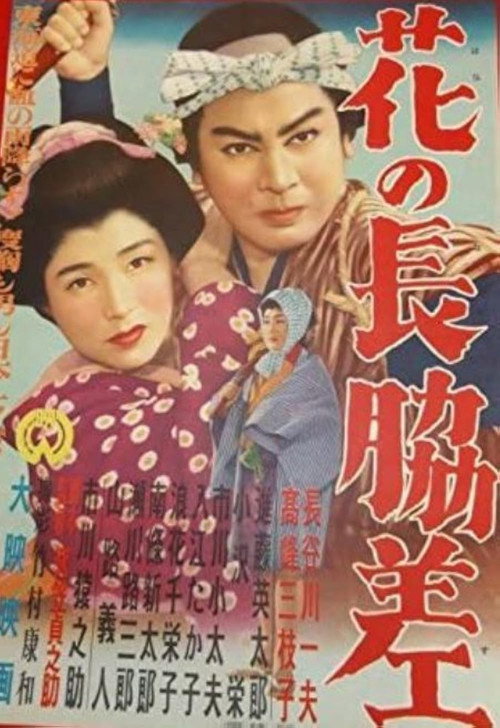
Jurobei, a kaisen tonya (wholesaler in port) in Awa, was wronged and killed on the day of the Dance Festival by the evil merchant & the chamberlin. His brother (Kazuo Hasegawa) vowed vengeance on the day of his brother's death. So every year the villains are worried during the Awa Dance Festival (which is part of the Obon festival), but nothing has ever happened, until seven years later...
Dancers of Awa

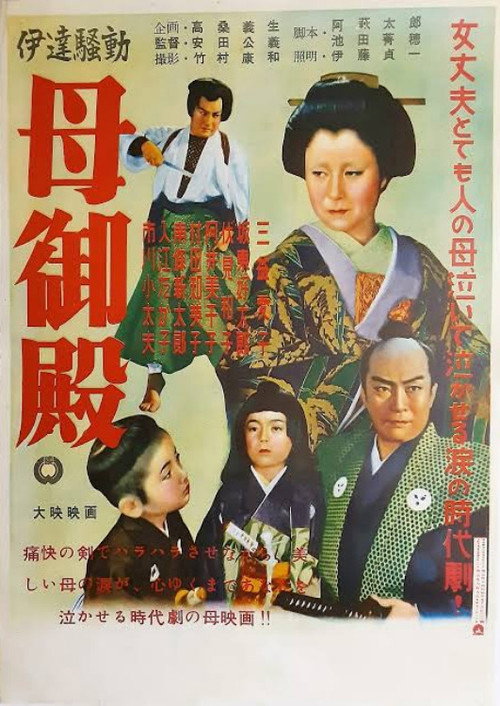
The premature death of a young mother serves as inspiration for her husband and son.
Mother Never Dies

The masked avenger Kurama Tengu is linked to a plot to bring down the Tokugawa shogunate, but is it really our hero, or an imposter?