Production
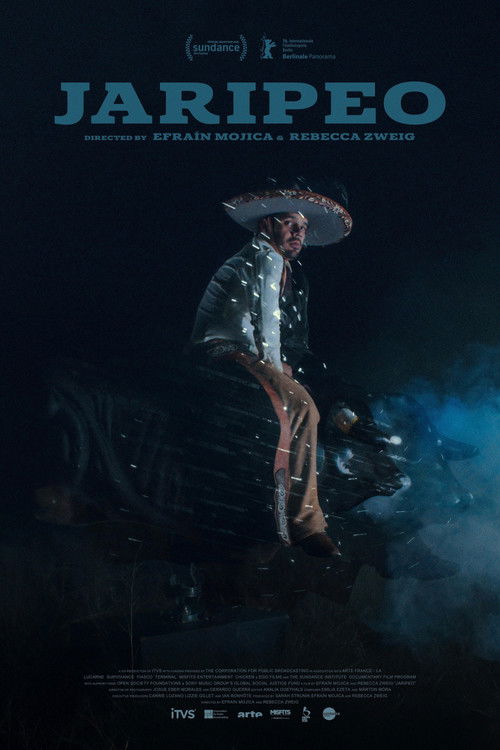
Set against the vibrant spectacle of the jaripeo, a symbol of Mexican cowboy tradition and machismo, this story unveils a hidden world of queer desire and quiet rebellion. As glances and gestures disrupt the rigid norms of masculinity, the rodeo becomes a stage for our protagonists to navigate identity, community, and the search for belonging in an oppressively traditional space.
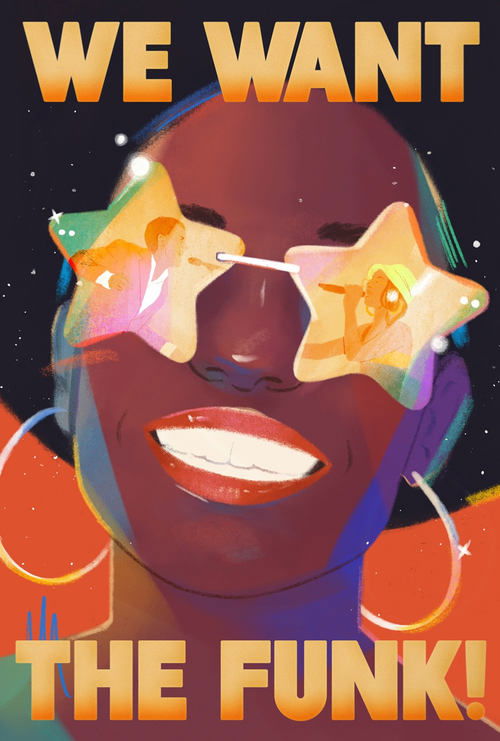
Stanley Nelson's syncopated voyage through the history of funk music, from early roots to 1970s urban funk and beyond.
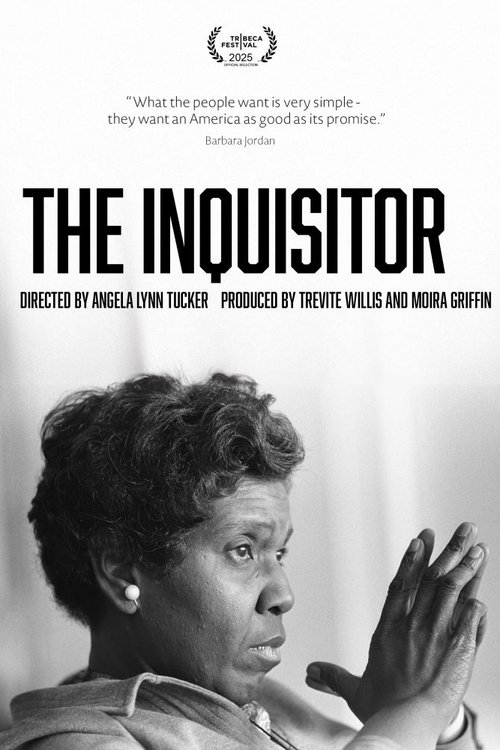
In 1972, Congresswoman Barbara Jordan became the first Southern Black woman to join Congress, one of many firsts in her career as a trailblazing political leader. Looking at her life both in and out of the limelight, this insightful documentary explores how her voice still resonates today.
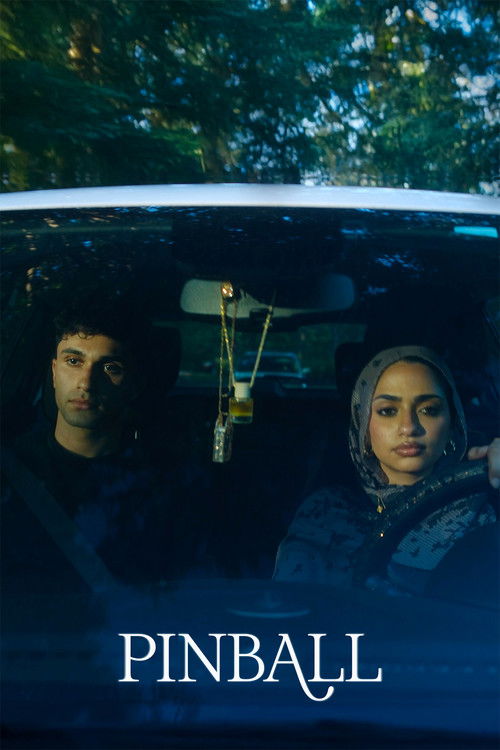
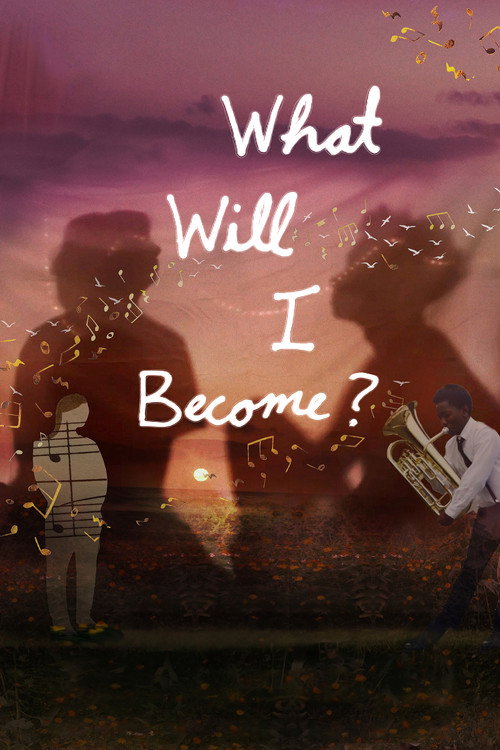
In this contemplative coming of age portrait, Yosef, a spirited athlete, is becoming more aware of his family history, after being displaced from their Iraqi homeland.
Filmed over three years, the film follows Ashley Chea, a Cambodian-American basketball phenom. Exploring the highs and lowsher immigrant family, surmounting racial and class differences, as well as personal trials that include a devastating knee injury. Despite the intensity of basketball recruiting, Ashley’s humor shines through and her natural talent inspires the support of those around her.
More than 50% of transgender boys have attempted suicide. Through two life stories, directors Lexie and Logan unravel why their community is particularly vulnerable to living and dying quietly.
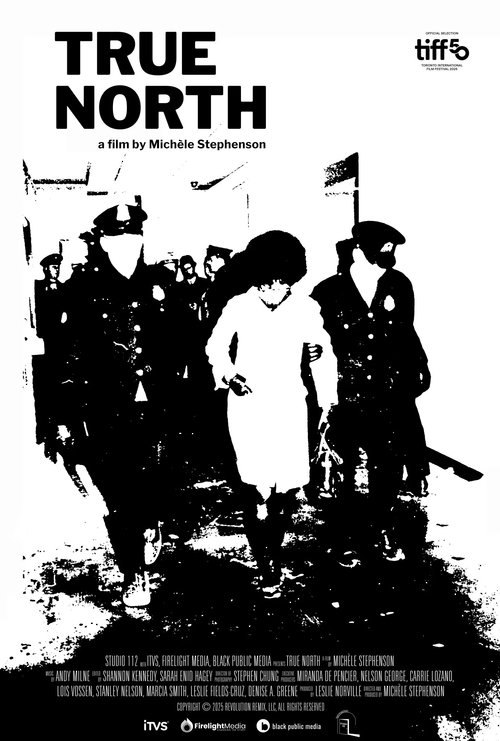
Centers on the 1969 student protests against racism at Montreal’s Concordia University and their contribution to the story of Black liberation.
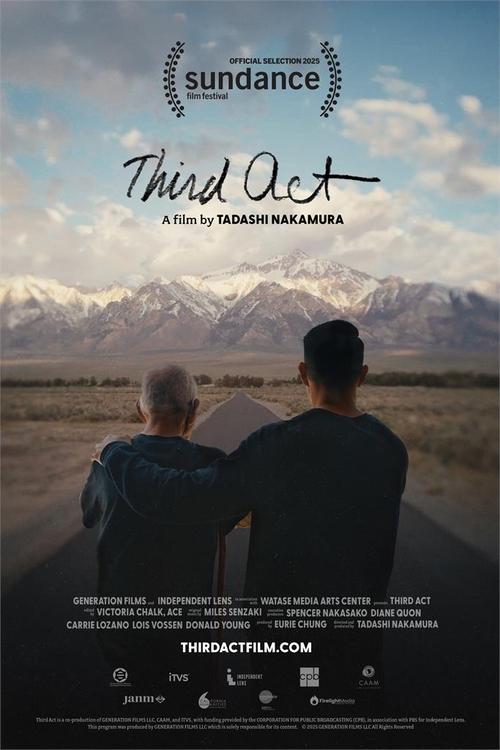
Filmmaker Tadashi explores his father Robert A. Nakamura's life as an influential Asian American artist and activist, while grappling with Robert's Parkinson's diagnosis, navigating themes of art, grief, and their father-son relationship.
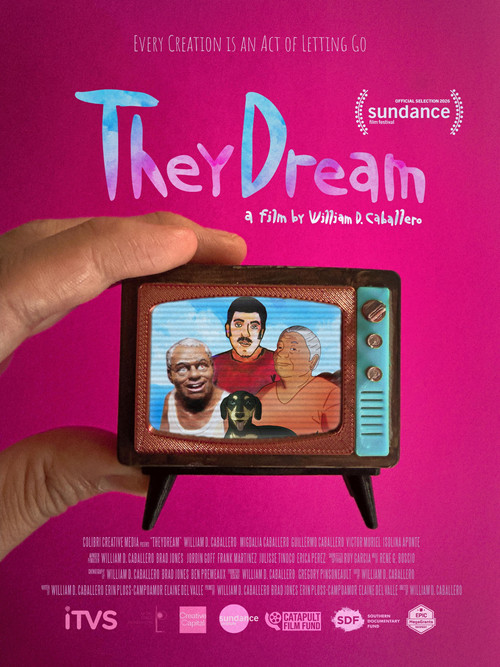
After 20 years of chronicling his Puerto Rican family, a director and his mother face devastating losses. Through tears and laughter, they craft animations that bring their loved ones back to life, discovering that every act of creation is also an act of letting go.
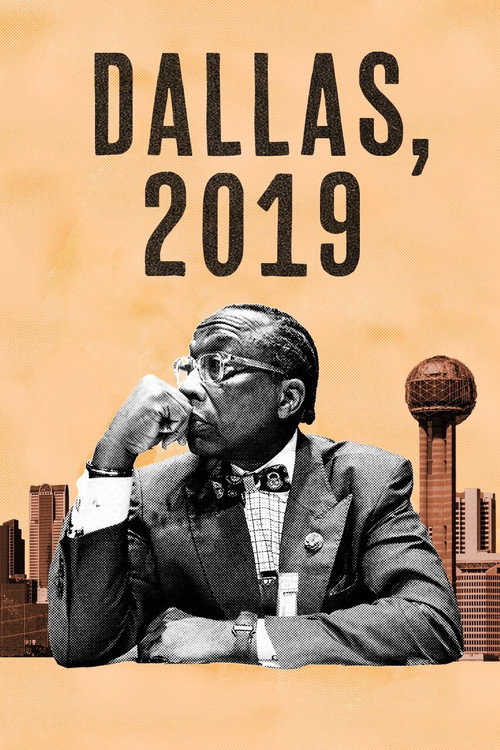
Dallas, 2019 captures the pulse of a city and the people who work and live there, all trying to build a better future.
Across America, UPS workers come together to demand better working conditions as they go about criss-crossing the world, delivering packages and connecting lives.
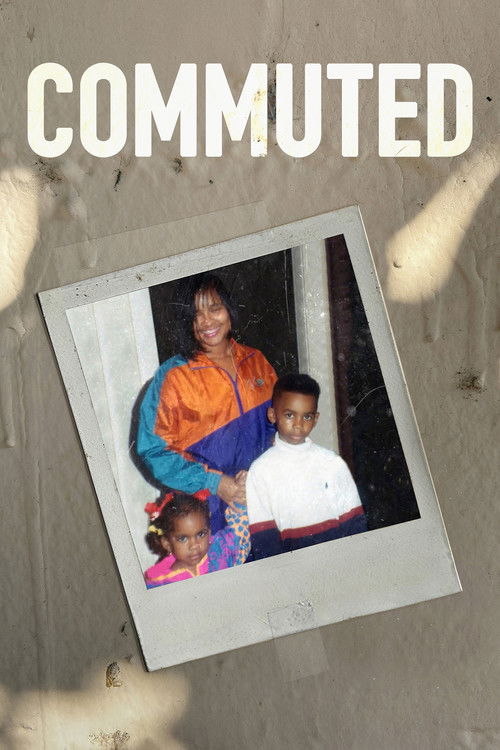
When Danielle Metz’s triple life sentence was commuted, she got a rare chance to regain the life and family that she’d been dreaming about in prison. But back home in New Orleans, she steps into a different reality. Commuted traces Danielle’s journey to find purpose and love, and to confront the wounds of incarceration that linger after release from prison.
Milwaukee mother Tahira transformed her life after overcoming a debilitating opioid addiction. In a candid beauty shop conversation with her daughter, she reveals her trauma, her pain, and her path to healing through opening Samad's House, a haven for women like herself.
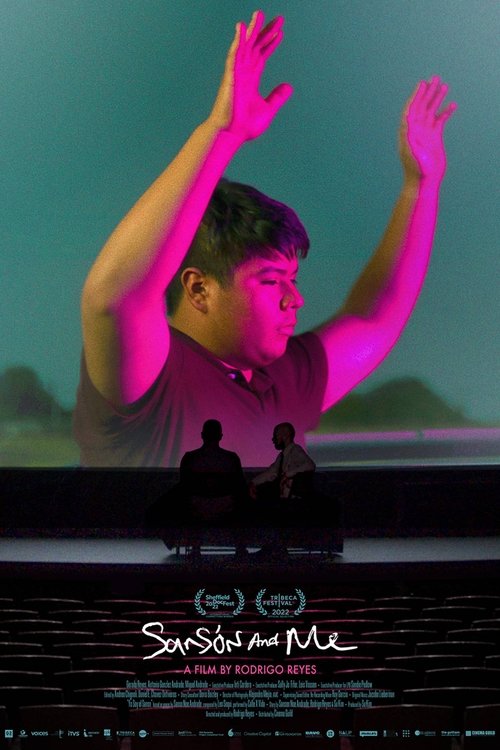
Borders have defined Sansón’s life. There’s the physical and psychological border between Mexico and the US. And now, looking at a life behind bars, there’s the one that separates him from his loved ones. Since it is forbidden to film inside the jail, Reyes recreates Sansón’s life – with the help of his family – through letters and by casting an untrained actor to play his friend. The resulting film is a reflection on migration, the notion of family, what it means to see one’s life on film, and the harshness and injustice of the US prison system.
In India and the U.S., scientists are developing a new male contraceptive that could revolutionize family planning and transform women’s lives worldwide. The film follows the researchers as they strive to successfully launch a reversible male contraceptive—the first breakthrough since the modern condom was invented 200 years ago.
A filmmaker revisits her evangelical roots to find connection with her estranged father.
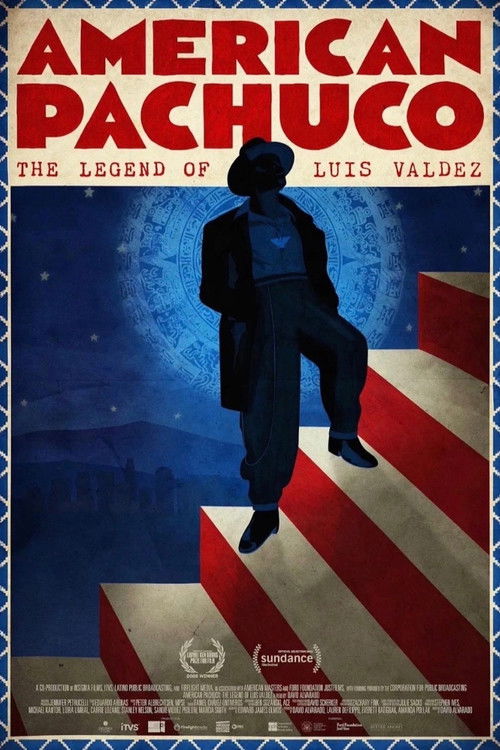
Against political resistance and industry skepticism, Luis Valdez pushes Chicano storytelling from the fields to the film screen with Zoot Suit and La Bamba, crafting iconic works that challenge, celebrate, and expand America’s story.
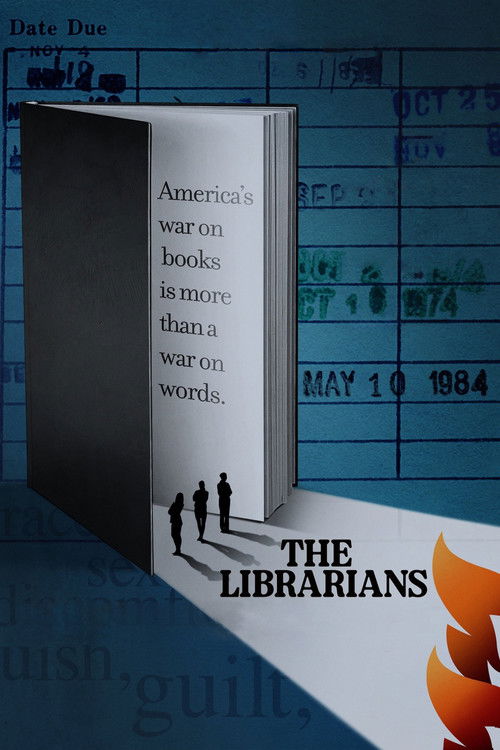
As an unprecedented wave of book banning is sparked in Texas, Florida, and beyond, librarians under siege join forces as unlikely defenders fighting for intellectual freedom on the front lines of democracy.
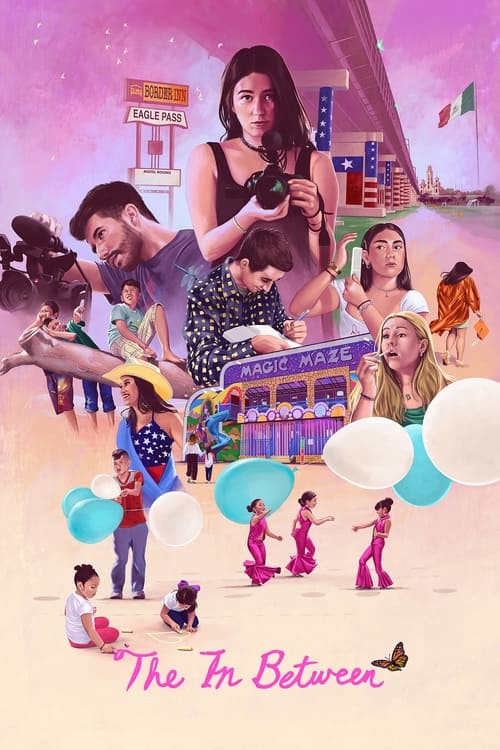
Following the death of her brother, filmmaker Robie Flores returns to her hometown Eagle Pass on the Texas/Mexico border, wanting to turn back time. She collides with unruly experiences of adolescence – quinceañeras, Rio Grande river excursions, teen makeovers and beyond – that invite her to soak up the details of the home her brother adored and she ignored. What emerges is a playful dance between a personal and collective coming-of-age portrait of kids on the border and Robie herself as she rediscovers the possibilities of joy in the aftermath of grief.
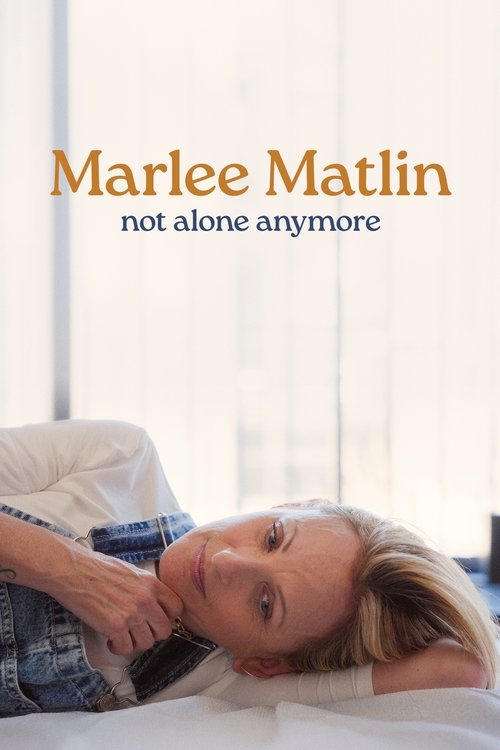
In 1987, Marlee Matlin became the first Deaf actor to win an Academy Award and was thrust into the spotlight at 21 years old. Reflecting on her life in her primary language of American Sign Language, Marlee explores the complexities of what it means to be a trailblazer.