Acting
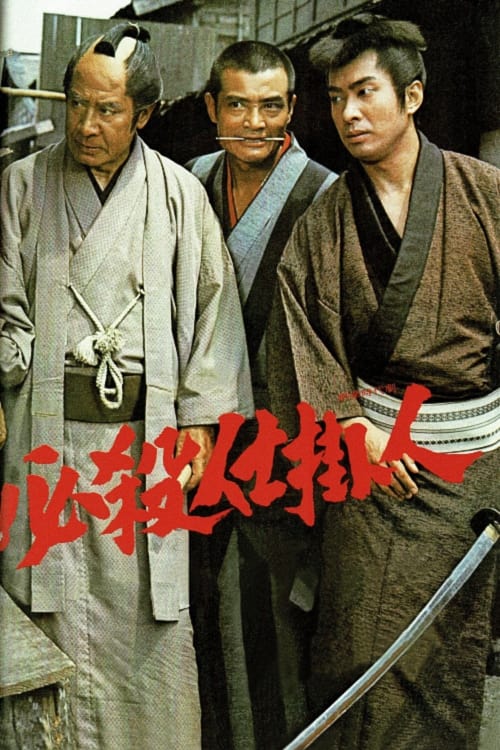
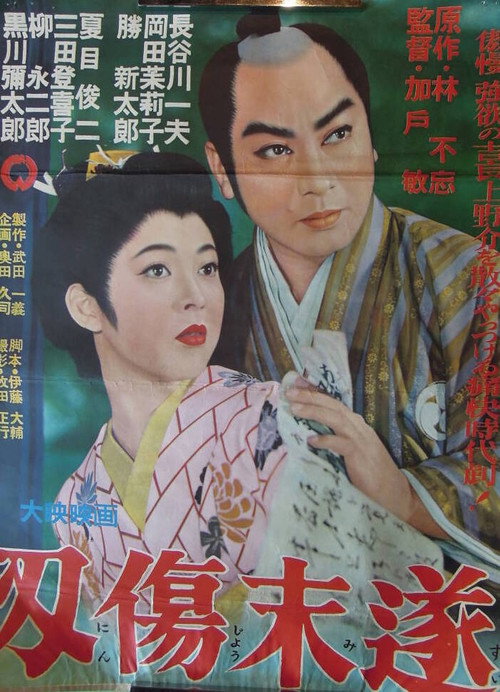
A shikakenin was an under-the-cover trade that undertook killing in Edo. Hanemon of Otowa, an agency that introduced laborers and maids, was also one of these. Katsugoro Iseya was a timber dealer who had come in as a client. His target was the constructions magistrate Hanno, and the Tatsumiya who sipped on the benefits. Hanemon who had a stong code towards killing, where he would only kill those who do no good to be in the world, accepts this request. Baian Fujieda, a needle doctor would carry out the killing. However, the professional killer Baian fails to bring down Tatsumiya. Hanemon then looks to another shikakenin, the ronin Sanai Nishimura for the role. Although Sanai's ability with the sword is good, he lives poorly in a tenement, and accepts this commission on the condition that it is kept a secret from his wife and child. Here, they close in on Hanno and Tatsumiya again...
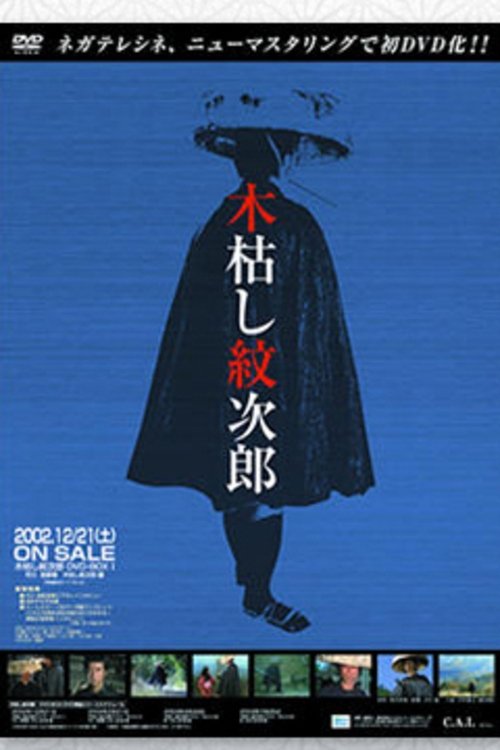
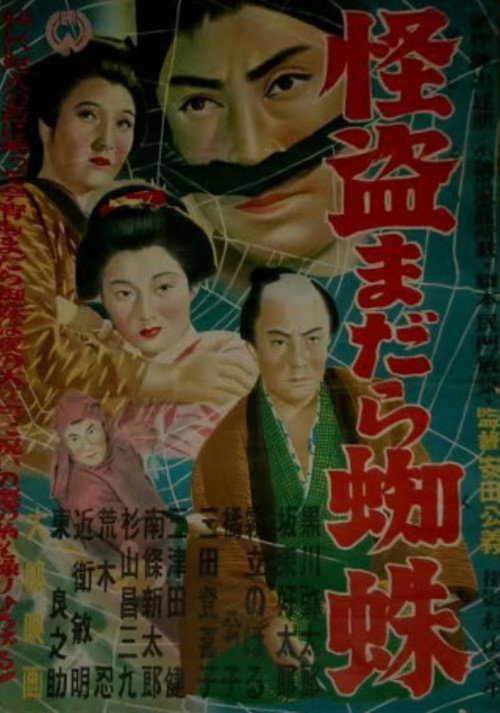
Monjiro was born into a poor farm family in Mikazuki Village, Nitta County, Ueshu, and abandoned his hometown when he was 10 years old. He has been traveling aimlessly with a long toothpick in his mouth. Monjiro avoided getting involved in anything, but wherever he went, he ended up getting involved in incidents
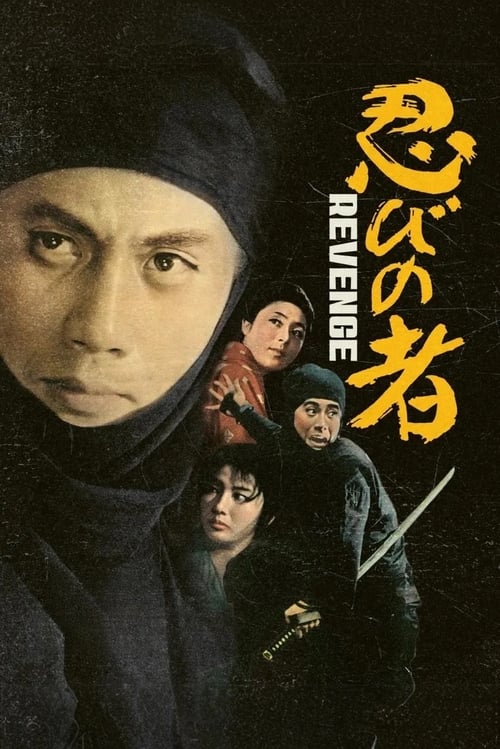
[Period covered: 1582-1594]. As the film opens, the warlod Nobunaga Oda rides to Iga Ayanokuni shrine. He is asked if he thinks he has destroyed all the ninja who opposed him and answers that he suspects that there may be more. A servant brings water and tests it first. The paige dies and we hear gunshots as two ninja flee the scene. His suspicions confirmed, Nobunaga oversees the execution of captured ninja and decides that, in the future, he needs a much crueler method of execution. The daimyo Hideyoshi comes to visit.
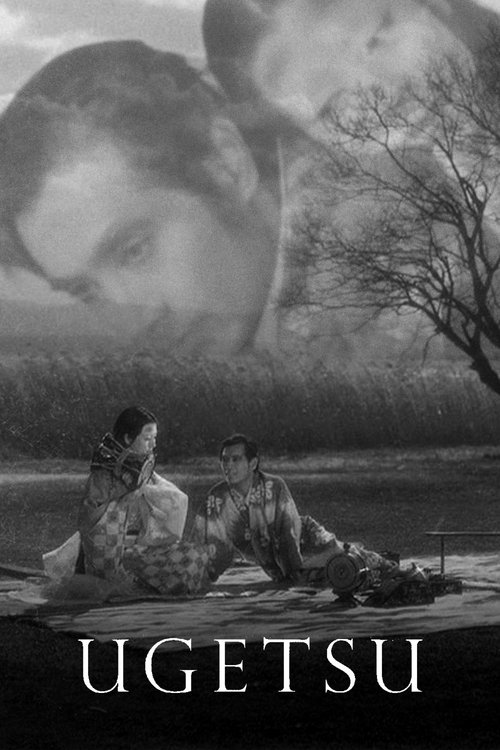
In 16th century Japan, peasants Genjuro and Tobei sell their earthenware pots to a group of soldiers in a nearby village, in defiance of a local sage's warning against seeking to profit from warfare. Genjuro's pursuit of both riches and the mysterious Lady Wakasa, as well as Tobei's desire to become a samurai, run the risk of destroying both themselves and their wives, Miyagi and Ohama.
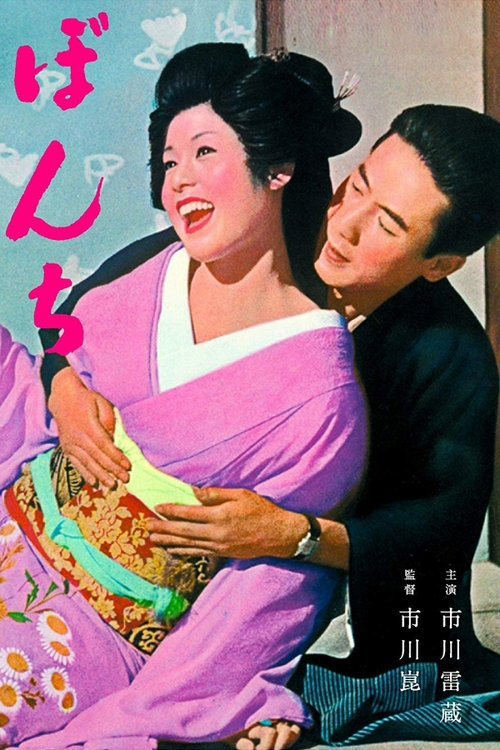
Kikuji is the scion of an Osaka merchant family whose traditional power is matrilineal. Instructed by his overbearing mother and grandmother to give them an heiress for the family business, he stands by helplessly as his wife is thrown out of the house for producing a son. Driven to a life of dissipation - his mistresses also fail to produce daughters - in the end he is just too tired to care.
No description available.
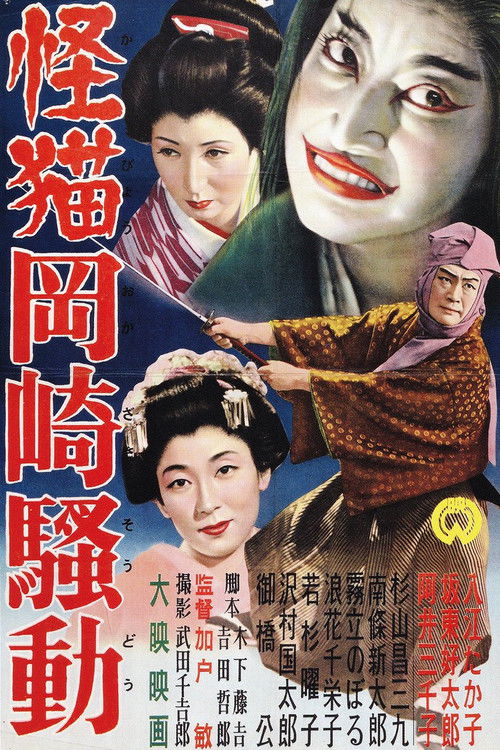
The Lord of Okazaki is killed by his brother-in-law. Although the Lord's widow bears a child, she is also killed. Then, a ghost cat begins stalking in the castle.
When a local gambling house kidnaps some peasants because they failed to pay their debts, a rival gambling house pays their debts and sets them free.
A mountain bandit abducts a woman who demands he kill his other wives to please her, leading to a cycle of violence and madness fueled by superstition and obsession.
Fascinated with women from an early age, Yonosuke had his first sexual encounter at the age of seven. From that day on, he recklessly and forwardly pursues women, feeding his fascination and experience. As Yonosuke's salacious behavior brings much cause for shame to the family, his father eventually breaks relations with him. Expelled from the family, 19-year-old Yonosuke embarks on a pilgrimage of lust, traveling far and wide to acquaint himself with women of all walks.
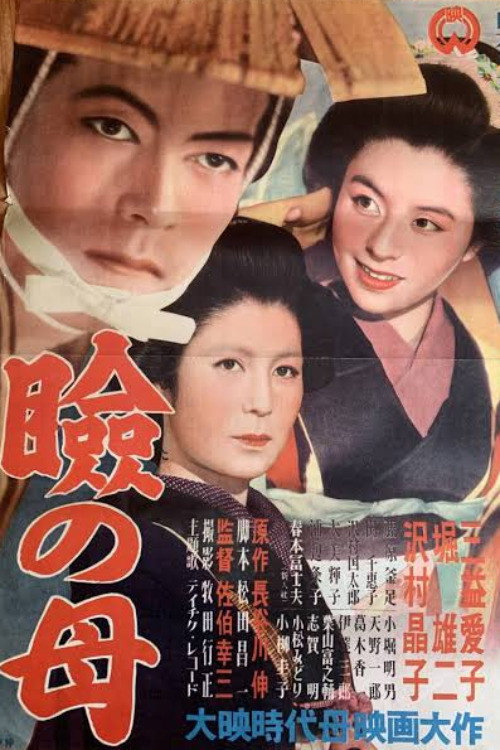
A poor rickshaw driver finds himself helping a young woman and her son after the woman's husband dies suddenly.
Two women are ferried to a small prison colony on the remote and barren prison island, where they and their fellow inmates are forced to perform perilous slave labor along the island’s treacherous cliffs, overseen by both an unforgiving sun and a crew of abusive male wardens. Meanwhile, the arrival of a newcomer among the island’s administrators, a disgraced policeman who is also the son of Nagasaki’s governor, creates dissension between the officials that, along with an untimely outbreak of bubonic plague on the island, ultimately sets the stage for a daring escape attempt on the part of the prisoners.
When the wife of a 17th-century Kyoto scrollmaker is falsely accused of having an affair with his best employee, the pair flee the city and find themselves truly falling for one another.
Zatoichi makes friends with a dangerous chess player, while fending off angry yakuza and bloodthirsty relatives out for revenge, and trying to save a sick child. Meanwhile, his luck with dice is turning.
Satoko is a mistress by trade or fate: when her master, the silkscreen artist of the Kohoan Temple in Kyoto, dies, she is given to the temple's lascivious head priest Kikuchi. She is drawn to a melancholy young acolyte, Jinen, who has observed the profligacy of his cruel master and Satoko's utter dependence on the man. Jinen is both fascinated and disturbed by Satoko's interest in him; he is similarly caught between loathing of Kikuchi and of the dark circumstances of his birth and his own moral weakness. The story unfolds in a dreamlike manner—a flashback inspired by a now-infamous image on a silkscreen in the souvenir shop at the so-called Temple of the Wild Geese.
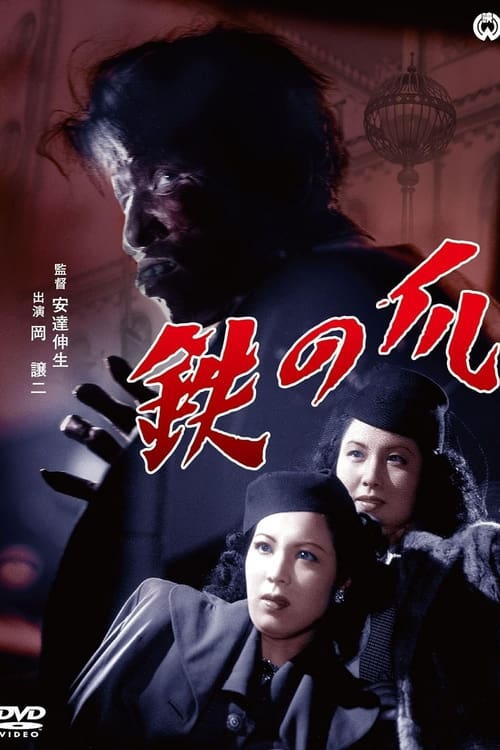
During the war a man is bitten by a creature which looks like a cross between a bear and an ape in the jungle. Later he starts to transform to a monster like creature who kills with his claw like fingers.
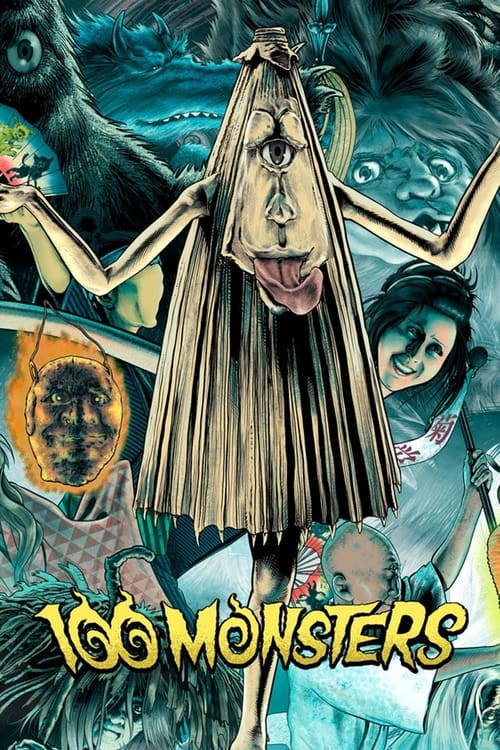
A greedy developer, in league with a corrupt Shrine Magistrate, brutally tries to drive people out of a tenement building and destroy the shrine in back. But he makes the fatal mistake of hosting a 100 Ghost Stories ceremony without the closing cleansing ritual, opening the door for the Yokai Monsters to punish the wicked.
The film portrays a satirical view of today's heartless money-oriented society.