Directing
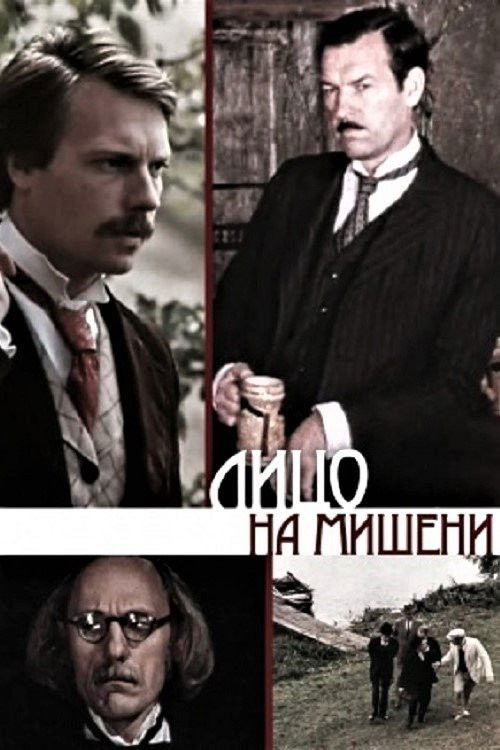
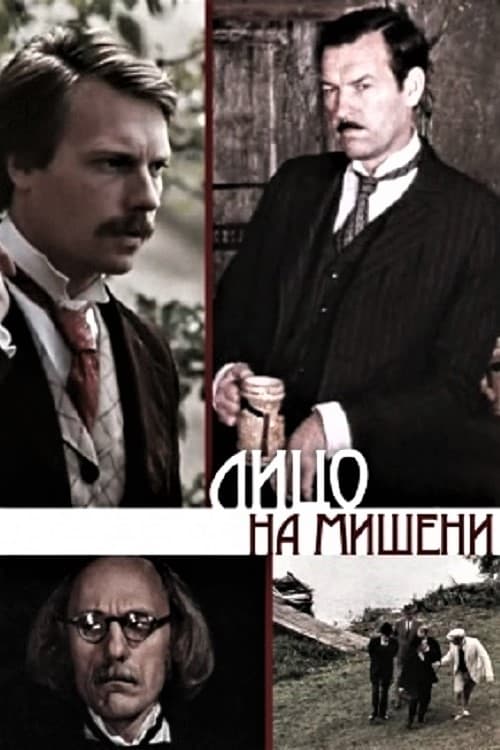
The film is based on Gilbert Keith Chesterton's short stories. Father Brown investigates the murder of a bodyguard of industrial magnate Izaokas Hukas.
A classic mystery based on "The Face in the Target" story by G.K. Chesterton.
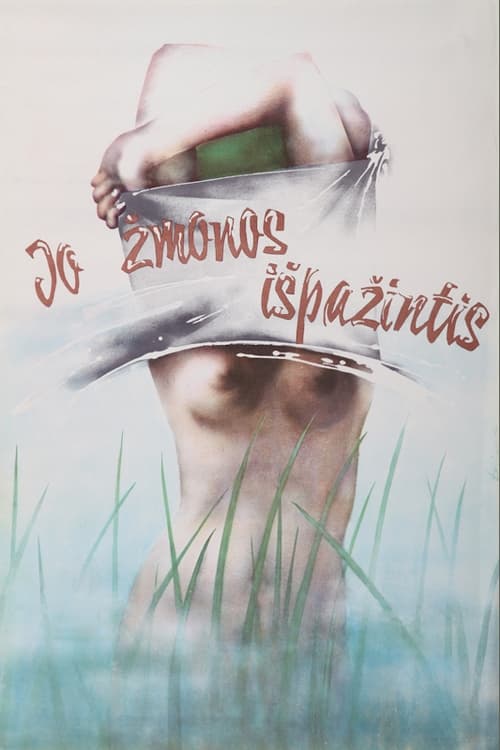
Story about artist caught up in summer love triangle.
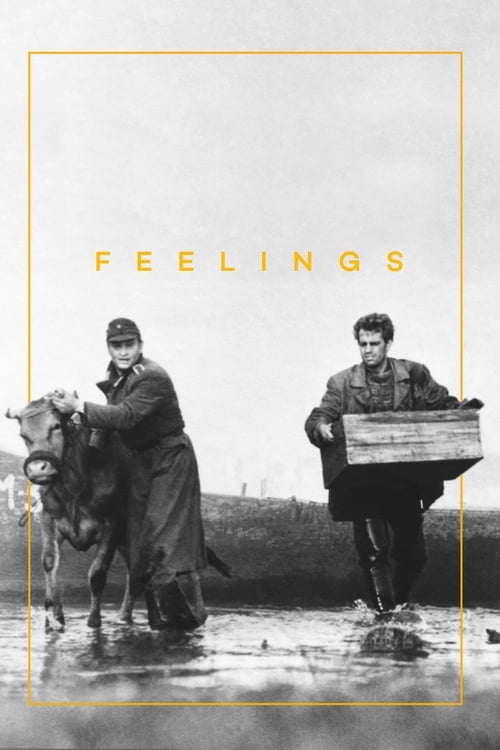
Two POWs - Russian and Lithuanian - are trying to escape a German Camp during WWII.
When a widowed fisherman moves in with his brother and sister-in-law to escape the collapsing Nazi forces, he finds himself caught up, like Lithuania itself, in perilous questions of collaboration and occupation, resistance and escape.
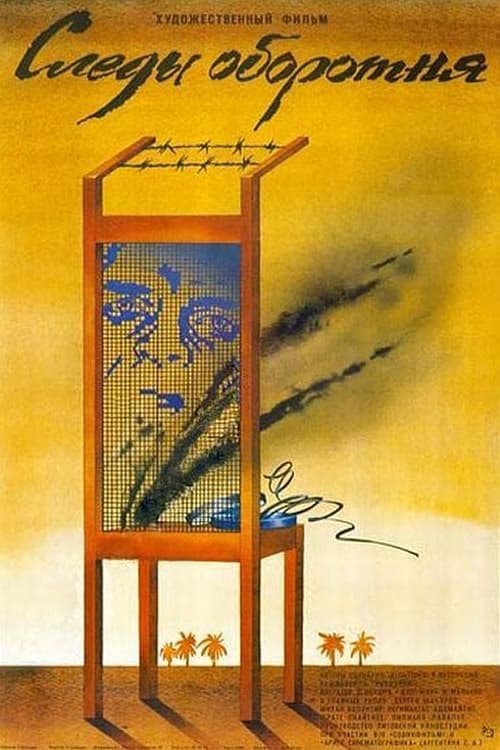
Alyoshin, a Soviet journalist working in Argentina, witnessed the kidnapping of photo correspondent.
An conductor Jonas Alexa and the Lithuanian Philharmonic Orchestra rehearse Juzeliunas' symphony "The Human Lyre".
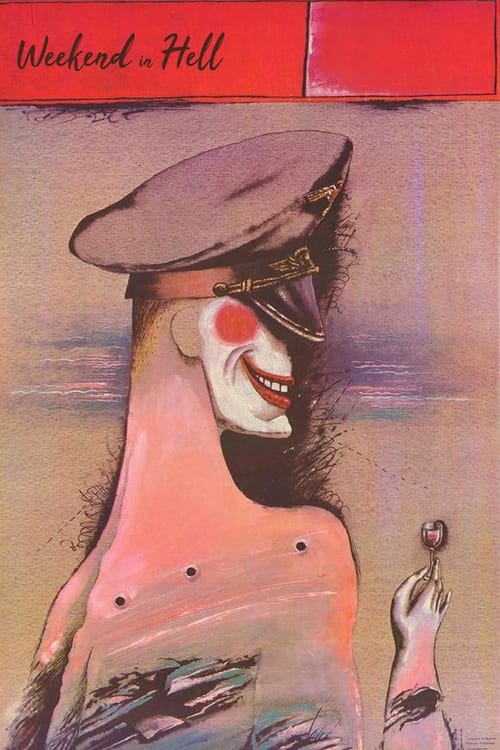
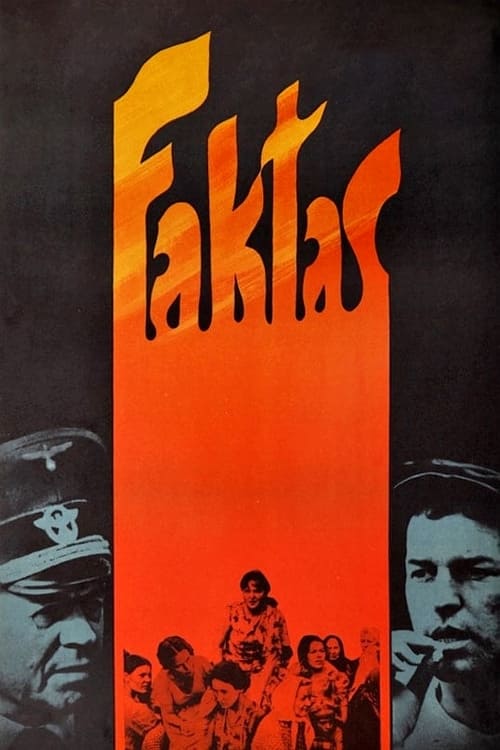
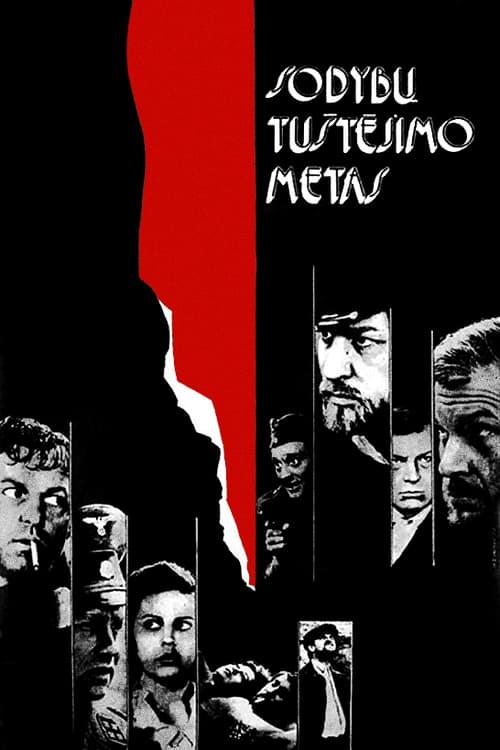
Facts is a dramatization of a massacre in a Lithuanian village during World War II when Nazis rounded up over 100 men, women, and children accused of partisan activity and then torched the houses in which they were held. Using Russian interrogations of a few survivors, the testimony of villagers, and some of the Germans responsible for the killing, the film gradually reconstructs the event and its context.
For thirty years after the wedding, the war separated Jurgis and Morata. Now he is a famous surgeon, he works in the USA under the name of George Sticker and does not know that his daughter has grown up. But Morata finds him anyway. A belated honeymoon does not bring them happiness...
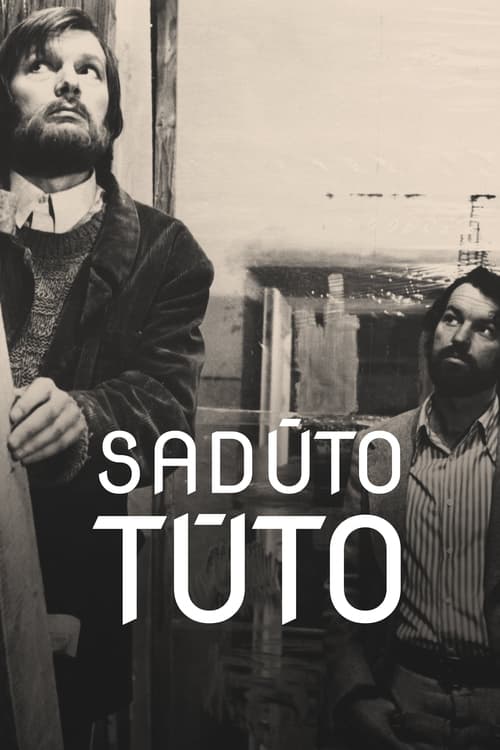
When Vytautas Kalinauskas, who has already created his famous illustrations for Goethe's Faust and Dante's Divine Comedy, was asked what he considered himself to be - a graphic artist, a set designer or a film artist - he answered simply: an artist. He was artistic, elegant, intellectual. According to the art critic Algimantas Patašius, he was "an aristocrat without a coat of arms" who became a sworn aesthetic dissident.
The film tells about the famous Lithuanian director Vytautas Žalakevičius. The film contains many excerpts from the director's films and conversations with him. Here he talks about life, creativity and about himself. Vytautas Žalakevičius is remembered by his friends and associates.
A survivor of a Nazi concentration camp returns to his life in Lithuania and attempts to reunite with his former comrades years after the war ended. He struggles to bridge the gap between his horrific memories of the Holocaust and the mundane reality of his modern surroundings. While interacting with his daughter and old friends, he searches for a way to integrate his past trauma into a peaceful present.
A film about the psychological crisis of a woman in her 40s as she tries to create the illusion of love - looking for herself in love and love in herself.
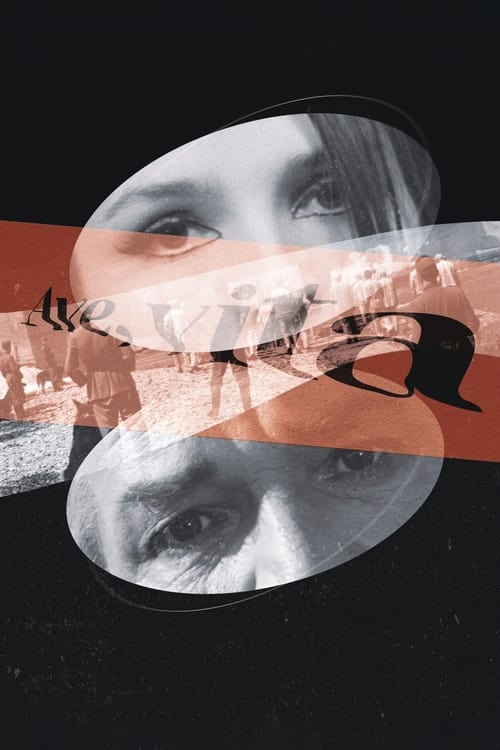
The film covers the events in Lithuania in 1940-1945 and tells about the life of the Lithuanian intelligentsia. The characters are placed in crisis situations, when the problem of choosing a path, the problem of social and historical self-determination of the fate of the people and each person inevitably arises.
The main hero of this film is the city of Vilnius. Vilnius is also a metaphor for the historicity of Lithuania. However, this film is unique not only for its cinematographic historical reflections on the statehood of Lithuania; it also reveals the history of cinema, encompassing both Soviet montage techniques and the first traces of cinéma-vérité in Lithuanian cinema.
The centerpiece of A. Grikevicius's film is Tomas Petreikis, the chief engineer of the machine factory in Kaunas F. Dzeržinskis. Rather than creating a regular, conjunctural narrative about the hero of socialist work that exceeds production norms, the director captures another personality of his film's hero. After work, Tom is an entertaining dancer, teacher and contest judge. "Construction and dancing? No, they don't not have any relation," T. Petreikis answers the question posed by the journalist. However, the film observes the parallels that reveal the precision of the constructor-dancer, the perfection of the goal, both by controlling the work of the machine tools and by teaching pairs of dancers to rotate on the parquet, imply another answer.