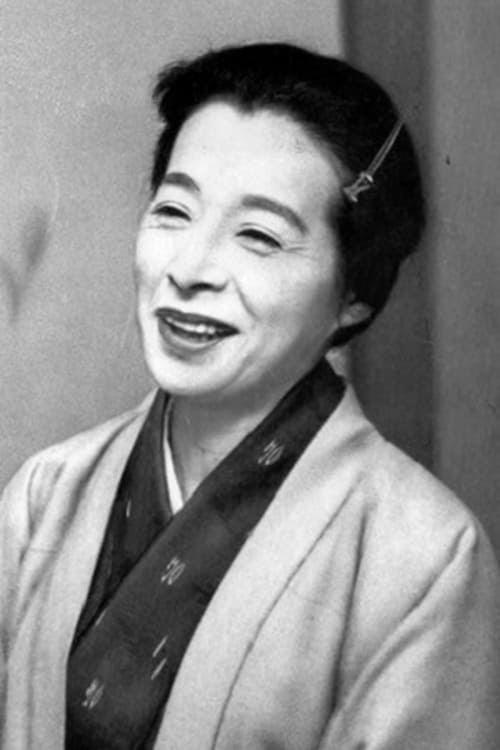
Chieko Naniwa
Acting
Biography
Naniwa Chieko (real name: Nanko Kikuno, November 19, 1907 – December 22 , 1973) was a Japanese actress. Due to poverty, she was unable to receive an elementary school education and struggled with being illiterate. Later, through her own efforts, she learned to read and write, and overcame illiteracy. She appeared in works such as A Geisha, Throne of Blood, Equinox Flower, and Twenty-Four Eyes. She appeared in films by many of the great directors of her time. She died of gastrointestinal bleeding on December 22, 1973, at the age of 66. After her death, she was awarded the Order of the Sacred Treasure , Fourth Class .
Known For

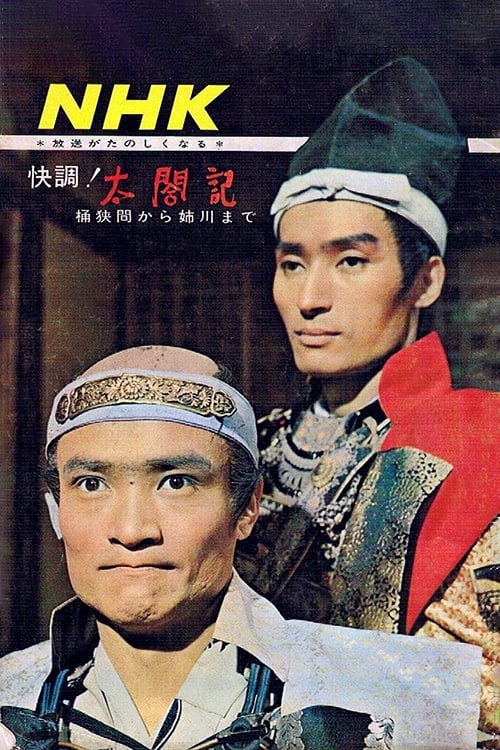
Based on the life of Hideyoshi Toyotomi (February 2, 1537 – September 18, 1598) a Sengoku period daimyo who unified Japan.
Taikouki

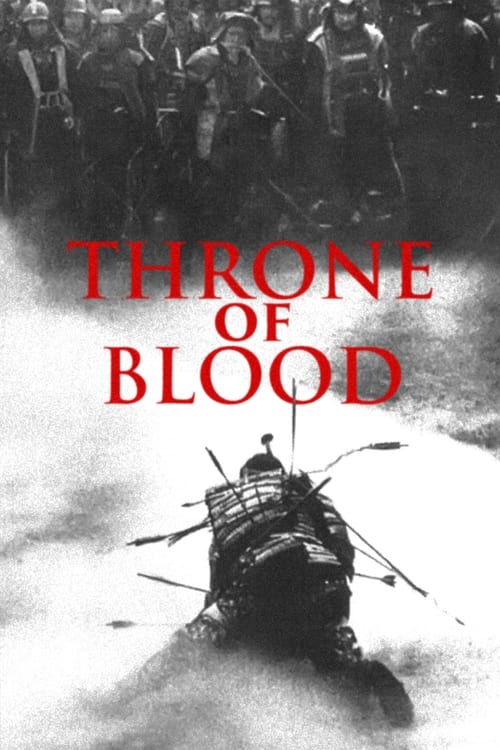
Returning to their lord's castle, samurai warriors Washizu and Miki are waylaid by a spirit who predicts their futures. When the first part of the spirit's prophecy comes true, Washizu's scheming wife, Asaji, presses him to speed up the rest of the spirit's prophecy by murdering his lord and usurping his place. Director Akira Kurosawa's resetting of William Shakespeare's "Macbeth" in feudal Japan is one of his most acclaimed films.
Throne of Blood

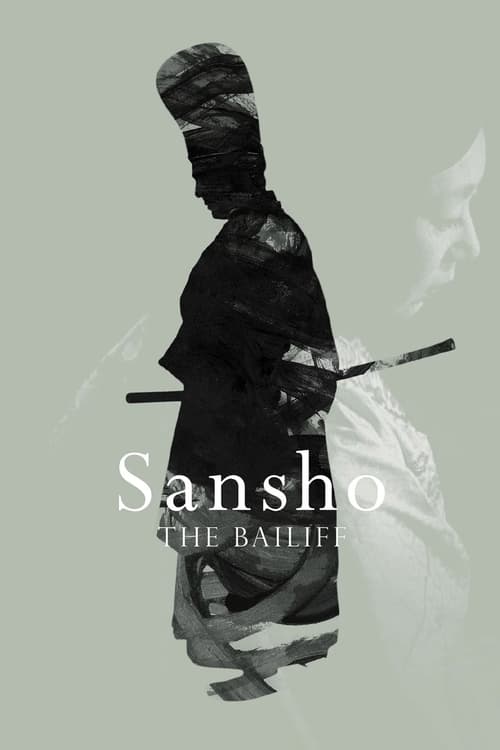
In 11th-century feudal Japan, following the exile of an idealistic governor, his wife and children are separated by slave traders; the children, Zushio and Anju, are sold into brutal servitude under the cruel bailiff Sansho.
Sansho the Bailiff

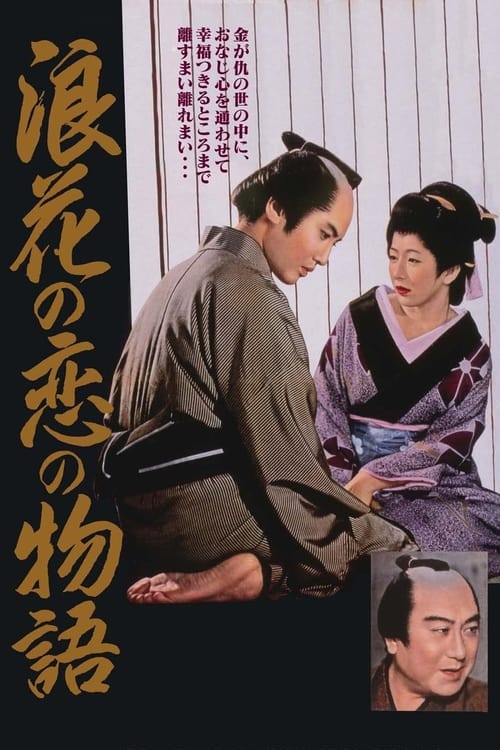
When the wife of a 17th-century Kyoto scrollmaker is falsely accused of having an affair with his best employee, the pair flee the city and find themselves truly falling for one another.
Chikamatsu Monogatari

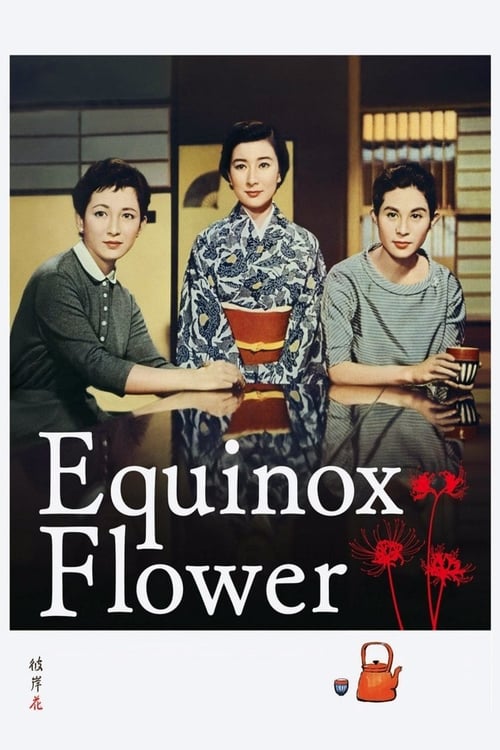
Wataru's outwardly liberal views on marriage are severely tested when his daughter declares her love for a coworker and is adamant to live her own way, instead of agreeing to an arranged marriage. Outwitted by his female relatives, Hirayama stubbornly refuses to admit defeat.
Equinox Flower

The family of an older man who runs a small sake brewery become concerned with his finances and his health after they discover him visiting an old mistress from his youth.
The End of Summer

This movie is based on an immortal literary work "The Snow Country," a story about a life of geisha Komako who lives in a region with heavy snowfalls.
Snow Country

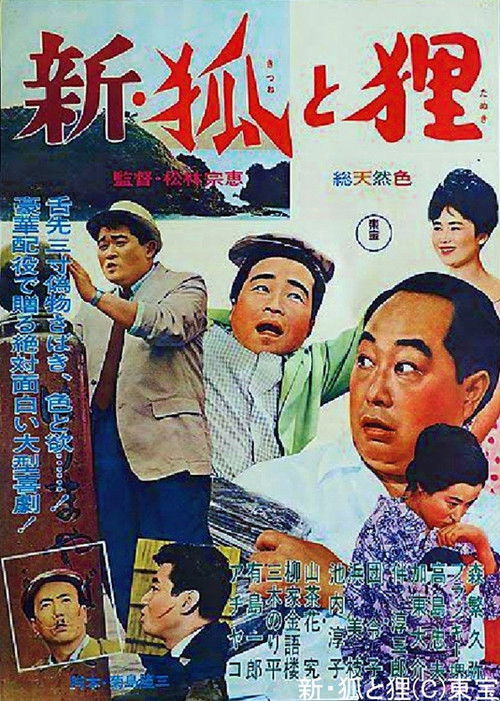
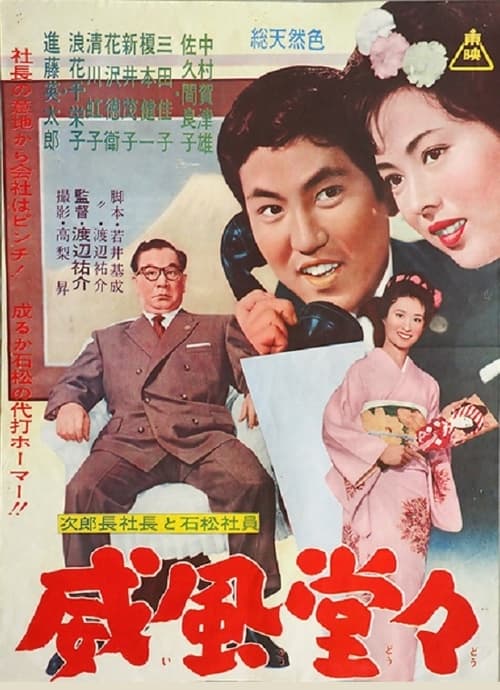
A struggling salesman at World Electric finds his major deal blocked by internal politics and pressure from all sides. During a company trip to Beppu, personal entanglements and old company secrets surface, forcing difficult choices and quiet compromises.
New Third Class Executive: Travel, Women and Drinking

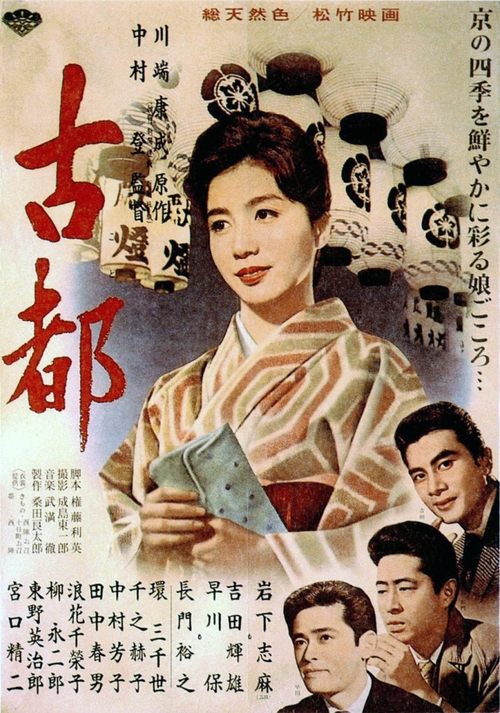
In this Japanese drama, a dry goods merchant's daughter is surprised to discover that she has a twin sister. In rural Japan it was thought that twins bring bad luck, so the sister was abandoned at birth. Later her parents tell her that her sister was kidnapped. The woman doesn't believe this and when she eventually meets her twin, both women are involved in love affairs. The merchant's daughter is seeing an educated fellow. Trouble ensues when she begins suspecting that he may be more interested in her sister.
Twin Sisters of Kyoto

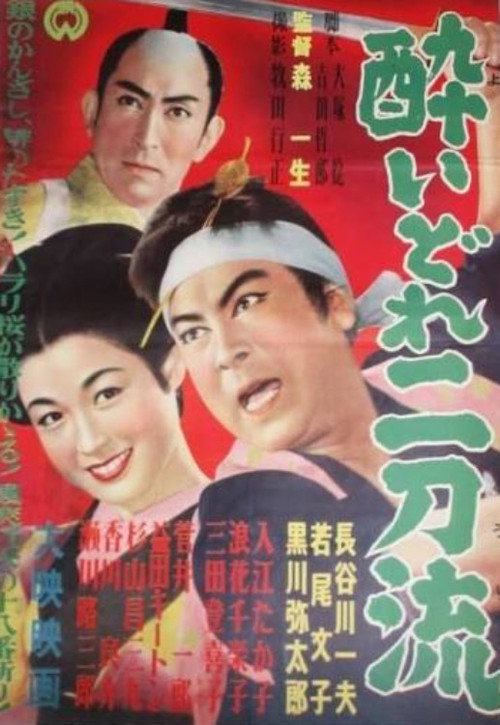
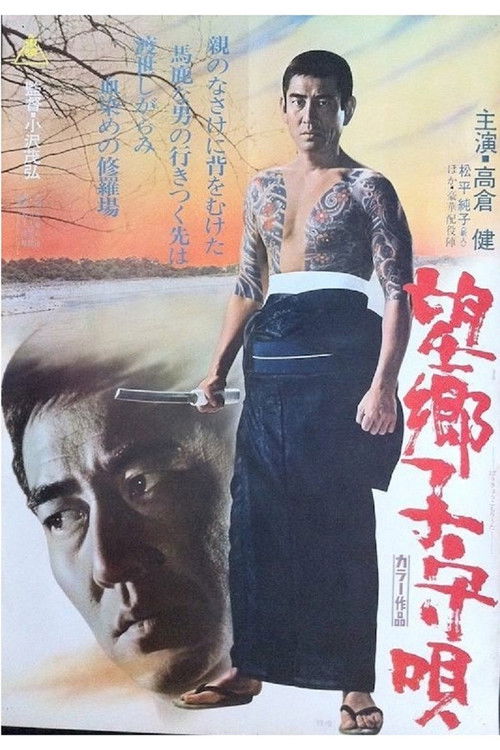
A tale of three Yakuza gamblers who traveled Japan during the samurai era living by their wits and sword skills. Told in 3 separate vignettes, each part tells the story of a different drifter’s life. Part 1: A man is on the run after killing two Hasshu Officials to avenge his Boss. He must make a life or death decision as he is asked to protect a gang from attack. Part 2: A pair of gamblers chased out of a crooked game must fight not only their pursuers, but the ghosts of their pasts as well. Part 3: A wanderer who wants to live according to the Yakuza Code, but is not sure that he can do so when asked to save a town from an evil official.
Three Yakuza

Amid management shakeups and arranged marriage plans at Sekai Electric, an executive couple tries to support a young woman’s relationship with an academic over a business heir.
New Third Class Executive: Husband Education

From 1928 to 1946, the lives of 12 young people and their school teacher in a poor Japanese village are profoundly affected by historical events and personal circumstances.
Twenty-Four Eyes

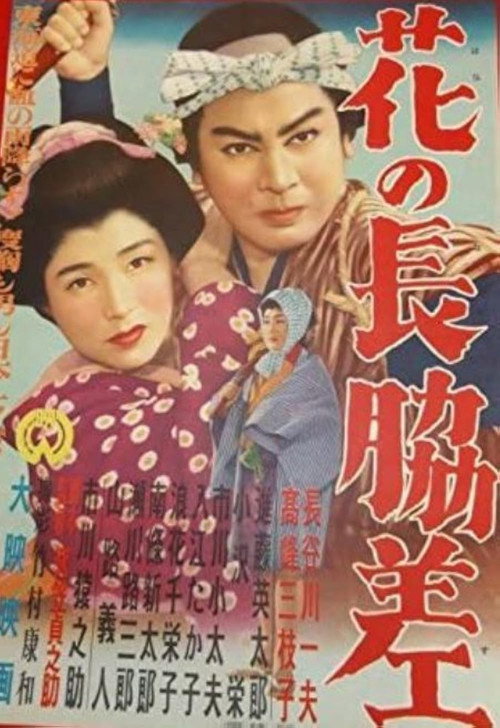
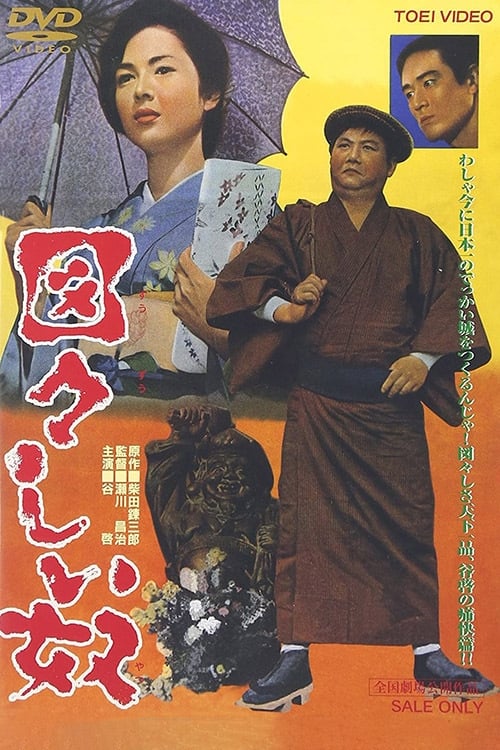
Based on a novel by Kôen Hasegawa
True Osaka Grit

1963 Japanese movie
Uogashi no senpū musume

A student at a woman's university takes a controversial action against the school's old-fashioned doctrines.
The Garden of Women

Fleeing a distressing family situation, Eiko, a very young girl, becomes an apprentice to Miyoharu, a veteran geisha. Both, determined to preserve their professional integrity, must face the selfishness and ambition of several petty people.
A Geisha

After living a traumatic experience in Tokyo, Yukiko returns to Kyoto, where Hatsuko, her mother, runs a brothel, which upsets Yukiko very much.
The Woman in the Rumor

Comedy about three soldiers, two female reporters, six prostitutes, and the wife of an officer, all stranded on a South Seas island at the end of World War II.
Temptation on Glamour Island

The sexual experiences of the passionate Sakiko, from her fling with her boss in her first job to her ending up as a prostitute.
The Body

The remake of Yoshikawa's novel continues with the second installment in which Takezo, soon to be Miyamoto Musashi, emerges from the Himeji Castle after three years of intense contemplation and philosophical study and starting on his epic quest to complete his skill in the Way.