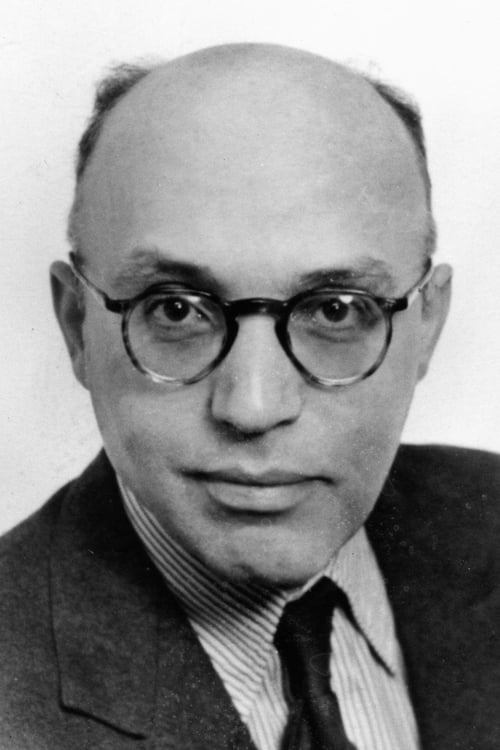
Kurt Weill
Sound
Known For

Mr. Morris, the owner of a large metropolitan department store, gives jobs to paroled ex-convicts in an effort to help them reform and go straight. Among his 'employed-prison-graduates' are Helen Roberts and Joe Dennis, working as sales clerks. Joe is in love with Helen and asks her to marry him, but she is forbidden to marry as she is still on parole, but she says yes and they are married. In spite of their poverty-level life, their marriage is a happy one until Joe discovers she has lied about her past, in order to marry him. Disillusioned, he leaves, goes back to his old gang and plans to rob the department store.
You and Me
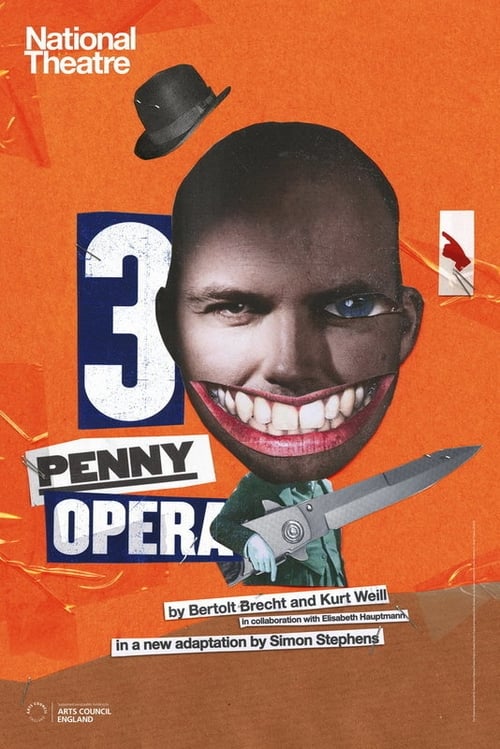
As London's East End scrubs up for the coronation, Mr and Mrs Peachum gear up for a bumper day in the beggary business. Keeping tight control of the city's underground – and their daughter’s whereabouts.
National Theatre Live: The Threepenny Opera
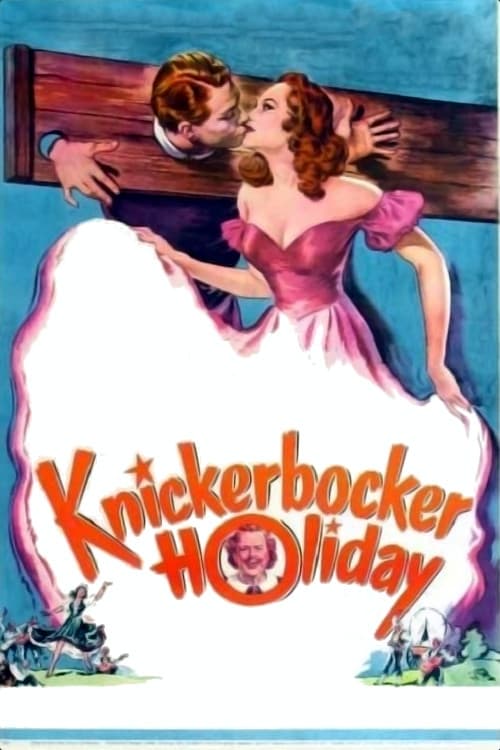
The wild and woolly early days of New York -- when it was still known as New Amsterdam -- provide the backdrop for this period musical-comedy. In 1650, Peter Stuyvesant arrives in New Amsterdam to assume his duties as governor. Stuyvesant is hardly the fun-loving type, and one of his first official acts is to call for the death of Brom Broeck, a newspaper publisher well-known for his fearless exposes of police and government corruption. However, Broeck hasn't done anything that would justify the death penalty, so Stuyvesant waits (without much patience) for Broeck to step out of line. Broeck is romancing a beautiful woman named Tina Tienhoven, whose sister Ulda happens to be dating his best friend, Ten Pin. After Stuyvesant's men toss Broeck in jail on a trumped-up charge, Stuyvesant sets his sights on winning Tina's affections.
Knickerbocker Holiday
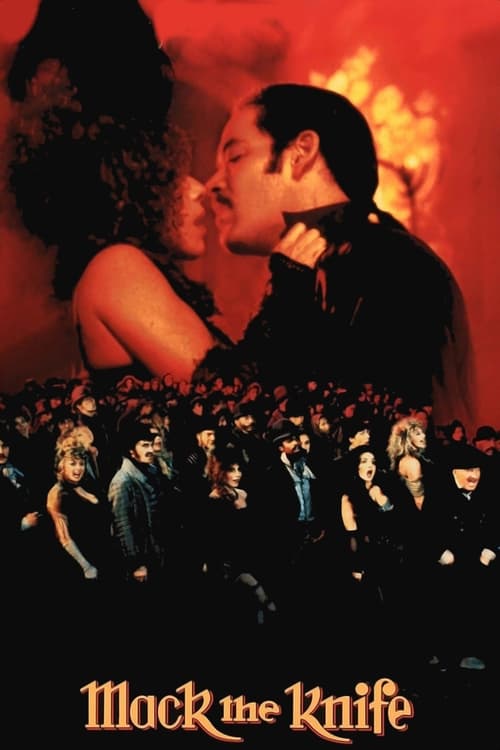
In 19th century London, a young girl falls for a womanizing criminal and they decide to wed. Her family strongly disapproves so her father, 'the king of thieves', gets the gangster arrested.
Mack the Knife

In London at the turn of the century, underworld kingpin Mack the Knife marries Polly Peachum without the knowledge of her father, the equally enterprising 'king of the beggars'.
The 3 Penny Opera
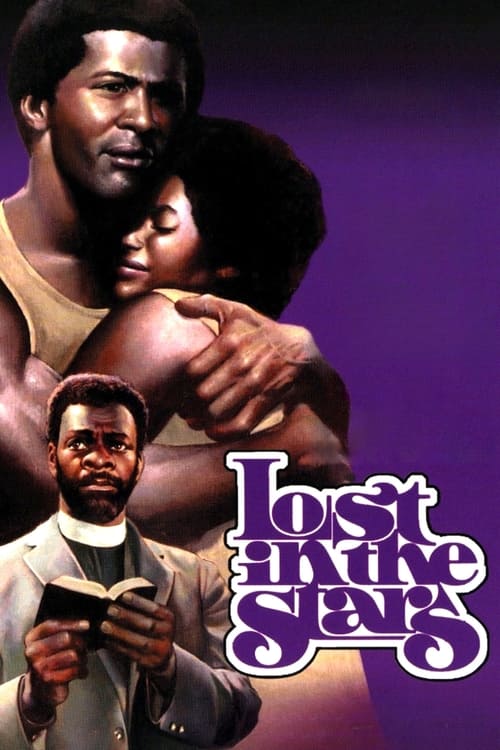
A black South African minister searches the unfamiliar back alleys and shantytowns of Johannesburg for his son.
Lost in the Stars
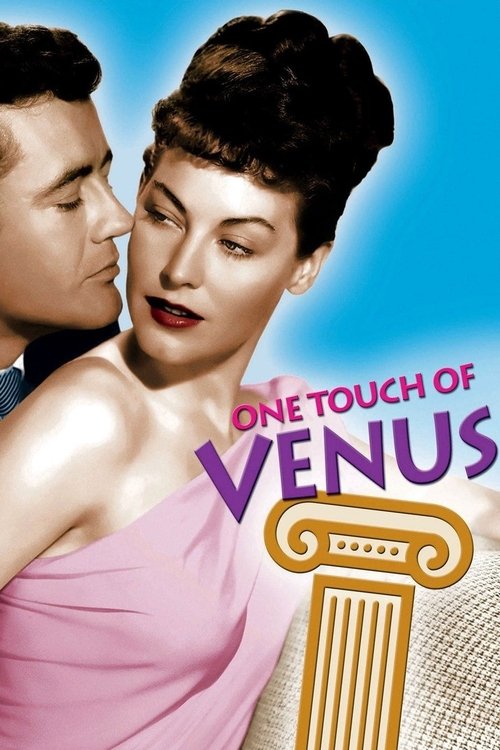
A window dresser's kiss brings a statue of the Roman goddess of love to life.
One Touch of Venus
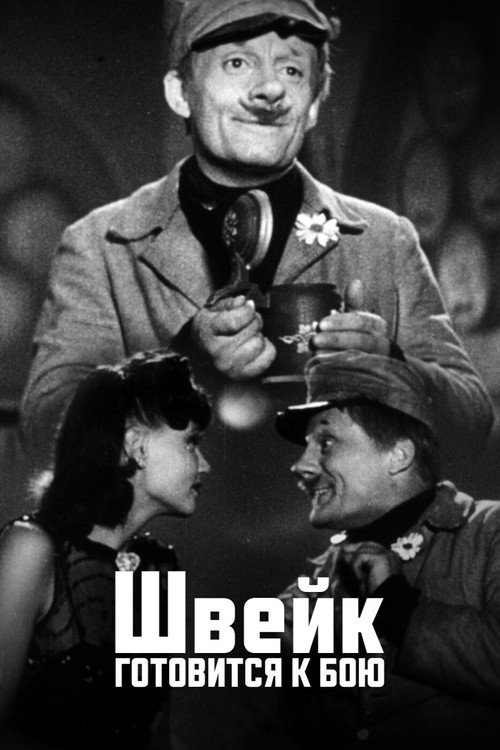
No description available.
Schweik is Preparing For Battle
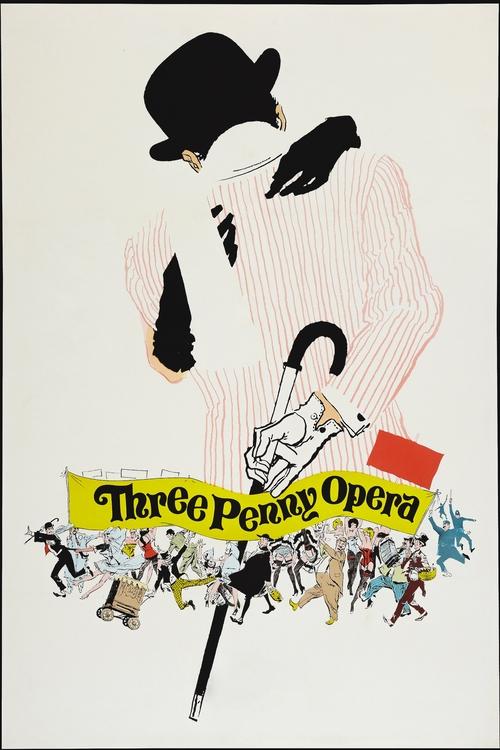
The Gangster Macheath secretly marries the daughter of beggar king Peachum. When Peachum finds out, he instructs the police chief Brown to arrest and hang Macheath. If not, all the beggars of Soho will disturb the upcoming coronation.
The Threepenny Opera
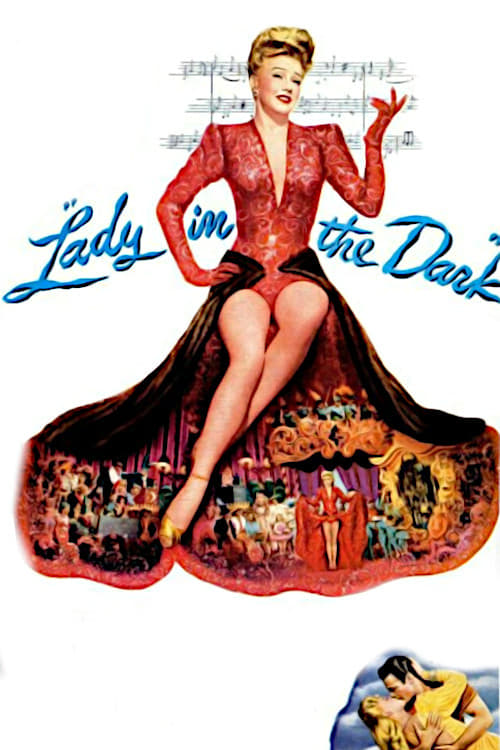
A neurotic editor sees a psychoanalyst about the advertising man, movie star and other man in her life.
Lady in the Dark
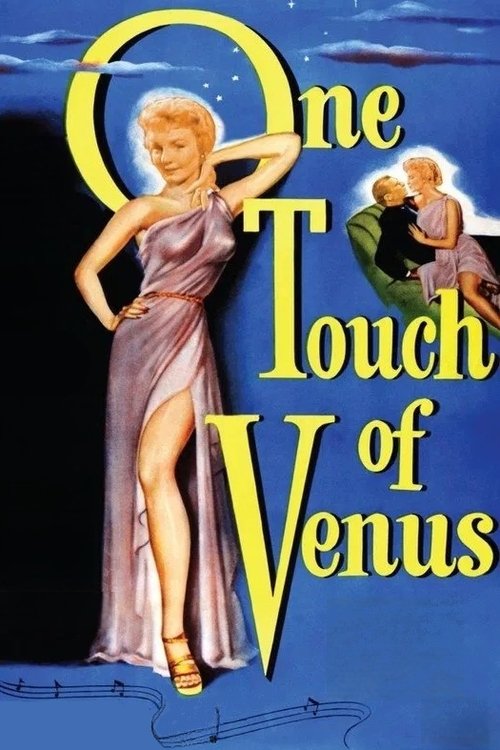
While touring a museum, Rodney Hatch, an unremarkable barber, places an engagement ring intended for his girlfriend on the hand of a statue of Venus, the goddess of love and beauty. From Mount Olympus, Venus witnesses the event and decides to visit Rodney on Earth by magically inhabiting the statue. Hilarity ensues when she starts to fall in love with Rodney and competes with his girlfriend for his attentions. This television version of Kurt Weill's successful Broadway musical is much more faithful to the stage version than the 1948 Ava Gardner film, which changed the story considerably and cut most of the songs.
One Touch of Venus
The Threepenny Opera proclaims itself "an opera for beggars," and it was in fact an attempt both to satirize traditional opera and operetta and to create a new kind of musical theater based on the theories of two young German artists, composer Kurt Weill and poet-playwright Bert Brecht. The show opens with a mock-Baroque overture, a nod to Threepenny's source, The Beggar's Opera, a brilliantly successful parody of Handel's operas written by John Gay in 1728. In a brief prologue following the overture, a shabby figure comes onstage with a barrel organ and launches into a song chronicling the crimes of the notorious bandit and womanizer Macheath, "Mack the Knife." The setting is a fair in Soho (London), just before Queen Victoria's coronation. In this production, Weill champion HK Gruber led the Ensemble Modern in a performance of Weill's complete original score, the first time it had been heard in Germany in many years. This production was broadcast on German television (3sat).
The Threepenny Opera
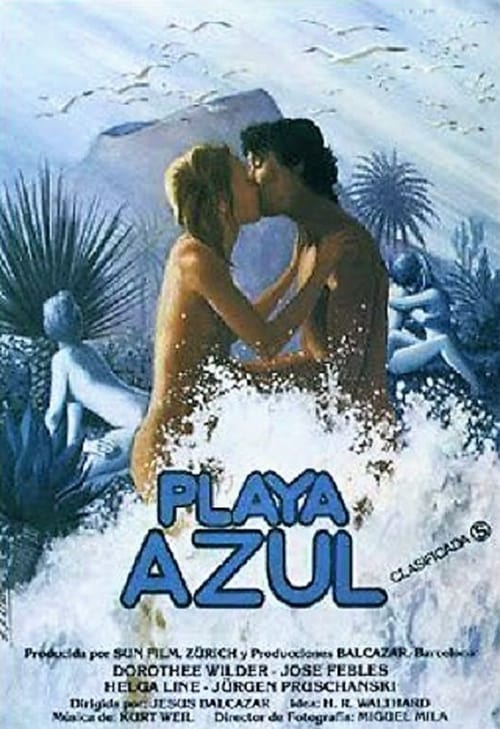
A mature woman and her friends go on vacation to Spain, where they seduce the young men they meet.
Blue Beach
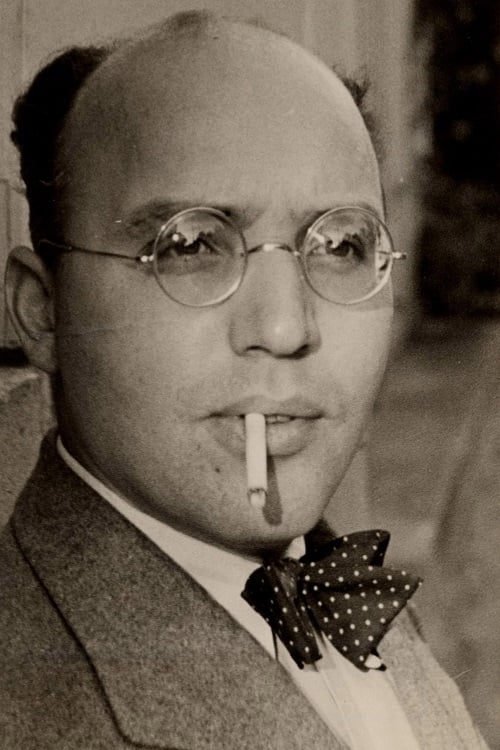
The story of Kurt Weill 's relationship with the American popular theatre. During his years in exile on Broadway, the composer of Mack the Knife and The Alabama Song, who personified decadent Berlin, found a new life in New York, creating such standards as September Song and Speak Low. Director Barrie Gavin describes the film as "the history of an artist ... struggling to write music which could have real meaning for the society he had just joined." Weill is remembered by the conductor Maurice Abravanel and the actor Burgess Meredith and there are extracts from several of his works.
I'm a Stranger Here Myself: Kurt Weill in America
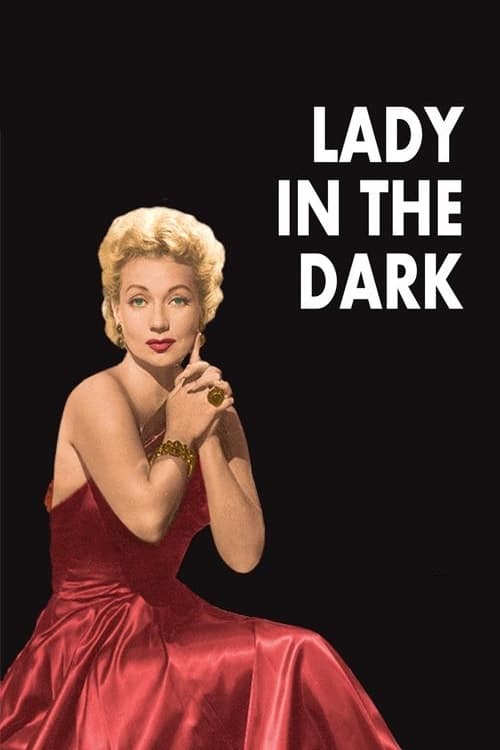
The unhappy female editor of a fashion magazine is undergoing psychoanalysis.
Lady in the Dark
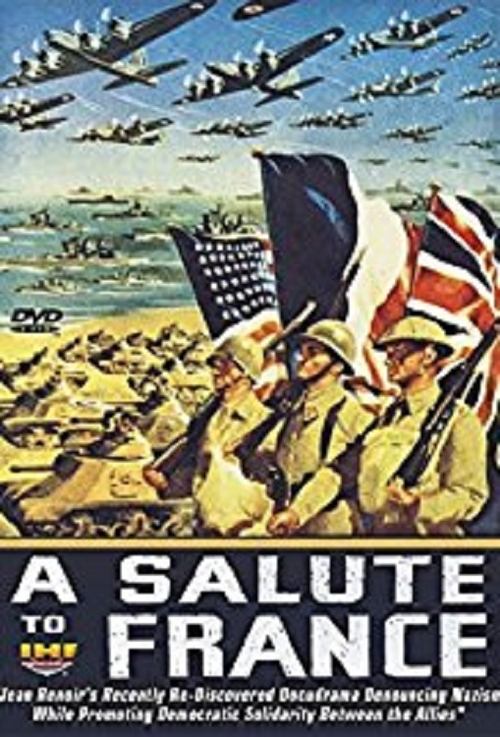
Commissioned to prepare Allied troops for the liberation of Europe, the film uses a blend of staged narratives and historical footage to promote solidarity and dispel the myth that France was a nation of willing collaborators.
A Salute to France

The French-language version of the The Threepenny Opera with a different cast from the German version.
The Threepenny Opera
The opera takes place on the doorstep of a tenement on the East Side of Manhattan on two brutally hot days in 1946. The story focuses on two plotlines: the romance between Rose Maurrant and her neighbor Sam Kaplan; and on the extramarital affair of Rose's mother, Anna, which is eventually discovered by Rose's irritable father, Frank. The show portrays the ordinary romances, squabbles and gossips of the neighbors, as the mounting tensions involving the Maurrant family eventually build into a tragedy of epic proportions. Broadcast on BBC Two on New Years Day, 1993, this production was performed by the English National Opera and conducted by James Holmes.
Kurt Weill: Street Scene
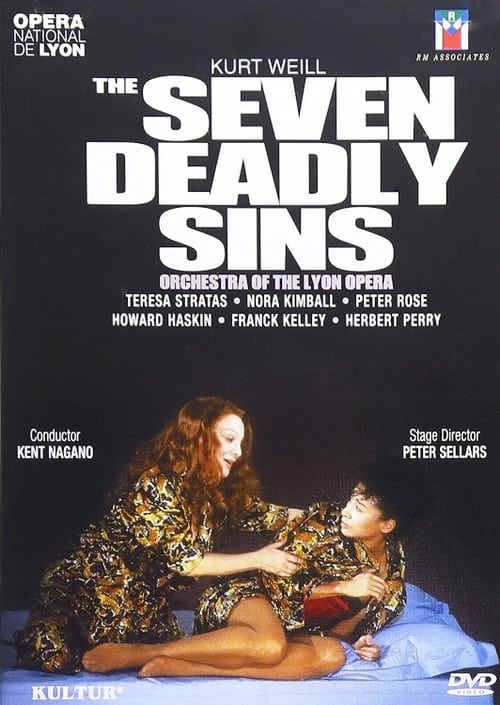
Anna I and Anna II set out on a seven year journey that takes them through a series of varied life experiences while their parents and two brothers remain behind.
The Seven Deadly Sins

John Dexter’s brilliant production, James Levine’s masterful conducting of the eclectic score, and a sensational cast come together to make this Kurt Weill–Bertolt Brecht masterpiece a riveting evening of music theater. At the center of the action is Jimmy Mahoney (Richard Cassilly), a logger who stumbles onto the city of Mahagonny, where (almost) anything is allowed. Teresa Stratas gives a mesmerizing performance as Jenny, the prostitute who takes up with Jimmy, until he is executed for the greatest of all crimes in Mahagonny—to not have any money. The legendary Astrid Varnay, in her final Met appearances, is Leocadia Begbick, and Cornell MacNeil sings Trinity Moses.