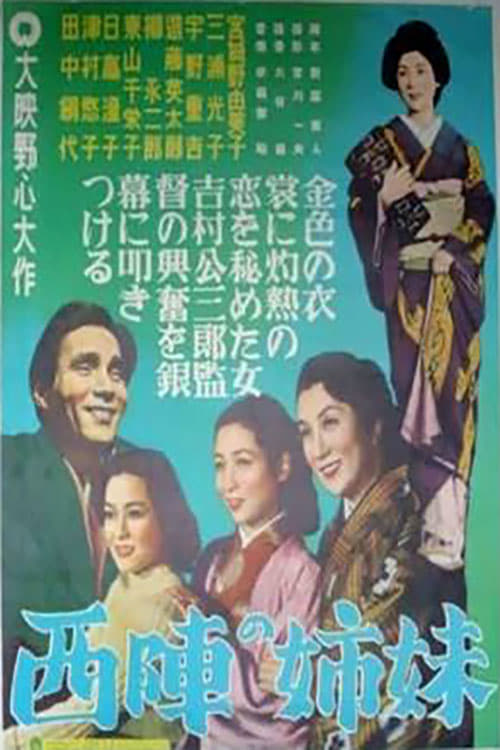
Chieko Higashiyama
Acting
Biography
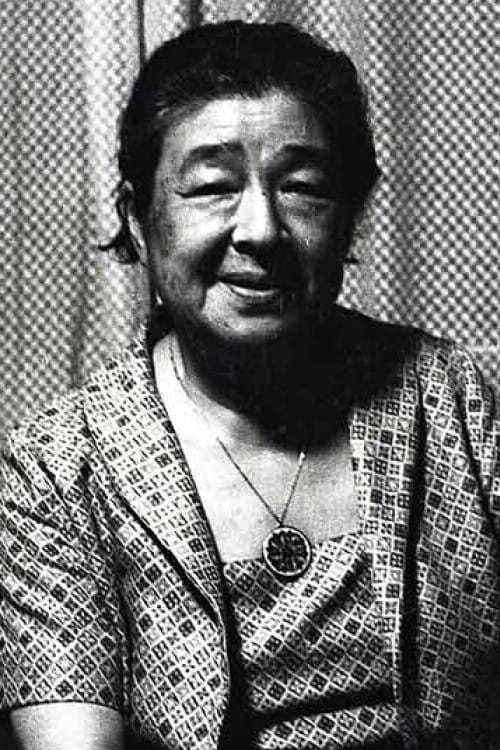
Chieko Higashiyama (September 30, 1890 – May 8, 1980) was a Japanese actress. Graduating from the girls' school at Gakushuin, she married a businessman in 1909 and spent eight years in Moscow. In 1925, at the age of 35, she decided to become an actress. She trained at the Tsukiji Shōgekijō, a pioneering theater then-famous for modern Japanese plays and translated performances of Western playwrights. Higashiyama appeared in many stage productions, most famously as Madame Ranevskaya in Chekhov's "The Cherry Orchard." She also appeared in films, including Tokyo Story, which was voted the best film of all time in the 2012 Sight and Sound directors' poll.
Known For

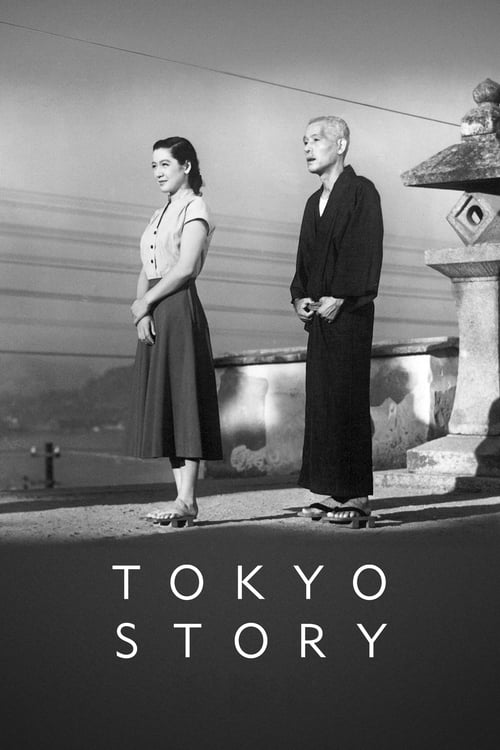
The elderly Shukishi and his wife, Tomi, take the long journey from their small seaside village to visit their adult children in Tokyo. Their elder son, Koichi, a doctor, and their daughter, Shige, a hairdresser, don't have much time to spend with their aged parents, and so it falls to Noriko, the widow of their younger son who was killed in the war, to keep her in-laws company.
Tokyo Story

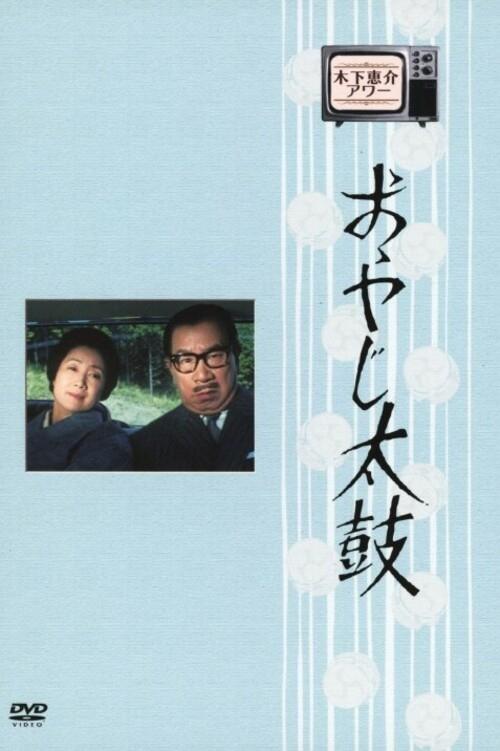
The Tsuru family is a family of nine, headed by Kamejiro. Kamejiro is the president of a construction company that has made a fortune in its first generation, but he is a one-man family. His wife, Aiko, is a typical good wife and wise mother type. Kamejiro gets angry and thunders down every week, and the children are afraid of him, calling him "Oyaji Daiko", but he also takes advantage of this.
Oyaji Daiko

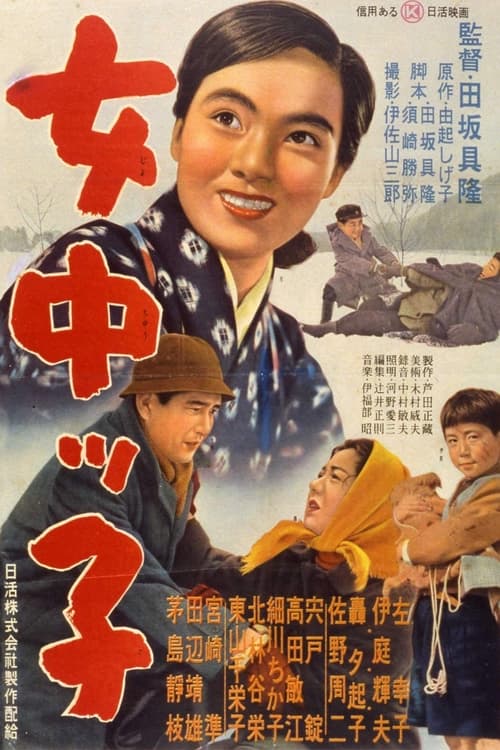
A gentle, war-shattered ex-soldier, Kinji Kameda, arrives in wintry Hokkaidō and is pulled into a volatile tangle of love and pity between the disgraced Taeko Nasu, the proud Ayako, and his possessive friend Akama. Kameda’s saintly compassion exposes everyone’s wounds, steering the quartet toward jealousy, violence, and inexorable tragedy. Adapted from Dostoevsky’s novel.
The Idiot

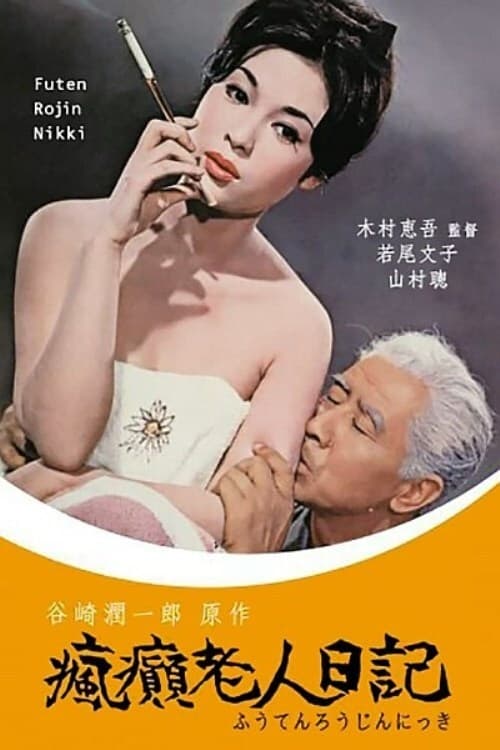
When a wealthy, selfish family decides to take care of an elderly hobo who collapsed near their home, they are beset by visits from his numerous friends.
Spring Dreams

In postwar Tokyo, Noriko lives with her extended family. Although she enjoys her career and her social life, her more traditional family worries about her single marital status at the advanced age of 28. 40-year-old business associate Takako proposes, Noriko's family press her into accepting, but when her widowed childhood friend Kenkichi returns to the neighborhood, she finds her heart leading in another direction.
Early Summer

In the fourth installment, Musashi's potentially greatest opponent Kojiro jumps in and out of the story at the oddest and most coincidental moments. As his great love Otsu has succumbed to madness. Musashi then sets off to beat the functionaries of a treacherous clan in an arranged duel. 73 against one. Boastful Kojiro watches, secure in the knowledge that only he is a worthy opponent.
Miyamoto Musashi IV: The Duel at Ichijo-ji Temple

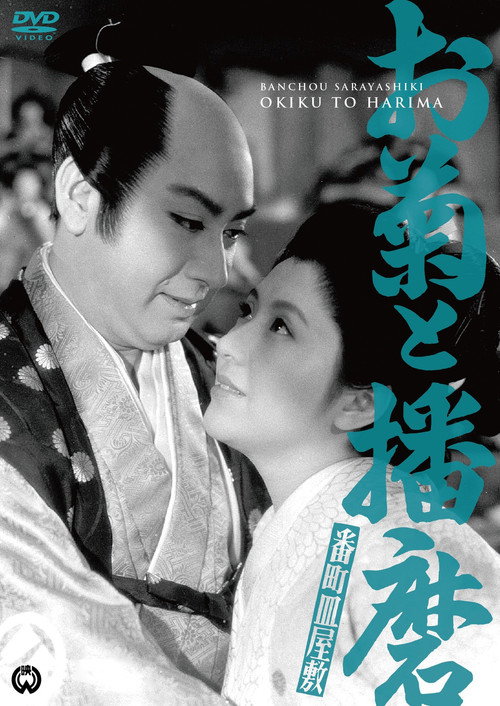
Japan, 1701. A group of samurai become rônin after their lord is forced to commit seppuku for assaulting a court official, who will become the target of a merciless revenge.
The Loyal 47 Ronin

One day a company executive learns that his younger brother, whom he recommended, embezzled company funds. To save the situation he withdraws his life savings and gives money to his younger brother. He then suddenly disappears…
The Radish and the Carrot

This cheerful romantic comedy hints at conflicts in a changing society through the friendship between two underachieving teenage boys and the accidental bringing together of their respective siblings.
Kotoshi no Koi

Genji, the illegitimate offspring of a Japanese potentate, goes by the philosophy of "love 'em and leave 'em" as a matter of course. Only when his heart is broken by Awaji does Genji realizes how much pain he himself has caused.
The Tale of Genji

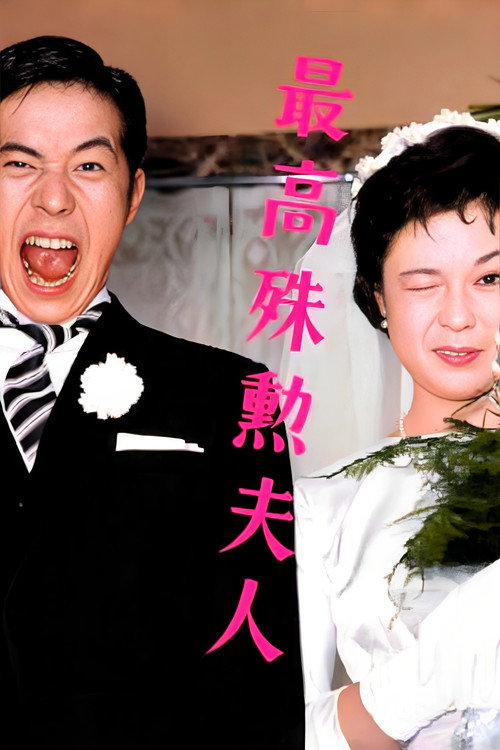
Kyoko is the third daughter of the Nonomiya family, a very ordinary family. Momoko, the eldest daughter, is married to Ichiro, the president of Mihara Shoji, and Riko, the second daughter, is married to Jiro, the managing director, and they plot to marry Kyoko to Saburo, the third son of the Mihara family. Kyoko is angry at the marriage talk that is being pushed forward without her permission, and declares that she "definitely won't get married," but before she knows it, she begins to become aware of the other person...
The Most Valuable Wife

In the Meiji period, a schoolteacher tries to hide his lower-class upbringing as he supports a visiting liberal intellectual.
Apostasy

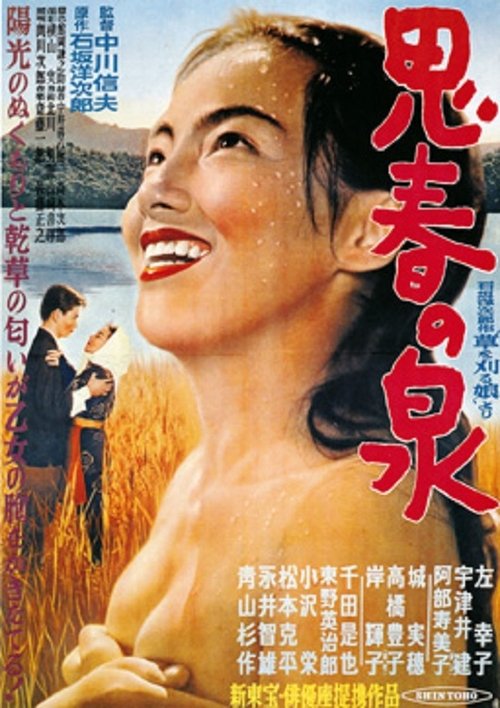
Yuko is sent to the coastal regions to be raised away from the rest of her sophisticated family where she finds out from her ill grandmother that she is not who she thought she was.
The Blue Sky Maiden

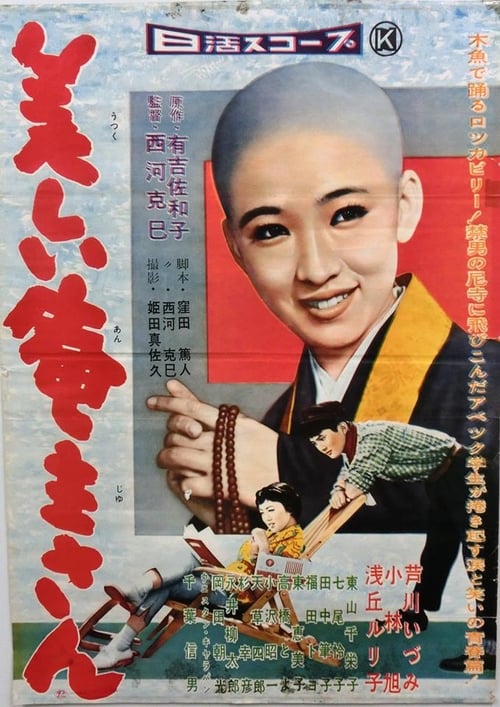
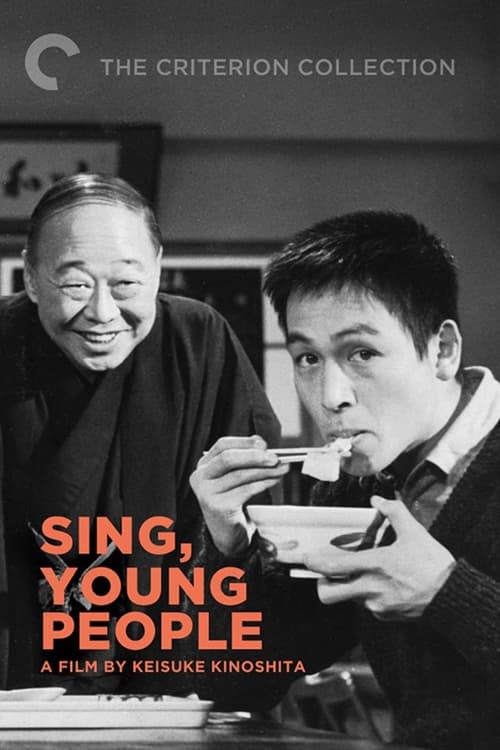
A story about four best friends and their lives inside and outside college. Then suddenly one of them receives a surprising offer to be a movie star.
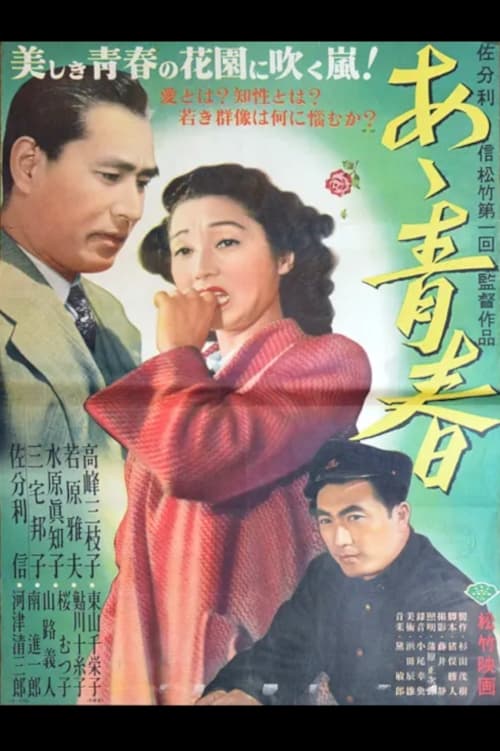
Sing, Young People!

The film consists of three short stories. Tomiko, the heroine of the first story, "The Flower Girl" (dir. Kozaburo Yoshimura), is a little girl who bears the unbearable burden of caring for her family. Tomiko's father has been unable to find work for a long time, and her older sister is terminally ill—it is unlikely that she will ever recover. To feed her family, Tomiko runs around the city from morning until late at night selling flowers... The second novella (dir. Tadashi Imai) also depicts the lives of the poor. An unfamiliar girl brings young Kavano a letter from his mother. It turns out that the girl's name is Kuniko, she is very hardworking, but her family is dying of hunger. Therefore, her mother decided to send Kuniko to her son so that he would marry her. The short story is called "The Unexpected Bride." The third short story, which gave the film its title, is particularly interesting: "When You Love" (dir. Satsuo Yamamoto). It shows the family of a young peace activist.
If Indeed One Loves

Stage director Shimamura, who is bringing western theatre to Japan, falls in love with outspoken actress Sumako Matsui, and leaves his family to be with her, while trying to keep his Art Theatre solvent.
The Love of the Actress Sumako

A student at a woman's university takes a controversial action against the school's old-fashioned doctrines.
The Garden of Women

At a coastal hot spring inn, a group of women navigate work, personal struggles, and unexpected scandals. When a guest threatens to expose one maid's past, she must decide whether to run or face it—with help from a kind local officer.
Diary of an Elegant Hot Spring

Epic saga of an idealistic land-owning family dealing with militarism, war, social change and economic reform.
The Kii River

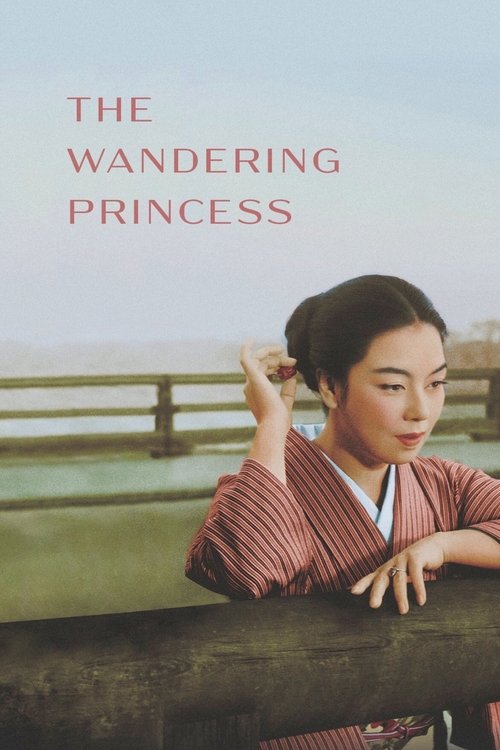
Pu Zhe, younger brother of the Emperor of Manchukuo, marries Ryuko, daughter of an aristocratic family. To the surprise of all, a deep love between Pu Zhe and Ryuko develops and is put to the test when Japan loses the war.