
Emílio Di Biasi
Acting
Known For

No description available.
Os Imigrantes
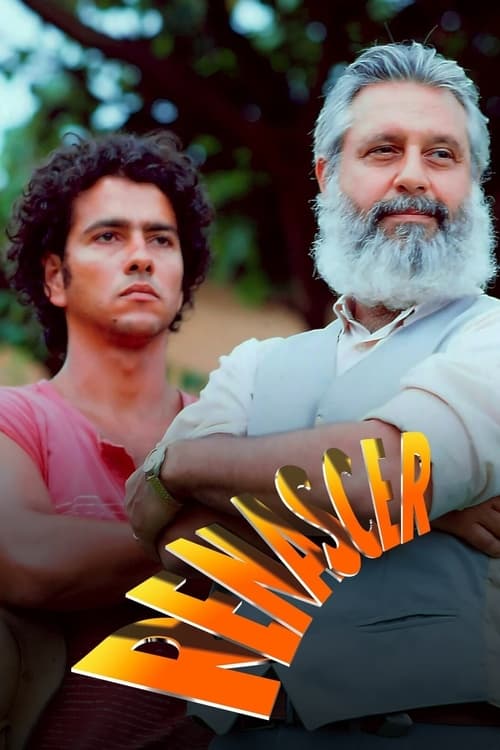
Jose Inocencio had innocence only as part of his name, but only those who new him well could notice this. But nobody knew him. He was a storyteller, and he was always the main character in the stories he told. He managed not only to create stories about himself, he managed to create a legend. The story of this powerful cacao farmer; Maria Santa, the beloved wife who died; and their four children is the main theme of 'Renascer'.
Rebirth
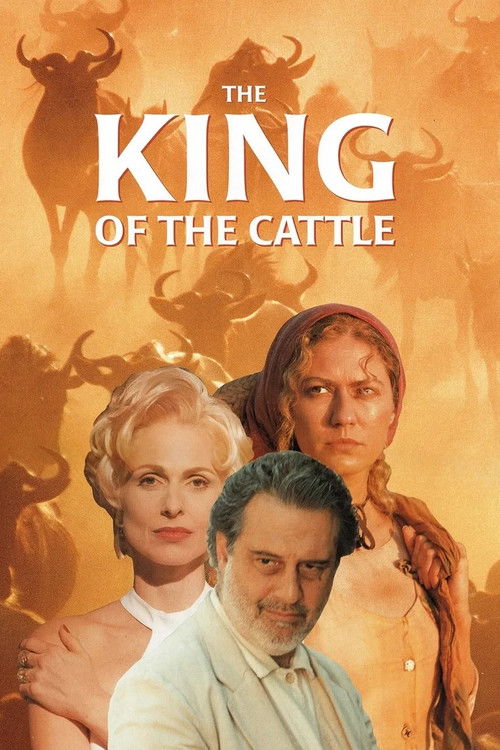
In the struggle for land a vicious feud erupts between two men, who commit their families to a war without truce. Over two generations they are moved by love and by hatred in this epic saga of love for the land.
The King of The Cattle
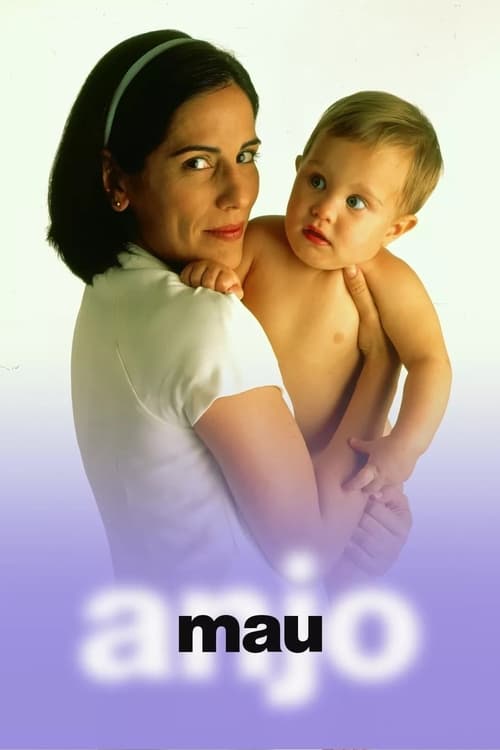
Ambitious Nice seeks social advancement through Rodrigo Medeiros, but ends up truly falling in love with him. This is the second version of the telenovela, originally aired in 1976.
Evil Angel

Isaura was born in 1835, in the farm of Commender Almeida. She is the daughter of the slave Juliana and the tenant of the farm, Miguel. Juliana dies right after the birth, because she denied going to bed with the Commender. He whips her to death in revenge. So, Isaura is raised and educated by Gertrudes, wife of the Commender, who always wanted to have a daughter. In spite of her excellent education and the white skin, Isaura, as a daughter of a slave,will always be treated as a slave.
The Slave Isaura

No description available.
Telerromance

No description available.
Um Homem Muito Especial

Pedro da Maia, meets a beautiful woman called Maria Monforte with whom he gets married despite his father's objection. The marriage produces a son, Carlos Eduardo, and a daughter. Some time later, Maria Monforte falls in love with Tancredo and runs away to Italy with him, taking her daughter along. When Pedro finds out, he goes with his son to his father's house where he commits suicide. Carlos stays at his grandfather's house and is educated by him. Carlos, becomes a doctor and opens his own office. Later he meets a gorgeous woman, Maria Eduarda. The two fall in love and have dozens of nights together. Eventually Carlos finds out later that Maria lied to him about her past and he starts fearing the worst. In the end, Carlos finds out that Maria is his sister. He informs her that they are siblings and that they cannot live like this anymore. Carlos, to forget his tragedies, goes for a trip around the world.
Os Maias

No description available.
Gente Fina

No description available.
Amazônia: De Galvez a Chico Mendes

No description available.
Ninho da Serpente

In an empty city, scorched by the sun, the young and old confuse the fever of sunstroke with the delicate birth of passion. Like ghosts, they hover around buildings and endless flatlands in search of the ever elusive love. Inspired by 19th century Russian short stories, the plots weave and unravel together in the improbable city of Brasilia – a distorted mirror-image of the Soviet utopia – located in the heart of the Brazilian desert.
Sunstroke

Count Dracula, taking on the new identity of Vladimir, leaves Transylvania and goes to Brazil in search of his son Rafael. This vampire romance was conceived to be a potential telenovela, but only ended up running as a TV miniseries with four installments because the network that financed it went under.
Dracula, a Love Story
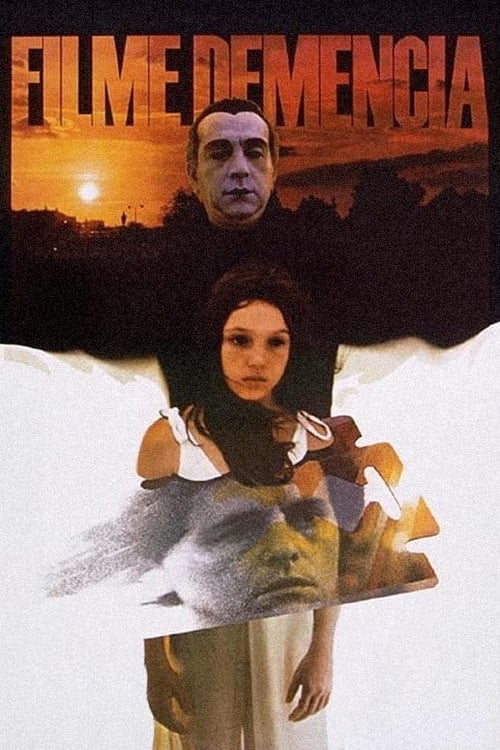
Transposition of the myth of Faust to modern Brazil. The heir to a bankrupt cigarette factory, amidst a personal crisis, leaves everything behind and heads for a supposed paradise he has seen in a tourist agency, where he believes he could find self-knowledge. In his search, he is inspired by a Mephisto-like character.
Movie Dementia

Telmo is a retired theater director that realizes he doesn't remember the time he spent kept in jail during the military dictatorship in Brazil. He decides to stage a play and, with threads of memory, he improvises the lines with his young cast. Telmo dives into his own history and ends up revealing for himself what, being so painful, he'd rather forget.
Bring It Inside
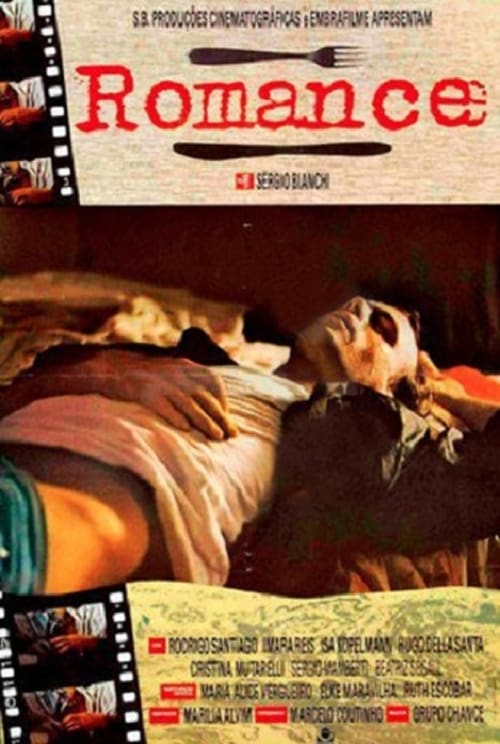
After a man dies under mysterious circumstances, his girlfriend and his gay lover deal with his death in different ways.
Romance

Moments before a father's death, all of his family memories are transferred to his son through a dream, from the first ancestor, an Englishman living at the end of the 18th century, to his Brazilian heirs, the protagonists of this story.
Primavera

No description available.
Os Filhos de Nelson
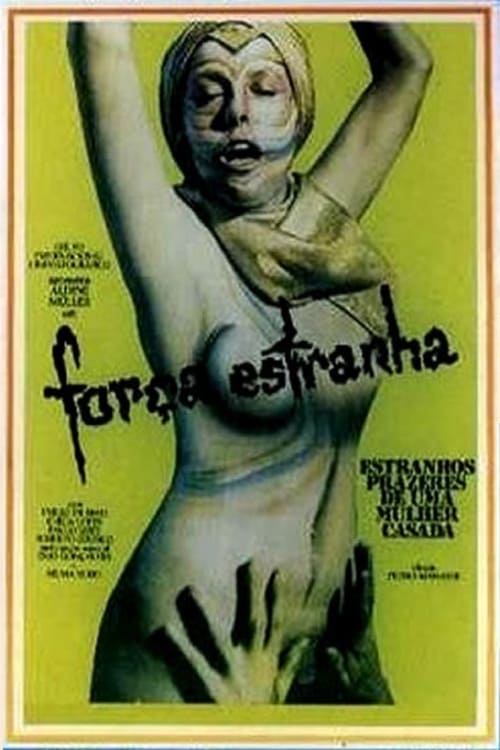
No description available.
Strange Force

The lives of three teachers in the outskirts of São Paulo, their love lives, their interaction with the poor surroundings, their family problems.