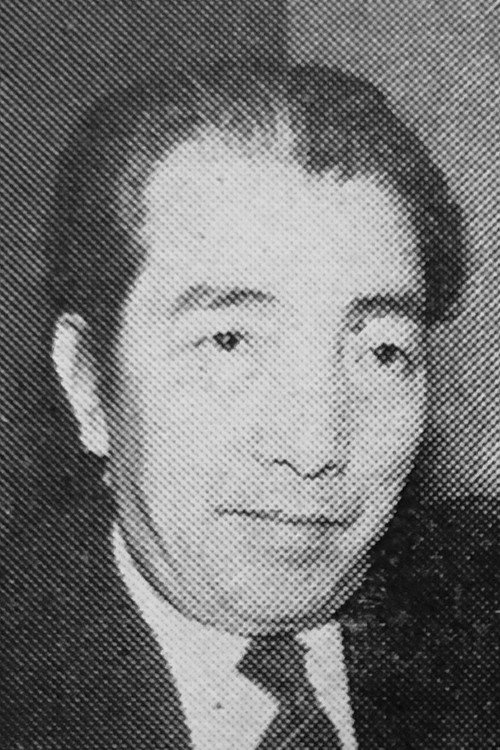
Keinosuke Uekusa
Writing
Biography
Keinosuke Uekusa (植草 圭之助, Uekusa Keinosuke; 5 March, 1910 – 19 December, 1993) was a Japanese screenwriter, playwright, and novelist. He is known for his longstanding friendship and collaborations with the filmmaker Akira Kurosawa. Description above from the Wikipedia article Keinosuke Uekusa, licensed under CC-BY-SA, full list of contributors on Wikipedia.
Known For

In postwar Tokyo, a blunt, alcohol-soaked doctor diagnoses a swaggering young yakuza with tuberculosis, forging an uneasy bond that’s tested when the gangster’s ruthless former boss returns and drags him back toward the swampy underworld he can’t escape.
Drunken Angel

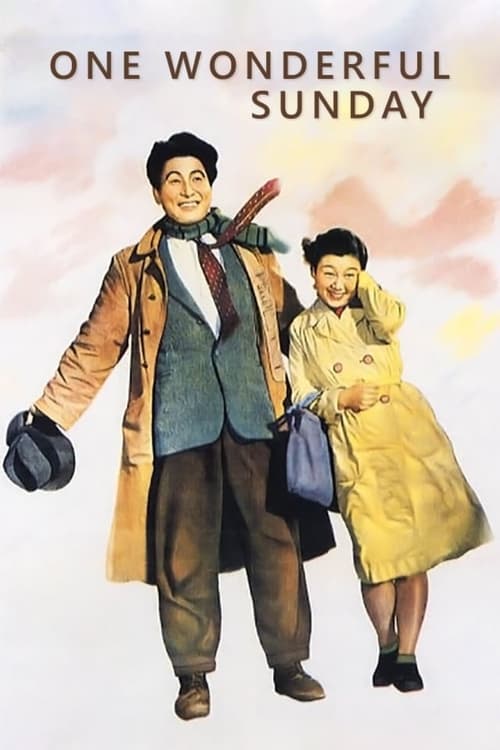
Two broke sweethearts wander war-scarred Tokyo on a single Sunday, stretching 35 yen as they chase housing, small pleasures, and a little hope.
One Wonderful Sunday

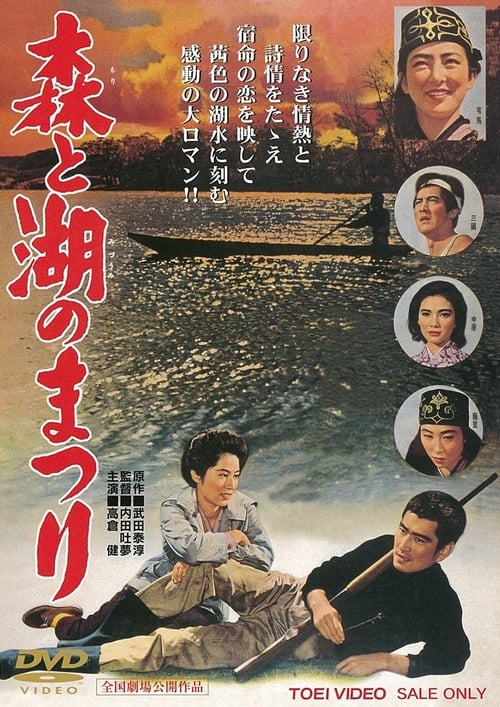
A drama about relations between Japanese immigrants and the indigenous Ainu on Hokkaido, the most northerly island of Japan. From a novel by Taijun Takeda.
The Outsiders

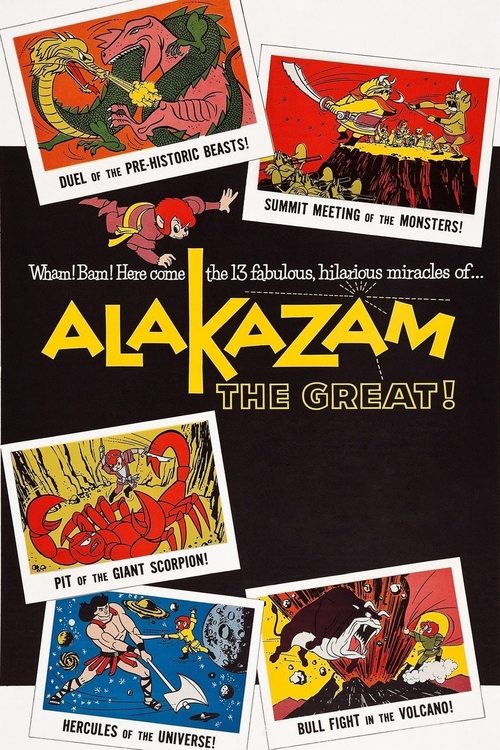
A monkey king who learns the secrets of magic goes on a spree and causes no end of aggravation for the gods, who finally imprison him. In order to make up for all the trouble he's caused, he is sent on a mission to accompany a prince who is the son of the gods on a journey through a land filled with dangers, monsters, cannibals and demons.
Alakazam the Great!

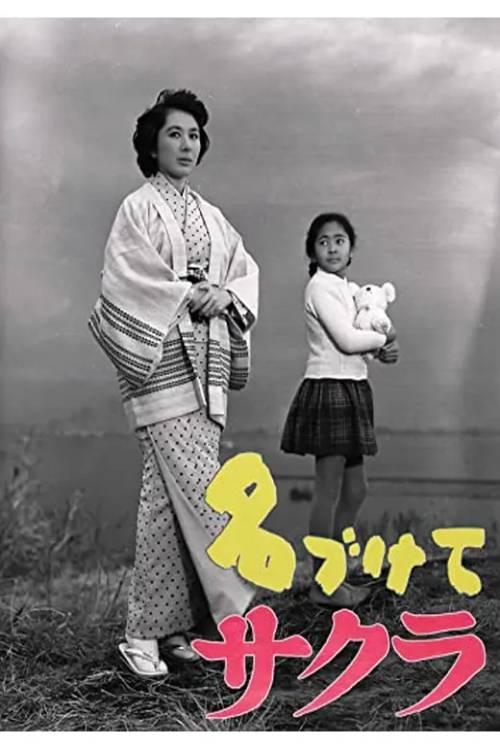
Sakura (nicknamed Sally), a 12 year old biracial girl, ran away from her adoptive family in America to find her real mother in Japan.
Her Name Was Sakura

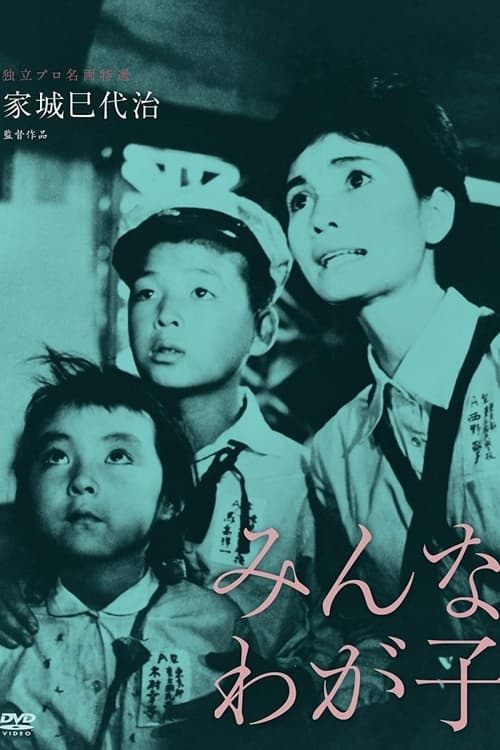
School teachers responsible for the lives of their students work to evacuate Allied bombings near the end of WWII.
All My Children

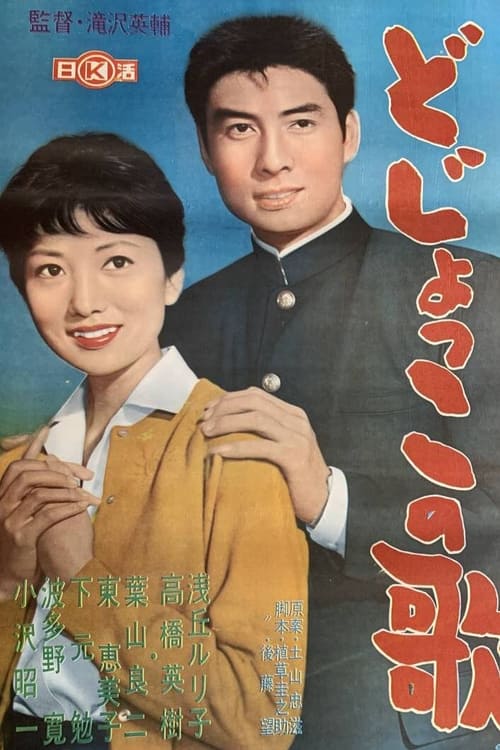
A touching love story about a heroine who loses her parents in the war and tries to keep her pure love alive despite the many difficulties she faces.
The Song of the Season

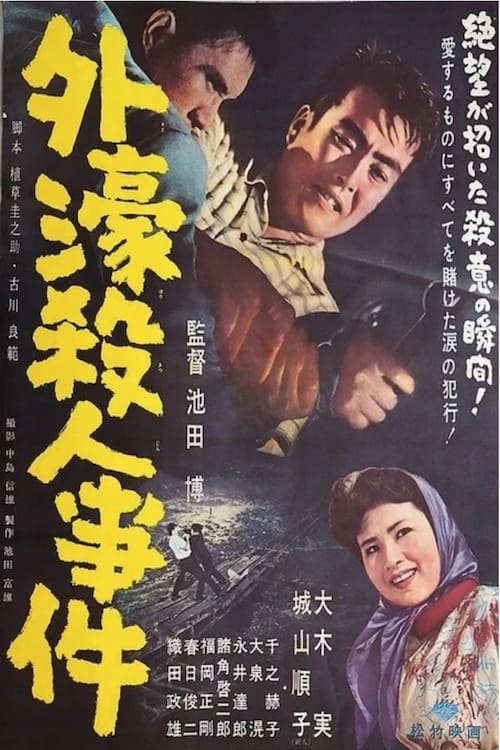
A taxi driver hits a woman on the streets. He takes care of her while she gets better. While realizing they're both at a brink in their lives they'll start falling for each other against their odds.
Sotobori Murder Case

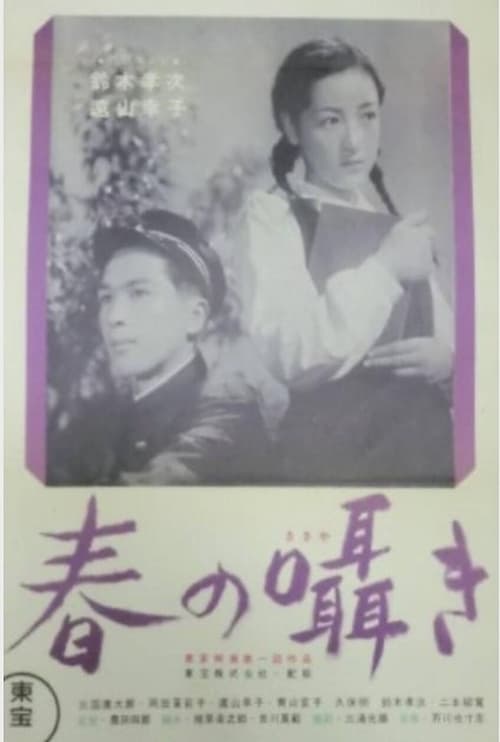
After graduating from a high school in the Seto Inland Sea, Koji, a childhood friend of Yaeko, went to Tokyo to enter university wearing a heartfelt sweater.
The Whisper of Spring

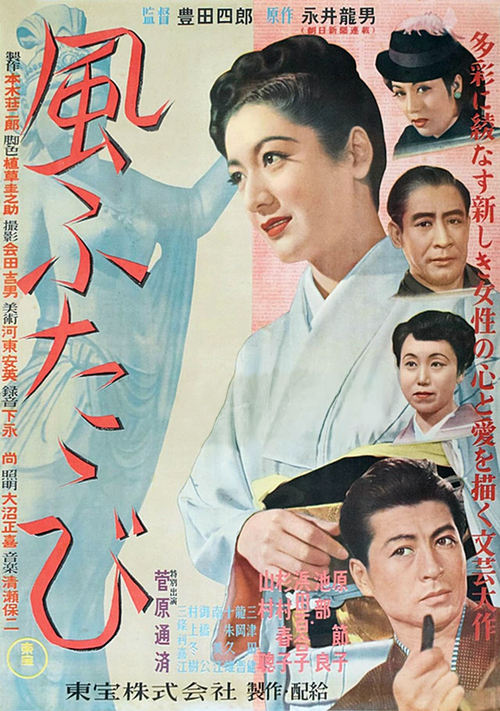
Kanae, who broke up with her husband and moved to her uncle's house, met two men when her father, a university professor, collapsed. Michihara, a wealthy man and Miyashita, a youth scholar. Kanae is attracted to Miyashita, but ...
The Wind Blows Twice

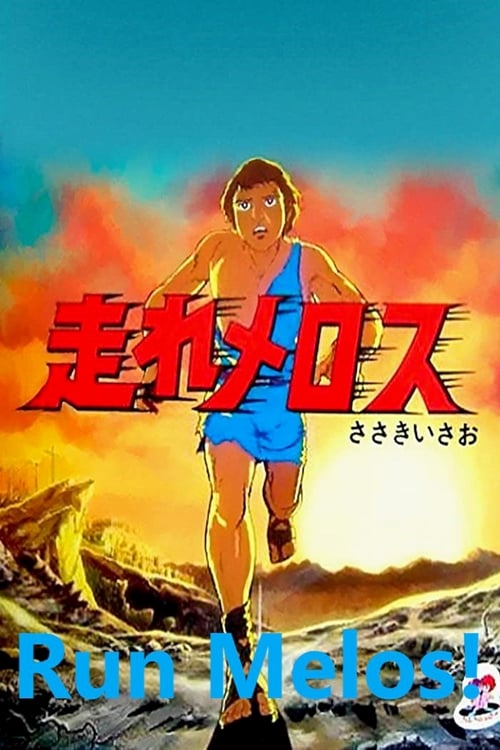
Hashire Melos! is the title of two Japanese animated films. The first was directed by Tomoharu Katsumata and released on Japanese television on February 7, 1981. It was either 68 or 87 minutes long, and its official title did not include the exclamation mark on the end. The second, with the exclamation mark, was a 107-minute remake of the first and was released on July 25, 1992. It featured direction and screenplay by Masaaki Osumi, music by Kazumasa Oda, art by Hiroyuki Okiura and Satoshi Kon, and background art by Hiroshi Ohno. Both were produced by Toei Company Ltd. Visual 80, and both were based on the original short story written by Osamu Dazai in 1940.
Run Melos!

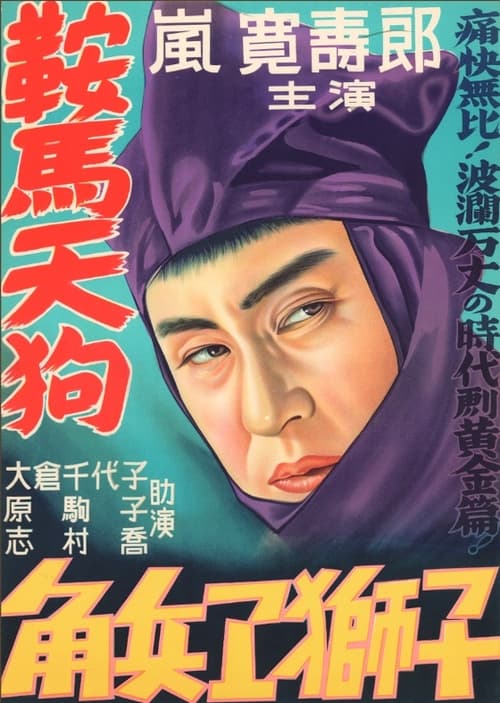
This is Kanjûrô Arashi's first film with Nikkatsu after his independent production company went bankrupt (many of these independent companies went bankrupt shortly after the transition to sound). As he is mostly famous for his portrait of Kurama tengu (and on the other hand, he's the definitive actor for Kurama Tengu as well), Nikkatsu made another version of Kurama tengu, co-directed by Masahiro Makino & Sadatsugu Matsuda who are both sons of Shozo Makino. Scripted by Yoshitake Hisa, a jidaigeki specialist who later scripted several Toei All-Star Jidaigeki.
Kurama Tengu

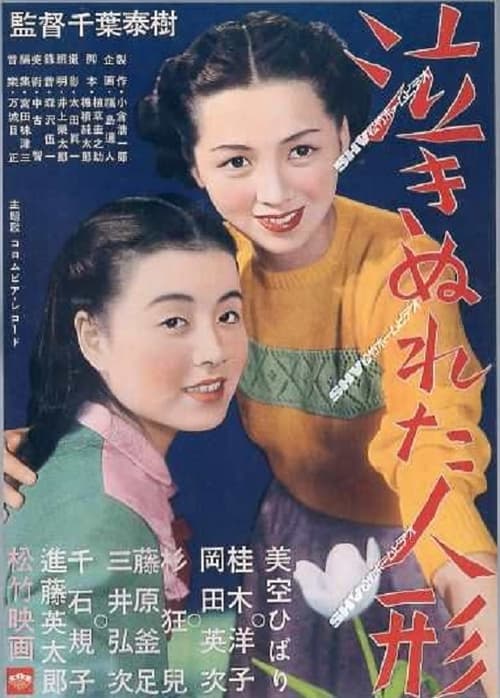
A Hibari Misora musical about an impoverished girl and her brother in Postwar Japan.
Weeping Doll

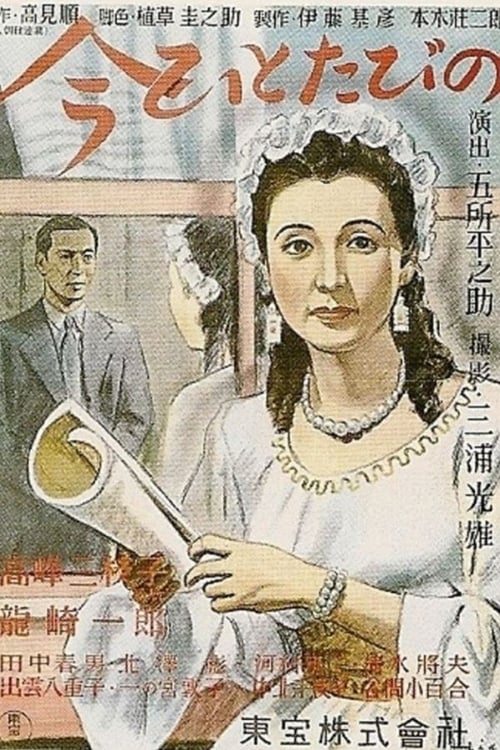
A romance with political overtones about the relationship of a sheltered bourgeois woman and a doctor who devotes himself to caring for the poor. Over a ten-year period - from 1936 through the war - they find each other and are separated again by the events of those tumultuous days.
Once More

No description available.
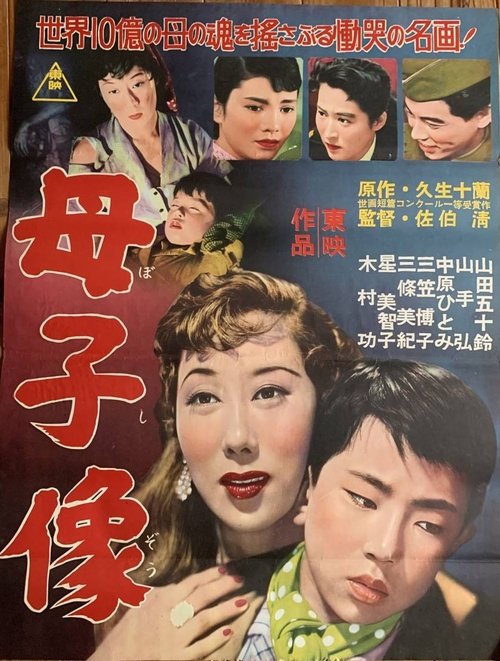
Mother and Child

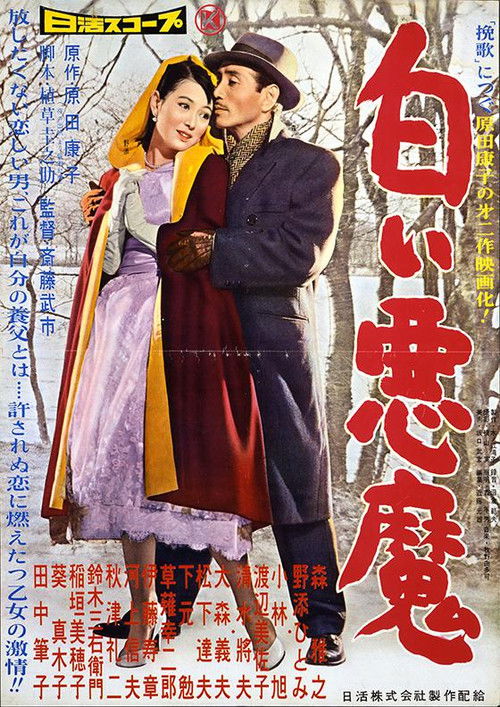
Film by Buichi Saito