Production
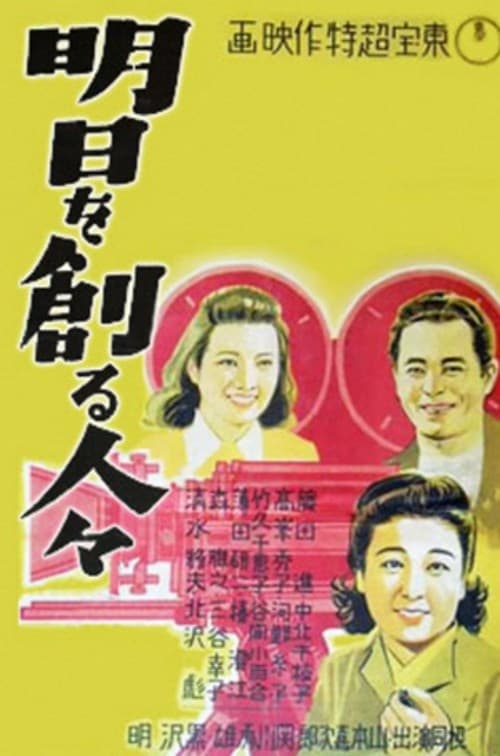
In postwar Japan, two sisters—a film studio script girl and a revue dancer—become swept up in the growing labor movement when workers around them strike for better conditions. As their conservative father opposes their activism, his own dismissal forces him to confront the realities of class struggle and join their fight for a fairer future. Now considered a lost film, Those Who Make Tomorrow was produced by Toho to promote unionization during Japan’s Allied Occupation.
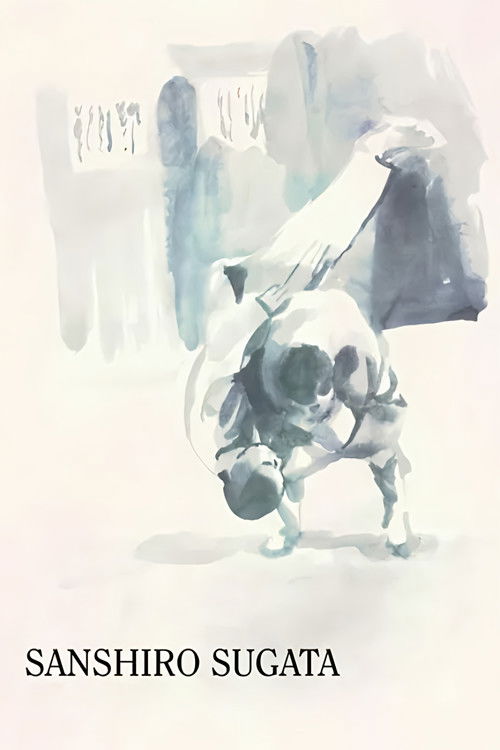
A hotheaded youth in 1880s Meiji Japan apprentices to judo master Shōgorō Yano, trading brute jujutsu bravado for discipline and humility. As Sanshirō matures, he proves judo’s spirit against old-guard challengers—including a deadly duel—while falling for his vanquished opponent’s daughter. Based on the novel by Tsuneo Tomita, son of Tomita Tsunejirō, the earliest disciple of judo.
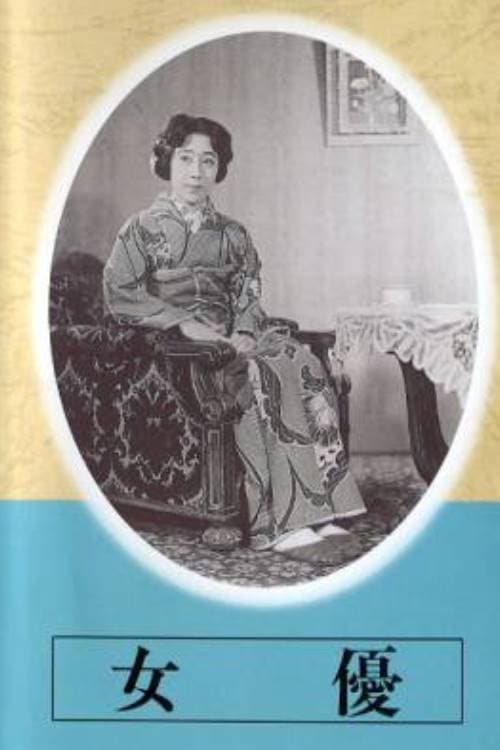
During the late Meiji period, at the beginning of the twentieth century, Sumako, a country girl, becomes a great actress with the help of Hogetsu, a scholar who brought European realism to the Japanese stage. The relationship leads to the end of his marriage and the breakup of his Arts Society.
After her anti-fascist professor father is dismissed, Yukie navigates love, political repression, and wartime upheaval—ultimately forging her own path in pre- and post-WWII Japan.
A record of the people and culture of Beijing
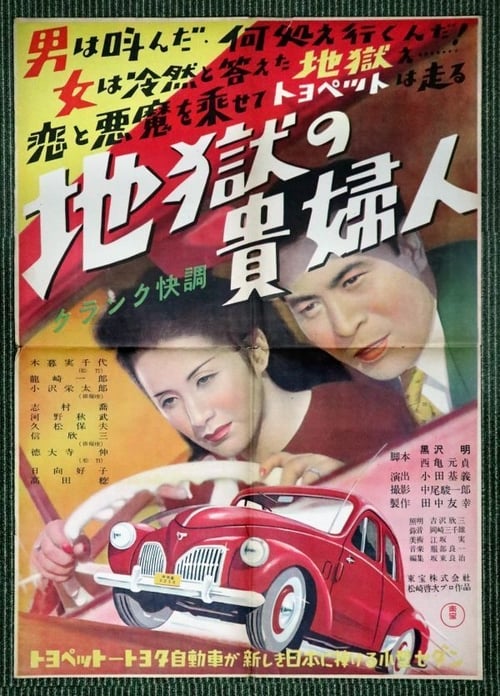
Three and a half years after Japan was bombed, the tax authorities organized the T-Men. Nango is in love with a girl called Mibu, and the two are against the T-Men organization. Mibu whats to kill all of the T-Men one-by-one.
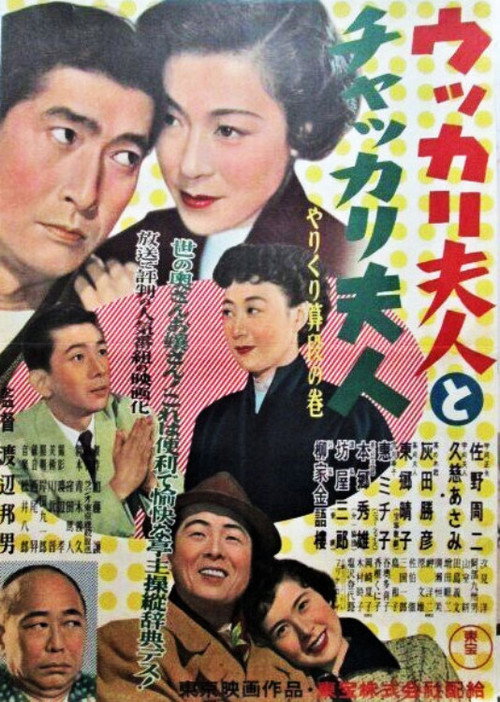
Based on a radio drama.
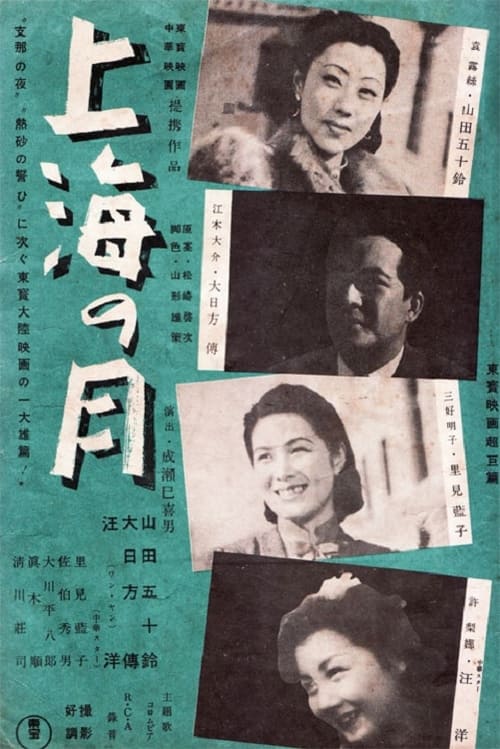
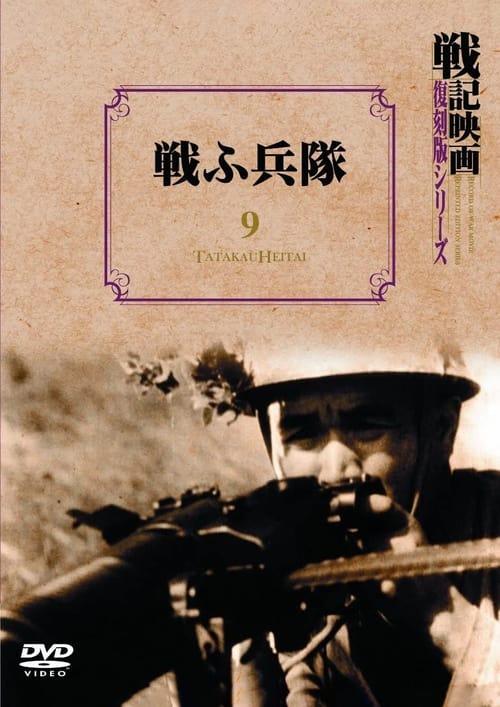
In 1937 fighting erupted between Japanese and Chinese troops at the Marco Polo Bridge. A team of Japanese spies broadcasting radio programs to promote pro-Japanese sentiment were searching for a Chinese speaking announcer. Only 53 minutes of the film survives.
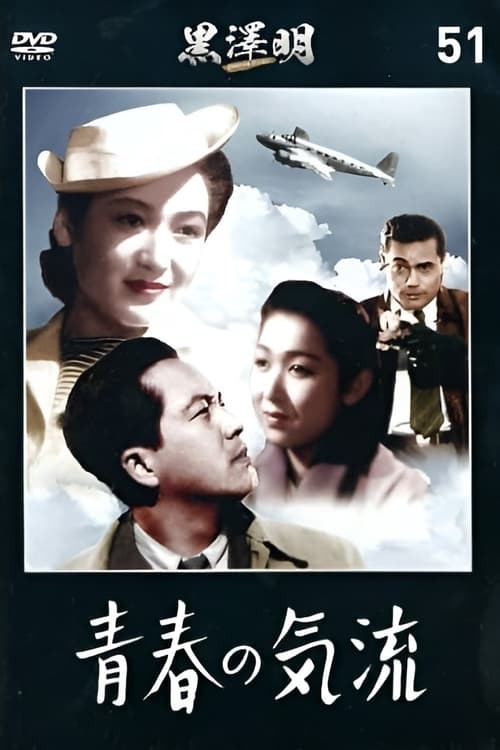
It was supposed to be about a love story, but it was and was not. An aircraft mechanic working for the government is matched by his boss with the latter man's daughter (Setsuko Hara) who is both beautiful and aggressive. Yet, he picks a woman who is less assertive as his bride.
Based on the comic by Yutaka Asou
1933 film directed for PCL by Sotoji Kimura
Documentary of an Imperial Japanese Army regiment's advance from Shanghai to Wuhan in 1938. This film was shelved before submission to Home Ministry censors amid rumors that Fumio was a Communist.
In 1930s Japan, a beer seller and a struggling music student fall in love while chasing their dreams.
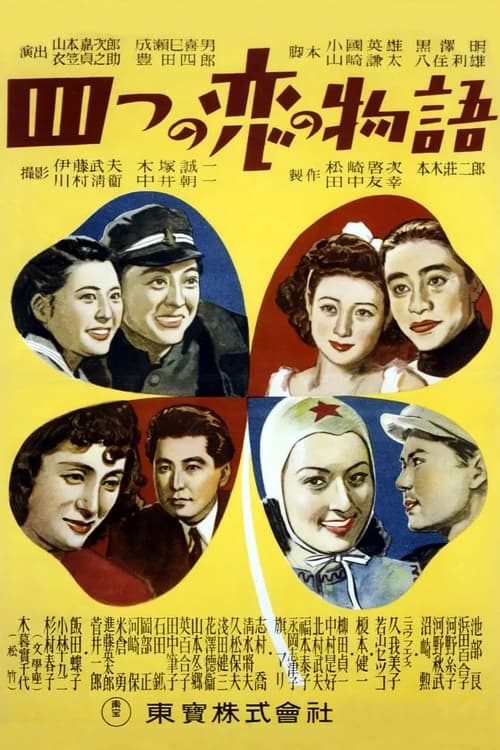
Omnibus of love stories from 1947 directed by famous directors, featuring big stars.
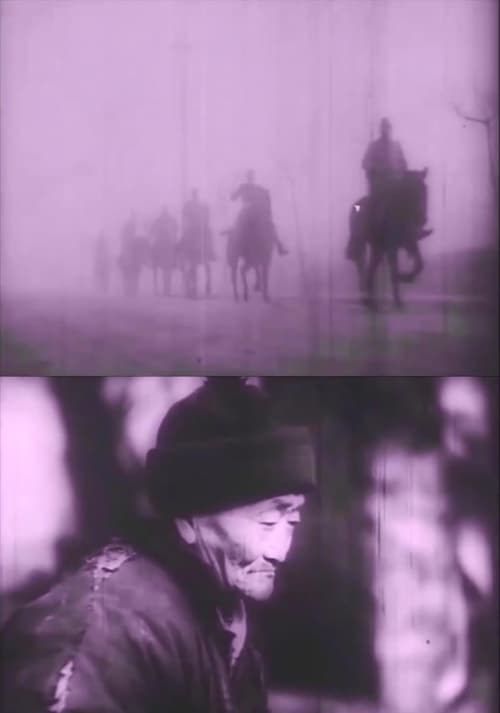
Propaganda documentary about the fall of Nanking. Considered for a long time as a lost film, it was discovered in Beijing, China, in the year 1995.
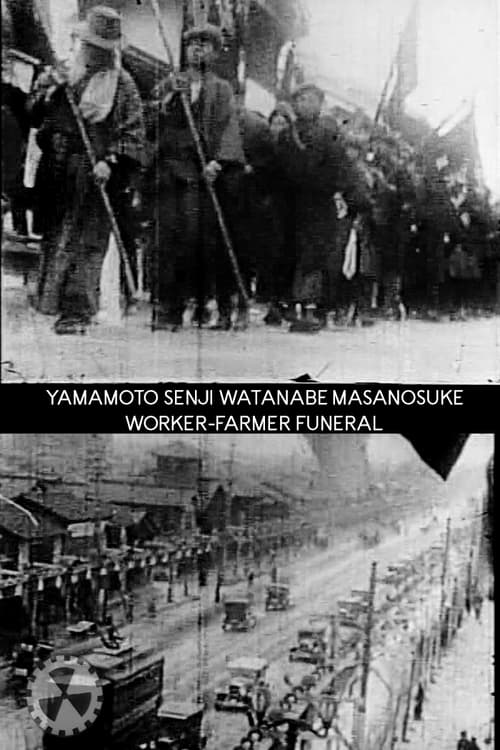
After his Tokyo farewell ceremony, Yamamoto's ashes were sent to Kyoto on March 9. Many friends and citizens gathered at his home in Uji. On the 15th a worker-farmer funeral was held at the Sanjo YMCA. Prokino's Kyoto Branch shot these five days of activities. The long line of cars is filled with taxis, whose drivers deeply admired Yamamoto. The Watanabe in the title refers to the head of the Communist Party of Japan. Watanabe was returning to Japan from Taiwan when he was stopped by authorities. He committed suicide in their custody. Yamamoto and Watanabe were mourned together.