Acting
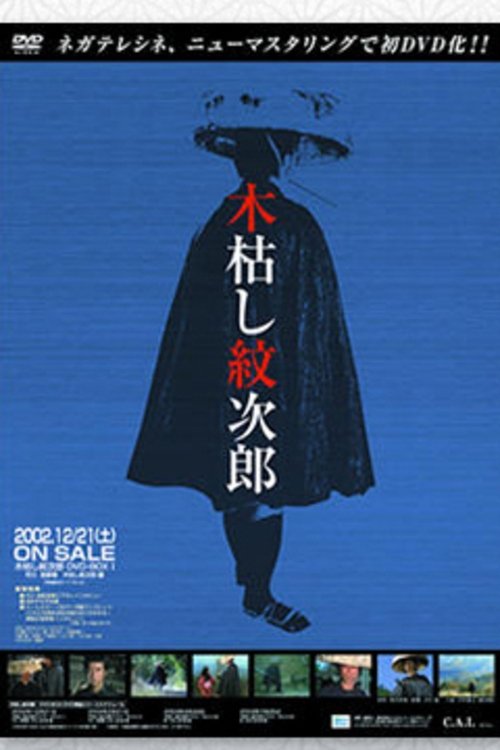
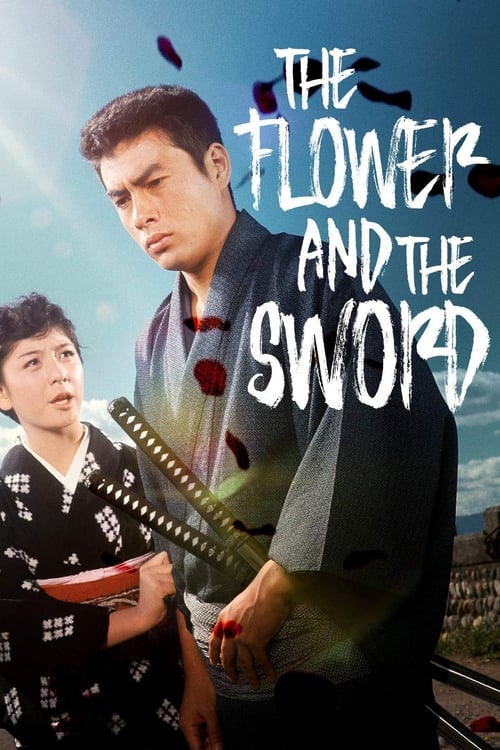
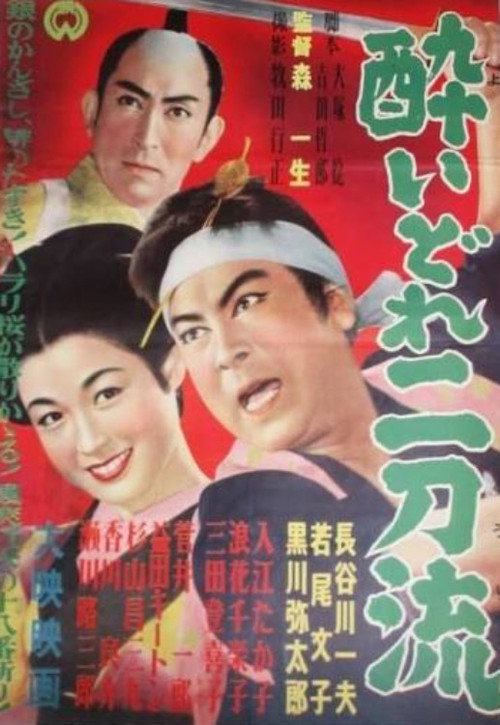
Monjiro was born into a poor farm family in Mikazuki Village, Nitta County, Ueshu, and abandoned his hometown when he was 10 years old. He has been traveling aimlessly with a long toothpick in his mouth. Monjiro avoided getting involved in anything, but wherever he went, he ended up getting involved in incidents
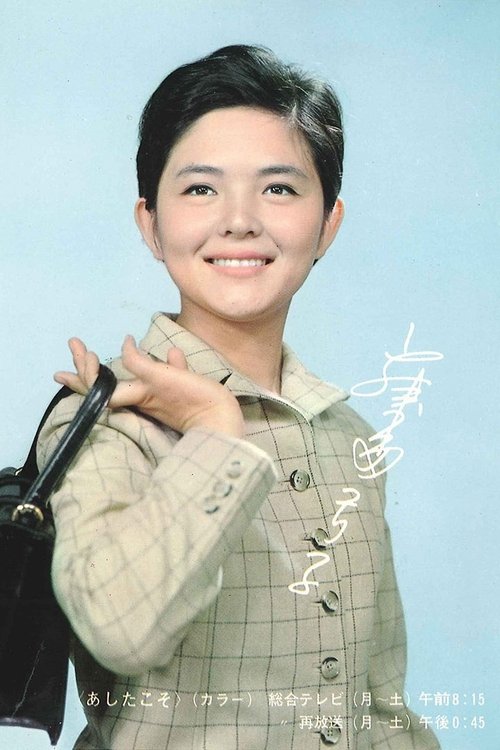
The 8th NHK Asadora. Starring Yumiko Fujita in a family drama. The first Asadora filmed in color.
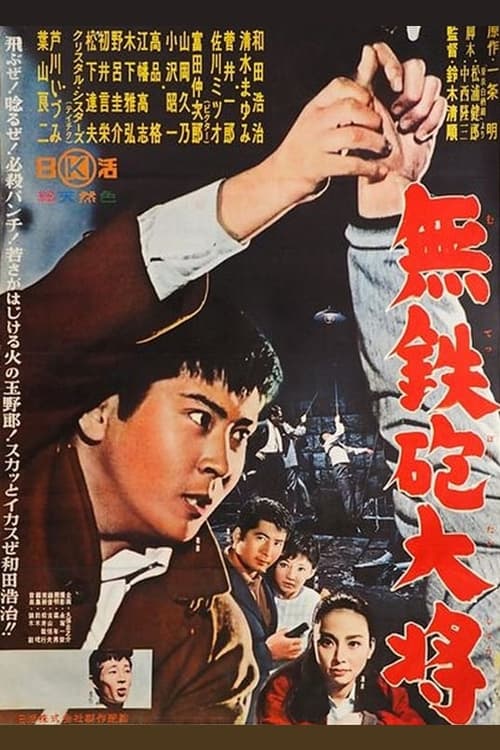
Wada Kōji is a chivalrous young man who leads a group of youths that take on a yakuza boss.
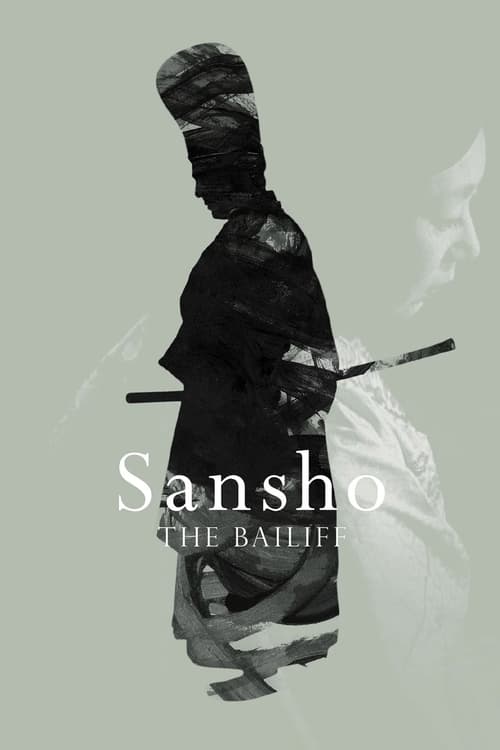
In 11th-century feudal Japan, following the exile of an idealistic governor, his wife and children are separated by slave traders; the children, Zushio and Anju, are sold into brutal servitude under the cruel bailiff Sansho.
Among Yoshimura’s complex and political works, this episodic film, set in the early 1930s, follows the life of a young left-wing student activist disenchanted by the increasingly hawkish state of Japanese society.
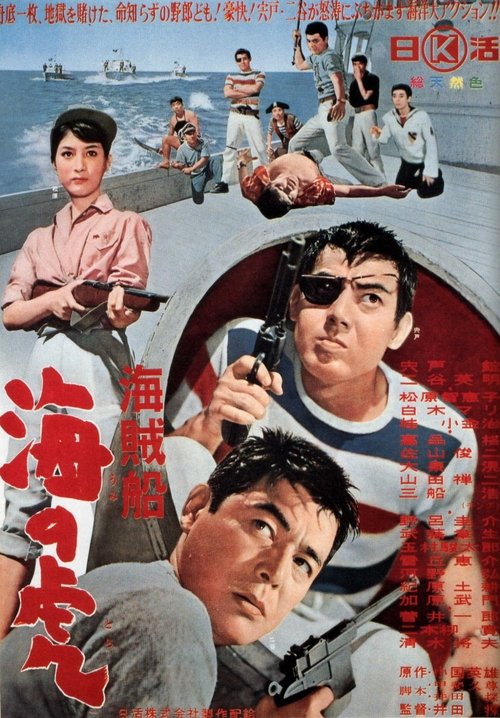
A group of pirates sail the treacherous Pacific ocean in search for wealth.
No description available.
Japanese action film.
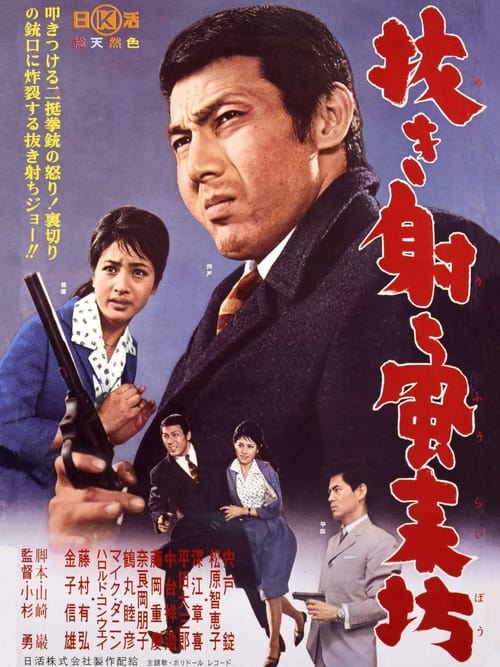
A dangerous mobster threatens the life of a businessman's mother in this thriller. As Ryuji oversees the building of a bridge in Japan, a powerful gangster plans to stop the project. By any means necessary.
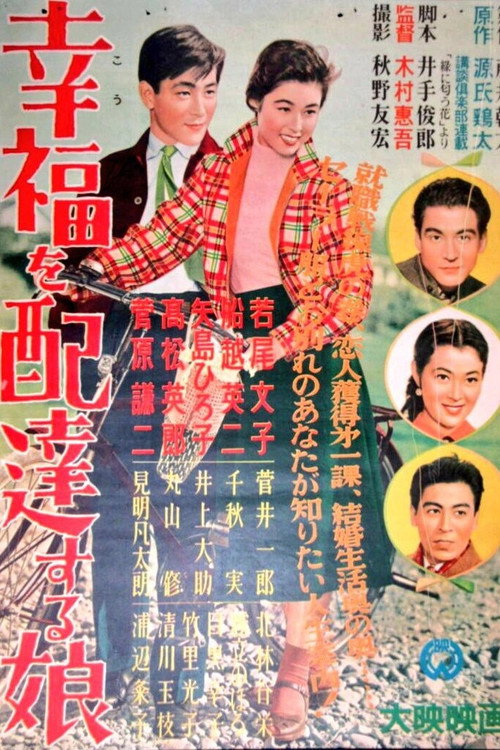
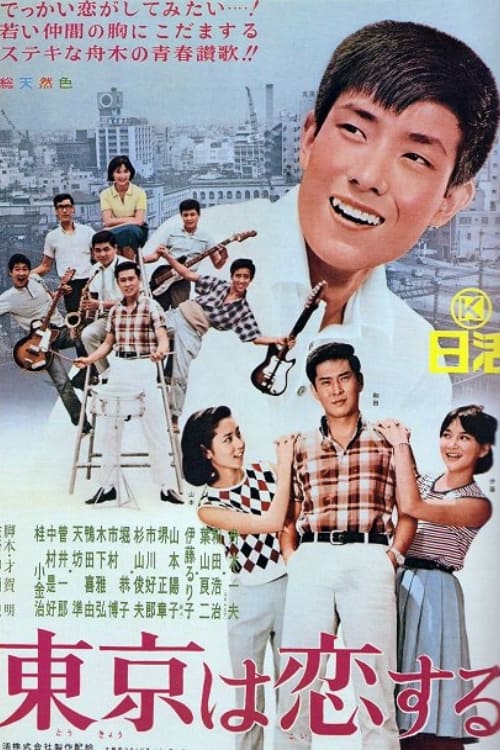
Akio Tsukaro, dreaming of working for a beauty school's flag shop one day, stayed at Bunta Tadokoro without being involved in salon art, even though he graduated from beauty school. One day, Akio saw Michiko, a beautiful girl raining in Ginza. Since then, Akio has become unforgettable with the mascot that Michiko has taken away...
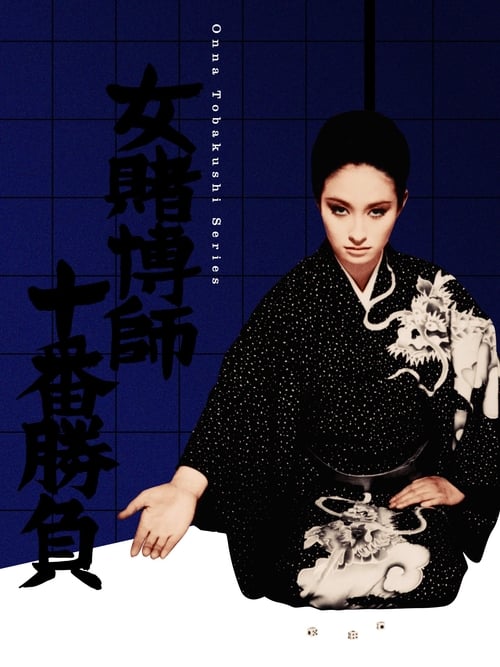
13th in the 17 film Daiei "Woman Gambler" series
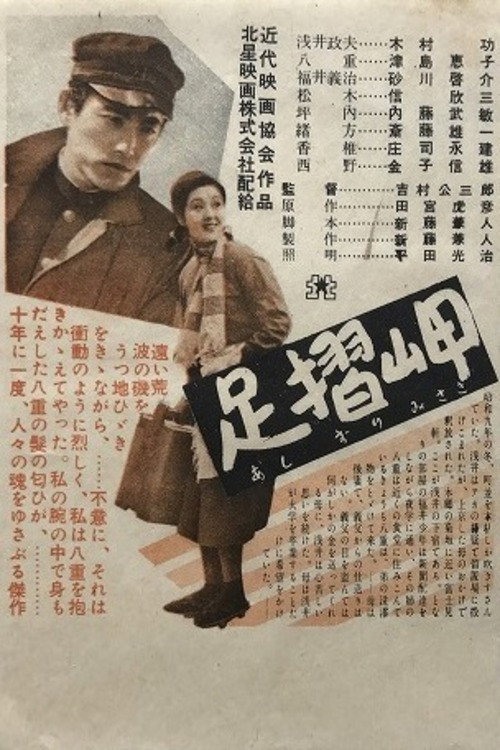
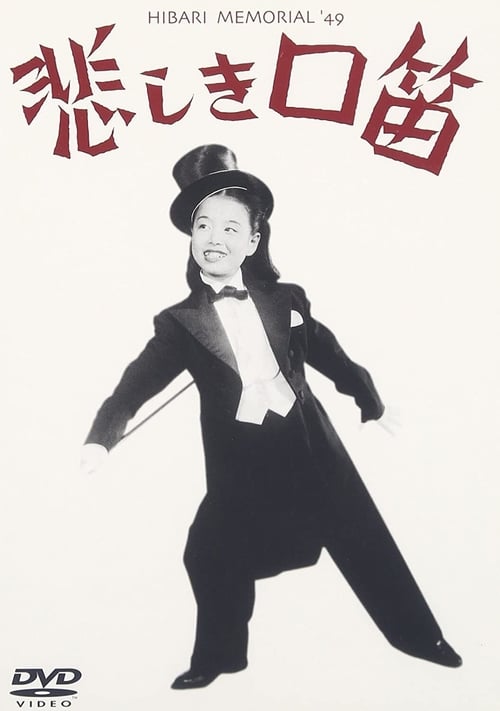
A young girl searches for her long-lost brother in postwar Tokyo, clinging to hope and music amid the rubble of a broken Japan. Along the way, she touches the hearts of those around her with her resilience and song.
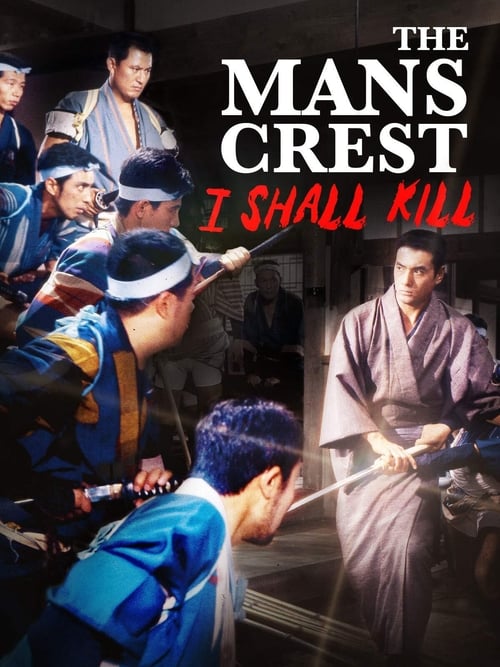
It is the Taisho era in Japan. A man has quit the Yakuza after five years and returned to Shikoku in order to begin his life anew as a ferryman. His boss, however, became ill and the boat is taken due to unpaid debts to the local thugs. His new life has not begun well and he is determined to rebuild the shattered business. The Yakuza, however, have added the ferry business to the rest of their portfolio of local concerns.
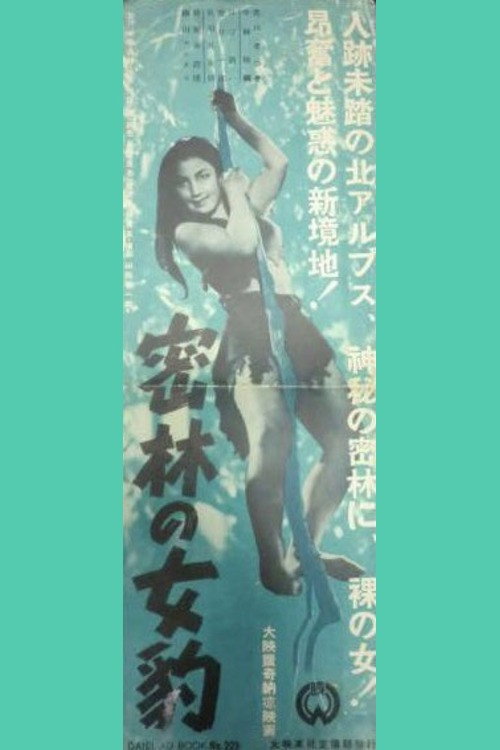
A film filled with eroticism and humor, set in the Northern Alps where a naked woman has appeared, as depicted in the article “Naked Woman Appears in the Jungle,” and featuring a showman and a newspaper reporter.
1962 Japanese movie
A street war breaks loose between two rival gangs in the Kansai region of Japan. Goro is in the middle of action. Through a knife fight against Sueo, a high profile gangster from Busou-kai, Goro notices a familiar face approaching him from amidst the chaos - his girlfriend, Yuri. Goro had sent her to safety, but she had returned, aching to see him. Caught between Goro and his enemy knife, she reunites with her love - the price was her life.
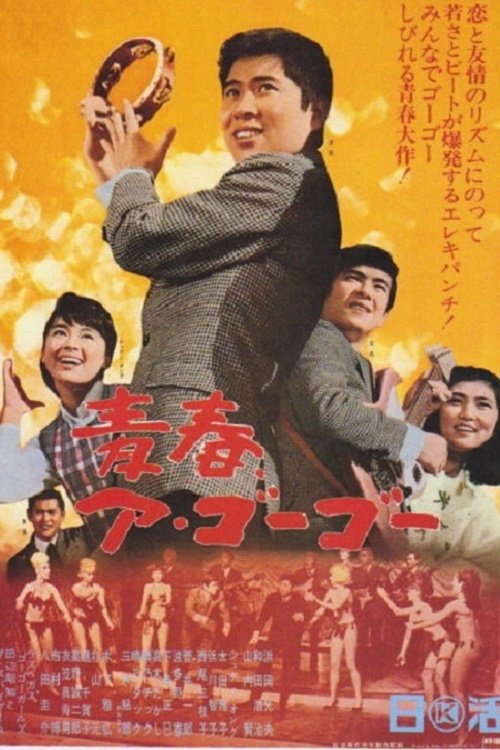
Kenichi and Satoru join up with three other electric music lovers to form their own band, "The Young and Fresh."