FEEL IT.STREAM
?

Akitake Kōno

Acting

Biography

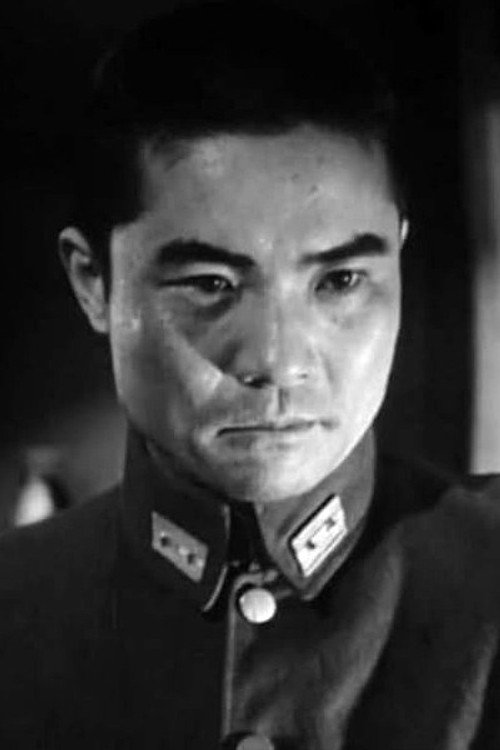
Akitake Kōno (河野 秋武 Kōno Akitake, 8 October 1911 – 17 March 1978) was a Japanese film actor. He appeared in more than sixty films from 1943 to 1973. Kōno started acting with the Zenshinza theater troupe before joining the Toho studio in 1942. Mostly a character actor, he appeared in films by directors such as Akira Kurosawa and Kenji Mizoguchi as well on television.
Known For

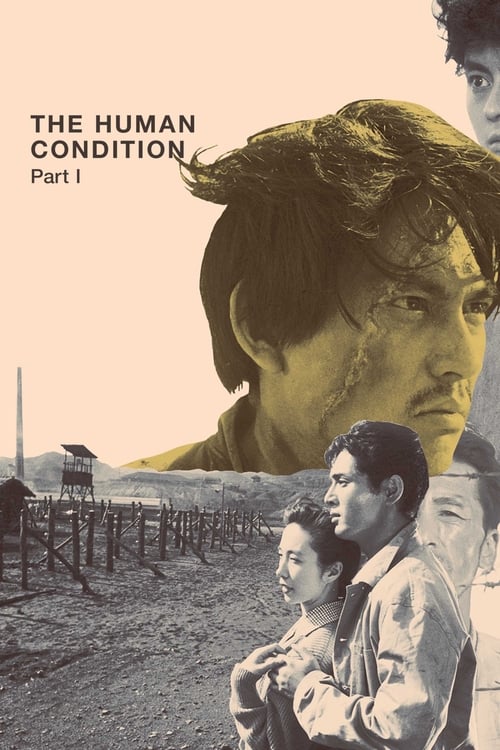
The Human Condition I: No Greater Love
8.1

After handing in a report on the treatment of Chinese colonial labor, Kaji is offered the post of labour chief at a large mining operation in Manchuria, which also grants him exemption from military service. He accepts and moves with his newlywed wife Michiko, but when he tries to put his ideas of more humane treatment into practice, he finds himself at odds with scheming officials, cruel foremen, and the military police.

The Human Condition I: No Greater Love

1959
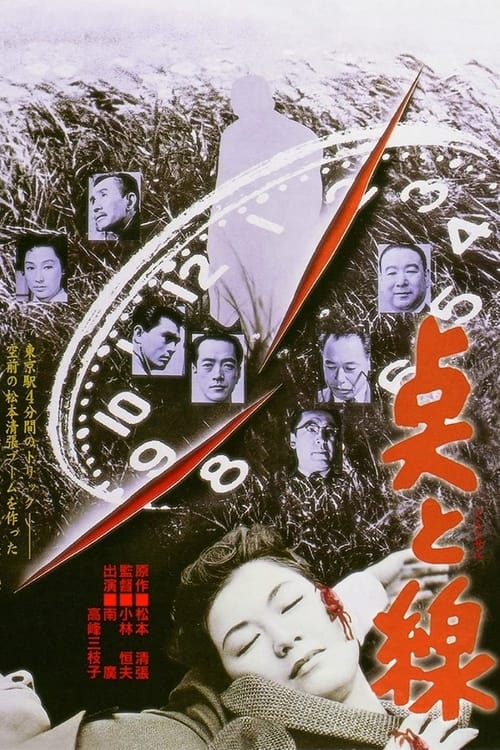
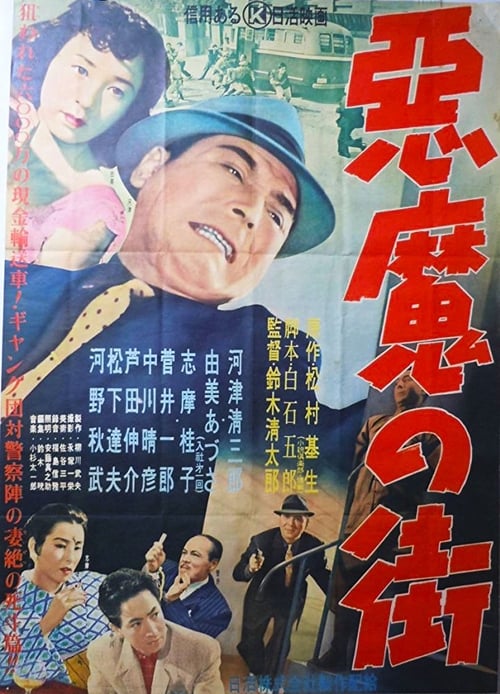
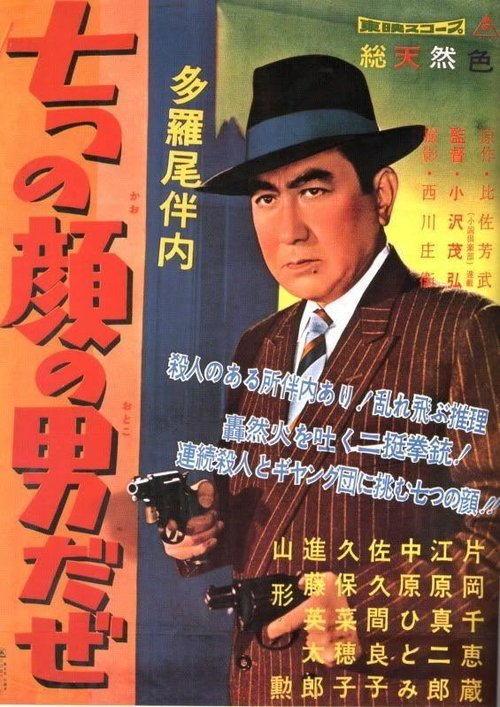
Satan's Town
10.0

A yakuza boss and his right-hand, Hawasaki, escape from prison. the film concentrates on their relationship, emphasizing loyalty and thier eventual betrayal, enroute they get involved in money trafficking, a cop killing and horse racing scams before the inevitable tragic ending. A patch-work production.

Satan's Town

1956
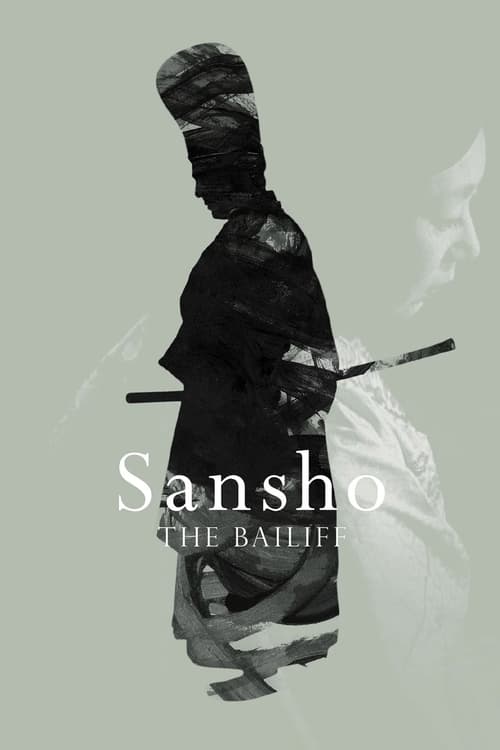
Sansho the Bailiff
8.1

In 11th-century feudal Japan, following the exile of an idealistic governor, his wife and children are separated by slave traders; the children, Zushio and Anju, are sold into brutal servitude under the cruel bailiff Sansho.

Sansho the Bailiff

1954
The Men Who Tread on the Tiger's Tail
6.7

A fugitive lord and his six retainers disguise themselves as monks to bluff their way through a hostile checkpoint.

The Men Who Tread on the Tiger's Tail

1952
Sanshiro Sugata
6.5

A hotheaded youth in 1880s Meiji Japan apprentices to judo master Shōgorō Yano, trading brute jujutsu bravado for discipline and humility. As Sanshirō matures, he proves judo’s spirit against old-guard challengers—including a deadly duel—while falling for his vanquished opponent’s daughter. Based on the novel by Tsuneo Tomita, son of Tomita Tsunejirō, the earliest disciple of judo.

Sanshiro Sugata

1943
The Scarlet Camellia
5.2

A young woman begins murdering all those responsible for her ailing father's condition. Because the girl is so outwardly sweet and innocent, the detective looking into the deaths does not suspect her.

The Scarlet Camellia

1964
Snow Trail
7.0

Three bank robbers, Eijima, Nojiri, and Takasugi, flee the police and escape into the mountains. At an inn high in the Japanese Alps, Eijima and Nojiri encounter a young woman and her father, as well as Honda, a mountaineer. The inn folk do not realize their guests are wanted criminals and the visitors are treated with great kindness. Honda volunteers to lead them over the mountains, but Eijima's paranoia endangers all of them as they make the perilous trip.

Snow Trail

1947
Sanshiro Sugata, Part Two
6.0

A few years after his breakthrough, Sanshiro resumes his path to judo mastery—testing his discipline against an American prizefighter and later facing vengeful karate brothers. As rival schools and public spectacle push him toward violence, he must reconcile strength with restraint and the true spirit of his art.

Sanshiro Sugata, Part Two

1945
No Regrets for Our Youth
6.9

After her anti-fascist professor father is dismissed, Yukie navigates love, political repression, and wartime upheaval—ultimately forging her own path in pre- and post-WWII Japan.

No Regrets for Our Youth

1946
The Most Beautiful
5.5

Young women at a precision optics factory in wartime Japan push to exceed production quotas, enduring illness, injury, and personal hardship to “serve the country.” Led by Tsuru Watanabe, they fight fatigue and setbacks to keep their line moving—even when duty collides with grief.

The Most Beautiful

1944
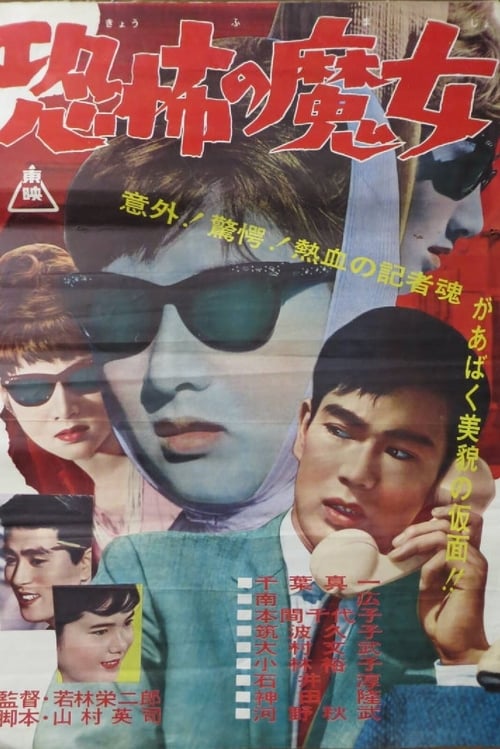
Lady From Hell
9.0

Three and a half years after Japan was bombed, the tax authorities organized the T-Men. Nango is in love with a girl called Mibu, and the two are against the T-Men organization. Mibu whats to kill all of the T-Men one-by-one.

Lady From Hell

1949
A Sun-Tribe Myth from the Bakumatsu Era
7.0

Saheji, a man-about-town, gets stuck at a high-class brothel when he can’t pay the bill. He makes the best of his situation by performing various tasks amidst the tumult of the end of the shogunate—but always by making sure to get a “commission” for his troubles.

A Sun-Tribe Myth from the Bakumatsu Era

1957
The Wolves
6.9

A group of five rookie insurance salespersons, driven to desperation by the impossibility of their work in Japan's failing postwar economy, form a plan to rob a cash delivery truck in order to provide for their families.

The Wolves

1955
Tower of Lilies
6.8

A group of Okinawan high school girls are drafted as nurses during the American invasion of the island. As the enemy army advances further, the situation for the girls becomes increasingly desperate as food and shelter run out and the number of injured climbs, leading to the film's tragic finale.

Tower of Lilies

1953
The Escape
7.0

Film about the 2-26 Incident.

The Escape

1962
Hatsu sugata ushimatsu gōshi
N/A

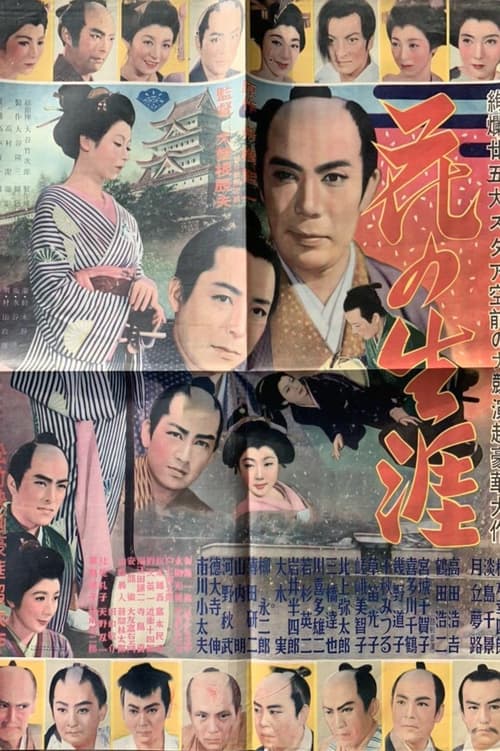
Fukagawa's chef Ushimatsu of the restaurant Kawatake fell in love with a maid named Omame and changed dramatically. He stopped gambling and womanizing much to the surprise of his friends. As their wedding day approached, Minosuke who had long been infatuated with Omame threatened her mother Okuma by using a promissory note for three ryō that he lent to her.

Hatsu sugata ushimatsu gōshi

1954
Dotanba
6.0

Based on a 1956 television feature on Japan’s national network, NHK, this is one of Uchida’s rarest films. A socially conscious drama with a contemporary backdrop, Dotanba focuses on the attempts to rescue a group of trapped miners. The title is a figure of speech — (essentially “last minute” or “eleventh hour”) — that refers to a situation of peril. The film boasts a script co-written by Uchida and Akira Kurosawa’s frequent screenwriter, Shinobu Hashimoto, and stars Kurosawa’s frequent star Takashi Shimura.

Dotanba

1956
Restoration Fire
7.0

Megastar Kataoka Chiezo is Vice-commander Hijikata Toshizo of the Shinsengumi in this realistic tale of Japan’s inner battles that led to the downfall of the Tokugawa shogunate. Excellent performances and extremely good swordplay highlight this glimpse into the heart and soul of Japanese history. Although known as “Razor Blade” Hijikata, the vice-commander is a man of deep conviction with a little-known sense of humanity. Starting after the famed Ikedaya Incident, in which they saved Kyoto from Choshu’s plot to burn the city to ashes, they work hard to change the public’s view of them as merciless killers to their true mission of protecting the shogun. This is an extraordinary tale of blood and guts! From the pen of award winning author Shotaro Ikenami (Bandit Vs. Samurai, Hunter in the Dark, Misumi's The Last Samurai)

Restoration Fire

1961
Miyamoto Musashi
7.3

In Part I we see the young would-be swordsman setting out to achieve greatness in war, achieving nothing because fighting on the losing side, & then beginning his long period of wandering & training, with the goal always in mind of his duel with Kojiro. Part II builds toward that great duel on Ganryu Island, with considerable focus on Musashi's planning & forethought as to how to gain an advantage.

Miyamoto Musashi

1973
Taira Clan Saga
6.8

Japan, 1137. The Taira family, a samurai clan, becomes involved in the disputes between Emperor Toba and the monks of Mount Hiei.

Taira Clan Saga

1955