Acting
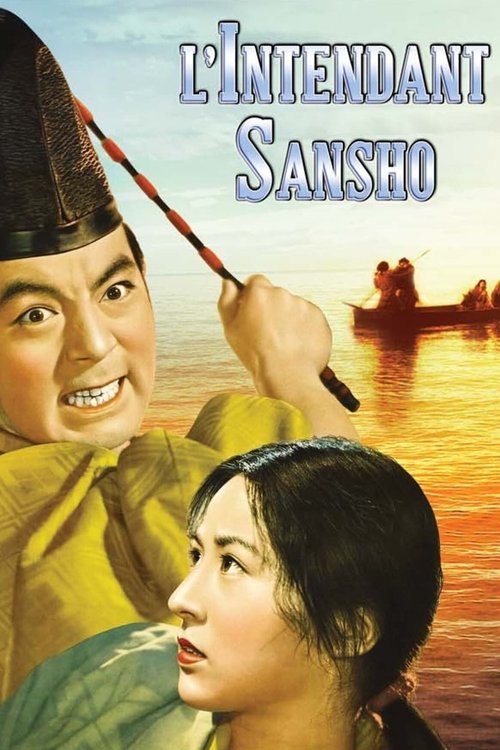
Le Japon du XIe siècle. Un gouverneur de province est exilé pour avoir défendu les paysans contre les autorités féodales. Quelques années plus tard, sa femme Tamaki, sa fille Anju et son fils Zushio sont kidnappés en cherchant à le rejoindre. Tamaki est déportée sur une île, alors que les enfants sont jetés dans un camp d'esclaves commandé par l’impitoyable intendant Sansho. Dix ans plus tard, Zushio, amer, a oublié les idéaux de compassion de son père mais Anju l’exhorte à ne pas devenir comme Sansho. Anju apprend alors que leur mère pourrait être vivante, et elle prépare un plan d’évasion pour Zushio…
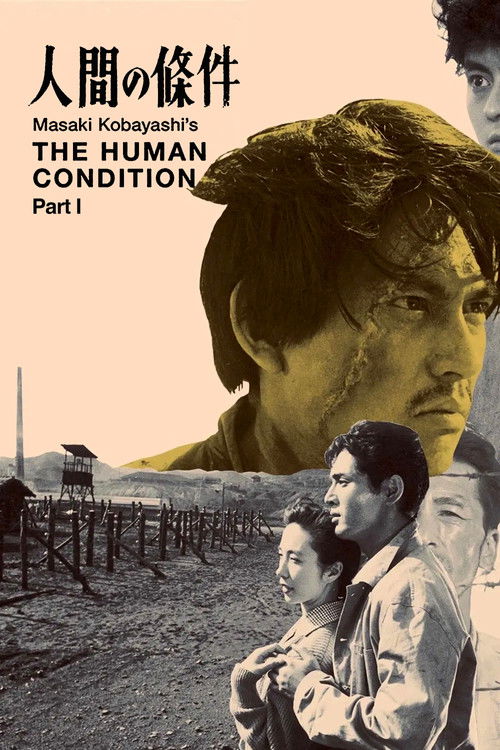
Partie 1 : Il n’y a pas de plus grand amour — 1943. Kaji (Tatsuya Nakadai) travaille pour une compagnie qui exploite des gisements de minerai. Il est envoyé à Lo Hu liang, dans le sud de la Mandchourie (état du Mandchoukouo), pour s’occuper des ouvriers chinois travaillant dans les mines de fer, qui sont bientôt rejoints par des hordes de prisonniers. Horrifié par les conditions inhumaines de travail, il tente de se battre pour améliorer leur sort mais rencontre l’hostilité de ses collègues et de sa hiérarchie. Alors qu’il s’oppose à l’exécution d’un prisonnier, Kaji est arrêté par la police, séparé de sa femme Michiko, torturé et mobilisé dans l’armée japonaise.
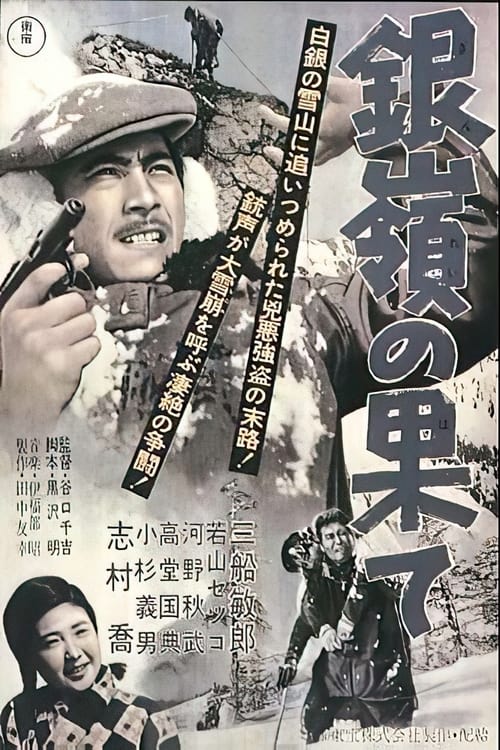
Trois escrocs volent une banque et s'enfuient à travers les Alpes japonaises. La police les a suivi dans les montagnes avec la conviction que les criminels sont dans une impasse. Les trois criminels tentent de s'échapper à travers les montagnes, dont la complexité nécessite les compétences d'un alpiniste expérimenté.
Aucune description disponible.
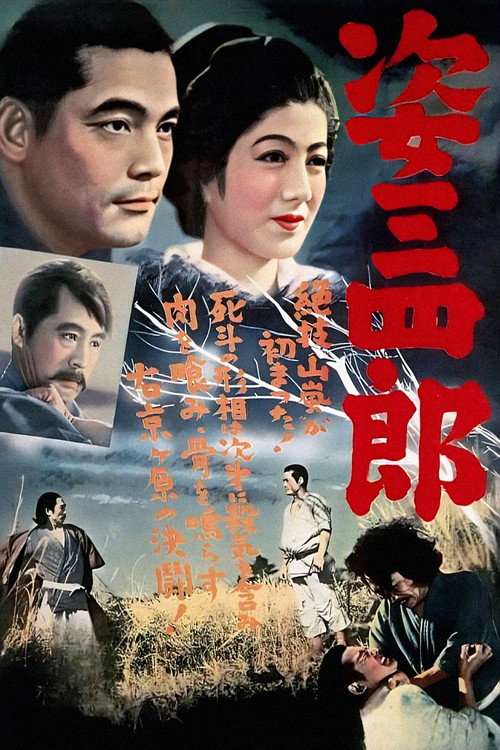
Tokyo, fin du XIXe siècle. Cinq ans ont passé depuis les premières aventures de Sanshiro Sugata. Le vaillant judoka perfectionne son art du judo au près de Yano, son maître vénéré. Il est toujours autant épris de Sayo, la fille de l'un de ses anciens adversaires. Mais c'est un autre vieil ennemi qui lui cause plus de soucis. Les deux frères de Gennosuke Hikagi ne rêvent que de vengeance et menacent dangereusement Sanshiro. Ce dernier devra d'abord vaincre un boxeur venu d'Amérique avant de relever l'ultime défi lancé par les deux frères : un combat pieds nus au sommet d'une montagne enneigée.
Dans une maison close de Shinagawa où se retrouvent marchands, artisans et samouraïs, un jeune conteur de rakugo qui ne peut pas régler ses dettes est pris en otage par le patron des lieux.
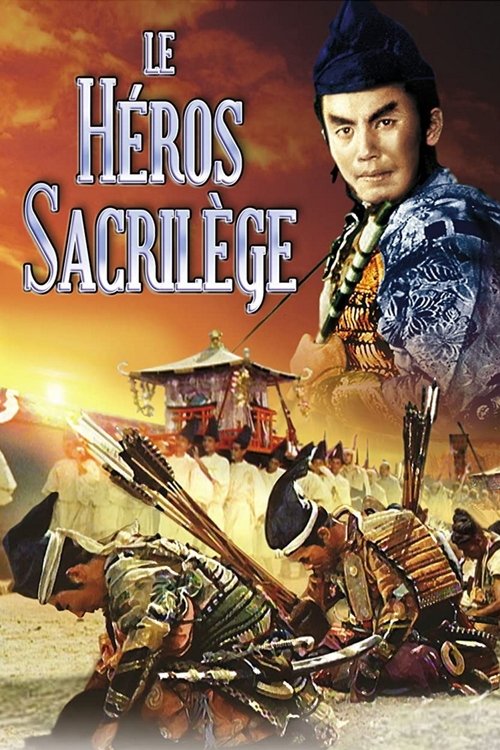
Japon, 1137. La famille Taira, un clan de samouraïs, est impliquée dans les disputes entre l'empereur Toba et les moines du mont Hiei.
Une femme est forcée de se prostituer par son copain, un yakuza.
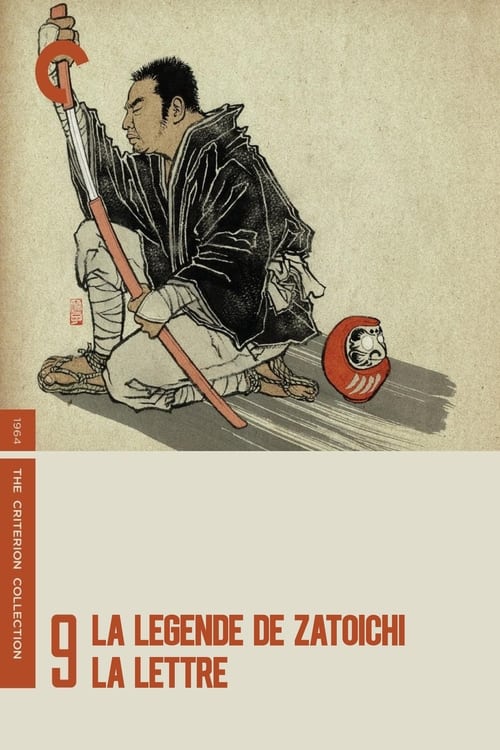
Sur son éternelle route, Ichi est chargé par un mystérieux homme de remettre une lettre à une jeune femme. Arrivé à sa destination, une ville tenue par le corrompu Jinbei, il apprend que son commanditaire n'était autre qu'un assassin en fuite, cherchant à recontacter sa sœur. Ordonné par Jinbei, il a tué un homme avant d'être trahi et exilé sur une île. Ayant juré vengeance, Zatoichi aura une nouvelle fois fort à faire pour sauver la vie de l'homme, s'occuper de l'enlèvement de sa colocatrice, croiser les fantômes de sa jeunesse et rétablir la justice.
En 1882, Sanshiro Sugata débarque dans un port japonais pour apprendre le jiu-jitsu auprès du maître Momma. Mais c'est finalement le judo, par l'intermédiaire d'un autre grand maître, qu'il choisira. Entre les deux écoles, l'affrontement sera sévère.
Kyoto, 1933. Alors qu’un régime militaire est instauré au Japon, le professeur d’université Yagihara est démis de ses fonctions car jugé trop démocrate par ses pairs. Il est soutenu par un petit groupe d’étudiants progressistes auquel appartiennent Noge et Itokawa. Yukie, la fille du professeur, tombe amoureuse du fougueux Noge qui se lance bientôt corps et âme dans la lutte contre le régime. La jeune fille décide de suivre son grand amour quoiqu’il advienne…