Denjirō Ōkōchi
Acting
Biography
From Wikipedia, the free encyclopedia. Denjirō Ōkōchi (5 February 1898 – 18 July 1962) was a Japanese film actor most famous for starring roles in jidaigeki directed by such masters as Akira Kurosawa, Daisuke Itō, Sadao Yamanaka, Teinosuke Kinugasa, Hiroshi Inagaki and Masahiro Makino. His real name was Masuo Ōbe. Training in Shinkokugeki under Shōjirō Sawada, Ōkōchi entered Nikkatsu in 1925 and soon came to fame in chanbara films playing characters such as Chūji Kunisada and Sazen Tange. At his peak, he was one of the top jidaigeki stars alongside Tsumasaburō Bandō and Chiezō Kataoka. During World War II, he also appeared in a number of war films. His house and garden in Arashiyama, Kyoto, called Ōkōchi Sansō, are still preserved and open to the public. Description above from the Wikipedia article Denjirō Ōkōchi, licensed under CC-BY-SA, full list of contributors on Wikipedia.
Known For

After her anti-fascist professor father is dismissed, Yukie navigates love, political repression, and wartime upheaval—ultimately forging her own path in pre- and post-WWII Japan.
No Regrets for Our Youth

A hotheaded youth in 1880s Meiji Japan apprentices to judo master Shōgorō Yano, trading brute jujutsu bravado for discipline and humility. As Sanshirō matures, he proves judo’s spirit against old-guard challengers—including a deadly duel—while falling for his vanquished opponent’s daughter. Based on the novel by Tsuneo Tomita, son of Tomita Tsunejirō, the earliest disciple of judo.
Sanshiro Sugata

A fugitive lord and his six retainers disguise themselves as monks to bluff their way through a hostile checkpoint.
The Men Who Tread on the Tiger's Tail

A few years after his breakthrough, Sanshiro resumes his path to judo mastery—testing his discipline against an American prizefighter and later facing vengeful karate brothers. As rival schools and public spectacle push him toward violence, he must reconcile strength with restraint and the true spirit of his art.
Sanshiro Sugata, Part Two

In the Tokugawa Era, the clan of Lord Yagyu has hidden away three scrolls containing clan secrets which, if revealed, would cause revolution and disaster for the clan. The information is divided among the three scrolls, all of which must be possessed for the secrets to be understood. When Princess Yuhime steals the scrolls, Tasaburo, a samurai with magical powers, and his brother Senshiro are sent to retrieve them.
Yagyu Secret Scrolls

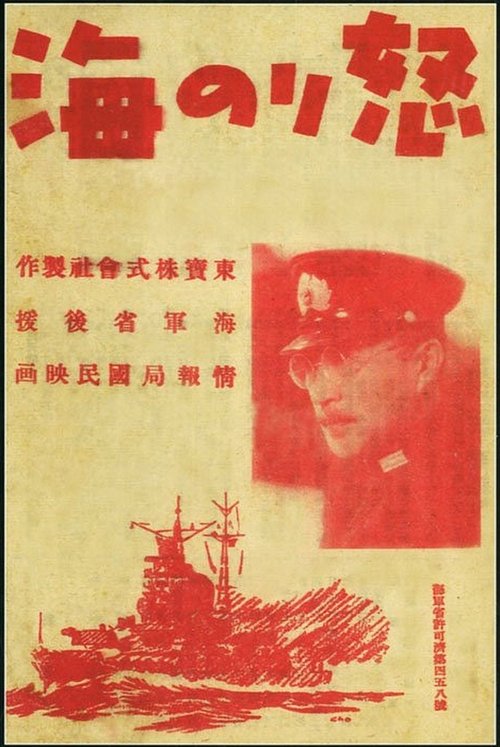
Admiral Isoroku Yamamoto, a brilliant tactician, is a loyal subject of the emperor, despite his grave misgivings about leading Japan's navy into war with the United States. He opposes the attack on Pearl Harbor, but, overruled, he leads his forces to the best of his ability.
The Eagle of the Pacific

While on the road, famed Yakuza Boss Jirocho is falsely accused of starting a peasant's uprising and chased by the law. Meanwhile, one of his henchmen in an attempt to raise money for the Boss gambles away not only all their funds, but their clothing as well. Jirocho, famed for his honesty and integrity must take on the challenge of rival gangs while trying to elude the government's officials at the same time. Things really heat up when the most famous of all Yakuza Bosses, Chuji of Kunisada gets involved. Will he team up with his old friend or is gang warfare about to erupt?
Road of Chivalry

Genji, the illegitimate offspring of a Japanese potentate, goes by the philosophy of "love 'em and leave 'em" as a matter of course. Only when his heart is broken by Awaji does Genji realizes how much pain he himself has caused.
The Tale of Genji

Jidai-geki by Kiyoshi Saeki
Forty-Eight Man

The legendary one-eyed one-armed swordsman Tange Sazen is back to aid a Magistrate in his efforts to steal bribe money on its way to Edo for the benefit to poor farmers.
Return of the One-Armed Swordsman

In the Tokugawa Era, the clan of Lord Yagyu has hidden away three scrolls containing clan secrets which, if revealed, would cause revolution and disaster for the clan. The information is divided among the three scrolls, all of which must be possessed for the secrets to be understood. When Princess Yuhime steals the scrolls, Tasaburo, a samurai with magical powers, and his brother Senshiro are sent to retrieve them. In Part II, the search for the scrolls continues.
Yagyu Secret Scrolls: Ninjitsu - Part II

A spectacular comedy with a star-studded cast that depicts unusual trials and unexpected verdicts regarding the five deadly sins: the crime of beauty, the crime of a terrifying wife, the crime of taking the wrong course, the crime of seducing, and the crime of killing with laughter.
Nonki saiban

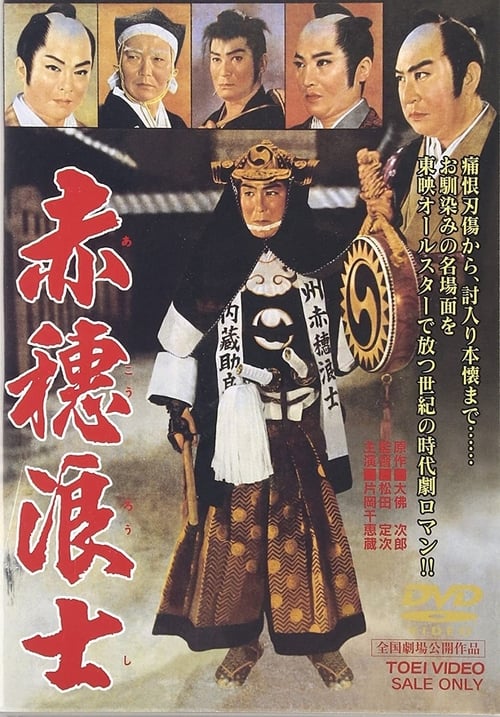
Toei’s 10th anniversary film, featuring an all-star cast from the golden movie era of the 1960s. A famous story of the 47 loyal samurai. When Lord Asano is unjustly executed, his loyal retainers strike back for revenge.
The Ako Retainers

Story of a Beloved Wife is an autobiographical work based on Shindo's first marriage. Jūkichi Uno stars as a struggling screenwriter, and Nobuko Otowa stars as the wife who supports him through his early struggles.
Story of a Beloved Wife

Young Lord Taihei goes to Edo to find the lost family treasure, a plover incense burner, under the disguise of a ronin.
Young Lord Yakuza

One of the great stories from Japan’s rich history comes to life in this true tale of the bloody showdown between two rival yakuza gangs in the 1840’s. The battle between Boss Sukegoro of Iioka and Boss Shigezo of Sasagawa has been portrayed many times, most notably in the first Zatoichi film, where the blind man befriends the tubercular ronin Hirate Miki, before cutting him down in one of the great duels in cinema history. This all-star extravaganza pulls out all the stops, with appearances by virtually all of the great actors and actresses from Toei’s studio at the time. Ichikawa Utaemon’s portrayal of the kind-hearted, noble yakuza boss Shigezo of Sasagawa contrasts sharply with the devious Sukegoro of Iioka. Corrupt as he may have been, his men were all willing to give up their lives for him.
A Spectacular Showdown

With plenty of action, and a strong story about the growth and development of an expert swordsman, who just happens to be from an extremely privileged background.
20 Duels of Young Shingo, Part 1

A biographical movie about Shinran
Shinran

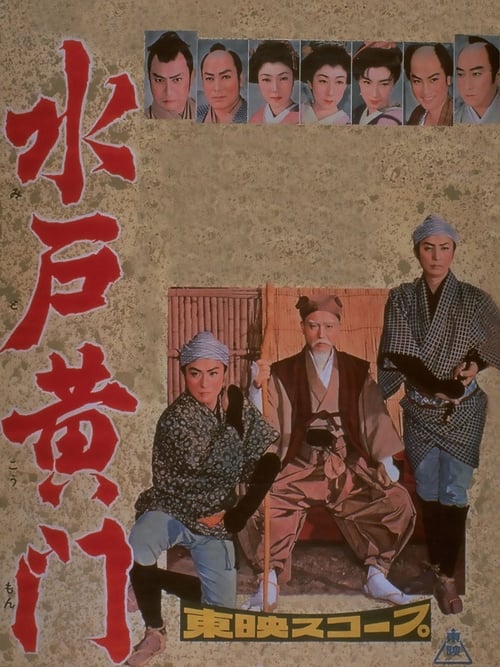
After settling the matter of shogunal succession, the retired Old Lord of Mito finds himself in a sea of trouble when he gets involved in the succession of the Takamatsu clan. The usurpers try by every means to effect their takeover, even if it leads to blood being spilled. Along with Kaku and Suke, the elder must face the most dangerous time of his life, in a battle against those corrupt individuals who would use any means to further their dastardly conspiracy, regardless of how many lives might be destroyed. The great Misora Hibari gives a bravura performance, as does the rest of this all-star cast. This is another outstanding effort on the part of the Toei Films, blending fact and fiction to bright back Japan’s golden era of the Genroku period.
Lord Mito 2: The Nation's Vice Shogun

The epic battles between the Heike and Genji (Taira and Minamoto clans) take centerstage as the defeated leader of the Genji, Minamoto Yoritomo resolves to end his clan's exile and avenge the brutal loss in December, 1159 as they had fought under the white banner of the Emperor, while the Taira fought under their red flags in a battle to the death. The fight only took one day, with the Genji suffering utter defeat which led to their exile. His father, Yoshitomo, took responsibility for the loss and rather than live in humiliation, he decides to commit suicide with all his sons following him. However, the bravest warrior among them, Yoritomo stands tall and declares that he will not kill himself, but rather will fight to restore the clan.