FEEL IT.STREAM
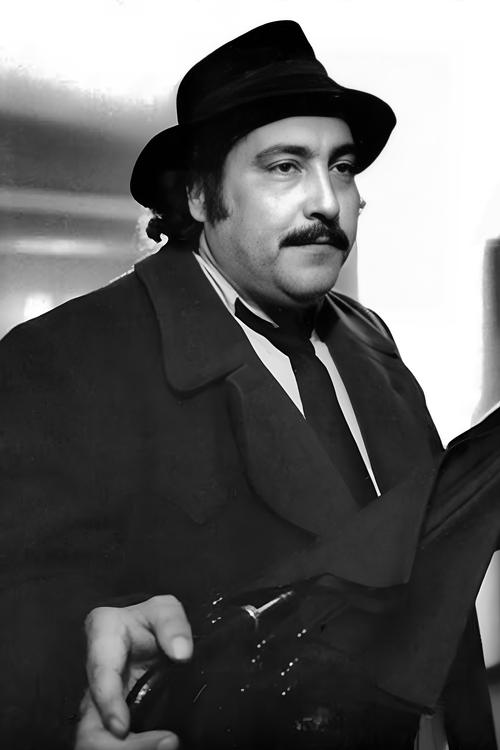
Mohamed Bouamari

Mohamed Bouamari

Directing

Biography

Born in Guidjel, near Sétif in Algeria in 1941, Mohamed Bouamari (محمد بوعمري) is an Algerian actor and director. Self-taught, in 1961 he received a scholarship from the UNEF to study film set careers in France. Returning to Algiers in 1965, he became an assistant to the filmmaker Mohamed Lakhdar-Hamina on "Le Vent des Aurès" in 1966, then to Costa Gavras on "Z" in 1969 and to Jean-Louis Bertucelli on "Remparts d'Argile" in 1969). Bouamari made his first feature film as director in 1972, with "Le Charbonnier", a film which was selected in several international festivals, including La Semaine de la Critique in Cannes, and which attracted attention. In the wake of this first work which ranks him among the progressive filmmakers bringing to the screen the effects of the Algerian agrarian revolution, he then directed "L'Héritage" (1974), and continued the vein that would remain his own, that of a committed filmmaker, in search of a revolutionary national aesthetic, whose favorite themes are the war of independence, the denunciation of contemporary feudalism and the cause of the condition of Algerian women and his own wife, Fettouma Ousliha, will play the heroine of his films. The rest of his work, from “Premier Pas” (1974) to “Refus” (1982), will bear witness to these commitments. Mohamed Bouamari last appeared on screen in 2005, in Djamila Sahraoui's film, "Barakat". He died of a heart attack on Friday December 1, 2006 in Algiers, at the age of 65 while he was finishing his fiction film "The Sheep".
Known For

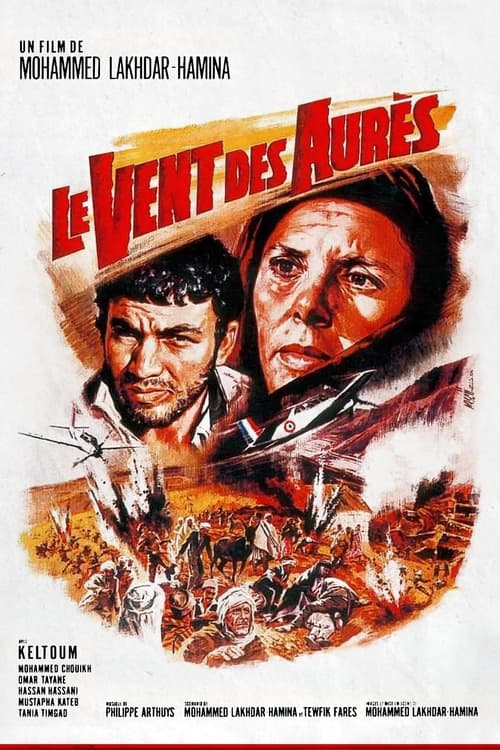
The Winds of the Aures
6.8

The transformations of the daily life of the Algerian people during the destructive French occupation, then during the war of liberation. While military repression is in full swing, a peasant woman finds herself alone in her mountain home when her only son is kidnapped by French soldiers shortly after her husband's death during a raid. One day, seeing a dead chicken, which she considers a bad omen, she decides to leave home and embarks on a painful journey through the mountains. Accompanied by a couple of chickens, she moves from one detention camp to another in a desperate search for her missing son. The film is inspired by the events experienced by the director's family.

The Winds of the Aures

1967
The Panafrican Festival in Algiers
6.0

Festival panafricain d'Alger is a documentary by William Klein of the music and dance festival held 40 years ago in the streets and in venues all across Algiers. Klein follows the preparations, the rehearsals, the concerts… He blends images of interviews made to writers and advocates of the freedom movements with stock images, thus allowing him to touch on such matters as colonialism, neocolonialism, colonial exploitation, the struggles and battles of the revolutionary movements for Independence.

The Panafrican Festival in Algiers

1969
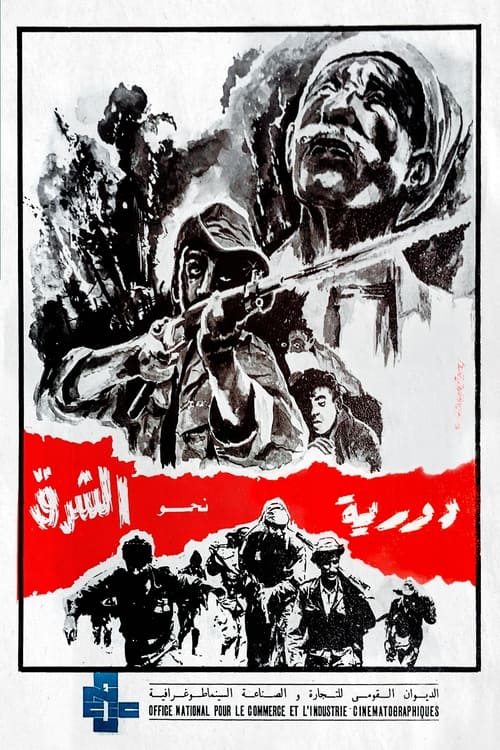
Patrol in the East
8.0

The film traces the story of a patrol of the Algerian National Liberation Army (ALN), whose mission is to transport a prisoner French soldier to the Tunisian border. Through the march of this group of guerrillas we witness the spirit of sacrifice and combativeness of these men from the people. The patrol will be decimated, but a young peasant will take over and complete the mission.

Patrol in the East

1971
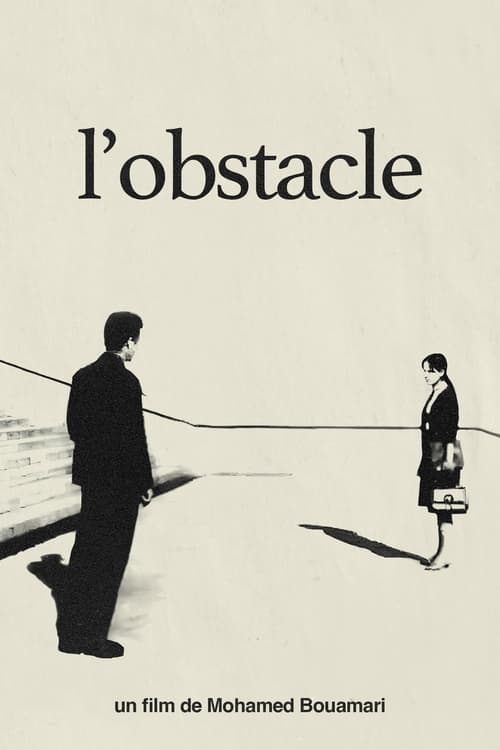
L'Obstacle
10.0

Algerian youth of the 1960s, straddling traditional South Mediterranean and Western culture and the desire for emancipation of younger generations to find true love.

L'Obstacle

1965
Le Passeur immobile
N/A

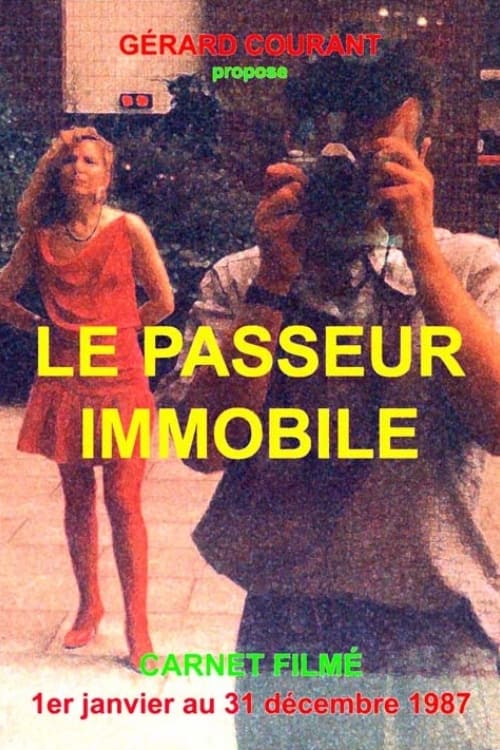
Le Passeur immobile, which covers the year 1987, is a Booklet filmed stuck between The Days and the Nights (1986) and The Artifice and the Fake (1988). These Notebooks have been punctuating my activity as a filmmaker for about fifteen years. They are like a life parallel to my other films and film series (Cinema, Group Portrait, Read, etc.). They are also like a letter to the spectators.

Le Passeur immobile

2021
The Citadel
4.9

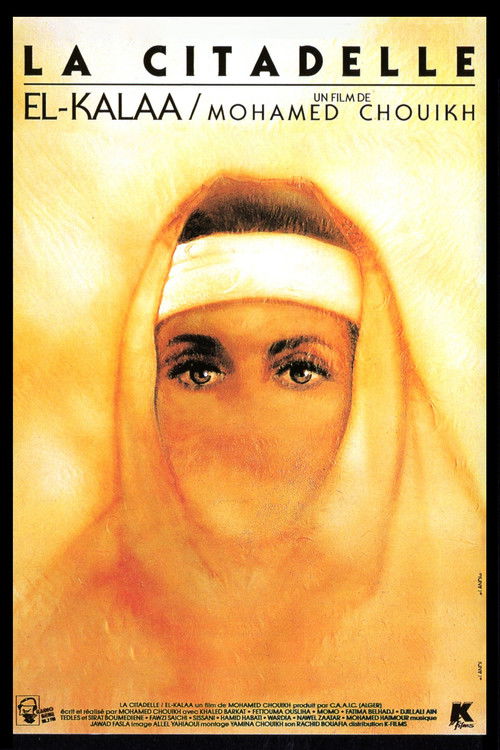
El Kalaa, a village in southern Oran. Although already married, old Sidi planned to marry another. He sets his sights on the beautiful Aïssa, with whom Kaddour, his adopted son, is in love. The old man decides to play a trick on Kaddour to teach him never to covet a woman that an elder wants to marry...

The Citadel

1988
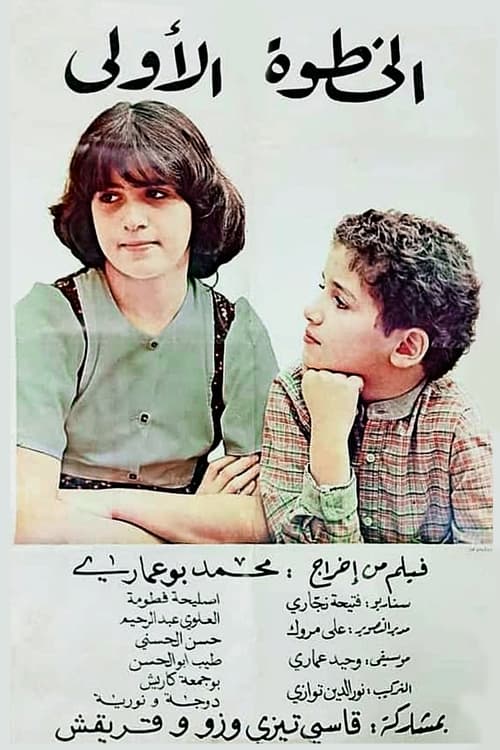
First Step
9.5

A modern couple seeks to find marital happiness in a context where Algerian society is taking the “first step” towards female emancipation. A woman becomes president of a popular municipal assembly. Will she find happiness ?

First Step

1980
Ramparts of Clay
7.1

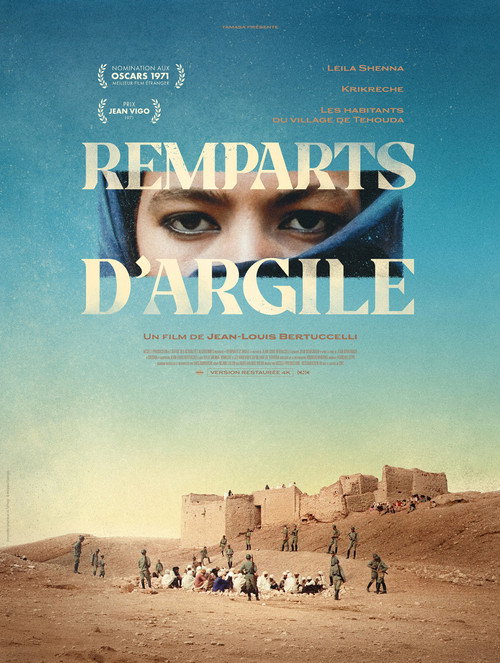
In a village on the edge of the Sahara, Rima, a 19-year-old orphan, dreams of learning, of discovering, of living free while the men of the salt mine go on strike. The authorities react by sending the army, Rima decides to help the strikers by trapping the soldiers. Co-produced with the Office des Actualités Algériens and shot in the region of Téhouda, 50 kilometers from Biskra, this Franco-Algerian film is fully part of the cinematographic heritage of both shores of the Mediterranean. Bertuccelli adopts the technique of cinema verite, with non-professional actors from the village itself, giving the film a striking documentary texture and a rare force of authenticity. Carried by the moving interpretation of Leila Shenna in the role of Rima, the actor Krikèche and lulled by the music of Taos Amrouche, the film questions female emancipation, social resistance and the relationship with the territory.

Ramparts of Clay

1970
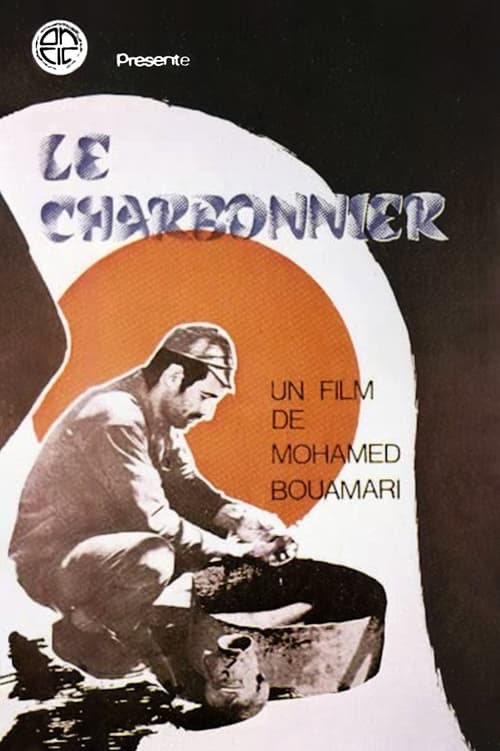
The Charcoal Maker
9.5

Film describes the miserable existence of a charcoal-burner who is barely able to feed his family. His search for work in town ends in failure and he is forced to return to his village.

The Charcoal Maker

1973
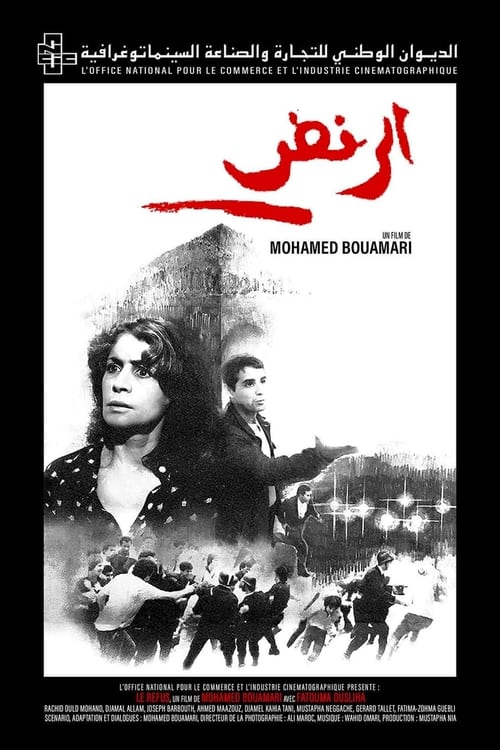
The Refusal
10.0

In 1971, the Algerian government nationalized hydrocarbons. The consequences of this decision on the community of Algerians in France are numerous. The Galti family is prey to these economic problems. The father, Khaled, former member of the F.L.N. in France, does not escape the sentence. Sharazade, his wife and comrade in combat, finds herself torn between her role as wife, mother and nostalgia for a country and a bygone past. As for his son Karim, a victim of socio-cultural division, all he has left is refusal.

The Refusal

1982
The Inheritance
9.0

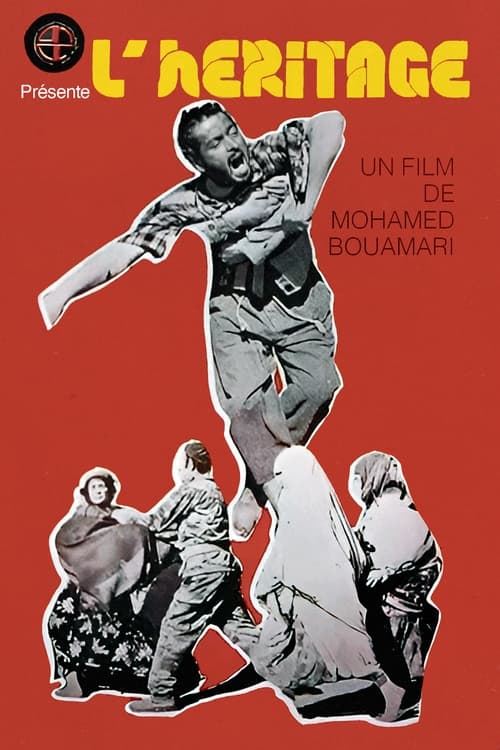
A harrowing picture of the heritage of colonialism, focusing on a man driven mad by torture but saved by his wife, who restores his sanity and leads the progressive forces to rebuild the village.

The Inheritance

1975
The Empire of Dreams
10.0

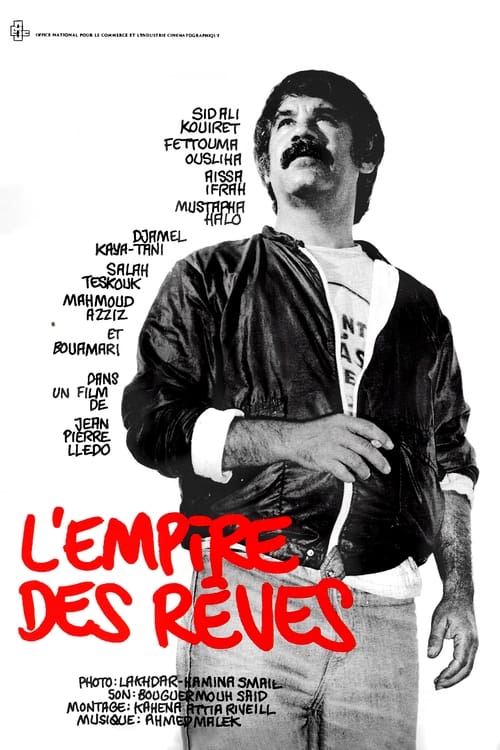
A stubborn director who wants to rediscover the Algiers of his childhood comes up against the “Hollywood” fantasies of his characters, non-professionals all hoping to be able to become “someone else”, at least for the duration of a film… Mise en abyme for a journey into megalomania…

The Empire of Dreams

1982
No image
N/A

Reel 13 of Gérard Courant's on-going Cinematon series.

Cinématon XIII

1981