Directing
Senator Merlin's battle for the abolition of houses of ill repute, told by the prostitute Maddalena through a letter. A story of redemption and female self-determination, in a historical context reconstructed with skill and accuracy.
Fiore, an Italian conman, arrives in post Communist Albania with Gino, his young apprentice, to set up a shoe factory that will never open. The con requires a native Albanian, so they designate Spiro, an impoverished and confused former political prisoner as chairman of the board. When Fiore returns to Italy to get government funds for the project, Spiro unexpectedly disappears and Gino sets out on a journey to find him. The search leads him to discover Spiro's tragic personal history and witness Albanian poverty firsthand.
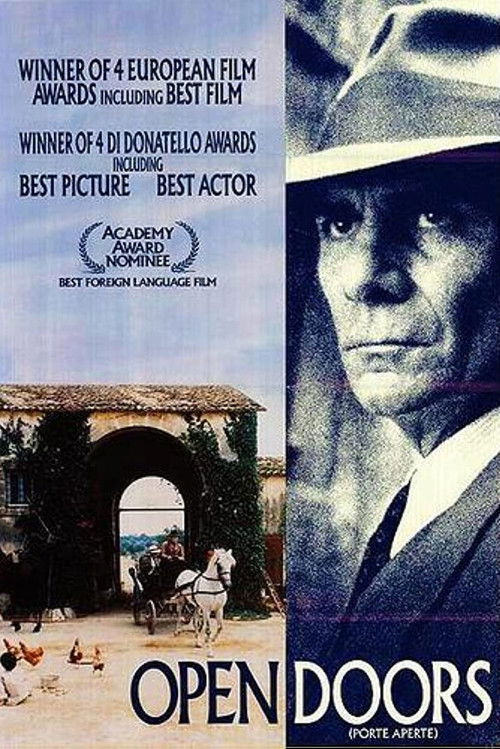
Tommaso Scalia is a man who commits three murders: he kills his superior who sacked him, the man who replaced him and his wife. He wants a quick trial and an early execution, but an earnest, principled assistant judge looks for a way to save the murderer from being shot, because he does not belive in capital punishment.
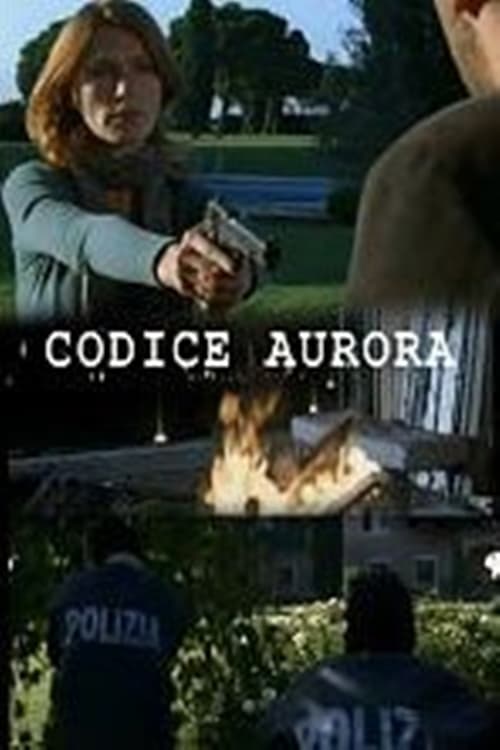
A fire destroys a Romani camp, and a police informant is murdered. This marks the start of the investigation led by District Attorney Margherita Borboni.
No description available.
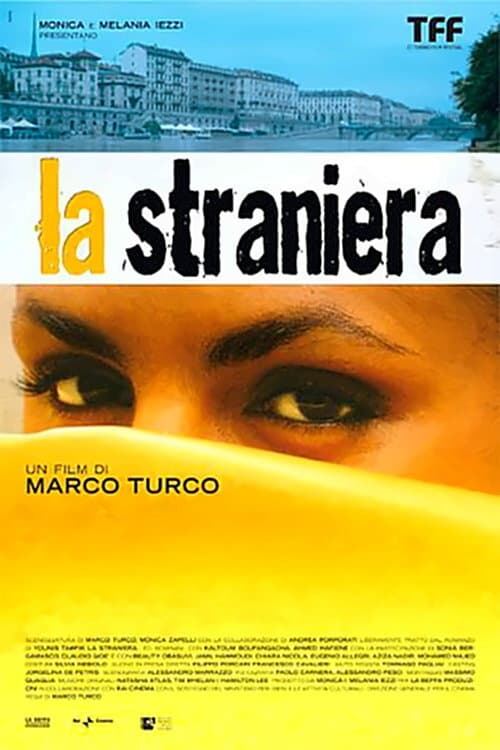
Antonio, a policeman (carabiniere), has an order to take two children (Rosetta and her brother Luciano) from Milan to Sicily to an orphanage. Their mother has been arrested for forcing Rosetta (11 years old) to work as a prostitute. First the relation between Antonio and the children is tough, but it relaxes so they become temporary friends.
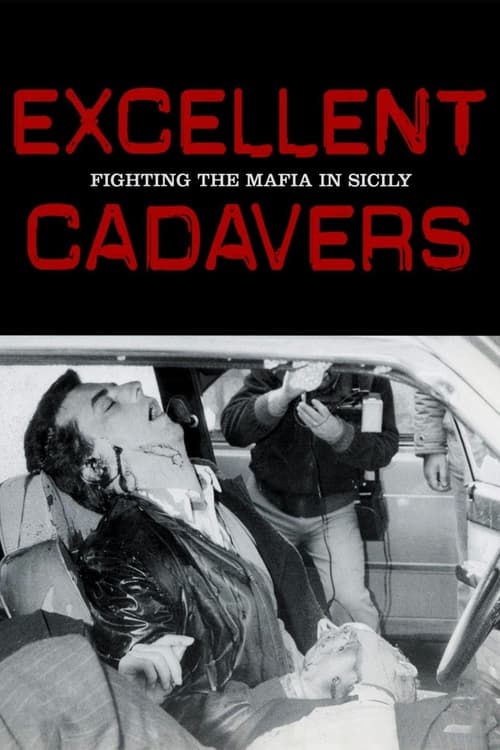
In the late-80s and early-90s, two prosecutors went after the mob in Sicily. Archival footage, gruesome photographs and new interviews are shown.
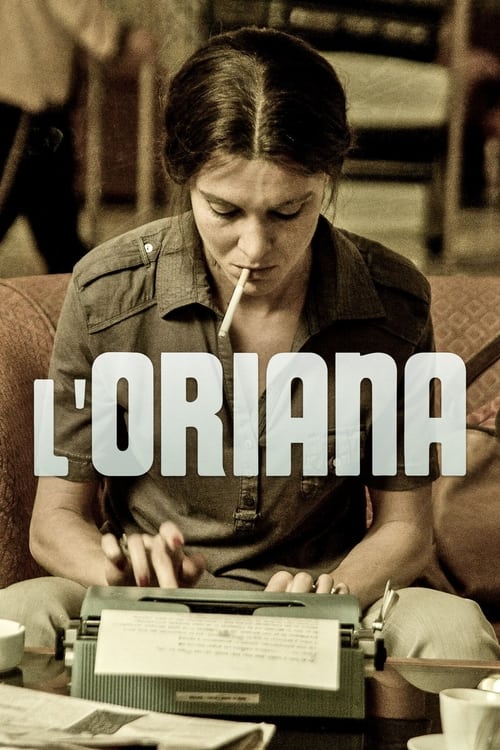
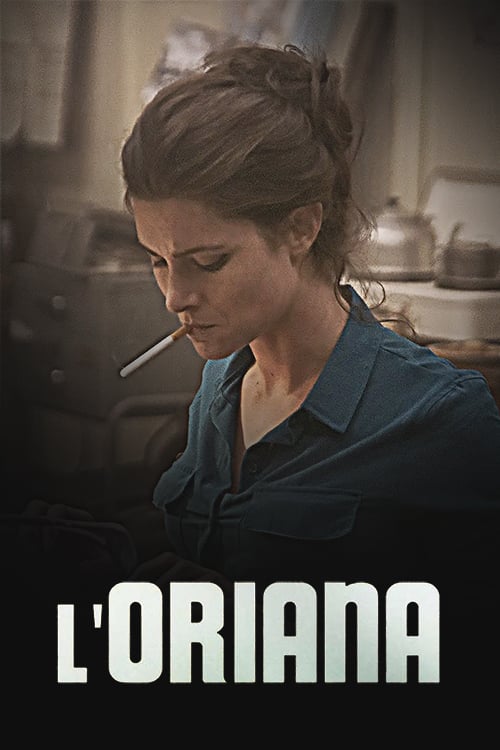
The life of Italian journalist and writer Oriana Fallaci.
In the 1970s, Italy was flooded with heroin. Carlo Rivolta, one of the most attentive journalists of his generation, is among the first to talk about the phenomenon from the columns of a new newspaper, "Repubblica".
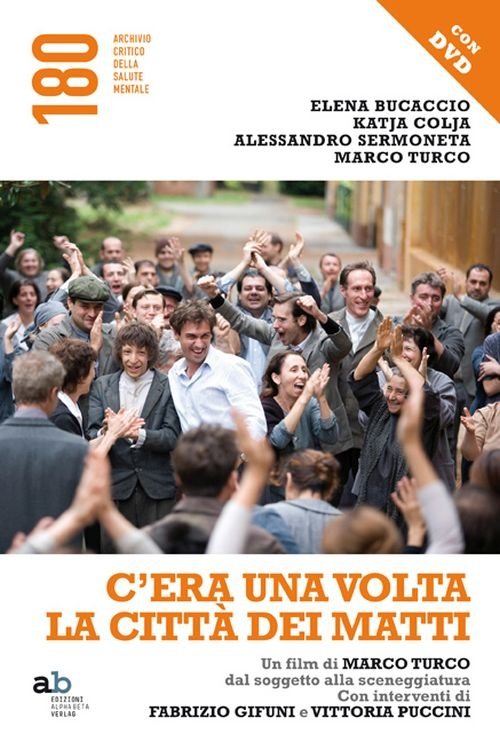
A biopic of Franco Basaglia, the Italian psychiatrist.
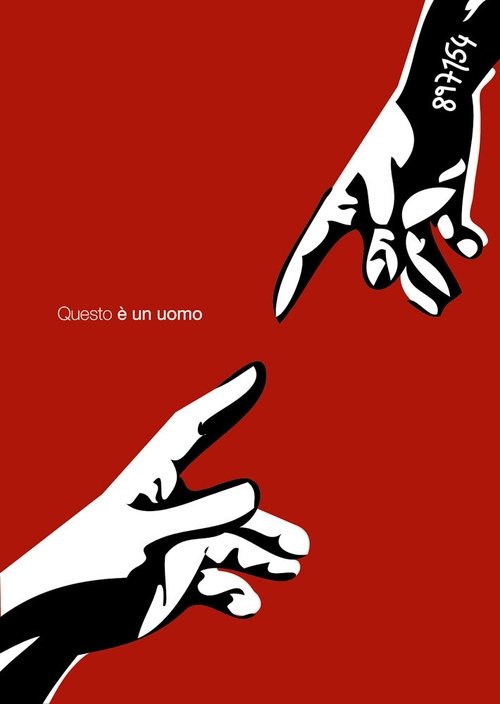
1986. Following an accident during a mountain hike, Primo Levi is rescued by a man who is unaware of his history and does not even understand the meaning of the number tattooed on his arm. Faced with this situation, Levi feels the need, once again in his life, to recount his story and, with it, the tragedy of the Holocaust.