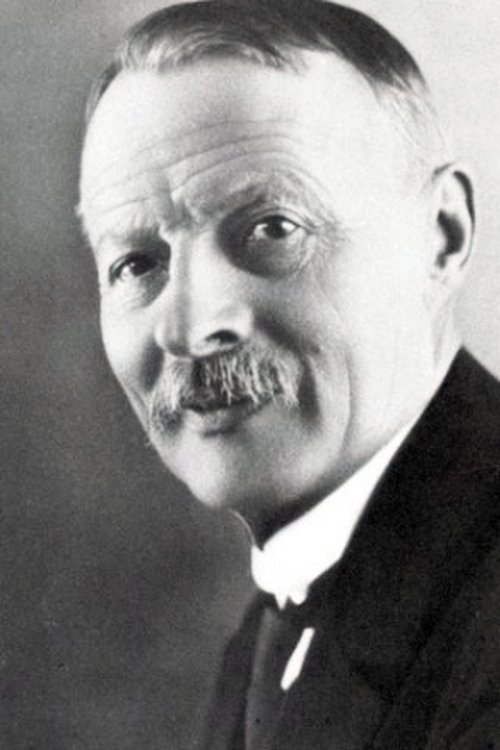
Charles Pathé
Production
Biography
Charles Morand Pathé (26 December 1863 – 25 December 1957) was a pioneer of the French film and recording industries. As the founder of Pathé Frères, its roots lie in 1896 Paris, France, when Pathé and his brothers pioneered the development of the moving image. Pathé adopted the national emblem of France, the cockerel, as the trademark for his company. After the company, now called Compagnie Générale des Éstablissements Pathé Frères Phonographes & Cinématographes, invented the cinema newsreel with Pathé-Journal. The son of a butcher shop owner, Charles Morand Pathé was born at Chevry-Cossigny, in the Seine-et-Marne département of France. His father, Jacques Pathé and mother, Thérèse-Émélie Kech were butchers by trade, and ran a delicatessen first in Chevry-Cossigny, and later in Vincennes. Charles had three brothers and two sisters. Pathé left school at 14 to work as an apprentice butcher, at rue de Charenton, Paris. After military service, in 1889, at 25, he began working as a meat merchant but soon took his savings, and with the help of his brothers and his sister, embarked for Buenos Aires, Argentina, with the aim of setting up in business. Pathé tried to establish himself in various trades including a laundry service based on industrial washing machines that turned out to be unsuccessful. His life was unsettled and Pathé was forced to change jobs frequently. After a final failure of trying to deal in exotic parrots, when he and his business partner were stricken with yellow fever, Pathé returned to France in poor health. At age 30, Pathé married lle Foy in Paris, and worked as a clerk, drawing a meager salary. Back in Vincennes, in August 1894, Pathé saw the phonograph invented by Thomas Edison, demonstrated at the town fair. He immediately embraced the sound recording technology, purchasing examples of Edison machines to resell. In 1896, with his brothers Émile, Théophile and Jacques, Pathé founded Société Pathé Frères (Pathé Brothers) in Paris, a company that manufactured and sold phonographs and phonograph cylinders, with Émile Pathé at his head. While in London, Pathé saw the Edison Kinetoscope and decided to expand the Pathé company's business to distributing cinema projection equipment, and with the acquisition of Eastman Kodak patent rights in Europe, a licence for film stock in theatres throughout France. Pathé films were rented out, for a maximum of four months, a more lucrative business than selling the product. A modest first factory had been installed in 1896 at Vincennes. The first films of the Société Pathé Frères such as Le Passage à niveau à Joinville le Pont and L'Arrivée d'un train en gare de Bel-Air were produced, under Pathé's guidance. For several years, however, the success of the phonograph business underwrote the success of the cinema company. ... Source: Article "Charles Pathé" from Wikipedia in English, licensed under CC-BY-SA 3.0.
Known For
Produced for television by Claude-Jean Philippe, the « Encyclopédie audiovisuelle du cinéma », recounts the history of French cinema from its birth to the beginning of the 1960s. With commentary read by Jean Rochefort.
Encyclopédie audiovisuelle du cinéma
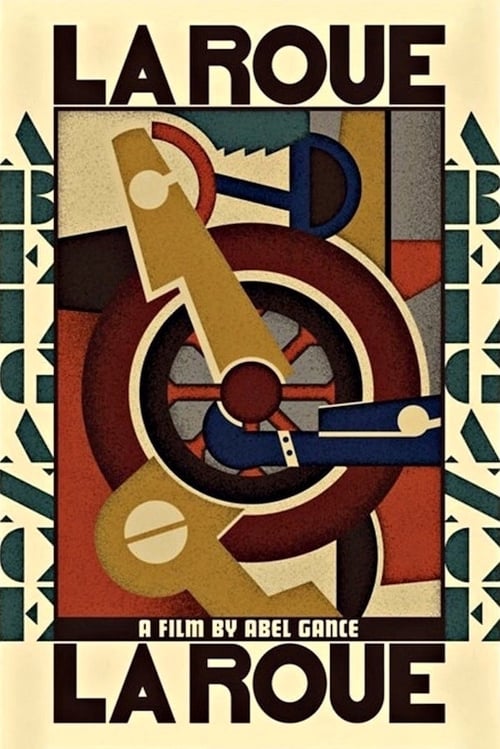
Sisif, a railwayman, saves a young girl named Norma orphaned by a train crash and raises her as his own daughter alongside his son, Elie. As she becomes an adult, Sisif grapples with whether to tell Norma the truth about her parentage.
La Roue
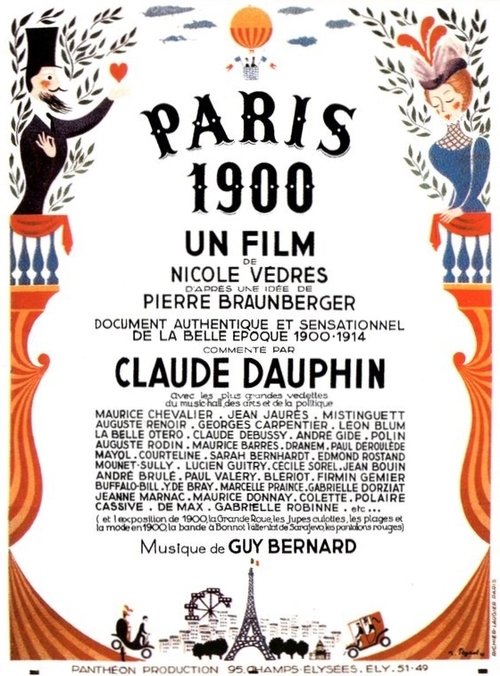
Nicole Védrès' chronicle of Paris from 1900 to 1914 is brought to life through the use of original material, all authentic, secured from more then 700 films belonging to public and private collections. A few of the celebrities of the time shown are Enrico Caruso, Sarah Bernhardt, and Maurice Chevalier.
Paris 1900
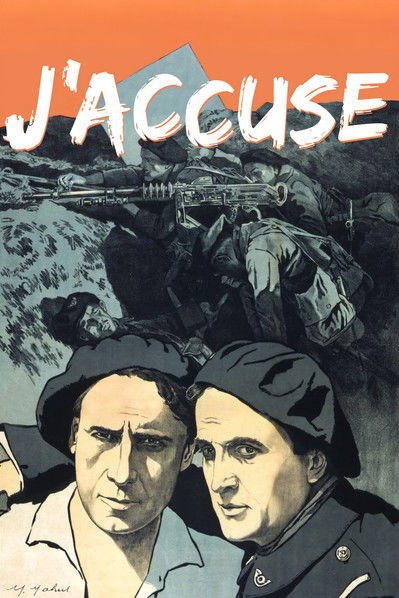
The story of two men, one married, the other the lover of the other's wife, who meet in the trenches of the First World War, and how their tale becomes a microcosm for the horrors of war.
I Accuse
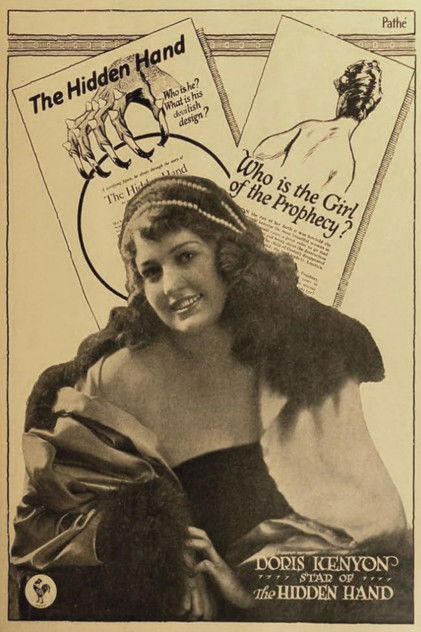
15 chapter adventure serial starring Doris Kenyon. Episode titles: 1. The Gauntlet of Death 2. Counterfeit Faces 3. The Island of Dread 4. The False Locket 5. The Air-Lock 6. The Flower of Death 7. The Fire Trap 8. Slide for Life 9. Jets of Flame 10. Cogs of Death 11. Trapped by Treachery 12. Eyes in the Wall 13. Jaws of the Tiger 14. The Unmasking 15. The Girl of the Prophecy.
The Hidden Hand
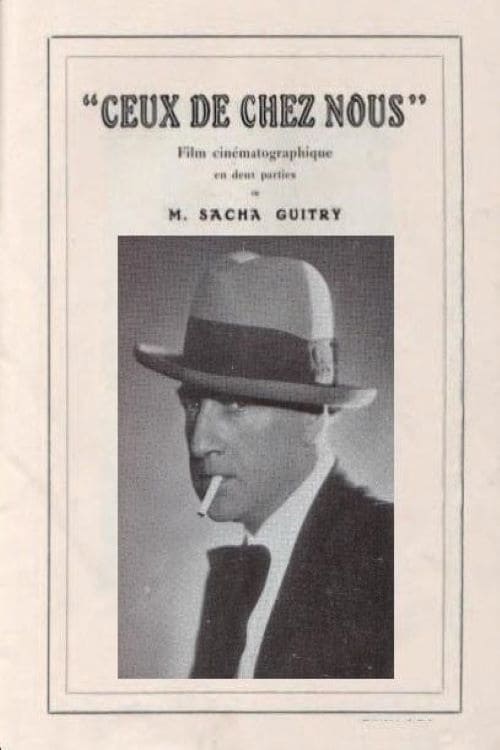
With family connections to some famous French artists, writers, and musicians of the time, Sacha Guitry decided to film the individuals in action, to celebrate the greatness of his culture, threatened by Germany in the ongoing Great War.
Those of Our Land
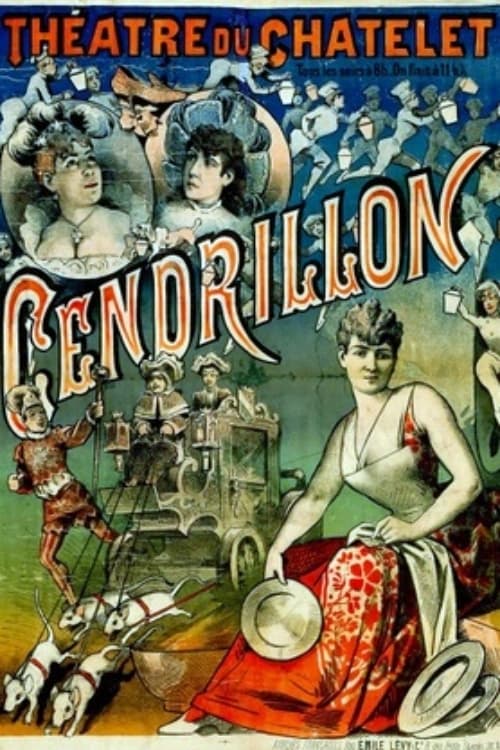
Georges Méliès's first attempt at Cinderella was in 1899. That film was extraordinary then for having multiple scenes and a semblance of a narrative; additionally, the use of dissolves as transitions in it influenced other filmmakers for years to do the same. Méliès was the cinema world's preeminent leader then. By 1912, however, that was no longer the case; frankly, as evidenced by this feature, his style had become dated. Moreover, Méliès had begun to adopt techniques from other filmmakers, such as direct cuts instead of dissolves, and there's even a match on action shot during the slipper trying-on scene.
Cinderella or The Glass Slipper
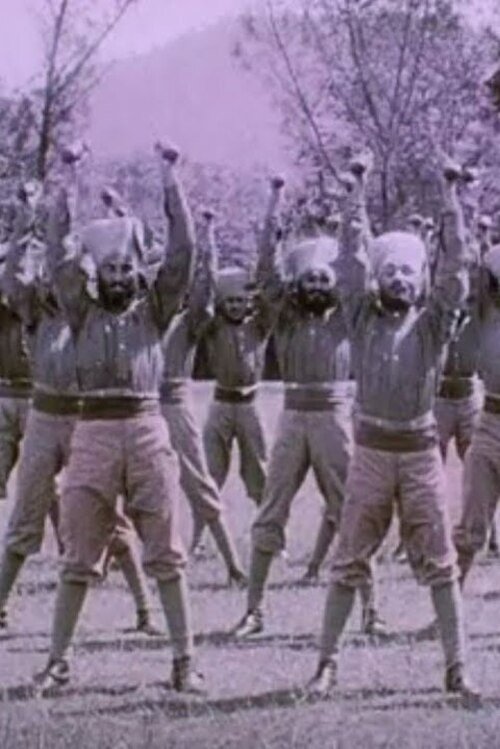
A demonstration of sport and fitness by members of the Indian Army.
Sports in the Indian Army
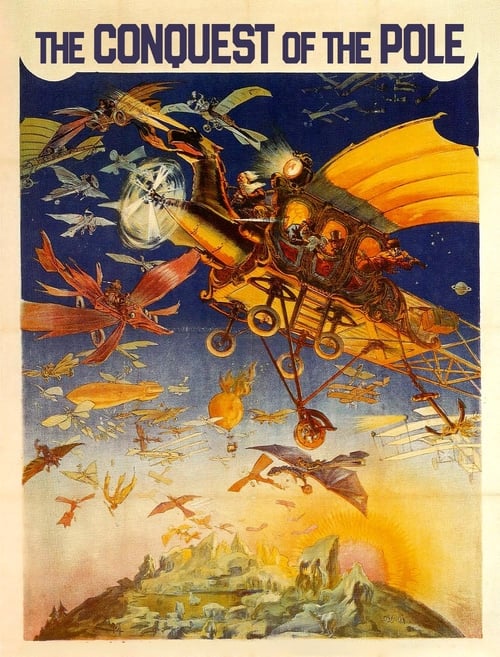
A science fantasy film that deals with an extraordinary race to the north pole by rival parties of balloonists. Based on the novel "The Adventures of Captain Hatteras" by Jules Verne.
The Conquest of the Pole
Fernand Pradier (Gabriel Signoret) is an honest merchant and a simple person at heart who tries to make her daughter Germaine (Gabrielle Robinne) happy. She is engaged to a rich banker St-Bris (René Alexandre). However, the fiance once belonged to a criminal organization and, despite his efforts of rehabilitation, one of his ancient accomplices makes their engagement impossible. Eventually imprisoned, she escapes with the help of a beautiful typist (Stacia Napierkowska)...
The King of Prison
The carrot caterpillar hides among and feeds on the leafy foliage in carrot fields. A man demonstrates how difficult it is to detect and remove them from the carrot plants. They propel themselves with their six feet and twelve suction cups. To ward off enemies, they display two horns which secrete a malodorous liquid. Before the chrysalis stage of their development, they attach themselves to a surface and two days later burst from their shell. After spending the winter as a chrysalis, they emerge as swallowtail butterflies. Once they have bathed their wings in dew and dried off, they are ready to fly. (Library of Congress)
The Carrot Caterpillar
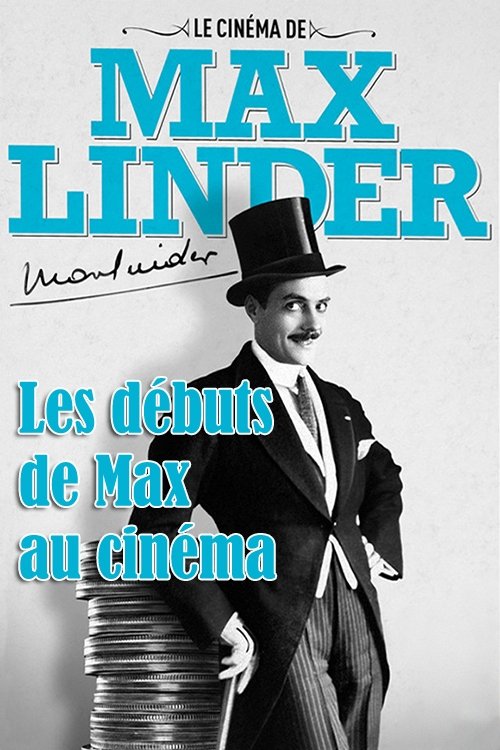
Recommended by a friend of the Ambigu Theatre, Max is summoned to Joinville studios. His first role is that of a husband who comes home late.
Max's First Job
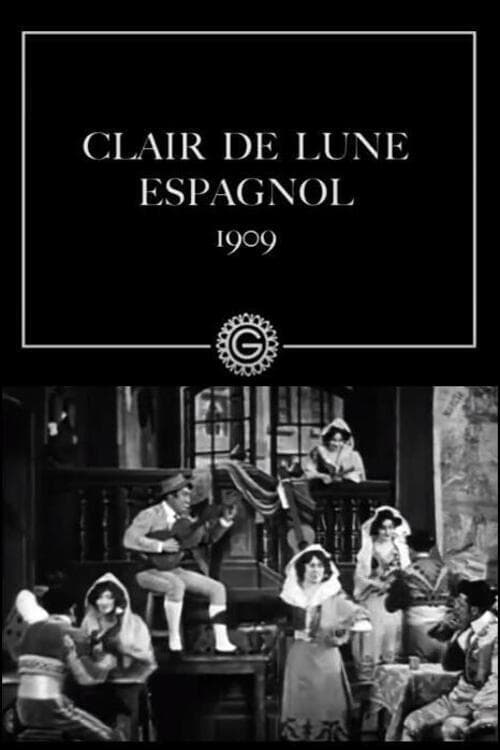
Two lovers perform a fandango dance. A jealous quarrel follows and the heart-broken swain decides to end it all. He throws himself from the window of his room, but instead of falling to his death, the anchor of a passing balloon intercepts his flight and he is taken high into the clouds. Laughing at his plight, the moon arouses the anger of the desperate lover and a battle between the two ensues.
Spanish Clair de Lune
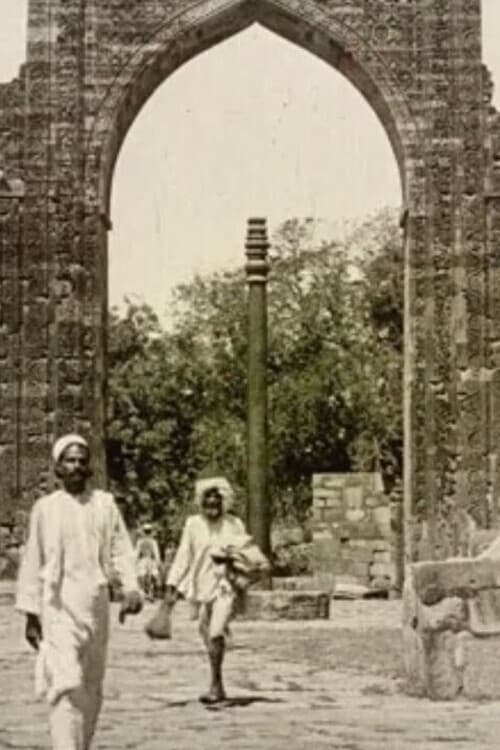
Attractive travelogue filmed in and around Delhi's Qutb complex.
Ruins of Delhi
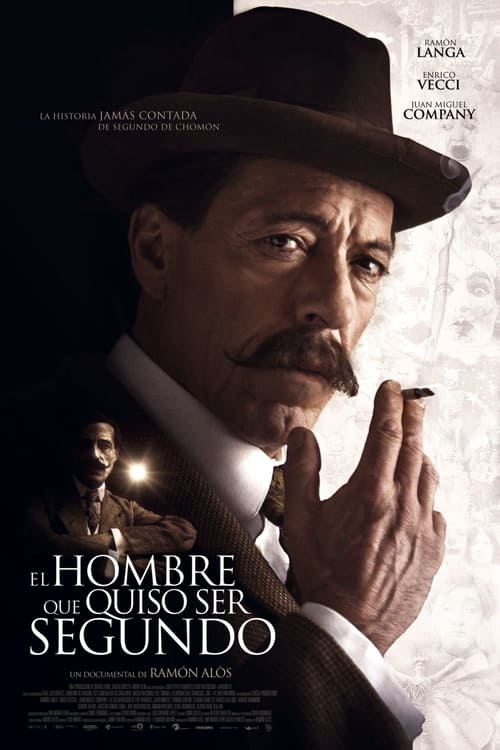
The extraordinary life of cinema pioneer Segundo de Chomón.
El hombre que quiso ser Segundo
Early short film adapted from the Bible (Judges 4-5)
Jael and Sisera
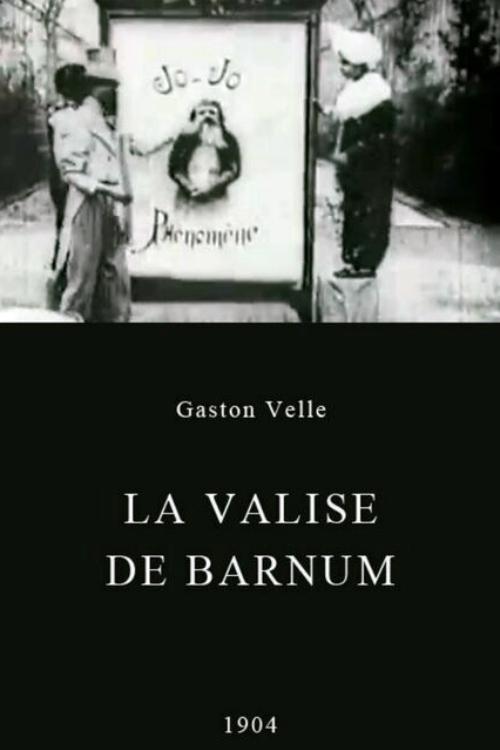
A magician and some assistants put up a series of posters of music hall acts in a frame. Then the magician brings each poster to life.
Barnum's Trunk
Jean Comandon, pioneer of microcinematography, recorded this time-lapse film in c. 1910, using a ultramicroscope. The film show living spiral shaped syphilis bacteria moving among red blood cells of frog. Notice the back-and-forth movement, characterizing the disease-causing form. (Wikipedia)
Spirochoeta pallida (de la syphilis)
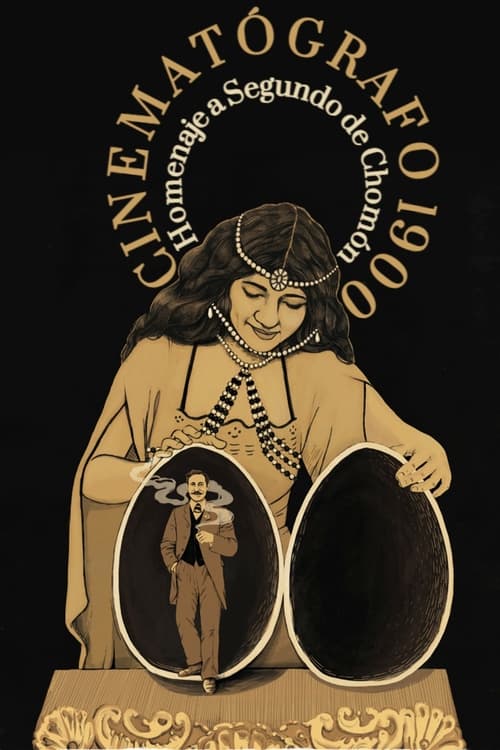
Tribute to Segundo de Chomón. Semi-documentary featuring short films and appearances by actors who explain his works, such as Inma de Santis, Jesús Gúzman, and Ana Mariscal.
Cinematógrafo 1900
No description available.