Acting
No description available.
A two-part television film based on the novel of the same name by Rudolf Jašík, depicting a realistic picture of life and interpersonal relationships during World War II in the mixed Slovak-German environment of the town of Pravna and the nearby village of Planice, as well as life and relationships between soldiers on the Eastern Front. From this perspective, the plot follows a unit of Slovak soldiers, their realisation that they are fighting for foreign interests, their dissatisfaction and distrust of everything, especially their officers.
In Slovakia, they often and gladly honored those soldiers who refused to serve the fascist regime and stood against it. Lieutenant Kukorelli also rejected the tempting career of a pilot, instead helping the resistance fighters and later participating in the Slovak National Uprising.
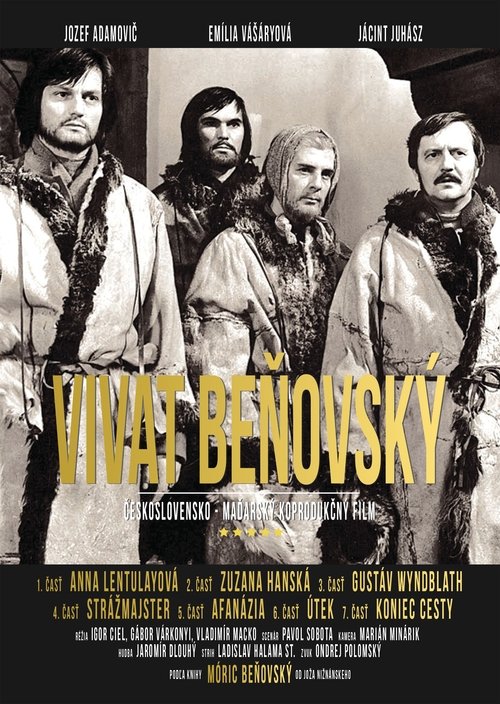
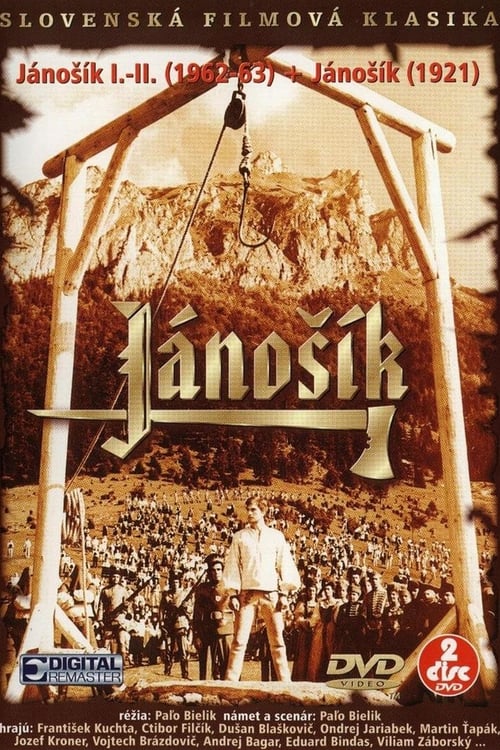
This film is one of the most popular pictures of Slovak cinema and relates the story about the legendary folk hero and brigand Juro Jánošík [1688-1713] and the social situation in Slovakia of the late 17th and early 18th centuries. The first part talks about Jánošík's childhood, studies and return to his native village. In the second part Jánošík leaves for the hills, where he organizes his band of brigands and starts an anti-feudal resistance. The film concludes with Jánošík's execution.
The tragicomedy of a man who, by inappropriately attending the wedding of his subordinate, wants to demonstrate humanistic thinking in a society that is not ripe for such ideas. However, it turns out that even for him humanism is just a declared empty concept, serving to gain popularity. His whole democratization "mission" results in a farce, for which, out of offended vanity, he takes merciless revenge on his subordinates and on the whole environment...
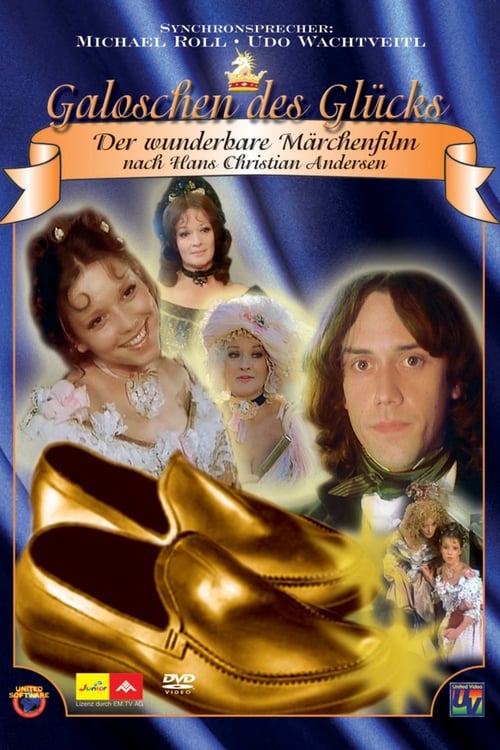
The Slippers of Happiness is another film made by the Slovak Film Production in co-production with West German companies based on classic world fairy tales. After Slovak folk tales [The Greatest Peck in the World, Salt Over Gold] and the works of German fairy tale writers Wilhelm Hauff [The False Prince] and the Brothers Grimm [The Land of the Thrush's Beard, Perinbaba], screenwriter Alex Koenigsmark and director Juraj Herz were inspired by the famous fairy tale by Hans Christian Andersen. It tells the story of slippers that the Fairy of Fortune enchanted so that they would fulfill every human wish and thus bring people happiness. The filmmakers humorously transferred the plot from Copenhagen to old Prague.
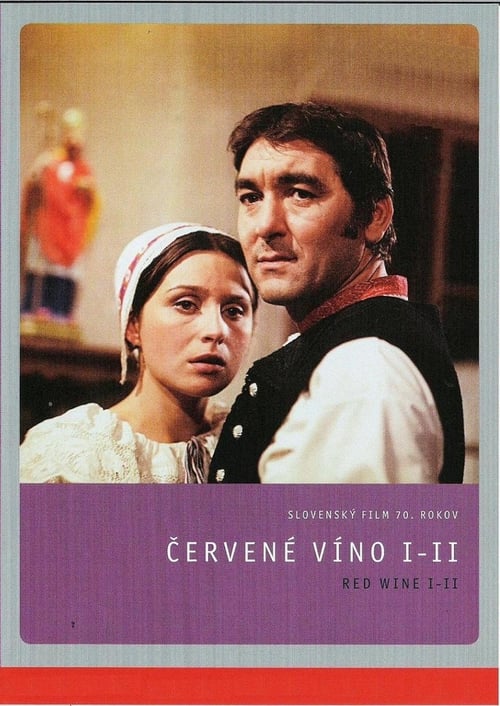
An epic saga of the Habdza family of vineyard keepers set in western Slovakian countryside at the beginning of the 20th century. Director Andrej Lettrich's novel adaptation talks of plotting, forbidden love. family discord, and struggle for heritage and power. The story is engaging thanks to the impressive performances of popular actors, dramatic situations, and sensitive music. Red Wine is not so much inventive in terms of auteurship as it is a work of excellent craftsmanship. The resulting picture is a costume production neatly adapted to the character of Slovak rural life in the past.