Acting
No description available.
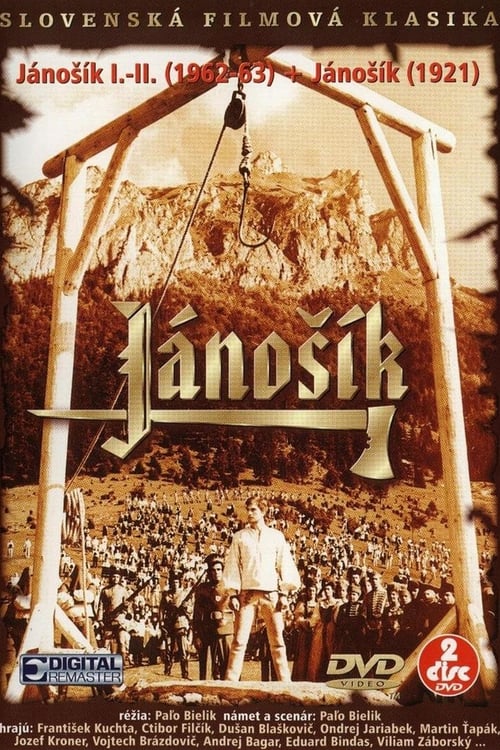
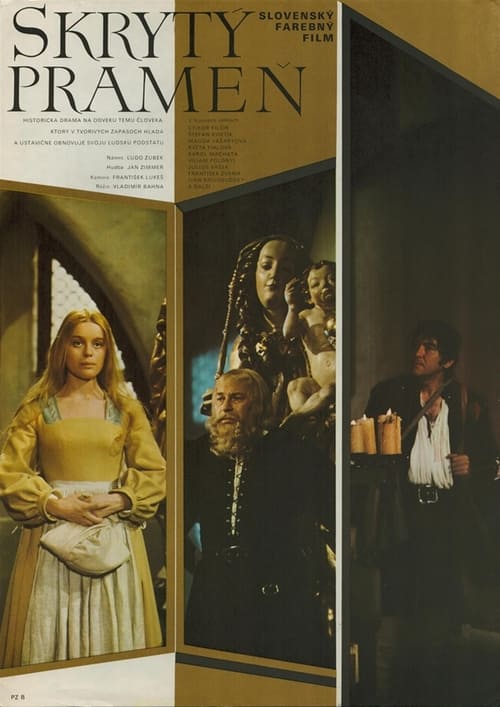
This film is one of the most popular pictures of Slovak cinema and relates the story about the legendary folk hero and brigand Juro Jánošík [1688-1713] and the social situation in Slovakia of the late 17th and early 18th centuries. The first part talks about Jánošík's childhood, studies and return to his native village. In the second part Jánošík leaves for the hills, where he organizes his band of brigands and starts an anti-feudal resistance. The film concludes with Jánošík's execution.
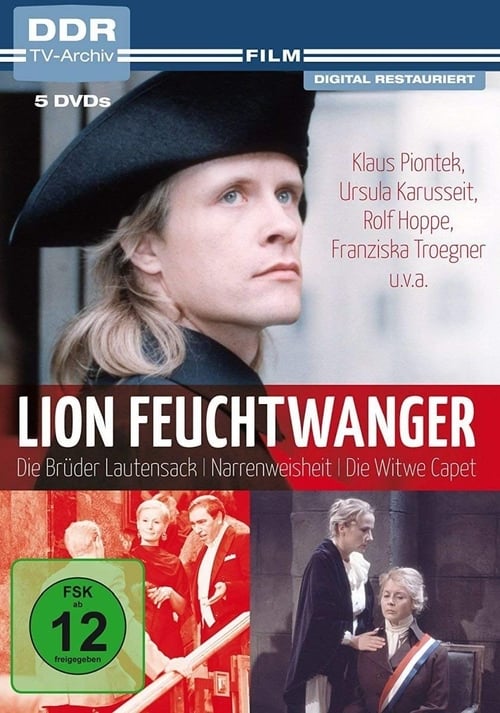
The first half of the 20th century. The Fuhrer brings people with extraordinary abilities closer to him in order to make the right political decisions with their help. One of these people is Oskar Lautensack. He is rapidly climbing the ladder of success, his wishes are immediately fulfilled. Oskar becomes Adolf Hitler's personal psychic and finds himself in the epicenter of political games, but he knows too much...
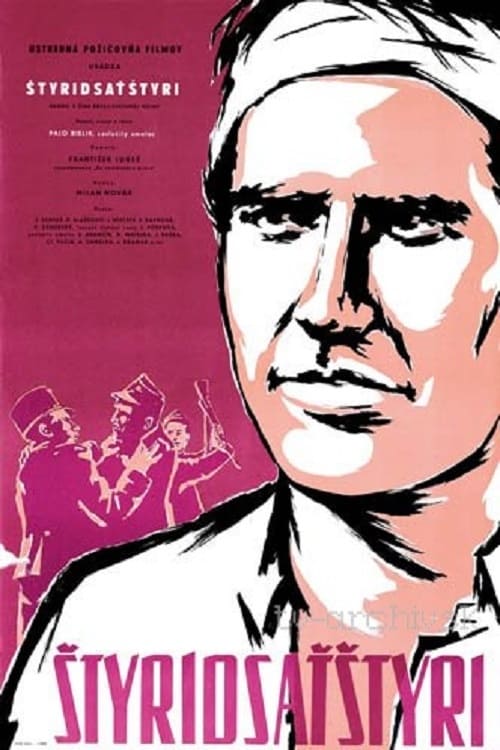
Drama about the rebellion of the Trencín Infantry Regiment against its superior officers in the Serbian city of Kragujevac, at the end of the First World War. It was the biggest and deadliest rebellion in the Austro-Hungarian army.
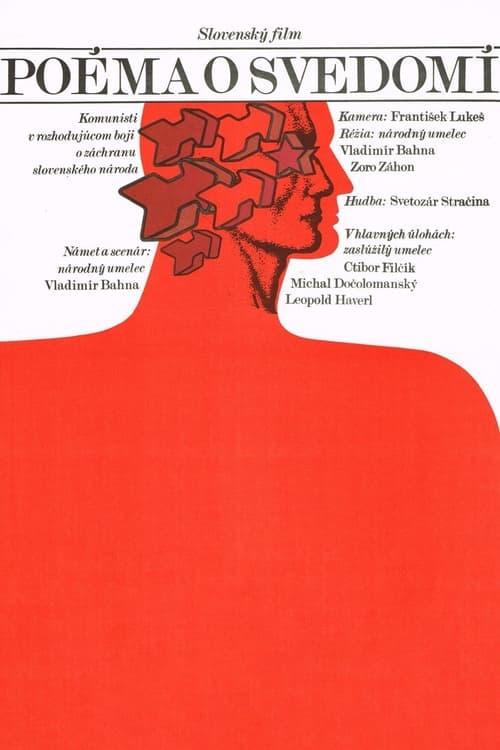
The drama of a young Slovak army officer who gradually realises the horrors of fascism during the fighting in Ukraine. On his return to Slovakia, he joins the SNP. However, he cannot overcome his loner attitude or his doubts about the meaning of partisan activity.
A tragic story of an uneasy marriage between a young girl and an elderly, crotchety man who cannot understand or approach her.
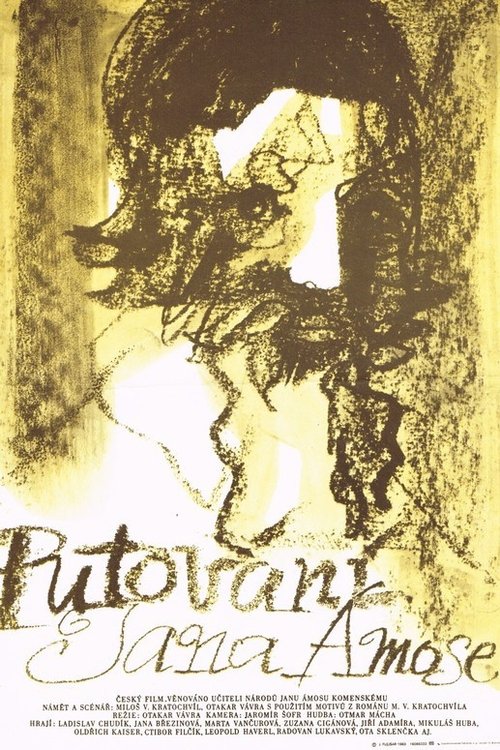
The distressing fate of the Czech great Jan Amos Komenský, forced to leave his homeland after the White Mountain disaster. It depicts his encounters with various European personalities of the 17th century - the Queen of Sweden, artists and scientists. It emphasises the hero's nobility, but also his inner resilience, which allowed him to overcome many personal and professional tragedies. The parable of The Labyrinth of the World and the Paradise of the Heart becomes part of the story. However, Comenius's concept is sculpturally lifeless and, in particular, the religious dimension is "erased" from it. The simplistic biography therefore does not avoid schoolboyish dryness.
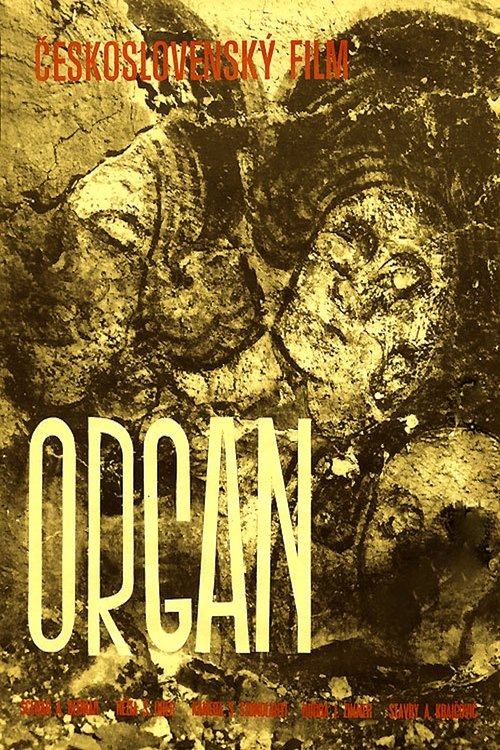
A young Polish deserter and gifted organist finds shelter from the fascists in a Slovak Franciscan monastery. He find himself in conflict with the local organist and choir leader, a man limited in his world views and spiritual values.
Television adaptation of the short stories "Laughter" and "The Man with the Heart in the Highlands" by the American writer William Saroyan.
Slovak remake of the 1957 Sidney Lumet movie, "12 Angry Men".