Writing
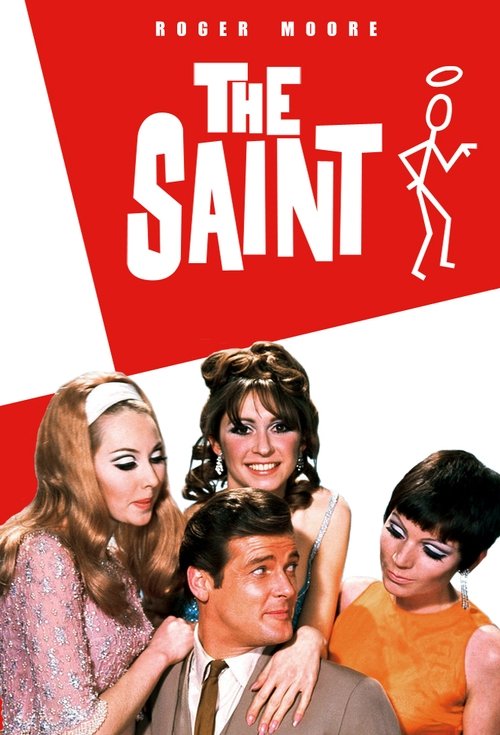
Simon Templar is The Saint, a handsome, sophisticated, debonair, modern-day Robin Hood who recovers ill-gotten wealth and redistributes it to those in need.
Anthology series of dramatic works.
ITV Playhouse is a British comedy-drama TV series that ran from 1967 to 1983, which featured contributions from playwrights such as Dennis Potter, Rhys Adrian and Alan Sharp. The series began in black and white, but was later shot in colour and was produced by various companies for the ITV network, a format that would inspire Dramarama. Actors appearing in the series included Leslie Anderson, Gwen Nelson, Ricky Alleyne, Pat Heywood, Michael Elphick, Ian Hendry, Edward Woodward, Margaret Lockwood, Jessie Matthews and Lloyd Peters.
A British television anthology of stories, often with sinister and wryly comedic undertones, and a twist at the end. With early episodes written and presented by Roald Dahl, the series featured a plethora of big name guest stars.
A one-hour anthology television series of one-off contemporary and classic dramas produced by the BBC.
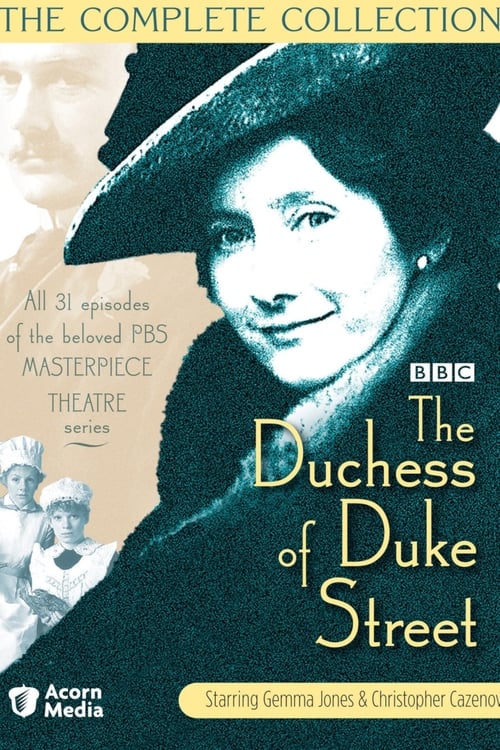
In Victorian London, Louisa Leyton works her way up from servant to renowned cook to proprietress of the upper-class Bentinck Hotel in Duke Street, St James's.
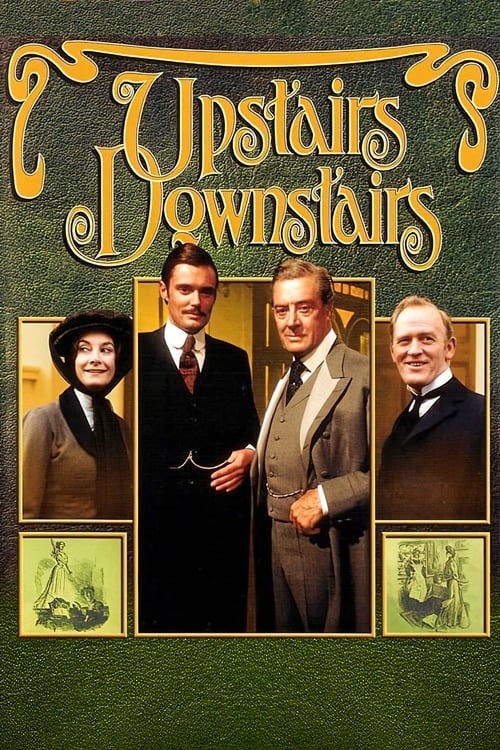
Upstairs: the wealthy, aristocratic Bellamys. Downstairs: their loyal and lively servants. For nearly 30 years, they share a fashionable townhouse at 165 Eaton Place in London’s posh Belgravia neighborhood, surviving social change, political upheaval, scandals, and the horrors of the First World War.
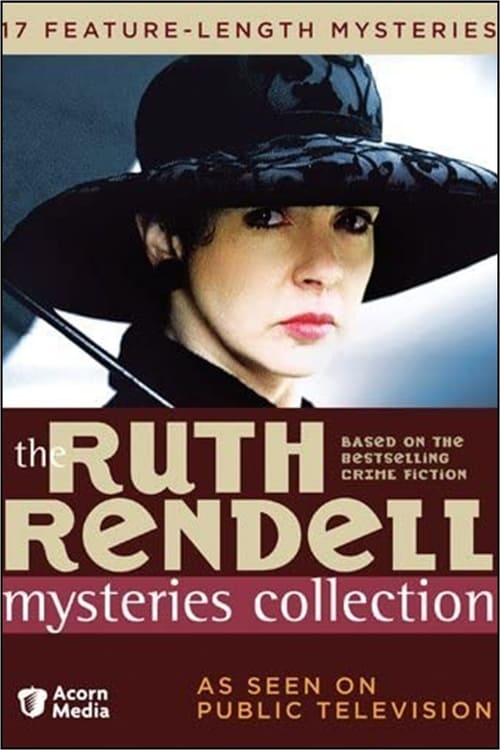
The Ruth Rendell mysteries is a British television series made by TVS and Meridian Television for ITV between 2 August 1987 and 11 October 2000.
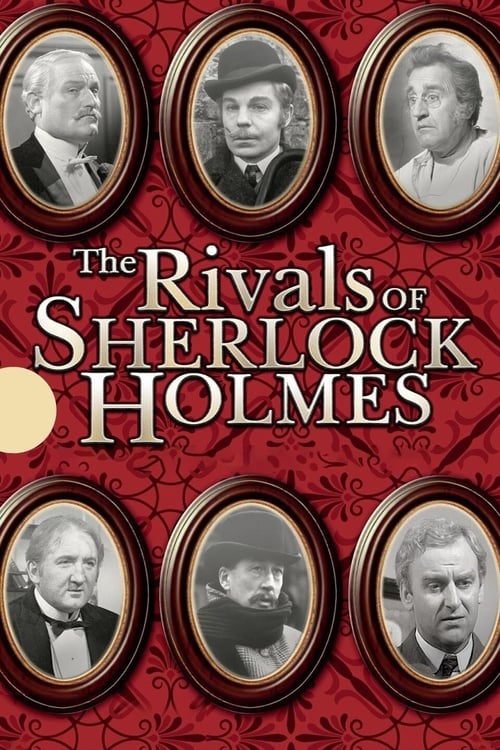
An anthology series produced by Thames Television, comprised of short mystery, suspense or crime adaptations featuring, as the title suggests, detectives who were literary contemporaries of Arthur Conan Doyle's Sherlock Holmes.
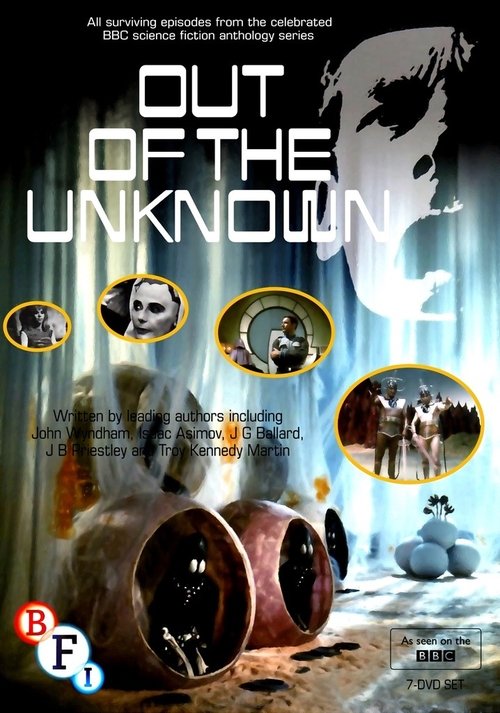
Out of the Unknown is a British television science fiction anthology drama series, produced by the BBC and broadcast on BBC2 in four series between 1965 and 1971. Each episode was a dramatisation of a science fiction short story; some were created for the series, but most were adaptations of already published stories. The first three years were exclusively science fiction, but that genre was abandoned in the final year in favour of horror and fantasy. A number of episodes were wiped during the early 1970s, as was standard procedure at the time.
Churchill's People is a British anthology series based on A History of the English-Speaking Peoples, Winston Churchill's four-volume history of Britain and its former colonies. 26 episodes were produced by the BBC and initially broadcast from 30 December 1974 to 23 June 1975.
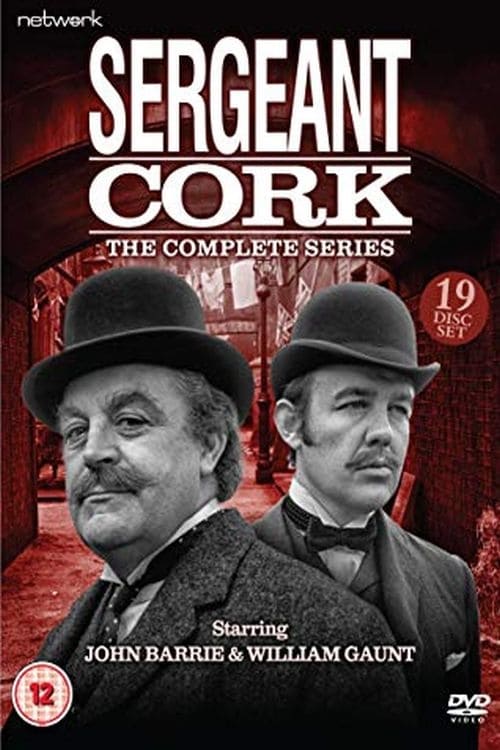
Sergeant Cork is a British detective television series which first aired between 1963 and 1968 on ITV. It was a police procedural show that followed the efforts of two police officers and their battle against crime in Victorian London. In all 66 hour-long episodes were aired during the five-year run, although the last episode was not broadcast until January 1968, 16 months after the others. Journalist Tom Sutcliffe has credited it as a first example of the use of the Victorian-era policeman in a television crime series. A 1969 review in The Age opined that rather than suspense, the strengths of the series were its "excellent period settings and wonderfully thick pea-soupers" which "add up to splendid evocative stuff", as well as the performance of star John Barrie. At no time during the whole series is Sergeant Cork's first name given.
Drama 61-67 is anthology drama series which took a different title, based on year of transmission, each year. It alternated with Armchair Theatre from ABC in the Sunday evening slot. The series was described at the time as epitomising ATV drama.
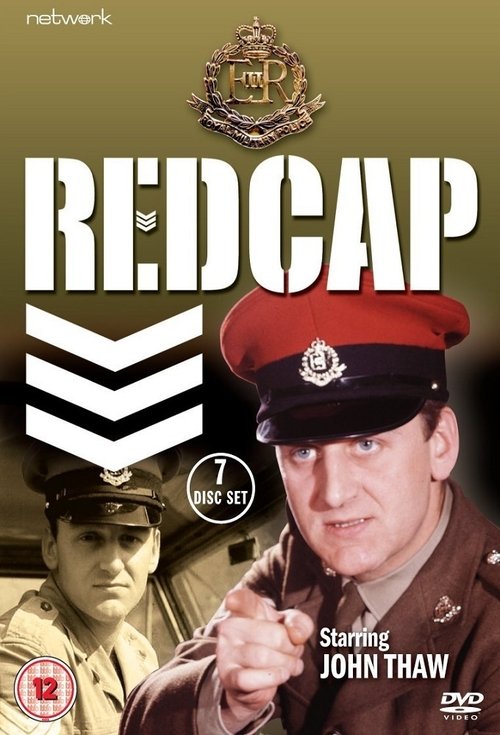
Redcap is a British television series produced by ABC Weekend Television for ITV. John Thaw stars as Sergeant John Mann, a member of the Special Investigation Branch of the Royal Military Police. It ran for 26 episodes over two series between 1964 and 1966, being about 50 minutes in a 60 minute time slot. Surprisingly for a 1960s ABC Weekend Television programme, 23 of the 26 episodes still exist.
No description available.
A British television anthology series with a fantasy, science fiction and supernatural theme, similar to the American television series The Twilight Zone, and deals with normal people whose everyday situations somehow become extraordinary.
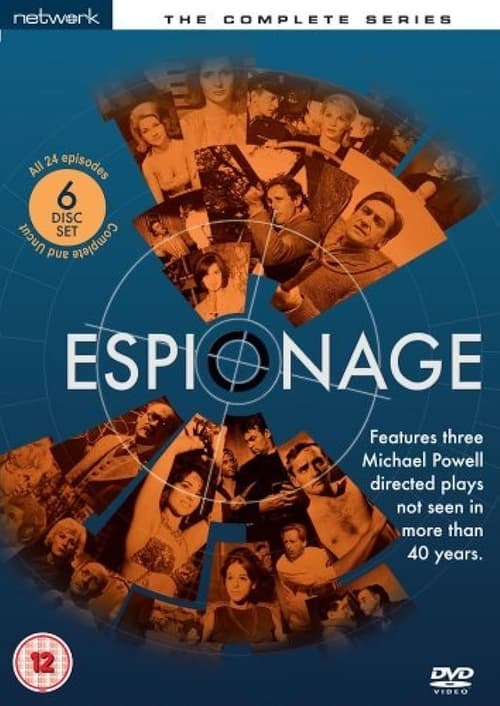
Pulled from actual case histories and utilizing newsreel and documented narratives, the activities of spies from various countries are depicted as far back as the American Revolution and as recent as the Cold War.
Love Story is a 60-minute British anthology television series produced by Associated Television (ATV). A total of 128 episodes aired on ITV from 1963 to 1974. Its guest stars included Vanessa Redgrave, Lynn Redgrave, Stephanie Beacham, James Bolam, Dudley Moore, Wendy Hiller, Malcolm McDowell, Patrick Macnee, John Hurt, Geoffrey Palmer, Judy Cornwell, Leo McKern, David Hemmings, Judy Parfitt, Anna Massey, Felicity Kendal, Edward Fox, Sam Wanamaker, Ian McShane, Michael Kitchen, George Maharis and Margaret Whiting.
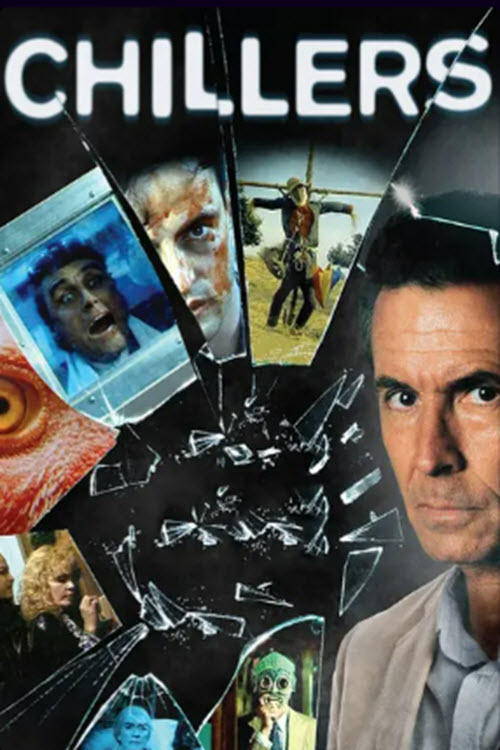
A 1990 horror anthology series, with host Anthony Perkins presenting and screening tales based on Patricia Highsmith's short stories that display a sinister atmosphere, and delve into the darkest depths of human nature.
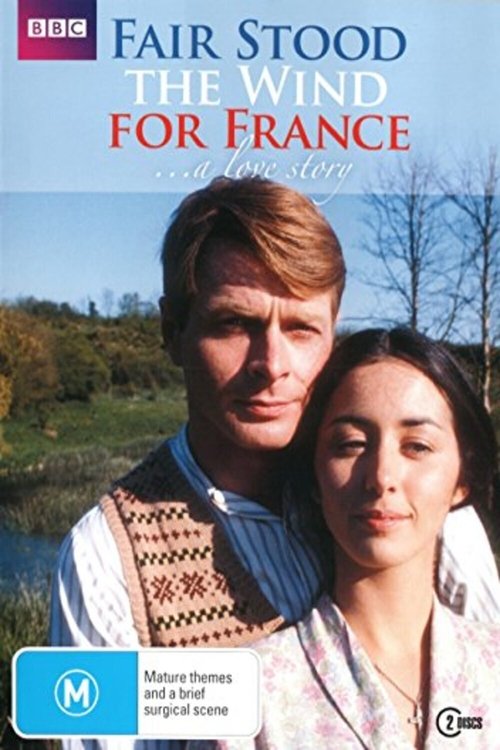
When John Franklin crash-lands his Wellington bomber in occupied France at the height of the Second World War, he is concerned for the safety of his crew and worried about his own badly injured arm. His crew escapes, but the family of a mill owner risk their lives to hide Franklin in their home until he regains his health. During the following balmy summer months, the pilot's situation is further complicated by his feelings for Francoise, the daughter of the house, but as German patrols move in, his only chance of survival is to flee from France.