Světla Amortová
Acting
Known For
No description available.
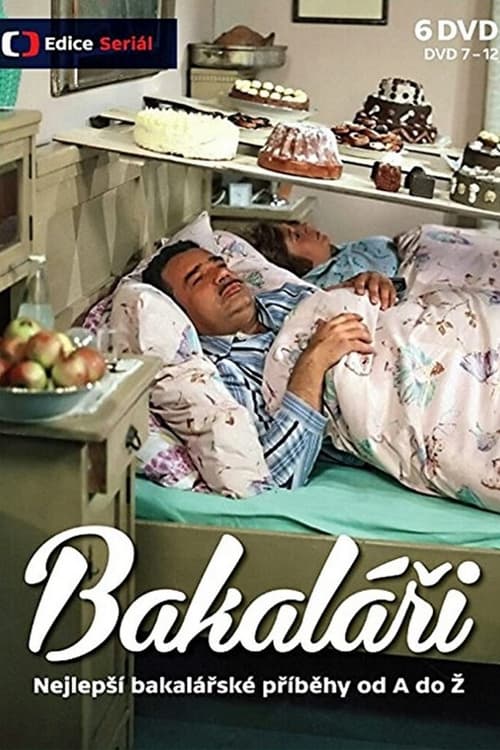
Bakaláři
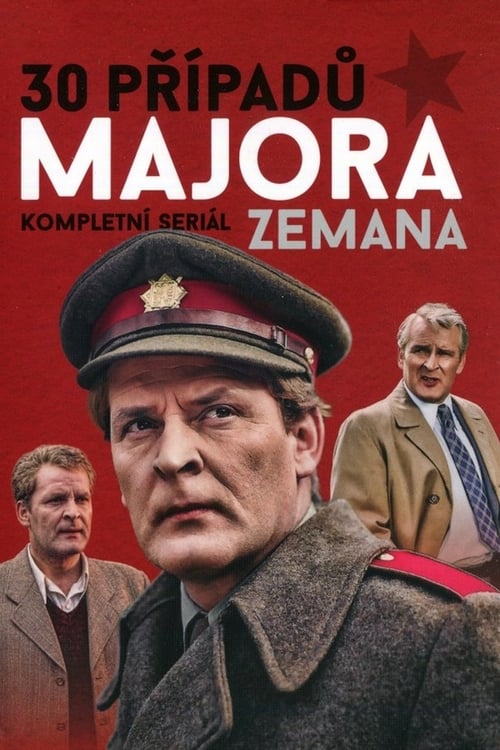
Thirty Cases of Major Zeman is a Czechoslovak action-drama television show intended as a political propaganda to support the official attitude of the communist party. The series were filmed in the 1970s. Each episode encompasses one year, and investigations are stylized to that year. Most are inspired by real cases. The series follows the life of police investigator Jan Zeman during his career from 1945 to 1975.
Thirty Cases of Major Zema
No description available.
Nejmladší z rodu Hamrů
No description available.
Dnes v jednom domě
No description available.
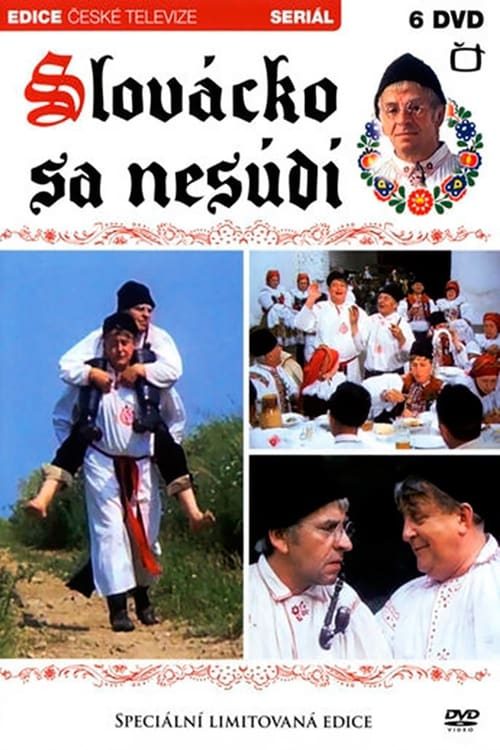
Slovácko sa nesúdí
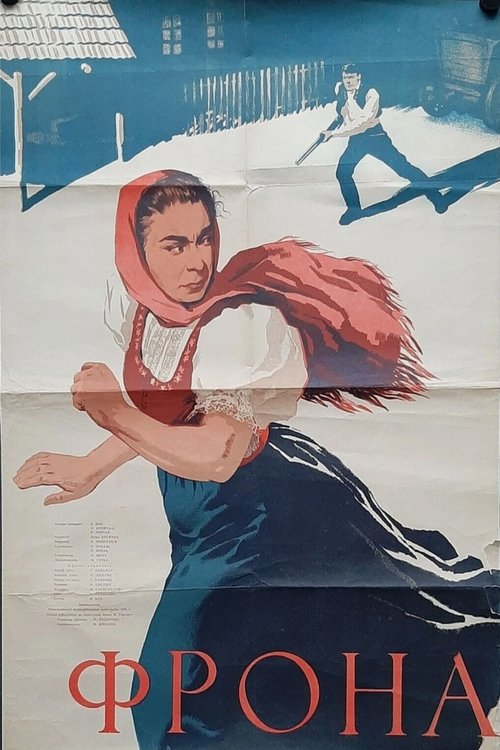
Frona Filípková, out of a desire for a better life, married Floriš Zobač on the land. However, the ownership of the land has affected both her husband and her father-in-law, who, out of hatred, intrigue against the emerging agricultural cooperative and against each other, so Frona looks for a way to free herself.
Frona
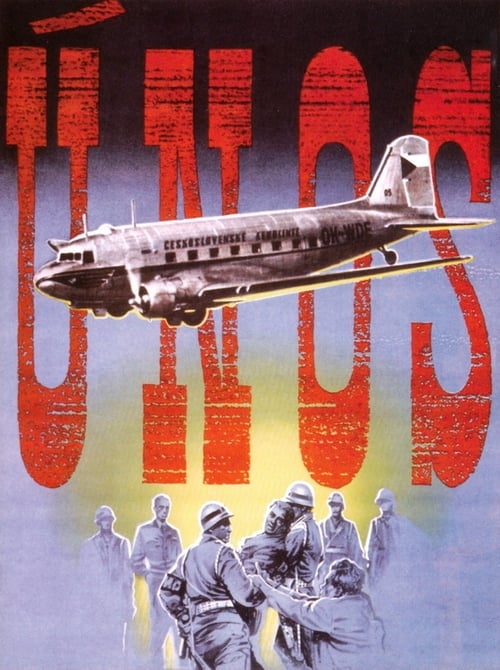
American agents hijack a plane on the Ostrava-Prague route to launch a campaign against the People's Democratic Czechoslovakia. The plane lands in West Germany, but the Americans have an unexpected problem convincing the hijackers to stay in the West. Based on a true story.
Kidnapped
The adventurous story of a young soldier, lance corporal Milan Pazdera, who falls in love with a beautiful young girl at a party who claims to be in the countryside on medical leave. However, it turns out that she is a dangerous spy who is trying to obtain the call lists with the help of Milan, a scribe at the military camp headquarters.
Everything Ends Tonight

Wandering through the forest, a woodcutter finds a golden fern whose seed turns into a beautiful woman - they fall in love. After getting drunk in a village feast, he gets to sign up to the army. The fairy gives him a shirt to wear and asks him to swear he will never abandon it. At the war front, he falls in love with the the colonel's daughter and will have to perform various feats to get her attention.
The Golden Fern

An anthology of three absurd, ironic tales inspired by Čapek’s “Tales from One Pocket” and “Fables and Side Stories,” each showing uncanny forces disrupting ordinary lives: in Krejčík’s “Glorie,” a gentle clerk is haunted by a sudden halo; the other two segments by Mach and Makovec similarly blend everyday routines with ironic, supernatural twists.
Of Things Supernatural
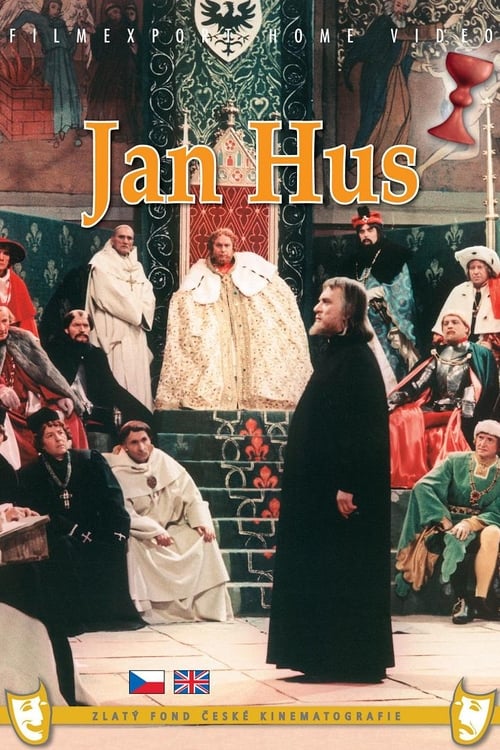
The first part of the "Hussite Revolutionary Trilogy", completed with Jan Žižka (1955) and Proti všem (Against All Odds, 1957). The film captures the period from May 1412 to the summer of 1415, a turbulent time in the Czech Kingdom, during which there were protests in Prague against the sale of "omnipotent indulgences" whose sale throughout the kingdom was announced by Pope John XXIII. The ideological leader of this movement is the preacher Master Jan Hus, whose words, calling for the elimination of church abuses, are listened to in the Bethlehem Chapel by thousands of ordinary Praguers, Czech lords and Queen Sophie, wife of the Czech King Wenceslas IV.
Jan Hus
Screen adaptation of Julius Fucik's story about communist fighters.
Reportáž psaná na oprátce
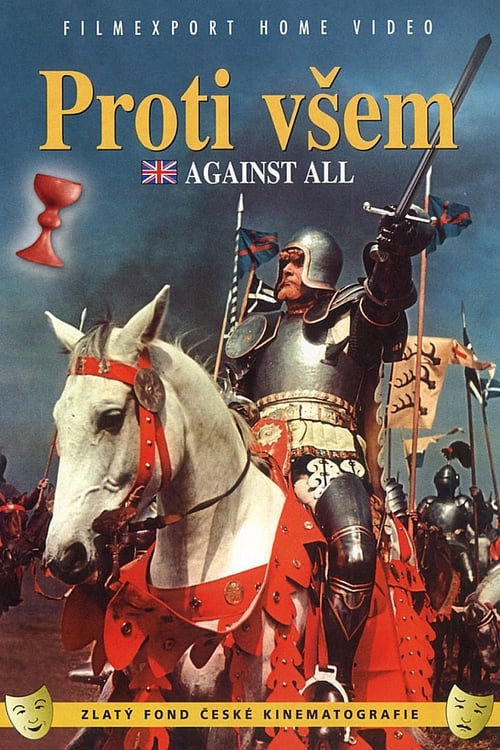
After the battle of Sudoměř the Hussite teaching spreads through the whole country and people start leaving their homes to help build the fortification of Tábor. Prague citizens request help against the army of Zikmund. The Hussite army with Jan Žižka in the lead make their way towards Prague. They fortify themselves on the mountain Vítkov and engage in a bloody battle with Zikmund’s huge army.
Against All
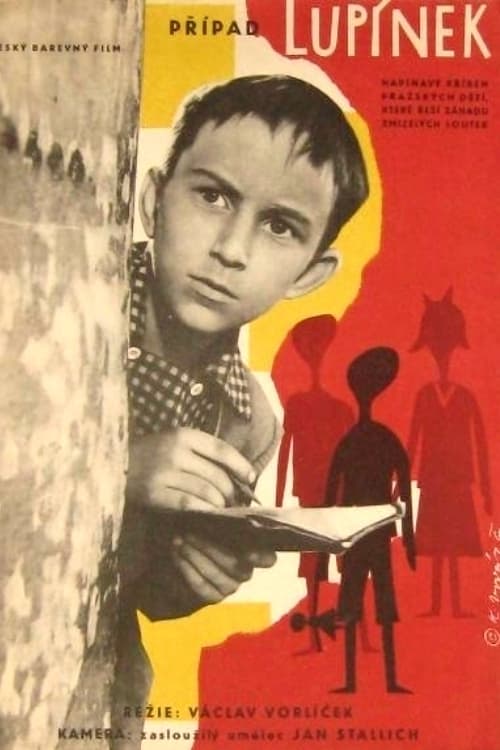
In a wooden hut used as a canvassing center, members of a children's puppet-theatre group are rehearsing for a production about a journey to the Moon. The goings-on inside the hut and outside are being closely followed by amateur detective Pepik Barnabás. He, however, is the first to be under suspicion when a trunk containing puppets goes missing. The children follow him but, when they catch up with him, they discover he hasn't got it. Pepík offers to help them in their search.
The Lupinek Case
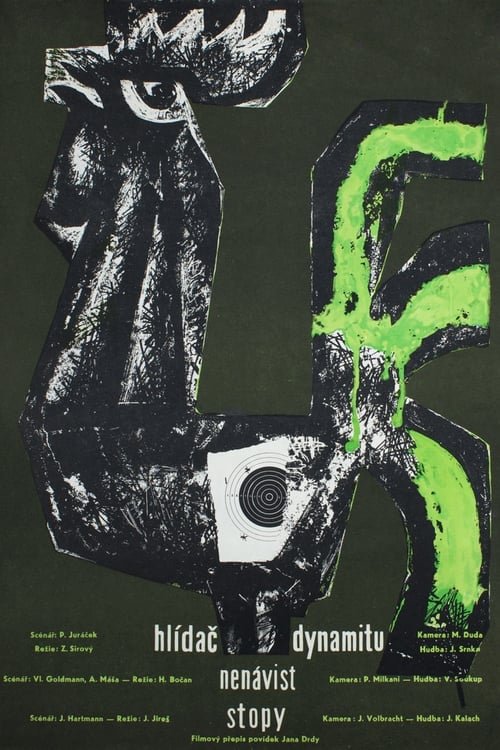
Three separate short stories by Jan Drda from the collection The Dumb Barricade: The Dynamite Watchman, Hatred and Traces.
The Dynamite Watcher
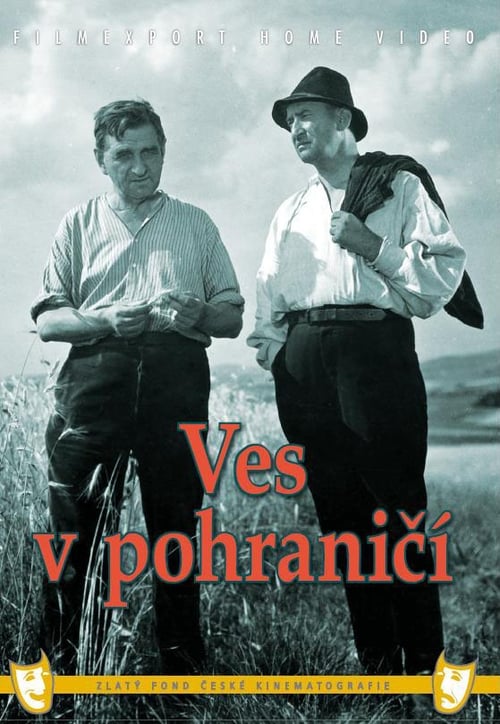
The family of Prague greengrocer Pavlas was among the first immigrants to settle in the border village of Severov. Together, the new residents manage to harvest their first harvest on time and successfully - but they will have to uncover a German saboteur posing as the manager of a sawmill...
Ves v pohraničí
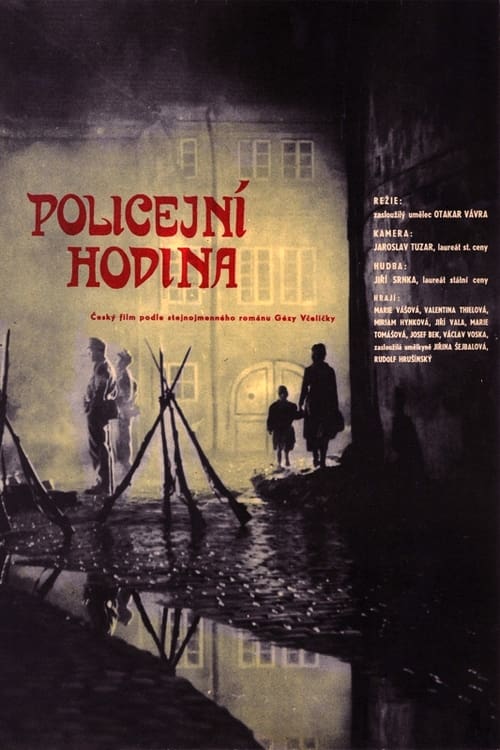
The story of a poor, disintegrating family of a mother Fišerová and her three children. It is set in the 1890s - a time when the poor working classes did not yet have the right to vote or a permanent eight-hour working day.
Policejní hodina
No description available.
Sám proti městu
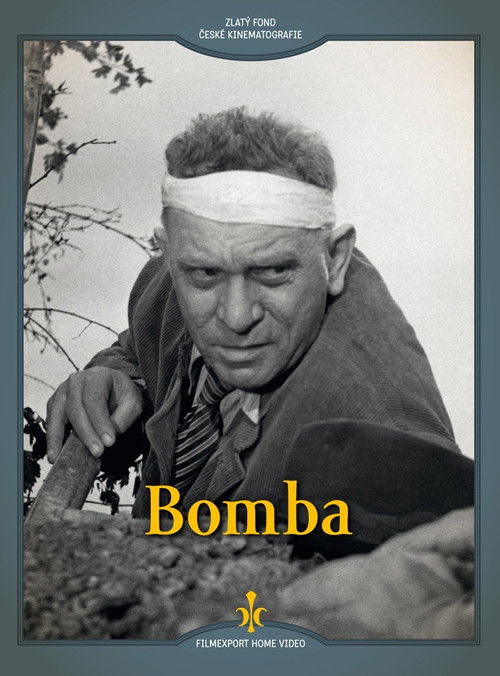
The discovery of an unexploded aerial bomb on a construction site brings a shock to the peaceful existence of a small town: the sudden threat makes at least some people rethink their previous attitudes.
Bomba
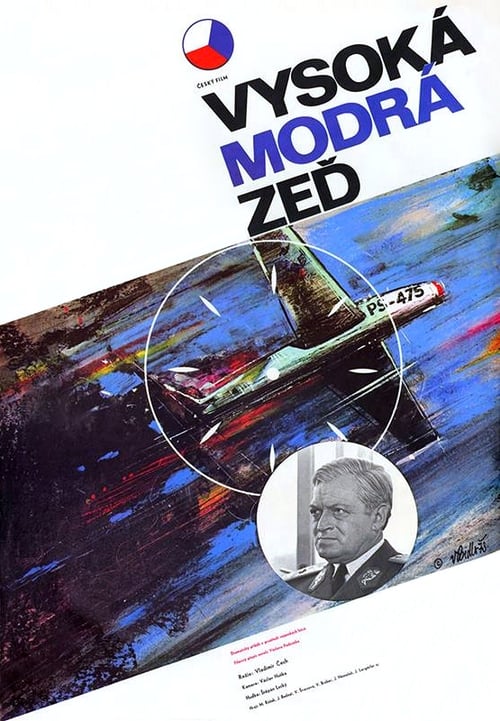
Even in the 1970s, films were made in this country that emphasized not only the necessity to defend the impermeability of the Western borders by all means, but mainly rehabilitated the Stalinist era. Told with ridiculous patheticness, the story is set in 1951 and takes place in army circles, depicting the disputes over the most effective air defence of the border... It chooses to depict the working disputes between an experienced, but already mentally stagnant general and a young politruk who advocates a modern conceptual solution to the common task.