Directing
A personal, diary film, about love, the cinema, faith, desire, affirmation.
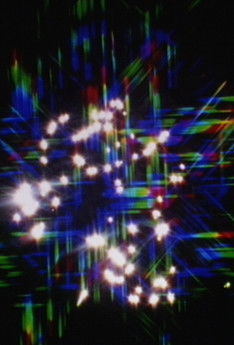
Refraction can be very satisfying. Especially when working with camera original Ektachrome on 16mm. There is nothing not to love about camera original Ektachrome – except perhaps its vulnerability as a 'one off'. It is beautifully suited to optical experiments and for exploring what is going on in the lens. Here we play with the endless dance of specular reflections on water.
Barcelona, immediately after the independence referendum. Shot on black and white film stock using a re-invented colour separation technique. Dedicated to the spirit of independence everywhere!
A staccato study of street level action and inter-action. People and vehicles on everyday journeys are atomised into coursing fragments of light, shadow, angle and inertia, reiterating and disassembling the creation of motion out of still frames at the heart of cinema. Filmed in ten cities on four continents.
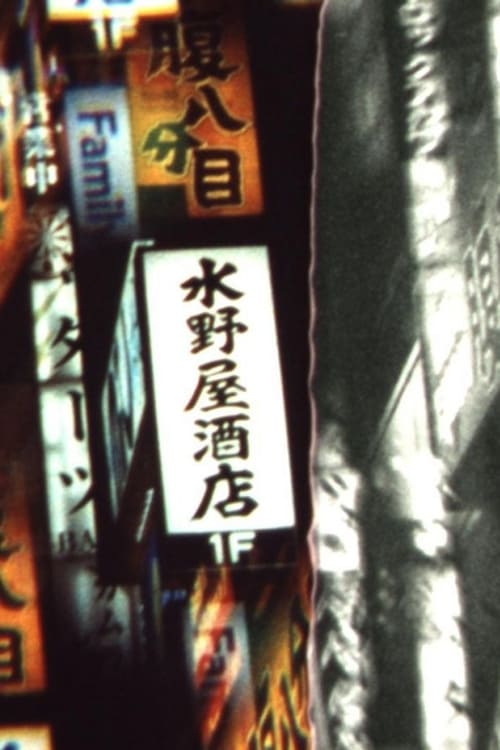
The Ginza of fable and memory. This is the first film I have finished using the “chromaflex” technique that we developed at Nanolab. This is a very much hands-on colour developing procedure that allows selected areas of the film to be colour positive, colour negative, or black and white.
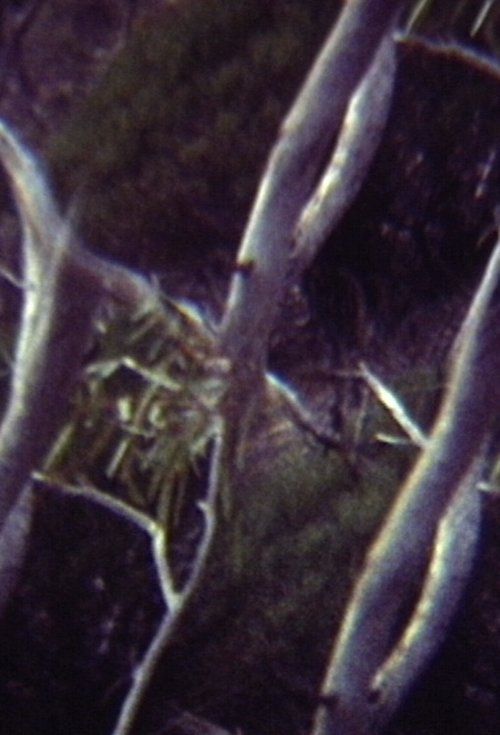
Bones of a dead Tasmanian forest colourfully ‘ re-animated’ in a film printer.
Across the sea. Across the street. Cross processed and grain-enlarged images of fraught neighbours Korea and Japan who have difficulty making each other out.
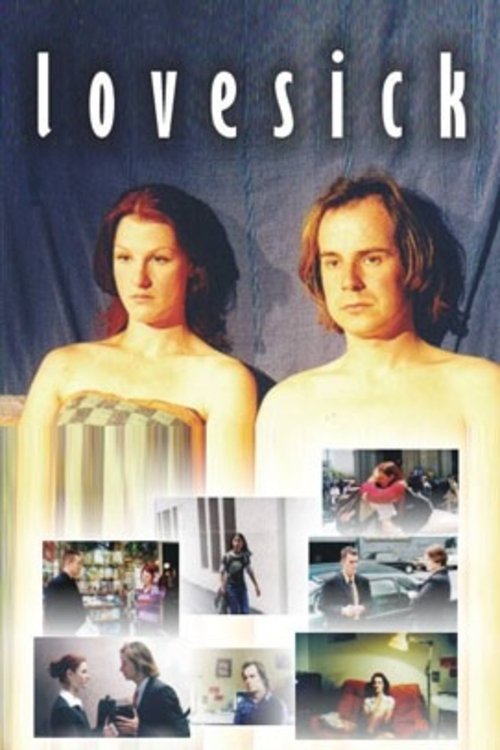
A couple, Steve and Louise, quit their respective office jobs, deciding to follow their inner desires and their aspirations to be artistic.
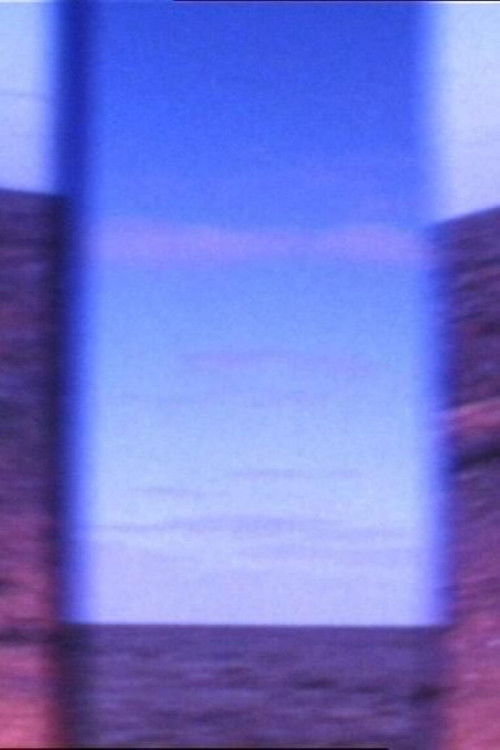
Filmed on the broad, tree-less expanse of the Hay Plain, Horizontals makes a game of the endless horizon.
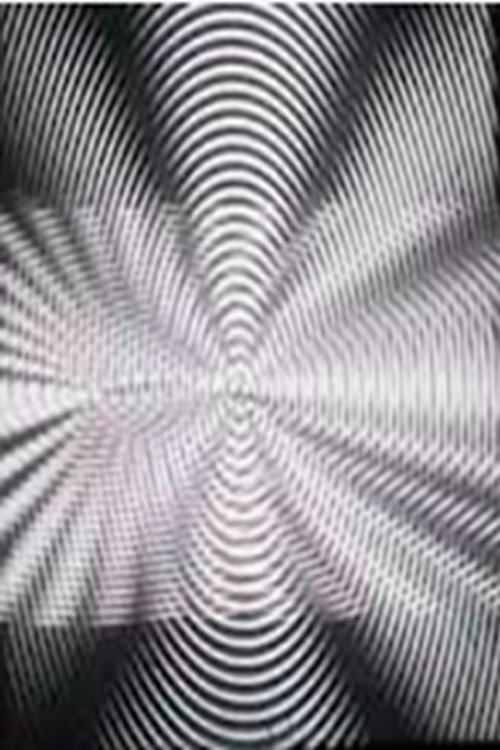
On Christmas eve in 1974, the city of Darwin was devastated by Cyclone Tracy. In this expanded cinema piece, a single film print, featuring only concentric circles, is bi-packed against itself in two 16mm projectors simultaneously. Through this approach, the quadrupled image of circles is transformed into troubled patterns of pulsating and swirling interference and wailing sounds of tropical violence.
A chronicle filming the journey from the directors' accomodation in Seoul to the Space Cell labs and workshops.
A personal film, a diary, an essay, of Bill Mousoulis in December 1989.
A North Asian metropolis. Electricity wires draped like thick webs adorn the streetscape. Expolsive sparks of colour electrify the frame. Filmed in Seoul in black and white. Colourised during processing using coloured torch light.
'The Mallee' is the name given to the arid north west corner of Victoria. Ironically, given it is the most arid part of the state, 'The Mallee' is also a major food bowl in Australia due to massive irrigation schemes, the dry climate and well draining sandy soil. It has long been an area of big government projects and schemes: it has a history of being environmentally stretched. There are also, however, a number of large national parks in the Mallee, mostly in areas of ancient sand dunes that wouldn't pay development. These arrid parks with there 'mallee-formed' multi trunked stunted Eucalypts, gnarled native cyprus tree and other scrub species have a beauty and fascination that is quite unique.
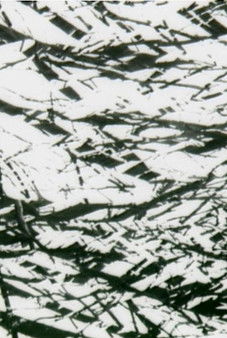
High country, high contrast. A collision of lines and patterns from the wood of burnt trees.
A 'rover' lands on a red planet and explores its mysterious surroundings. This film was made at the time of the Huygens/Cassini probe to Titan. Really, its a film about a certain kind of fixed but loose mechanical camera movement.
“Tree ferns filmed and then re-filmed on black and white film are inter-cut to produce a collage of green tinted positive images and green toned negative images. As the ferns’ leaves are pale in dark surroundings, the tinted positive yields green leaves in a black background, and the toned negative green leaves in a white background. Excerpts from Schubert’s Schoene Muellerin lament and laud the colour green by turns.”
Flyscreen is a camera-less ‘rayogram’ film, made by layering fly-screen material onto raw 16mm film stock and then exposing to light. The sound heard is the optical sound of the images passing the 16mm optical sound head.
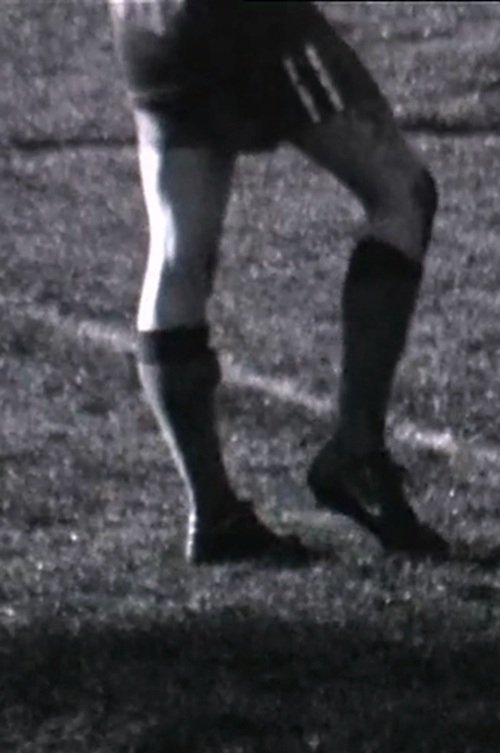
Slow motion abstractions and analyses of bodies in motion.
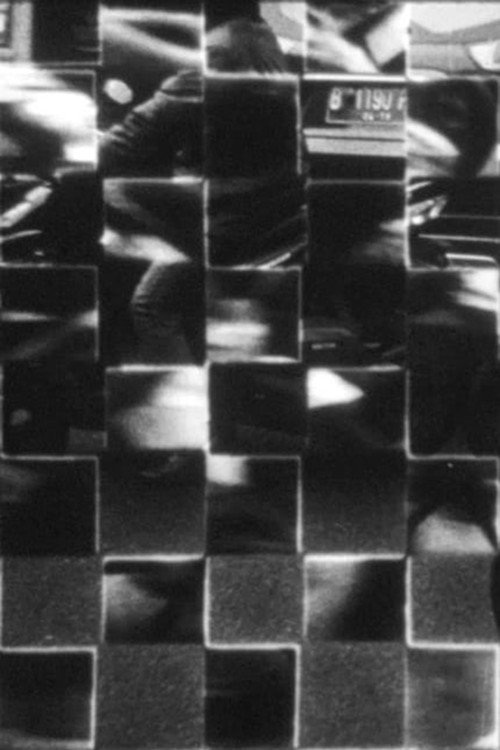
Motorcycles and cars are lost in the sound of traffic and disappear in bands sliced into film footage of Jakarta’s roads. The horizontal and vertical lines or checkerboard patterns emphasizing the density and chaos of the crowded roads were made by optically printing 16mm film.