Diane Fletcher
Acting
Biography
Diane Fletcher was born on April 17, 1944 in Derby, Derbyshire, England, UK. She is an actress, known for A.I. Artificial Intelligence (2001), House of Cards (1990) and Macbeth (1971).
Known For

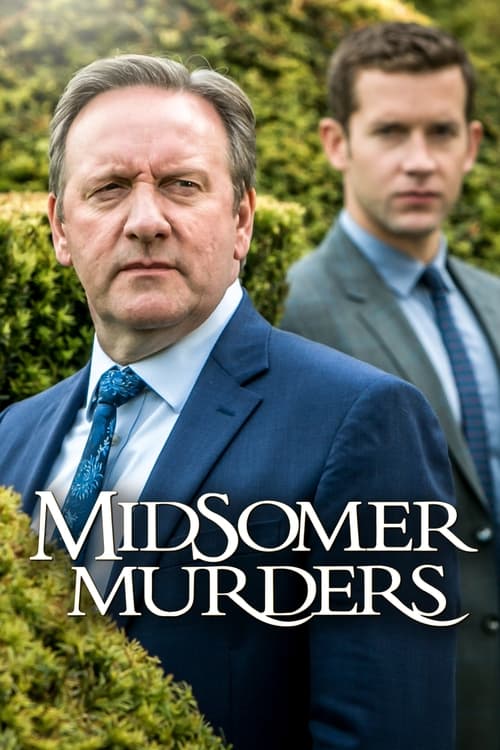
The peacefulness of the Midsomer community is shattered by violent crimes, suspects are placed under suspicion, and it is up to a veteran DCI and his young sergeant to calmly and diligently eliminate the innocent and ruthlessly pursue the guilty.
Midsomer Murders

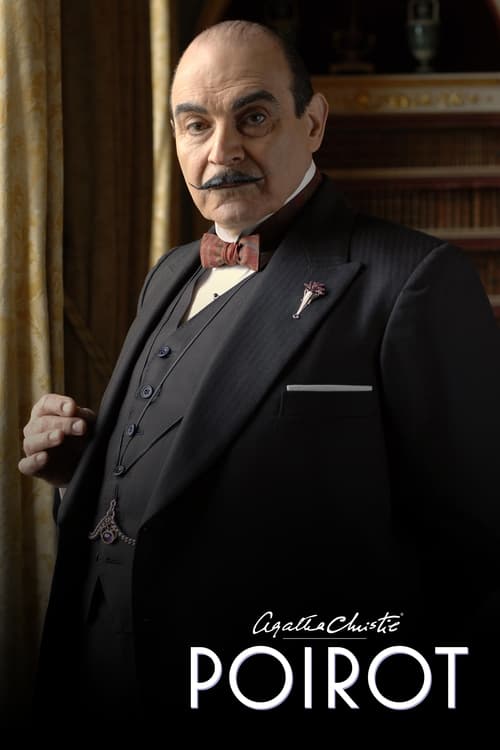
From England to Egypt, accompanied by his elegant and trustworthy sidekicks, the intelligent yet eccentrically-refined Belgian detective Hercule Poirot pits his wits against a collection of first class deceptions.
Agatha Christie's Poirot

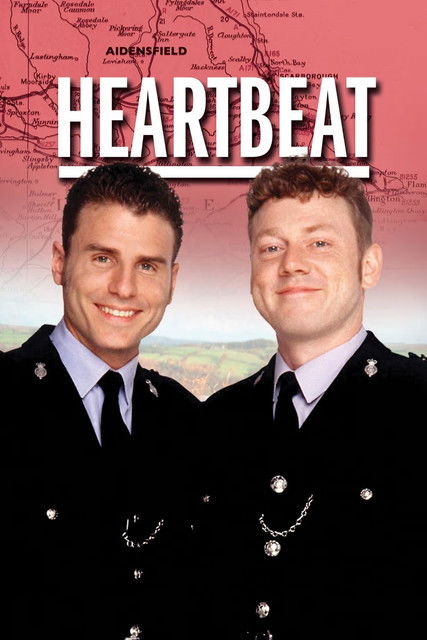
Set during the 1960s in the fictional North Yorkshire village of Aidensfield, this enduringly popular series interweaves crime and medical storylines.
Heartbeat

A one-hour anthology television series of one-off contemporary and classic dramas produced by the BBC.
Playhouse

ITV Playhouse is a British comedy-drama TV series that ran from 1967 to 1983, which featured contributions from playwrights such as Dennis Potter, Rhys Adrian and Alan Sharp. The series began in black and white, but was later shot in colour and was produced by various companies for the ITV network, a format that would inspire Dramarama. Actors appearing in the series included Leslie Anderson, Gwen Nelson, Ricky Alleyne, Pat Heywood, Michael Elphick, Ian Hendry, Edward Woodward, Margaret Lockwood, Jessie Matthews and Lloyd Peters.
ITV Playhouse

Anthology series of dramatic works.
ITV Saturday Night Theatre

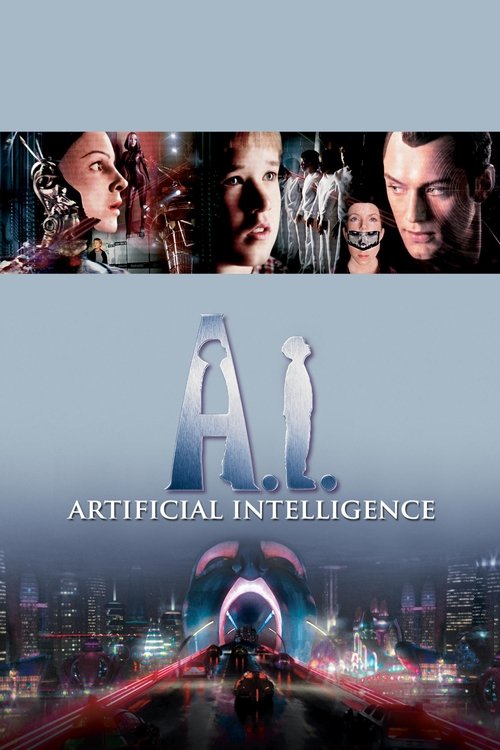
David, a robotic boy—the first of his kind programmed to love—is adopted as a test case by a Cybertronics employee and his wife. Though he gradually becomes their child, a series of unexpected circumstances make this life impossible for David.
A.I. Artificial Intelligence

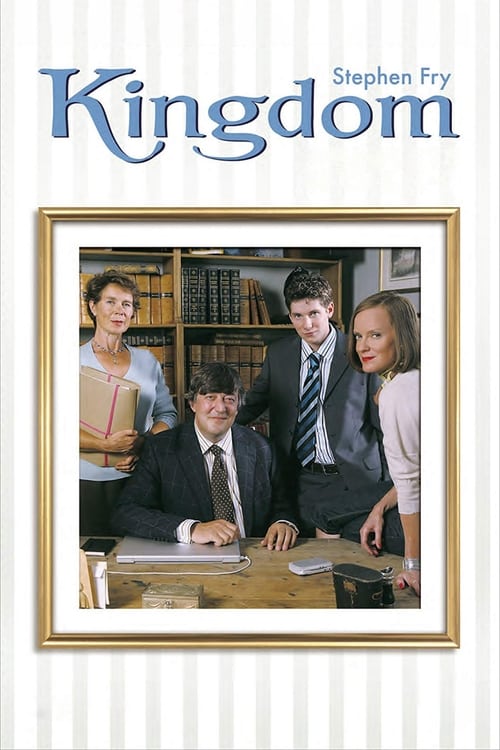
Kingdom is a British television series created by Simon Wheeler and stars Stephen Fry as Peter Kingdom, a Norfolk solicitor who is coping with family, colleagues, and the strange locals who come to him for legal assistance.
Kingdom

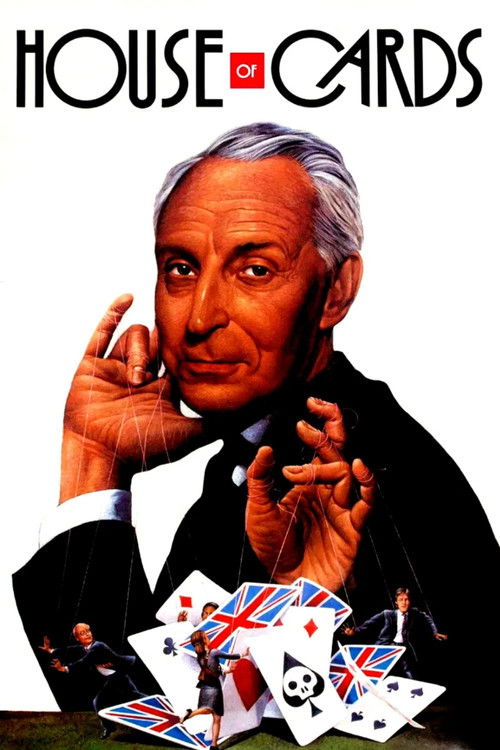
Frustrated at a new moderate Conservative government and deprived of a promotion to a senior position, chief whip Francis Urquhart prepares a meticulous plot to bring down the Prime Minister then to take his place.
House of Cards

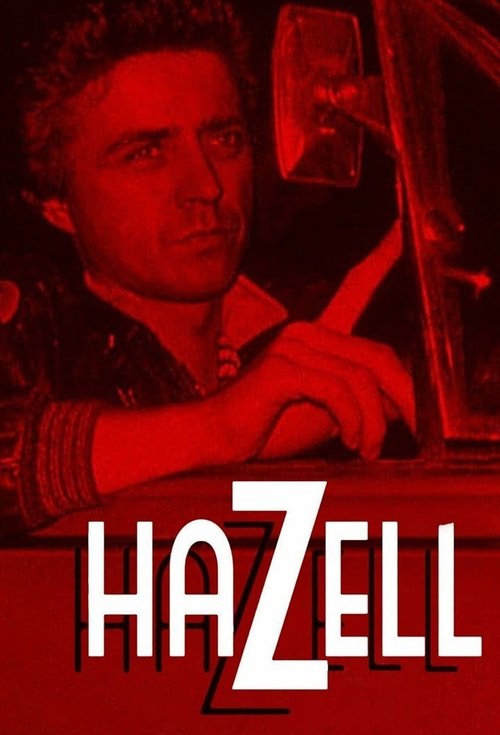
Hazell is a British television drama based on the novel series by Terry Venables and Gordon Williams (collectively known as P.B. Yuill), and starring Nicholas Bell as James Hazell, a 'smart parody' of Philip Marlowe and Sam Spade. The programme ran for two series, from January 1978 to July 1979.
Hazell

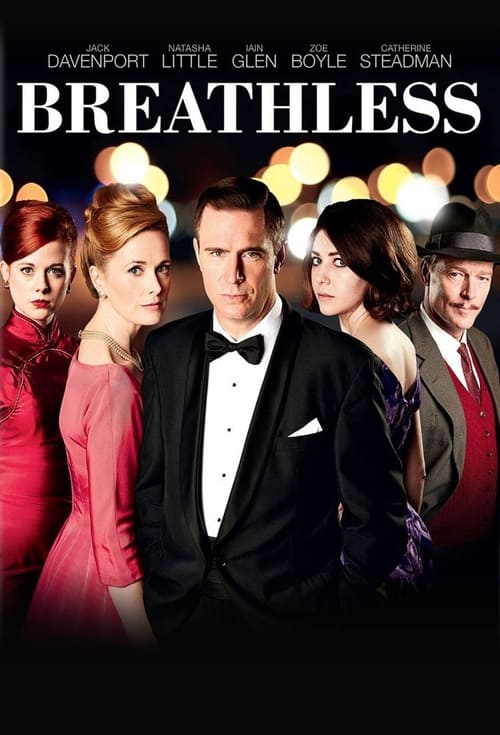
Hospital drama set in London during the early 1960s, following the staff of a busy gynecology ward at a time when abortion is illegal and the contraceptive pill is only just becoming available to married women.
Breathless

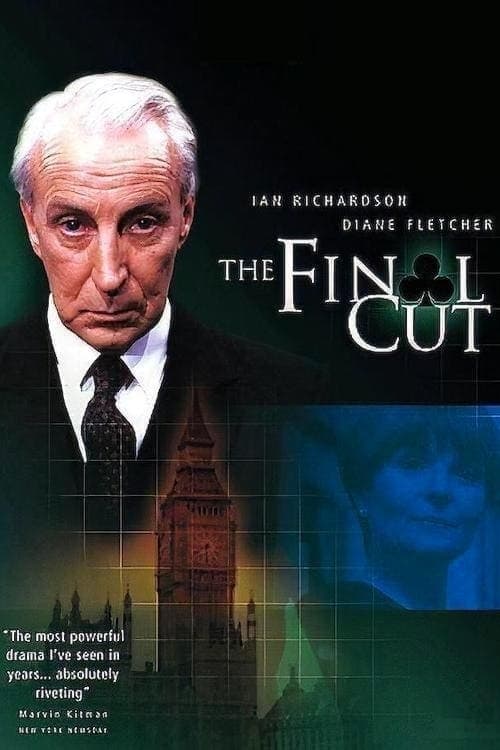
Seasoned politician Francis Urquhart tries to establish his legacy before retirement by negotiating an end to the Cyprus, but the island hides secrets from his past that could destroy him.
The Final Cut

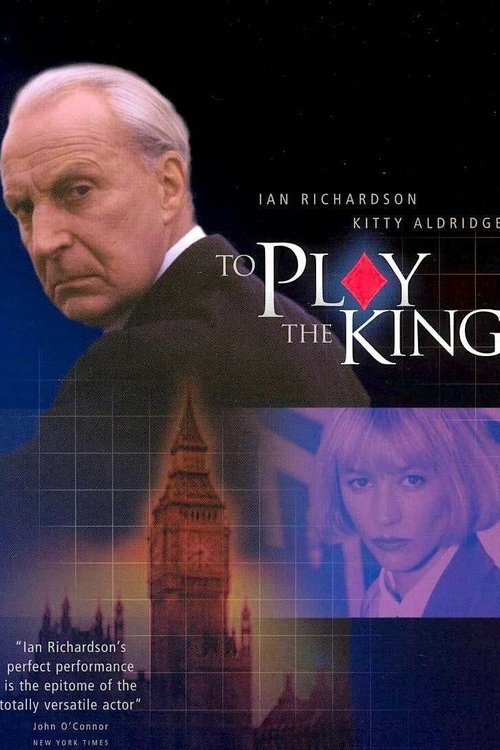
Francis Urquhart's survival at the top is threatened by the new king's populist agenda.
To Play the King

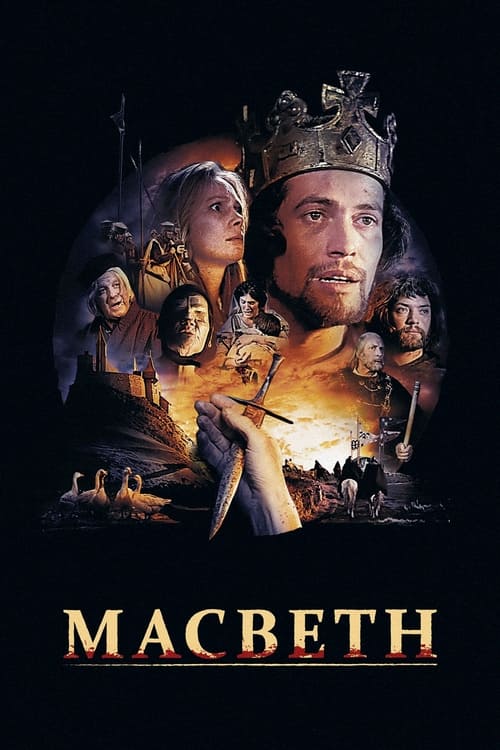
Scotland, 11th century. Driven by the twisted prophecy of three witches and the ruthless ambition of his wife, warlord Macbeth, bold and brave, but also weak and hesitant, betrays his good king and his brothers in arms and sinks into the bloody mud of a path with no return, sown with crime and suspicion.
Macbeth

In 1959, a young Soviet musician risks everything to pursue his newfound love of American rock 'n' roll.
Red Hot
Fairly Secret Army is a British sitcom which ran to thirteen episodes over two series between 1984 and 1986. Though not a direct spin-off from The Fall and Rise of Reginald Perrin, the lead character, Major Harry Truscott, was very similar to Geoffrey Palmer's character of Jimmy in that series, and the scripts were written by Reginald Perrin's creator and writer David Nobbs. Harry Kitchener Wellington Truscott is an inept and slightly barmy ex-army man intent on training a group of highly unlikely people into a secret paramilitary organisation. This idea first emerged in an episode of Perrin when Jimmy confided the plan to Reggie and was based on persistent though unsubstantiated rumours in the 1970s press that right wing generals were secretly planning a coup to rescue Britain from union militancy. The character's name was changed due to Fairly Secret Army being broadcast on Channel 4, and the television rights to The Fall and Rise of Reginald Perrin and its characters being held by the BBC. The first series was script edited by John Cleese, whose training films company was responsible for the series. The series did not have a laughter track. Nobbs only started work on the show when he turned down an offer to write a spin-off sitcom for Manuel of Fawlty Towers.
Fairly Secret Army

When her husband dies, Mrs Adele Gereth quarrels with her carefree son Owen over the family estate and his desire to marry for love, not money.
The Spoils of Poynton

England, 14th century. King Edward II falls in love with Piers Gaveston, a young man of humble origins, whom he honors with favors and titles of nobility. The cold and jealous Queen Isabella conspires with the evil Mortimer to get rid of Gaveston, overthrow her husband and take power...
Edward II

At the request of his old war time colleague Ailsa Brimley, George Smiley agrees to look into the murder of Stella Rode. Brimley had only just received a letter from her saying she feared for her life at her husband's hand. The husband, Stanley Rode teaches at Carne School, but Smiley is doubtful that he had anything to do with his wife's death. As Smiley investigates, he learns that Stella was a nosy busybody who loved to learn other's little secrets and then gossip about them - or possibly blackmail them. When a student is killed and Smiley unearths a secret, he has the evidence to name the killer.Based on John Le Carré's 1962 thriller (his first) in which George Smiley is brought out of spy retirement to solve a murder in a British public school. The setting is based on Le Carre"s own schooldays in Sherborne and his brief experience teaching at Eton.
A Murder of Quality

Suburban housewife Liz discovers that husband Stephen is abusing their daughter. She confronts him and reports him to the authorities, but also decides to try to help him recover from what must be "a sickness". Stephen is tried and imprisoned. When he leaves prison, Liz arranges for him to receive treatment at a residential clinic for sex offenders, where he undergoes intensive therapy. Stephen finally faces his guilt and the consequences of his abuse. The family decide to rebuild their lives together. Is this right? Is it even possible? And – if they do - what's the emotional cost?