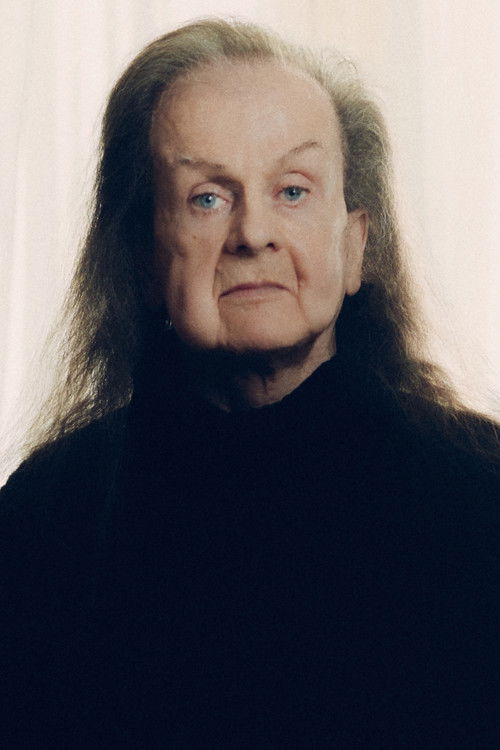
Hélène Hazéra
Acting
Biography
Hélène Hazera (born 1952) is a French journalist, actress, filmmaker, radio producer and trans activist. Born into a bourgeois family with ties to the French Resistance, Hazera grew up in the 16th arrondissement of Paris. Her late adolescence was marked by crisis: she was committed to a psychiatric hospital at 17 following a diagnosis of bipolar disorder and went through a suicidal period. Estranged from her family and without resources, she prepared for the entrance exam to the IDHEC film school before being allegedly barred from entry by its director, and turned to sex work. She transitioned in 1973. As a trans woman and close friend of Marie France, she joined the Front homosexuel d'action révolutionnaire (FHAR) and became a central figure and political voice of the Gazolines collective. In the mid-1990s she joined Act Up-Paris, where she led the trans commission. A self-described libertarian, she was also a member of the Confédération nationale du travail and an occasional contributor to Le Monde libertaire on LGBT issues and press workers' rights. She appeared in films by Adolfo Arrieta, including Les Intrigues de Sylvia Couski (1974), and was photographed by Nan Goldin. In 1978, through a connection made at the FHAR, she joined Libération as a television columnist, later becoming the paper's specialist in French-language song, a role she held until 1999. From September 2002 to June 2017, she hosted the programme Chanson Boum on France Culture, broadcast on Friday nights. In 1985 she conceived an eight-part documentary series on the anarchist filmmaker Jean Painlevé, directed by Denis Derrien. In 2003 she co-directed a portrait of Nicole Louvier with Raymonde Couvreu.
Known For
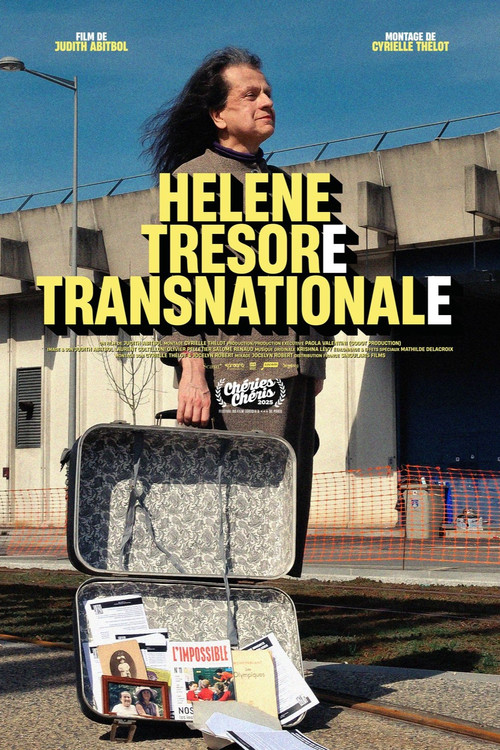
In this intimate portrait addressed directly to Hélène Hazera, filmmaker Judith Abitbol revisits a key figure of France’s countercultures from the late 1960s to the 1990s. A member of the Gazolines and the FHAR (Homosexual Front for Revolutionary Action), Hazera was a tireless LGBTQ activist who founded Act Up’s Trans and AIDS commissions—one of her proudest achievements. Her true victory, however, was becoming the first transgender journalist at a major national newspaper (Libération), and later a producer at Radio France and France TV. Through her story, Abitbol reconnects with the insurrectionary spirit and creative chaos of those decades—an era when French culture was shaken by radical imagination, humor, and defiance. The film celebrates these modern Antigones who dared to live their desires beyond the reach of any law.
Hélène Trésore Transnationale
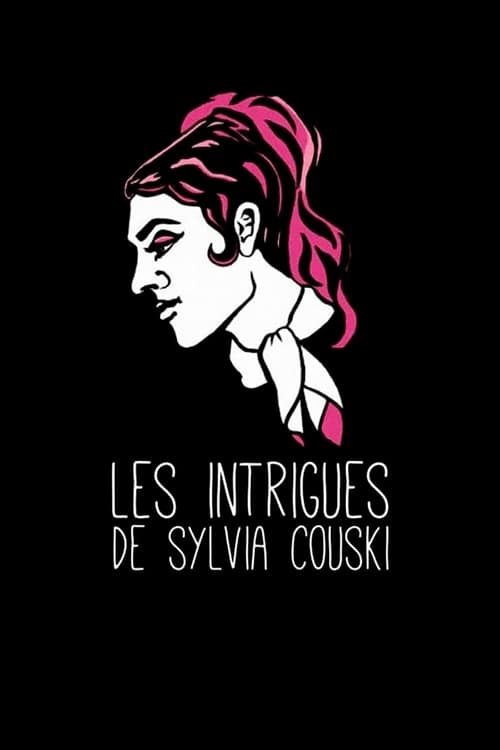
The ex-wife of a famous sculptor convinces her lover to remove one of his sculptures from an exhibition and replace it with a live model.
The Adventures of Sylvia Couski
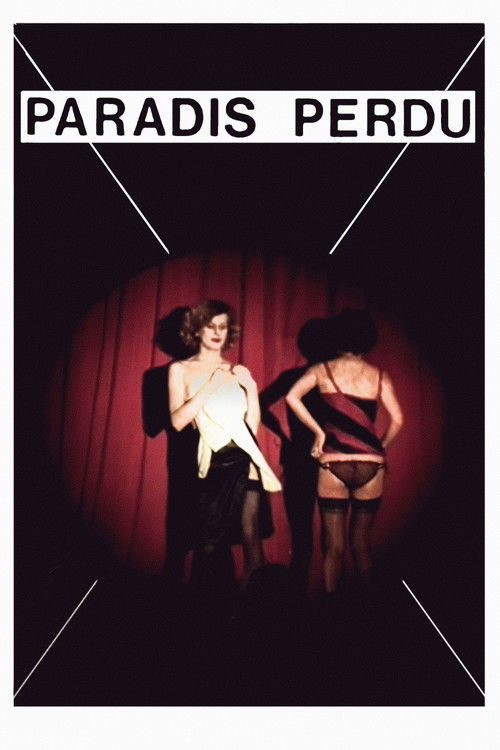
Young trans women turn the streets of Paris into their cabaret. Their dreams are quickly caught up by reality.
Paradis Perdu
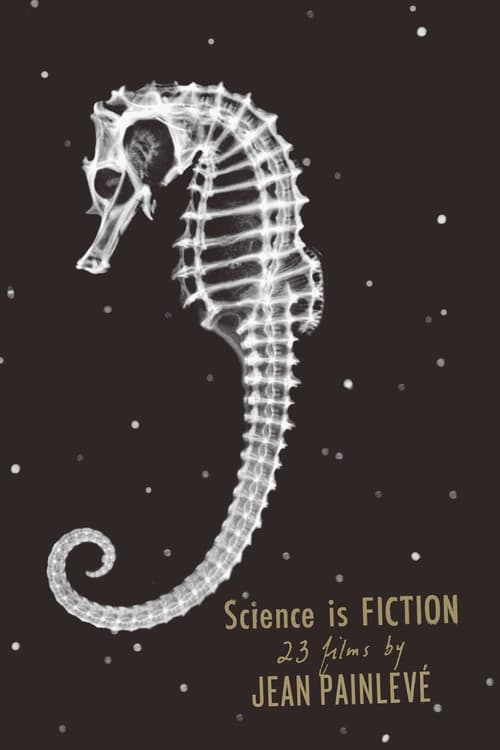
This documentary about the life and work of filmmaker Jean Painlevé was originally presented in eight parts on French television. It was edited to remove duplicated material from its original length of 240 minutes.
Jean Painlevé Through His Films
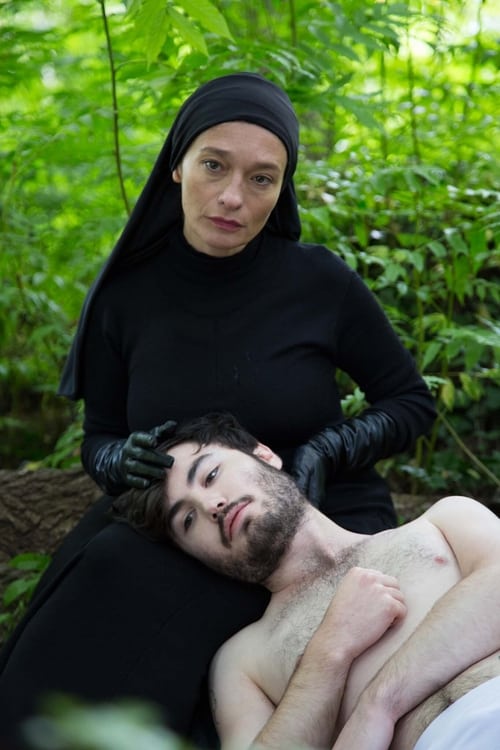
Ablou is a young man prisoner of a dream and a park. He meets strange characters who try to lock him up a little more in this long sleep.
Haldernablou - Triptyque
No description available.
Salon de T - Farrah Diod
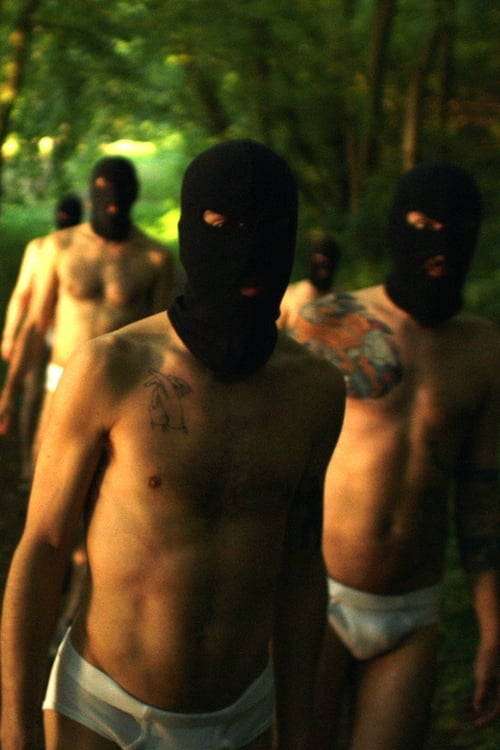
Two men meet in a park: Haldern has on a black balaclava, while Ablou is wearing white underpants. The film is based on choreography by Daniel Larrieu, who was invited to "play with the story board" of Alfred Jarry's book "Haldernablou", with illustrations by Tom de Pékin.