Idir
Sound
Biography
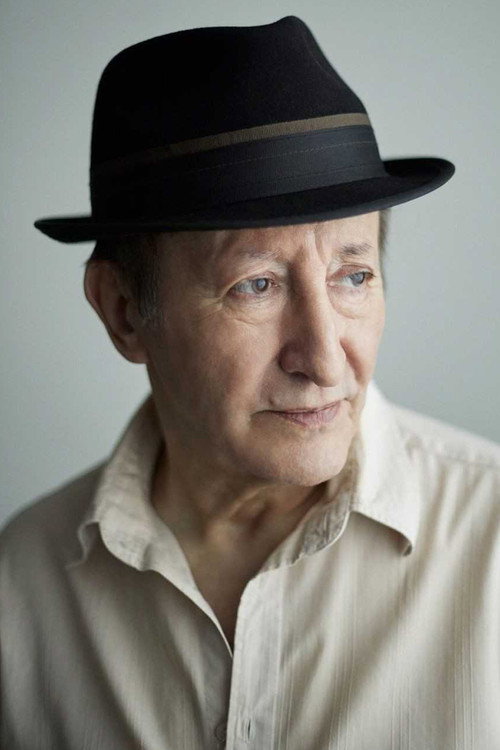
Idir (in Amazigh: ⵉⴷⵉⵔ, in Arabic: إدير), whose real name is Hamid Cheriet, was born in 1949 in Aït Lahcène, 35 km from Tizi-Ouzou, Algeria. He is an Algerian singer, songwriter, and musician who performs in the Kabyle language. Idir was born in 1949 in the village of Aït Lahcène, in the Djurdjura Mountains of Kabylia. The son of a shepherd, he grew up in an environment where Berber poetry and culture held a central place, where the Kabyle language was spoken, and where local traditions nourished his musical imagination. From the outset, his world was marked by the voices of the women around him: “I was lucky enough to have a grandmother and a mother who were poets,” he would later say, summarizing the importance of female voices in his artistic development. Idir studied geology and initially intended to pursue a career in the Algerian oil industry. He turned to music by chance in 1973 at Radio Algiers when, stepping in at the last minute to replace a sick singer, he performed a lullaby he had composed. This performance quickly became his first radio hit, Rsed A Yidess, whose title means “May Sleep Come.” Shortly after, he recorded A Vava Inouva, another lullaby that would become one of his most iconic songs. Its success was immediate and extended beyond the borders of Algeria. During his two years of military service, Idir listened to himself on the radio and observed the resonance his repertoire generated both nationally and internationally. In 1975, he went to Paris at the request of the record label Pathé Marconi to record his first album. The track "A Vava Inouva" became a global hit, broadcast in 77 countries and translated into some fifteen languages. This international recognition established Idir as a major figure in 20th-century Berber and Maghrebi music, paving the way for a wider presentation of Berber sounds on the world stage. Idir pursued a prolific career, releasing albums and touring extensively, and became an essential reference point for subsequent generations of Berber-language artists. His work is also marked by cultural and identity-based commitment, often in a difficult context where indigenous languages and traditions risked being marginalized. Throughout his career, Idir reconciled memory and universality, ensuring that the stories of his land and language were heard by extremely diverse audiences. His music blended traditional Kabyle sounds with contemporary influences, asserting an open and modern musical identity. Idir died on May 2, 2020, at Bichat Hospital in Paris, from complications of pulmonary fibrosis, which he had been battling for several months. On May 13, he was buried in Père-Lachaise Cemetery (85th division). Following his death, a wide audience, along with numerous artists and journalists, paid tribute to a musician who enriched Algerian music, leaving behind a lasting legacy: a discography that helped to bring Kabyle music to a wider audience.